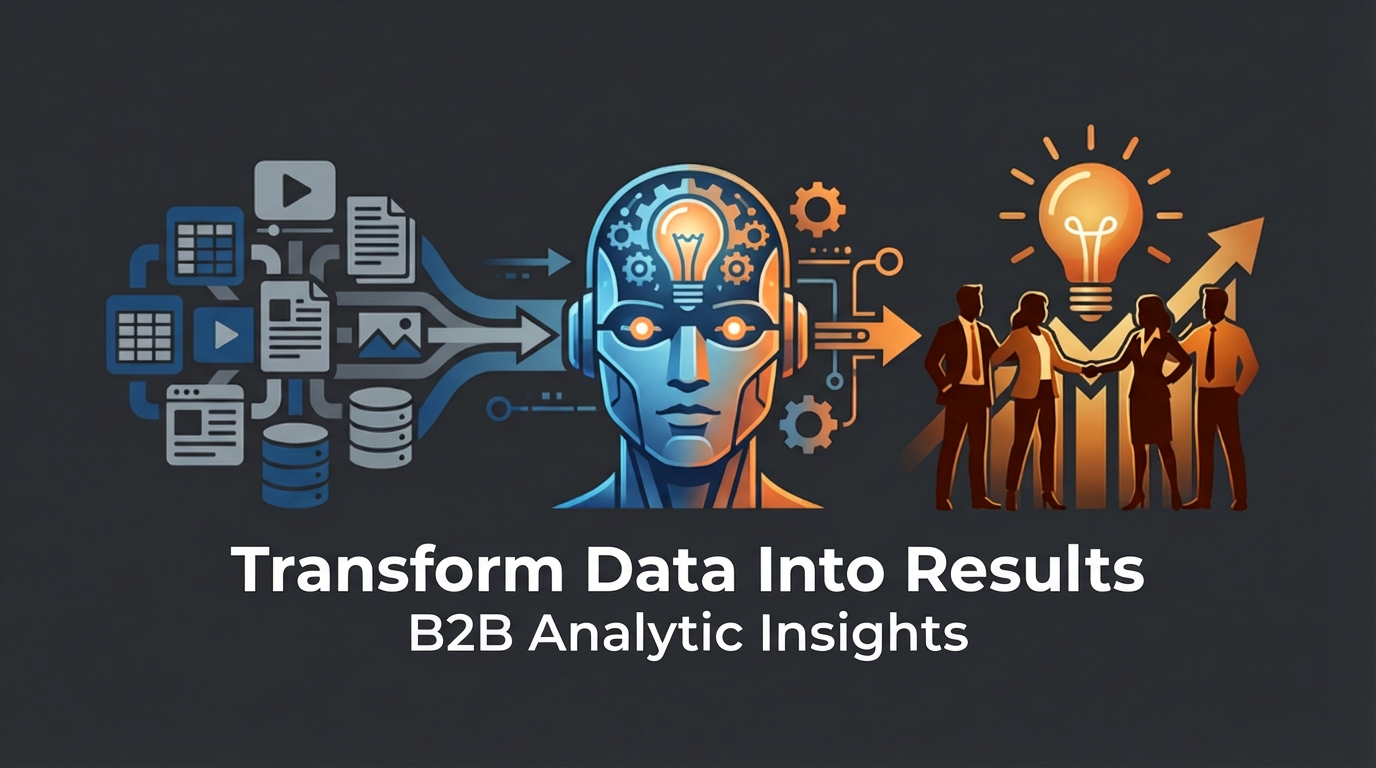

The DIKW framework, which stands for Data, Information, Knowledge, and Wisdom, serves as a conceptual model that illustrates the transformation of raw data into actionable insights. At its core, the framework delineates a hierarchy where each level builds upon the previous one, creating a structured approach to understanding how we process and utilize information. Data represents the foundational layer, consisting of raw facts and figures devoid of context.
For instance, a series of numbers such as “25,” “30,” and “45” may seem meaningless until they are contextualized—perhaps as temperatures recorded over several days. This initial stage is crucial because it sets the groundwork for further analysis. As we move up the hierarchy, data is transformed into information through organization and contextualization.
Information provides meaning to data by answering questions such as who, what, where, and when. In our earlier example, if we identify that those temperatures were recorded in a specific city over a week, we now have information that can inform us about the weather patterns in that location. This transition from data to information is essential for effective decision-making, as it allows individuals and organizations to begin interpreting the significance of the data they collect.
The DIKW framework emphasizes that without this transformation, raw data remains largely unutilized and ineffective in guiding decisions.
Key Takeaways
- The DIKW framework stands for Data, Information, Knowledge, and Wisdom, representing the hierarchy of understanding and decision making.
- Data is raw facts and figures, while information is processed data that provides context and relevance.
- Knowledge is the application of information to solve problems and make decisions, while wisdom involves using experience and judgment to make sound and ethical decisions.
- Utilizing information for insightful decisions involves analyzing and interpreting data to gain valuable insights and make informed choices.
- Integrating DIKW for holistic decision making involves using all levels of the framework to make well-rounded and effective decisions.
Applying Data to Decision Making
In the realm of decision-making, data serves as the bedrock upon which strategies are built. Organizations today are inundated with vast amounts of data generated from various sources, including customer interactions, market trends, and operational processes. The challenge lies not in the availability of data but in its effective application.
For instance, a retail company might collect data on customer purchasing habits through loyalty programs and online transactions. By analyzing this data, the company can identify trends such as peak shopping times or popular product categories, which can inform inventory management and marketing strategies. Moreover, the application of data extends beyond mere observation; it involves employing analytical tools and techniques to extract meaningful insights.
Techniques such as predictive analytics can forecast future trends based on historical data patterns. For example, a healthcare provider might analyze patient data to predict seasonal flu outbreaks, allowing them to allocate resources more effectively and implement preventive measures. This proactive approach not only enhances operational efficiency but also improves patient outcomes.
Thus, the application of data in decision-making is not just about understanding what has happened; it is about anticipating what will happen and preparing accordingly.
Utilizing Information for Insightful Decisions

Once data has been transformed into information, the next step involves utilizing this information to make insightful decisions. Insightful decision-making requires a deeper understanding of the context surrounding the information at hand. For instance, a financial analyst may review quarterly earnings reports to assess a company’s performance.
However, merely looking at numbers is insufficient; the analyst must also consider external factors such as market conditions, economic indicators, and competitive landscape. This comprehensive approach allows for more nuanced insights that can guide strategic decisions. Furthermore, the utilization of information often involves collaboration across different departments within an organization.
For example, marketing teams may rely on sales data to tailor their campaigns effectively. By sharing insights derived from various sources of information—such as customer feedback, market research, and sales performance—teams can develop a more holistic view of their target audience. This collaborative effort not only enhances the quality of decisions made but also fosters a culture of shared knowledge within the organization.
Ultimately, utilizing information effectively leads to decisions that are not only informed but also aligned with broader organizational goals.
Leveraging Knowledge for Strategic Decision Making
| Metrics | 2019 | 2020 | 2021 |
|---|---|---|---|
| Number of knowledge management workshops | 15 | 20 | 25 |
| Percentage of employees participating in knowledge sharing activities | 60% | 65% | 70% |
| Number of strategic decisions influenced by knowledge sharing | 10 | 12 | 15 |
Knowledge represents a higher level in the DIKW hierarchy and encompasses the application of information through experience and expertise. It is this accumulated knowledge that empowers decision-makers to navigate complex situations with confidence. For instance, a seasoned project manager may draw upon years of experience managing similar projects to anticipate potential challenges and devise effective solutions.
This ability to leverage knowledge is particularly critical in strategic decision-making, where the stakes are often high and the consequences of poor choices can be significant. In practice, leveraging knowledge involves synthesizing information from various sources and applying it to specific contexts. A technology company launching a new product may analyze market research data while also considering insights from previous product launches.
By integrating lessons learned from past experiences with current market trends, decision-makers can craft strategies that are more likely to succeed. Additionally, fostering an environment that encourages continuous learning and knowledge sharing among employees can enhance an organization’s collective intelligence. This culture of knowledge exchange not only improves decision-making but also drives innovation and adaptability in an ever-changing business landscape.
The Role of Wisdom in Effective Decision Making
Wisdom is often regarded as the pinnacle of the DIKW framework, representing the ability to make sound judgments based on knowledge and experience. It transcends mere knowledge by incorporating ethical considerations, long-term implications, and a broader understanding of human behavior. In decision-making contexts, wisdom allows leaders to weigh options thoughtfully and consider the potential impact on stakeholders.
For example, a CEO faced with a difficult choice regarding layoffs must not only analyze financial data but also reflect on the moral implications of their decision on employees and their families. Moreover, wisdom involves recognizing the limitations of one’s knowledge and being open to diverse perspectives. In complex situations where uncertainty prevails, wise decision-makers seek input from others and consider alternative viewpoints before arriving at conclusions.
This collaborative approach can lead to more balanced decisions that take into account various stakeholder interests. For instance, during a crisis situation such as a public health emergency, wise leaders may consult with experts from different fields—healthcare professionals, economists, and community leaders—to develop comprehensive strategies that address both immediate needs and long-term recovery.
Integrating DIKW for Holistic Decision Making

Data Collection and Analysis
This integration begins with establishing robust data collection mechanisms that ensure high-quality data is available for analysis. Organizations must invest in technologies that enable real-time data processing and visualization to support timely decision-making.
Cultivating a Culture of Informed Decision-Making
Furthermore, training employees to understand and apply the DIKW framework can cultivate a culture of informed decision-making throughout the organization. Workshops and training sessions can equip teams with the skills needed to analyze data effectively and translate it into actionable insights.
Enhancing Organizational Effectiveness
Encouraging cross-functional collaboration ensures that diverse perspectives are considered when making decisions, ultimately leading to more innovative solutions. By integrating the DIKW framework into their decision-making processes, organizations can navigate complexities with greater agility and resilience while fostering an environment where informed choices drive success.