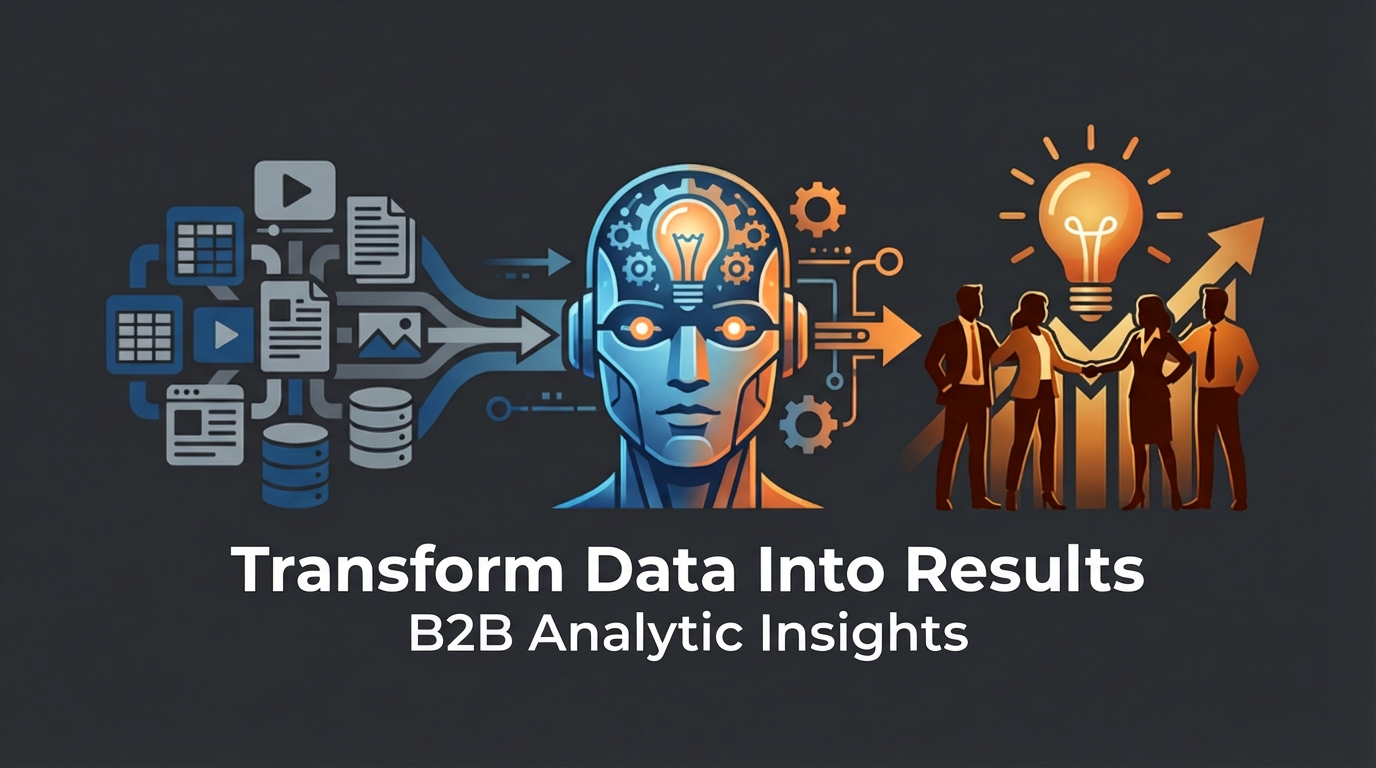

The DIKW model, which stands for Data, Information, Knowledge, and Wisdom, serves as a framework for understanding the transformation of raw data into actionable insights. At its core, the model illustrates a hierarchy where each level builds upon the previous one. Data represents the most basic form of input, consisting of raw facts and figures devoid of context.
For instance, a series of numbers such as “25,” “30,” and “45” may seem meaningless until they are contextualized—perhaps as temperatures in degrees Celsius over a week. This initial stage is crucial because it lays the groundwork for further analysis and interpretation. As we move up the hierarchy to information, we begin to see the significance of context.
Information is essentially data that has been processed or organized in a way that makes it meaningful. Continuing with the previous example, if we were to say that those temperatures represent the daily highs for a week in a specific city, we have transformed raw data into information. This contextualization allows individuals to understand patterns and trends, which are essential for making informed decisions.
The DIKW model emphasizes that without this transformation from data to information, decision-making processes would be severely hampered, as individuals would lack the necessary context to interpret the data effectively.
Key Takeaways
- The DIKW model represents the hierarchy of data, information, knowledge, and wisdom, with each level building upon the previous one.
- Applying the DIKW model to decision making involves using data to gather information, turning that information into knowledge, and ultimately using wisdom to make effective decisions.
- Leveraging data in decision making requires collecting and analyzing relevant data to gain insights and inform the decision-making process.
- Using information to inform decisions involves organizing and interpreting data to create meaningful and actionable insights for decision makers.
- Knowledge serves as a tool for effective decision making by providing a deep understanding of the context and implications of the decision at hand.
- Wisdom plays a crucial role in decision making by integrating knowledge, experience, and ethical considerations to make sound and impactful decisions.
Applying the DIKW Model to Decision Making
Incorporating the DIKW model into decision-making processes can significantly enhance the quality and effectiveness of those decisions. The first step involves collecting relevant data, which can come from various sources such as surveys, sensors, or databases. Once this data is gathered, it must be organized and analyzed to extract meaningful information.
For example, a retail company might collect sales data across different regions. By analyzing this data, they can identify which products are performing well and which are not, thus generating valuable information that can guide inventory management and marketing strategies. The transition from information to knowledge is where deeper insights emerge.
Knowledge encompasses not only the information itself but also the understanding of how that information can be applied in specific contexts. In our retail example, knowledge might involve recognizing seasonal trends or consumer preferences based on historical sales data. This understanding allows decision-makers to anticipate future demands and adjust their strategies accordingly.
By leveraging knowledge derived from information, organizations can make proactive decisions rather than reactive ones, ultimately leading to better outcomes.
Leveraging Data in Decision Making

Data is often referred to as the new oil in today’s digital economy, highlighting its immense value when harnessed effectively. Organizations that prioritize data collection and analysis are better positioned to make informed decisions that drive growth and innovation. For instance, companies like Amazon utilize vast amounts of customer data to personalize shopping experiences.
By analyzing purchasing patterns and browsing behaviors, they can recommend products tailored to individual preferences, thereby enhancing customer satisfaction and loyalty. Moreover, leveraging data extends beyond mere collection; it involves employing advanced analytical techniques such as machine learning and predictive analytics. These technologies enable organizations to uncover hidden patterns within their data that may not be immediately apparent.
For example, a healthcare provider might analyze patient records to identify trends in disease outbreaks or treatment efficacy. By utilizing predictive models, they can forecast potential health crises and allocate resources more effectively, ultimately improving patient outcomes. This proactive approach underscores the importance of data in shaping strategic decisions across various sectors.
Using Information to Inform Decisions
| Metrics | Q1 | Q2 | Q3 | Q4 |
|---|---|---|---|---|
| Number of data sources | 15 | 18 | 20 | 22 |
| Percentage of data accuracy | 85% | 88% | 90% | 92% |
| Time spent on data analysis (hours) | 100 | 120 | 130 | 140 |
Once data has been transformed into information, it becomes a powerful tool for informing decisions across different levels of an organization. Information provides clarity and context that are essential for evaluating options and potential outcomes. For instance, in the realm of project management, teams often rely on performance metrics—such as budget adherence and timeline progress—to assess whether a project is on track.
This information allows project managers to make timely adjustments, reallocating resources or modifying timelines as necessary to ensure successful project completion. Furthermore, effective communication of information is critical in decision-making processes. Stakeholders must be able to access relevant information easily and understand its implications.
Visualization tools such as dashboards and infographics can play a significant role in this regard by presenting complex data in an easily digestible format. For example, a marketing team might use visual analytics to showcase campaign performance metrics, enabling stakeholders to quickly grasp which strategies are yielding results and which require reevaluation. By ensuring that information is not only available but also comprehensible, organizations can foster a culture of informed decision-making.
Knowledge as a Tool for Effective Decision Making
Knowledge serves as a vital asset in the decision-making process, acting as a bridge between information and wisdom. It encompasses both theoretical understanding and practical experience, allowing individuals to apply insights gained from information in real-world scenarios. For instance, a seasoned financial analyst may possess extensive knowledge about market trends and economic indicators.
This knowledge enables them to interpret financial reports not just at face value but within the broader context of market dynamics, leading to more nuanced investment decisions. Moreover, fostering a culture of knowledge sharing within organizations can significantly enhance decision-making capabilities. When team members share their expertise and insights, it creates a collective intelligence that can lead to more innovative solutions.
For example, cross-functional teams that bring together diverse perspectives can tackle complex problems more effectively than individuals working in silos. By encouraging collaboration and open communication, organizations can leverage the collective knowledge of their workforce to drive better decision-making outcomes.
The Role of Wisdom in Decision Making

The Role of Wisdom in Decision-Making
For instance, a business leader faced with a decision about expanding operations may have access to extensive market data and financial projections. However, wisdom compels them to consider factors such as environmental sustainability and community impact before proceeding.
Cultivating Wisdom Through Experience and Reflection
Wisdom is often cultivated through experience and reflection over time. Leaders who have navigated complex challenges are more likely to possess the foresight needed to make decisions that balance short-term gains with long-term sustainability.
Wisdom in the Context of the DIKW Model
In this sense, wisdom transcends mere knowledge; it incorporates emotional intelligence and ethical reasoning into the decision-making process. Organizations that prioritize wisdom alongside data-driven approaches are better equipped to navigate uncertainty and complexity in today’s rapidly changing landscape.
In conclusion, the DIKW model provides a comprehensive framework for understanding how data transforms into actionable insights through information, knowledge, and wisdom. Each level plays a crucial role in enhancing decision-making processes across various domains. By effectively leveraging data and fostering a culture of knowledge sharing while prioritizing ethical considerations through wisdom, organizations can navigate challenges more adeptly and achieve sustainable success in an increasingly complex world.