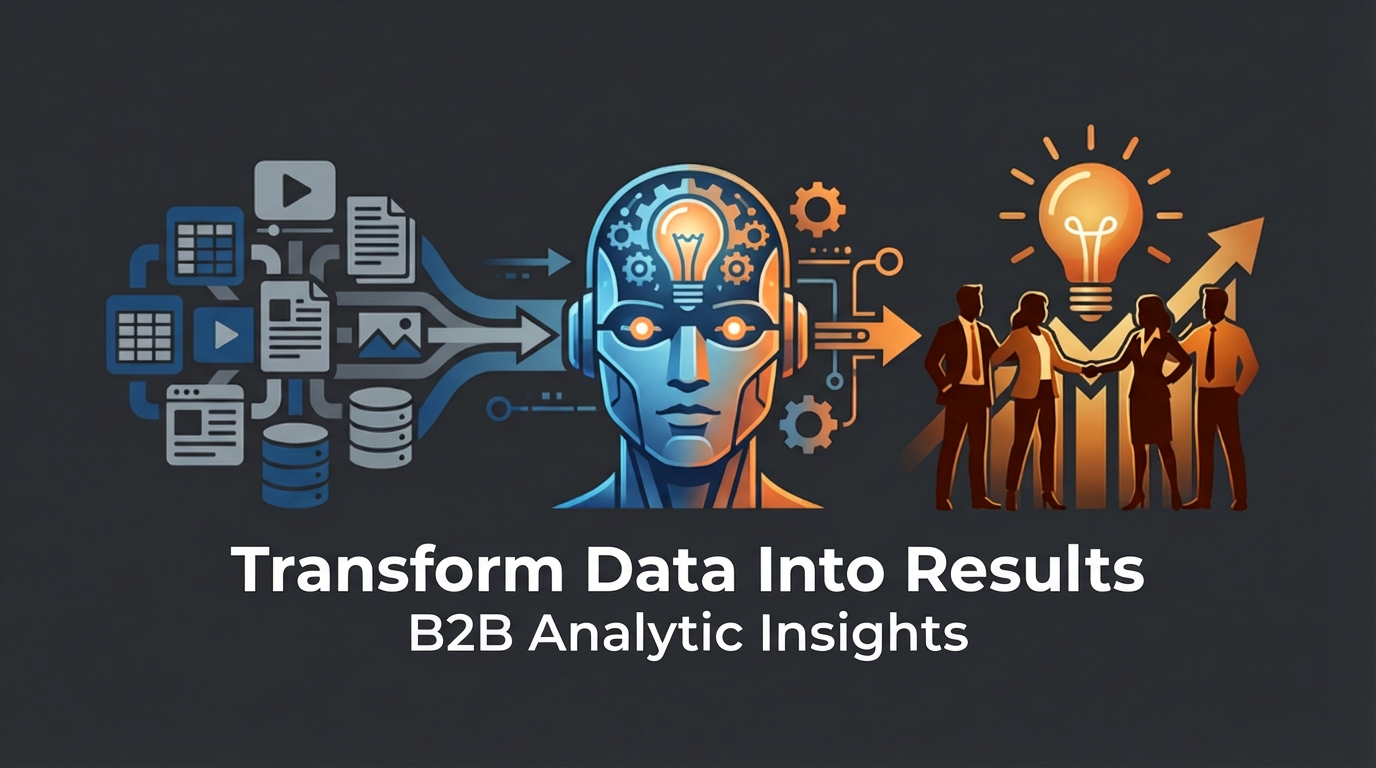

Loss forecasting is the process of predicting potential losses that a business may incur in the future. It involves analyzing historical data, market predictions, and various other factors to estimate the financial impact of potential risks and uncertainties. Loss forecasting plays a crucial role in business planning and decision-making, as it helps organizations prepare for potential losses and take proactive measures to mitigate them.
In the modern era, loss forecasting has become even more important due to the increasing complexity and volatility of the business environment. With rapid technological advancements, globalization, and changing consumer preferences, businesses face a wide range of risks that can have a significant impact on their financial performance. By accurately forecasting potential losses, organizations can better allocate resources, manage risks, and make informed decisions to ensure their long-term sustainability.
The concept of loss forecasting has been around for centuries, with businesses using various methods to estimate potential losses. In ancient times, traders would assess the risks associated with their voyages by considering factors such as weather conditions, political stability, and market demand. Over time, more sophisticated techniques and tools have been developed to improve the accuracy of loss forecasting. Today, with the advent of big data analytics and machine learning algorithms, businesses have access to vast amounts of data and advanced modeling techniques that can provide more accurate and timely loss forecasts.
Key Takeaways
- Loss forecasting is crucial in the modern era to manage risks and make informed decisions.
- Historical data plays a significant role in loss forecasting as it helps in identifying patterns and trends.
- Market predictions are essential in loss forecasting as they provide insights into external factors that can impact losses.
- Key factors affecting loss forecasting include data quality, model accuracy, and external factors such as economic conditions.
- Techniques and tools such as regression analysis, time series analysis, and simulation models can help in accurate loss forecasting.
- Machine learning can improve loss forecasting accuracy by identifying complex patterns and relationships in data.
- Challenges in loss forecasting include data availability, model complexity, and external factors, which can be overcome by using robust models and data sources.
- Case studies on successful loss forecasting demonstrate the importance of accurate data, model selection, and continuous monitoring.
- Future trends in loss forecasting include the use of big data, artificial intelligence, and predictive analytics to improve accuracy and efficiency.
- In conclusion, loss forecasting is a valuable tool in the modern era for managing risks and making informed decisions.
Importance of Historical Data in Loss Forecasting
Historical data is a critical component of loss forecasting as it provides valuable insights into past trends and patterns that can help predict future losses. By analyzing historical data, businesses can identify recurring risks and vulnerabilities, understand the impact of previous events on their financial performance, and make informed decisions to mitigate potential losses.
For example, a retail company can use historical sales data to forecast potential losses due to changes in consumer behavior or economic downturns. By analyzing past sales patterns during similar periods of economic uncertainty, the company can estimate the potential decline in sales and take proactive measures to reduce costs and optimize inventory levels.
Accurate and relevant historical data is essential for effective loss forecasting. It is important to ensure that the data used for analysis is comprehensive, up-to-date, and representative of the current business environment. Outdated or incomplete data can lead to inaccurate forecasts and misinformed decisions, which can have serious financial consequences for businesses.
Understanding Market Predictions in Loss Forecasting
Market predictions play a crucial role in loss forecasting as they provide insights into future market conditions and trends that can impact a business’s financial performance. By understanding market predictions, businesses can anticipate potential risks and opportunities and adjust their strategies accordingly.
Market predictions can be based on various factors such as economic indicators, industry trends, consumer behavior, and geopolitical events. For example, a manufacturing company may consider market predictions related to raw material prices, labor costs, and demand for its products in different regions. By incorporating these predictions into its loss forecasting models, the company can estimate potential losses due to changes in input costs or fluctuations in demand.
Keeping up-to-date with market trends is essential for accurate loss forecasting. Businesses need to monitor economic indicators, industry reports, and other relevant sources of information to stay informed about potential risks and opportunities. By regularly updating their loss forecasting models with the latest market predictions, businesses can make more informed decisions and take proactive measures to mitigate potential losses.
Key Factors Affecting Loss Forecasting in Modern Era
Several key factors can affect loss forecasting in the modern era. These factors include technological advancements, regulatory changes, geopolitical events, and consumer behavior. It is important for businesses to consider these factors when conducting loss forecasting to ensure the accuracy and relevance of their forecasts.
Technological advancements can have a significant impact on loss forecasting by introducing new risks and uncertainties. For example, the increasing reliance on digital technologies and the growing threat of cyber-attacks have made cybersecurity a major concern for businesses. Loss forecasting models need to incorporate potential losses due to data breaches, system failures, and other cybersecurity risks to provide accurate estimates of potential losses.
Regulatory changes can also affect loss forecasting by introducing new compliance requirements and penalties. Businesses need to consider the potential financial impact of regulatory changes and ensure that their loss forecasting models reflect these changes. Failure to comply with regulatory requirements can result in significant financial losses and reputational damage.
Geopolitical events such as trade wars, political instability, and natural disasters can have a profound impact on businesses’ financial performance. Loss forecasting models need to incorporate potential losses due to these events to provide accurate estimates of potential losses. For example, a multinational company may need to consider the potential impact of trade tariffs or political unrest in its loss forecasting models.
Consumer behavior is another key factor that can affect loss forecasting. Changes in consumer preferences, buying habits, and demographics can have a significant impact on businesses’ financial performance. Loss forecasting models need to incorporate potential losses due to changes in consumer behavior to provide accurate estimates of potential losses.
Techniques and Tools for Accurate Loss Forecasting
There are various techniques and tools available for accurate loss forecasting. These include statistical modeling, scenario analysis, stress testing, and risk assessment frameworks. Each technique has its own strengths and limitations, and the choice of technique depends on the specific needs and characteristics of the business.
Statistical modeling is a commonly used technique in loss forecasting. It involves analyzing historical data and using statistical methods to identify trends, patterns, and relationships that can help predict future losses. By fitting mathematical models to historical data, businesses can estimate the probability distribution of potential losses and make informed decisions based on these estimates.
Scenario analysis is another useful technique in loss forecasting. It involves developing multiple scenarios based on different assumptions about future events and analyzing the potential financial impact of each scenario. By considering a range of possible outcomes, businesses can better understand the potential risks and opportunities they may face and make informed decisions to mitigate potential losses.
Stress testing is a technique that involves subjecting a business’s financial model to extreme scenarios to assess its resilience and identify potential vulnerabilities. By simulating extreme events such as economic downturns, natural disasters, or cyber-attacks, businesses can estimate the potential losses they may incur and take proactive measures to strengthen their financial position.
Risk assessment frameworks provide a systematic approach to identifying, assessing, and managing risks. These frameworks help businesses identify potential risks, evaluate their likelihood and impact, and develop strategies to mitigate them. By incorporating risk assessment frameworks into their loss forecasting process, businesses can ensure that potential risks are adequately considered and managed.
Choosing the right technique and tool for loss forecasting is crucial for accuracy. Businesses need to consider factors such as data availability, complexity of the business environment, and the specific needs of the organization when selecting a technique or tool. It is also important to regularly review and update the chosen technique or tool to ensure its relevance and effectiveness in the changing business environment.
Role of Machine Learning in Loss Forecasting

Machine learning plays an increasingly important role in loss forecasting by improving the accuracy and efficiency of the process. Machine learning algorithms can analyze large volumes of data, identify complex patterns and relationships, and make accurate predictions based on these patterns. By incorporating machine learning algorithms into loss forecasting models, businesses can improve the accuracy of their forecasts and make more informed decisions.
Machine learning algorithms can analyze various types of data, including structured data (such as financial statements and sales data) and unstructured data (such as social media posts and customer reviews). By analyzing both structured and unstructured data, machine learning algorithms can provide a more comprehensive view of potential risks and opportunities.
For example, machine learning algorithms can analyze social media data to identify trends and sentiments that may impact a business’s financial performance. By incorporating these insights into loss forecasting models, businesses can better understand the potential risks and opportunities associated with changes in consumer behavior or market sentiment.
Machine learning algorithms can also improve the efficiency of loss forecasting by automating repetitive tasks and reducing the need for manual intervention. By automating data collection, data cleaning, and data analysis processes, machine learning algorithms can save time and resources, allowing businesses to focus on more strategic activities.
It is important for businesses to understand the principles and limitations of machine learning when incorporating it into loss forecasting. Machine learning algorithms are not infallible and can produce inaccurate predictions if the input data is biased or incomplete. Businesses need to ensure that the input data used for machine learning algorithms is accurate, relevant, and representative of the business environment.
Challenges in Loss Forecasting and How to Overcome Them
Loss forecasting is not without its challenges. There are several common challenges that businesses may face when conducting loss forecasting, including data quality issues, model complexity, and uncertainty about future events. It is important for businesses to be aware of these challenges and take proactive measures to overcome them.
Data quality is a common challenge in loss forecasting. Businesses need to ensure that the data used for analysis is accurate, complete, and representative of the business environment. Data quality issues such as missing data, outliers, and measurement errors can lead to inaccurate forecasts and misinformed decisions. To overcome this challenge, businesses need to invest in data governance processes, data validation techniques, and data cleansing tools to ensure the accuracy and reliability of their data.
Model complexity is another challenge in loss forecasting. As businesses become more complex and interconnected, loss forecasting models need to capture a wide range of risks and uncertainties. However, complex models can be difficult to interpret and may produce inaccurate forecasts if not properly calibrated. To overcome this challenge, businesses need to strike a balance between model complexity and interpretability. They should also regularly review and validate their models to ensure their accuracy and relevance.
Uncertainty about future events is a fundamental challenge in loss forecasting. Businesses cannot predict the future with certainty, and there will always be a degree of uncertainty in loss forecasts. To overcome this challenge, businesses need to adopt a probabilistic approach to loss forecasting and consider a range of possible outcomes. They should also regularly update their loss forecasting models with the latest market predictions and other relevant information to reduce uncertainty and improve the accuracy of their forecasts.
Case Studies on Successful Loss Forecasting in Modern Era
There are several examples of successful loss forecasting in various industries. These case studies provide valuable insights into how businesses have achieved success in loss forecasting and can serve as a source of inspiration for other organizations.
One example is the insurance industry, where loss forecasting plays a crucial role in pricing policies and managing risks. Insurance companies use historical claims data, market predictions, and various statistical models to estimate potential losses and set premiums. By accurately forecasting potential losses, insurance companies can ensure that their premiums are sufficient to cover claims and maintain profitability.
Another example is the retail industry, where loss forecasting helps businesses optimize inventory levels, reduce costs, and improve profitability. Retail companies use historical sales data, market predictions, and demand forecasting models to estimate potential losses due to changes in consumer behavior or economic downturns. By accurately forecasting potential losses, retail companies can adjust their inventory levels, optimize pricing strategies, and reduce costs to mitigate potential losses.
A third example is the banking industry, where loss forecasting is crucial for managing credit risk and complying with regulatory requirements. Banks use historical loan data, market predictions, and credit risk models to estimate potential losses due to loan defaults or economic downturns. By accurately forecasting potential losses, banks can set aside sufficient provisions for loan losses, manage their capital adequacy ratios, and comply with regulatory requirements.
These case studies highlight the importance of accurate loss forecasting in various industries and demonstrate how businesses can achieve success by incorporating loss forecasting into their decision-making processes.
Future Trends in Loss Forecasting and its Implications
Loss forecasting is expected to undergo significant changes in the future due to technological advancements, regulatory changes, and evolving business practices. These changes will have important implications for businesses and require them to adapt their loss forecasting strategies and techniques.
One future trend in loss forecasting is the increasing use of big data analytics and artificial intelligence. With the growing availability of data and advancements in data analytics technologies, businesses will have access to more accurate and timely information for loss forecasting. By analyzing large volumes of data from various sources, businesses can identify new risks and opportunities, improve the accuracy of their forecasts, and make more informed decisions.
Another future trend is the integration of loss forecasting with other risk management processes. Traditionally, loss forecasting has been treated as a separate process from other risk management activities such as risk assessment, risk mitigation, and risk monitoring. However, there is a growing recognition that loss forecasting should be integrated with these processes to provide a more holistic view of potential risks and opportunities. By integrating loss forecasting with other risk management processes, businesses can better understand the interdependencies between different risks, develop more effective risk mitigation strategies, and improve their overall risk management capabilities.
Regulatory changes will also have a significant impact on loss forecasting in the future. As regulators become more focused on risk management and financial stability, businesses will need to comply with stricter reporting requirements and demonstrate the effectiveness of their loss forecasting processes. This will require businesses to invest in robust risk management frameworks, advanced modeling techniques, and sophisticated data analytics capabilities to meet regulatory expectations.
The Value of Loss Forecasting in Modern Era
In conclusion, loss forecasting plays a crucial role in business planning and decision-making in the modern era. By accurately predicting potential losses, businesses can allocate resources effectively, manage risks proactively, and make informed decisions to ensure their long-term sustainability.
Historical data, market predictions, and various other factors are important inputs in the loss forecasting process. Businesses need to ensure that the data used for analysis is accurate, relevant, and representative of the current business environment. They also need to keep up-to-date with market trends and incorporate market predictions into their loss forecasting models to improve the accuracy of their forecasts.
Key factors such as technological advancements, regulatory changes, geopolitical events, and consumer behavior can affect loss forecasting. Businesses need to consider these factors when conducting loss forecasting to ensure the accuracy and relevance of their forecasts.
There are various techniques and tools available for accurate loss forecasting, including statistical modeling, scenario analysis, stress testing, and risk assessment frameworks. Businesses need to choose the right technique and tool for their specific situation and regularly review and update them to ensure their accuracy and effectiveness.
Machine learning algorithms can improve the accuracy and efficiency of loss forecasting by analyzing large volumes of data, identifying complex patterns and relationships, and making accurate predictions. Businesses need to understand the principles and limitations of machine learning when incorporating it into loss forecasting.
Loss forecasting is not without its challenges, including data quality issues, model complexity, and uncertainty about future events. Businesses need to be aware of these challenges and take proactive measures to overcome them.
There are several examples of successful loss forecasting in various industries, including insurance, retail, and banking. These case studies provide valuable insights into how businesses have achieved success in loss forecasting and can serve as a source of inspiration for other organizations.
Loss forecasting is expected to undergo significant changes in the future due to advancements in technology and data analytics. Traditional loss forecasting methods relied heavily on historical data and statistical models, which often had limitations in accurately predicting future losses. However, with the advent of machine learning and artificial intelligence, loss forecasting can now incorporate more complex and dynamic factors that impact losses. These advancements allow for more accurate and real-time predictions, enabling businesses to proactively manage risks and make informed decisions. Additionally, the use of big data and predictive analytics can provide deeper insights into emerging trends and potential risks, further enhancing the effectiveness of loss forecasting. Overall, the future of loss forecasting is expected to be more precise, efficient, and adaptable to changing market conditions.