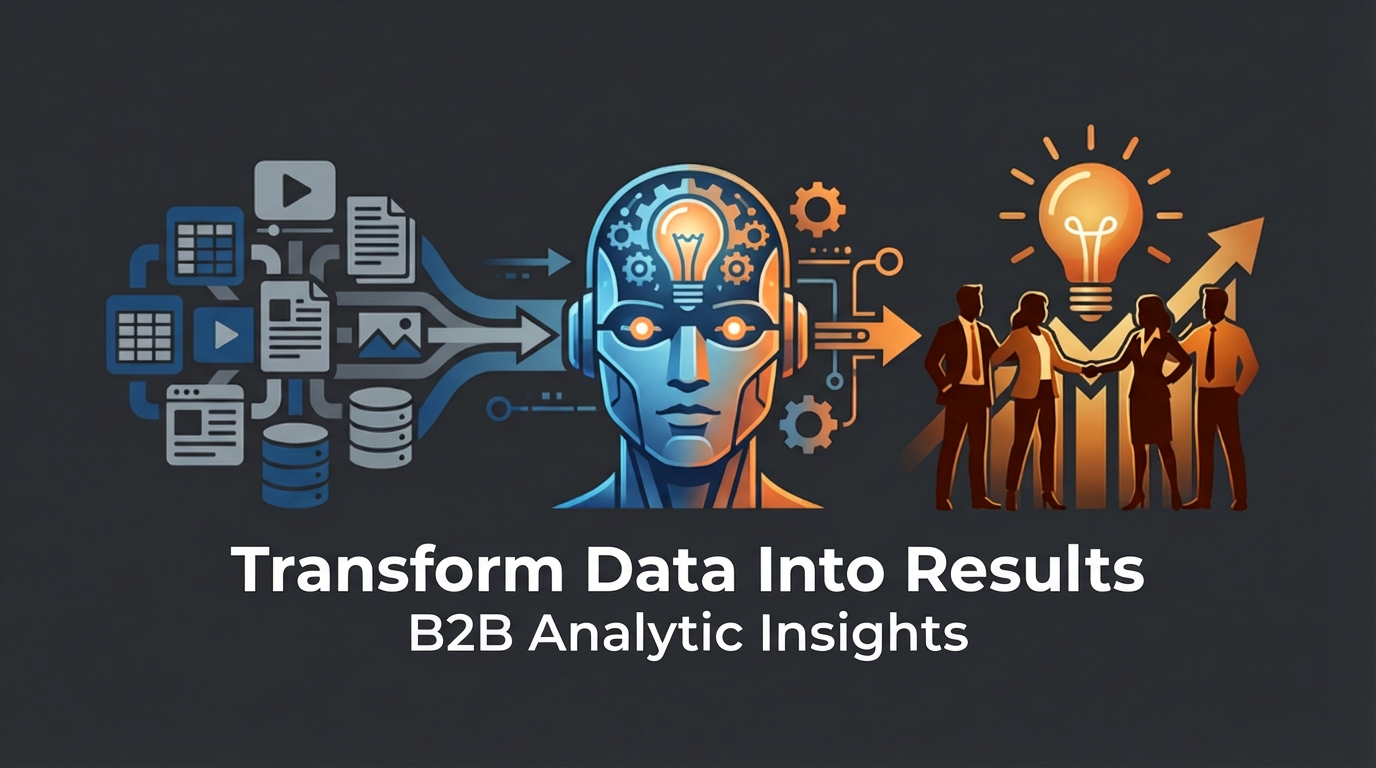

Revenue forecasting is a crucial aspect of running a successful business. It involves predicting the future revenue that a company will generate based on various factors such as historical data, market trends, and external influences. By accurately forecasting revenue, businesses can make informed decisions about budgeting, resource allocation, and growth strategies. In this article, we will explore the importance of revenue forecasting for business success and provide practical tips and strategies for implementing effective revenue forecasting techniques.
Understanding the Importance of Revenue Forecasting for Business Success
Revenue forecasting plays a vital role in the success of a business. It provides insights into the financial health of a company and helps in making informed decisions about resource allocation and budgeting. By accurately predicting future revenue, businesses can plan their expenses, set realistic targets, and identify areas for growth.
For example, let’s consider a retail business that wants to expand its operations to a new location. By forecasting revenue, the business can estimate how much sales it can expect from the new location and determine if it is financially viable. This information can help the business make an informed decision about whether to proceed with the expansion or explore other opportunities.
The Fundamentals of Revenue Forecasting: Key Concepts and Techniques
Revenue forecasting involves analyzing historical data, market trends, and external factors to predict future revenue. There are several key concepts and techniques that are commonly used in revenue forecasting:
1. Historical Data Analysis: Analyzing past sales data is an essential part of revenue forecasting. By examining trends and patterns in historical data, businesses can identify seasonality, growth rates, and other factors that may impact future revenue.
2. Market Research: Conducting market research helps businesses understand their target audience, competition, and market trends. This information can be used to make more accurate revenue forecasts by taking into account factors such as consumer behavior and market demand.
3. Regression Analysis: Regression analysis is a statistical technique used to identify relationships between variables. In revenue forecasting, regression analysis can be used to determine how changes in factors such as marketing spend or pricing impact revenue.
How to Gather and Analyze Data for Accurate Revenue Forecasting
| Data/Metric | Description |
|---|---|
| Historical Sales Data | Data collected from previous sales periods that can be used to identify trends and patterns in revenue. |
| Market Research | Information gathered about the industry, competitors, and target market to help predict future revenue. |
| Customer Feedback | Feedback from customers can provide insight into their needs and preferences, which can be used to improve revenue forecasting. |
| Seasonal Trends | Patterns in revenue that occur during specific times of the year, such as holidays or seasonal changes, that can be used to predict future revenue. |
| Marketing Campaigns | Data on the success of past marketing campaigns can be used to predict the impact of future campaigns on revenue. |
| Cost of Goods Sold | The cost of producing goods or services, which can be used to calculate profit margins and predict future revenue. |
| Industry Trends | Information on trends and changes in the industry that can impact revenue, such as new regulations or emerging technologies. |
To ensure accurate revenue forecasting, it is crucial to gather and analyze data effectively. Here are some tips to help you gather and analyze data for accurate revenue forecasting:
1. Use Reliable Data Sources: Ensure that the data you use for forecasting is reliable and accurate. Rely on sources such as sales records, customer surveys, and market research reports from reputable sources.
2. Clean and Organize Data: Before analyzing the data, clean and organize it to remove any errors or inconsistencies. This will help ensure that your forecasts are based on accurate information.
3. Use Data Visualization Tools: Data visualization tools can help you analyze and interpret large amounts of data more effectively. Use tools such as charts, graphs, and dashboards to visualize trends and patterns in your data.
Using Historical Data to Predict Future Revenue: Best Practices and Pitfalls to Avoid
Using historical data is a common approach to predict future revenue. However, there are some best practices and pitfalls to be aware of when using historical data for revenue forecasting:
1. Best Practices:
– Use a sufficient amount of historical data to ensure accuracy.
– Consider seasonality and other factors that may impact revenue trends.
– Regularly update your historical data to reflect changes in the market.
2. Pitfalls to Avoid:
– Over-reliance on historical data without considering other factors.
– Ignoring outliers or anomalies in the historical data.
– Failing to account for changes in market conditions or consumer behavior.
The Role of Market Research in Revenue Forecasting: Tips for Effective Implementation

Market research plays a crucial role in revenue forecasting by providing insights into consumer behavior, market trends, and competition. Here are some tips for effectively implementing market research in revenue forecasting:
1. Define Your Research Objectives: Clearly define your research objectives before conducting market research. This will help you gather the right information and make more accurate revenue forecasts.
2. Use a Combination of Qualitative and Quantitative Research: Qualitative research methods such as focus groups and interviews can provide valuable insights into consumer preferences and behavior. Combine this with quantitative research methods such as surveys and data analysis for a more comprehensive understanding of the market.
3. Stay Updated with Market Trends: Continuously monitor market trends and changes in consumer behavior to ensure that your revenue forecasts are up to date. This can be done through regular market research and staying informed about industry news and developments.
Leveraging Technology for More Accurate and Efficient Revenue Forecasting
Technology can greatly enhance the accuracy and efficiency of revenue forecasting. Here are some ways in which technology can be leveraged for revenue forecasting:
1. Data Analytics Tools: Use data analytics tools to analyze large amounts of data quickly and accurately. These tools can help identify trends, patterns, and correlations in your data, leading to more accurate revenue forecasts.
2. Machine Learning Algorithms: Machine learning algorithms can analyze vast amounts of data and identify complex patterns that may not be apparent to humans. By leveraging machine learning algorithms, businesses can improve the accuracy of their revenue forecasts.
3. Cloud-Based Forecasting Software: Cloud-based forecasting software allows businesses to access their data from anywhere, collaborate with team members, and automate the forecasting process. This can save time and improve the accuracy of revenue forecasts.
Creating Realistic Revenue Targets: Balancing Ambition with Pragmatism
When setting revenue targets, it is important to strike a balance between ambition and pragmatism. Here are some tips for creating realistic revenue targets:
1. Consider Historical Performance: Use historical performance as a benchmark when setting revenue targets. Consider factors such as growth rates, seasonality, and market trends to set realistic goals.
2. Set Stretch Goals: While it is important to set realistic targets, it is also beneficial to set stretch goals that push your team to achieve more. These goals should be challenging but attainable with the right strategies and resources.
3. Regularly Review and Adjust Targets: Revenue targets should be reviewed regularly and adjusted as needed. This allows businesses to adapt to changing market conditions and ensure that their targets remain realistic.
The Impact of External Factors on Revenue Forecasting: Navigating Uncertainty and Risk
External factors such as economic conditions, regulatory changes, and competition can have a significant impact on revenue forecasting. Here are some strategies for navigating uncertainty and risk in revenue forecasting:
1. Scenario Planning: Scenario planning involves creating multiple revenue forecasts based on different scenarios or assumptions. This allows businesses to assess the potential impact of different external factors and develop contingency plans.
2. Stay Informed about Industry Trends: Regularly monitor industry trends, news, and developments to stay informed about potential external factors that may impact revenue. This can help businesses anticipate changes and adjust their forecasts accordingly.
3. Diversify Revenue Streams: Diversifying revenue streams can help mitigate the impact of external factors on revenue forecasting. By having multiple sources of income, businesses can reduce their reliance on a single market or product.
Monitoring and Adjusting Revenue Forecasts: Strategies for Staying Ahead of the Curve
Monitoring and adjusting revenue forecasts is essential for staying ahead of the curve and adapting to changing market conditions. Here are some strategies for effectively monitoring and adjusting revenue forecasts:
1. Regularly Track Key Performance Indicators (KPIs): Identify key performance indicators that are relevant to your business and regularly track them. This will help you identify trends, patterns, and deviations from your forecasted revenue.
2. Conduct Regular Reviews: Conduct regular reviews of your revenue forecasts to assess their accuracy and make any necessary adjustments. This can be done on a monthly, quarterly, or annual basis, depending on the nature of your business.
3. Seek Feedback from Sales and Marketing Teams: Sales and marketing teams are on the front lines of revenue generation. Seek feedback from these teams to gain insights into market trends, customer feedback, and any factors that may impact revenue.
Collaborating Across Departments for More Holistic Revenue Forecasting and Planning
Collaboration across departments is essential for more holistic revenue forecasting and planning. Here are some examples of how different departments can work together for better revenue forecasting:
1. Sales and Marketing Collaboration: Sales and marketing teams can collaborate to share insights about customer behavior, market trends, and sales projections. This collaboration can help align sales and marketing strategies with revenue forecasts.
2. Finance and Operations Collaboration: The finance and operations departments can collaborate to ensure that revenue forecasts are aligned with budgeting and resource allocation. This collaboration can help optimize operational efficiency and financial performance.
3. Executive Leadership Involvement: Executive leaders should be involved in the revenue forecasting process to provide strategic guidance and ensure that forecasts align with overall business goals. Their input can help shape revenue targets and growth strategies.
In conclusion, revenue forecasting is a crucial aspect of running a successful business. By accurately predicting future revenue, businesses can make informed decisions about budgeting, resource allocation, and growth strategies. Implementing effective revenue forecasting techniques involves understanding key concepts and techniques, gathering and analyzing data accurately, leveraging technology, setting realistic targets, considering external factors, monitoring and adjusting forecasts, and collaborating across departments. By implementing these strategies, businesses can improve their financial performance and achieve long-term success. So don’t wait any longer – start implementing revenue forecasting in your own business today!