

Understanding cultural differences is crucial in today’s globalized world. As societies become more interconnected, it is essential to recognize and appreciate the diversity that exists among different cultures. This understanding not only promotes harmony and respect but also enhances communication and relationships. In this article, we will explore the significance of understanding cultural differences and provide practical tips for navigating cross-cultural interactions.
Understanding Cultural Differences: The First Step towards Harmony
Culture can be defined as the shared beliefs, values, customs, and behaviors that characterize a group of people. It shapes our worldview, influences our communication styles, and impacts our relationships. When we understand cultural differences, we can avoid misunderstandings and conflicts that may arise due to miscommunication or misinterpretation.
Learning about different cultures is important because it allows us to broaden our perspectives and challenge our assumptions. It helps us recognize that there are multiple ways of viewing the world, and no one culture is superior to another. By understanding cultural differences, we can foster empathy and appreciation for diverse perspectives.
Cultural differences can manifest in various ways. For example, in some cultures, direct eye contact is seen as a sign of respect and attentiveness, while in others, it may be considered rude or confrontational. Similarly, gestures and body language can have different meanings across cultures. By being aware of these differences, we can adapt our communication styles to ensure effective and respectful interactions.
Overcoming Stereotypes: How to Avoid Cultural Misunderstandings
Stereotypes are oversimplified generalizations or assumptions about a particular group of people. They often stem from ignorance or lack of exposure to different cultures and can lead to misunderstandings and prejudice. Overcoming stereotypes is essential for fostering understanding and building harmonious relationships.
To avoid stereotypes and cultural misunderstandings, it is important to approach each individual as unique rather than making assumptions based on their cultural background. This requires open-mindedness and a willingness to learn and understand different perspectives. By challenging our own biases and preconceived notions, we can create a more inclusive and accepting environment.
Empathy is another crucial aspect of overcoming stereotypes. By putting ourselves in someone else’s shoes and trying to understand their experiences and perspectives, we can develop a deeper appreciation for their culture. This empathy allows us to connect on a human level and build meaningful relationships based on mutual respect and understanding.
Embracing Diversity: Why Celebrating Differences is Important
| Metrics | Importance |
|---|---|
| Diversity in the workplace | Increases creativity and innovation |
| Diversity in education | Expands knowledge and understanding of different cultures |
| Diversity in society | Promotes tolerance and acceptance of differences |
| Diversity in media | Provides representation and visibility for underrepresented groups |
| Diversity in politics | Ensures fair representation and equal opportunities for all |
Diversity brings numerous benefits to society and workplaces. When people from different cultures come together, they bring a wealth of knowledge, skills, and experiences that can lead to innovation and creativity. It also promotes a more inclusive and equitable society where everyone feels valued and respected.
Inclusivity is key in embracing diversity. It involves creating an environment where everyone feels welcome and included, regardless of their cultural background. This can be achieved by actively seeking diverse perspectives, promoting equal opportunities, and fostering a sense of belonging for all individuals.
Successful diverse communities exist all around the world. For example, in cities like Toronto, Canada, people from various cultural backgrounds coexist harmoniously, celebrating each other’s traditions and contributing to the vibrant multicultural fabric of the city. These communities serve as examples of how diversity can enrich society and create a more harmonious world.
Communicating Effectively: Tips for Cross-Cultural Communication
Cross-cultural communication can be challenging due to differences in language, non-verbal cues, and communication styles. However, with some awareness and effort, effective communication across cultures is possible.
Active listening is crucial in cross-cultural communication. It involves fully engaging with the speaker, paying attention to both verbal and non-verbal cues, and seeking clarification when needed. By actively listening, we can better understand the speaker’s perspective and avoid misunderstandings.
Asking questions is another important aspect of cross-cultural communication. It shows genuine interest in the other person’s culture and allows for a deeper understanding of their experiences. However, it is important to ask questions respectfully and avoid making assumptions or generalizations.
Building Relationships: How to Connect with People from Different Cultures
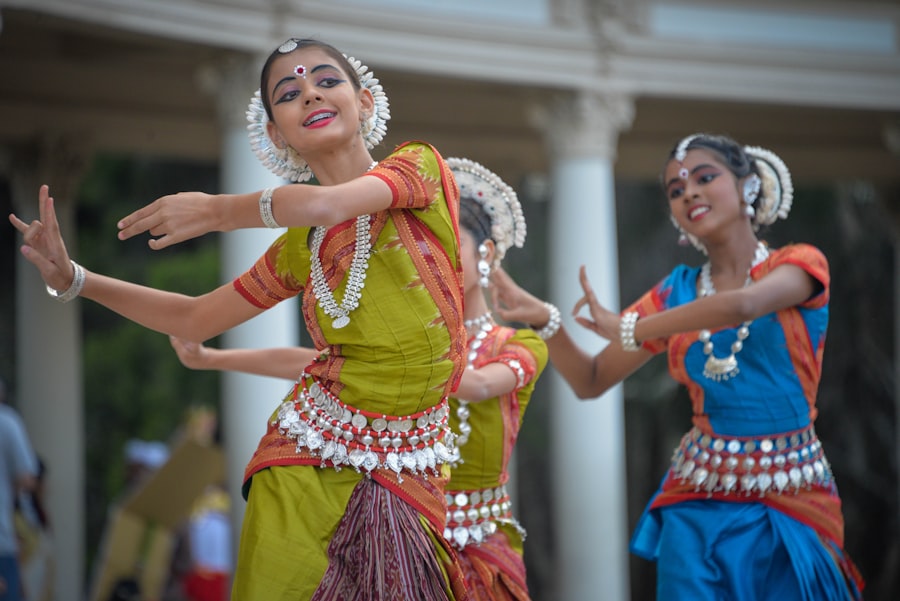
Building relationships with people from different cultures is essential for fostering understanding and creating a more inclusive society. It requires openness, curiosity, and a willingness to learn from one another.
One way to connect with people from different cultures is by participating in cultural events and activities. This allows for firsthand experiences and interactions with individuals from different backgrounds. It also provides an opportunity to learn about their traditions, customs, and values.
Another way to build relationships is by engaging in meaningful conversations. By asking open-ended questions and actively listening, we can create a safe space for individuals to share their experiences and perspectives. This not only helps us understand their culture but also strengthens the bond between individuals.
Successful cross-cultural relationships exist in various contexts, including friendships, romantic partnerships, and professional collaborations. These relationships are built on mutual respect, trust, and a genuine interest in each other’s cultures. They serve as examples of how connecting with people from different cultures can enrich our lives.
Respecting Cultural Norms: Why Cultural Sensitivity is Key
Cultural norms are the shared expectations and behaviors that are considered appropriate within a particular culture. Respecting cultural norms is crucial for avoiding misunderstandings and showing respect for different cultures.
To show respect for cultural norms, it is important to educate ourselves about the customs and traditions of the culture we are interacting with. This can be done through research or by seeking guidance from individuals who belong to that culture. By understanding and respecting cultural norms, we can avoid unintentionally offending others.
Cultural sensitivity involves being aware of our own biases and assumptions and being mindful of how they may impact our interactions with individuals from different cultures. It requires us to approach each interaction with an open mind and a willingness to learn and adapt.
Adapting to New Environments: Coping with Culture Shock
Culture shock refers to the feelings of disorientation and discomfort that individuals may experience when they are exposed to a new culture. It can manifest in various ways, including homesickness, frustration, and anxiety. Coping with culture shock is essential for adjusting to a new environment and thriving in a different culture.
One way to cope with culture shock is by seeking support from others who have experienced similar transitions. This can be done through support groups, online forums, or by connecting with individuals who have lived in the new culture for an extended period. By sharing experiences and learning from others, individuals can navigate the challenges of culture shock more effectively.
Being patient with oneself is also important when adapting to a new culture. It takes time to adjust to new customs, traditions, and ways of life. By acknowledging that it is a learning process and being kind to oneself, individuals can reduce the stress associated with culture shock.
Bridging the Cultural Divide: Strategies for Fostering Understanding
Bridging cultural divides is crucial for promoting inclusivity and understanding in society. It involves breaking down barriers and creating opportunities for individuals from different cultures to connect and learn from one another.
One strategy for fostering understanding is through education. By incorporating multicultural education into school curricula, individuals can learn about different cultures from a young age. This helps challenge stereotypes and promotes empathy and respect for diversity.
Another strategy is through intercultural exchange programs. These programs provide opportunities for individuals from different cultures to live and work together, fostering mutual understanding and appreciation. They also allow for firsthand experiences of different cultures, which can be transformative in breaking down cultural barriers.
Successful cultural bridges exist all around the world. For example, organizations like AFS Intercultural Programs facilitate intercultural exchanges between students from different countries, promoting understanding and friendship across cultures. These bridges serve as examples of how fostering understanding can create a more inclusive and harmonious world.
Navigating Workplace Diversity: How to Work Effectively with Colleagues from Different Backgrounds
Workplace diversity is essential for creating innovative and inclusive organizations. However, it also presents challenges in terms of communication and collaboration. Navigating workplace diversity requires open-mindedness, adaptability, and effective communication skills.
One way to work effectively with colleagues from different backgrounds is by recognizing and valuing diverse perspectives. This involves actively seeking input from individuals with different cultural backgrounds and considering their viewpoints when making decisions. By embracing diverse perspectives, organizations can benefit from a wider range of ideas and approaches.
Another important aspect is promoting inclusivity in the workplace. This can be done by creating a safe and respectful environment where everyone feels valued and included. It also involves providing equal opportunities for career advancement and recognizing the contributions of individuals from different cultures.
Successful diverse workplaces exist in various industries, including technology, healthcare, and finance. These organizations prioritize diversity and inclusion, resulting in higher employee satisfaction, increased productivity, and improved innovation.
Creating Inclusive Communities: How to Build a More Diverse and Harmonious Society
Creating inclusive communities is crucial for building a more diverse and harmonious society. It involves recognizing and celebrating the contributions of individuals from different cultures and ensuring that everyone feels welcome and valued.
One way to build inclusive communities is by promoting cultural events and celebrations. This allows individuals from different cultures to share their traditions and customs with others, fostering understanding and appreciation. It also provides an opportunity for individuals to learn about different cultures in a fun and engaging way.
Another strategy is through community outreach programs. These programs aim to engage individuals from different cultural backgrounds in community activities, promoting social cohesion and integration. By actively involving individuals from different cultures in community initiatives, inclusive communities can be built.
Successful inclusive communities exist all around the world. For example, cities like Vancouver, Canada, are known for their inclusive policies and initiatives that promote diversity and social integration. These communities serve as examples of how embracing diversity can create a more harmonious society.
Understanding cultural differences is essential in today’s interconnected world. It promotes harmony, respect, and effective communication. By overcoming stereotypes, embracing diversity, and building relationships with people from different cultures, we can create a more inclusive and harmonious society.
It is important to remember that understanding cultural differences is an ongoing process that requires continuous learning and self-reflection. By promoting inclusivity and diversity in society and workplaces, we can create a world where everyone feels valued and respected. Let us embrace our differences and work towards a more harmonious future.