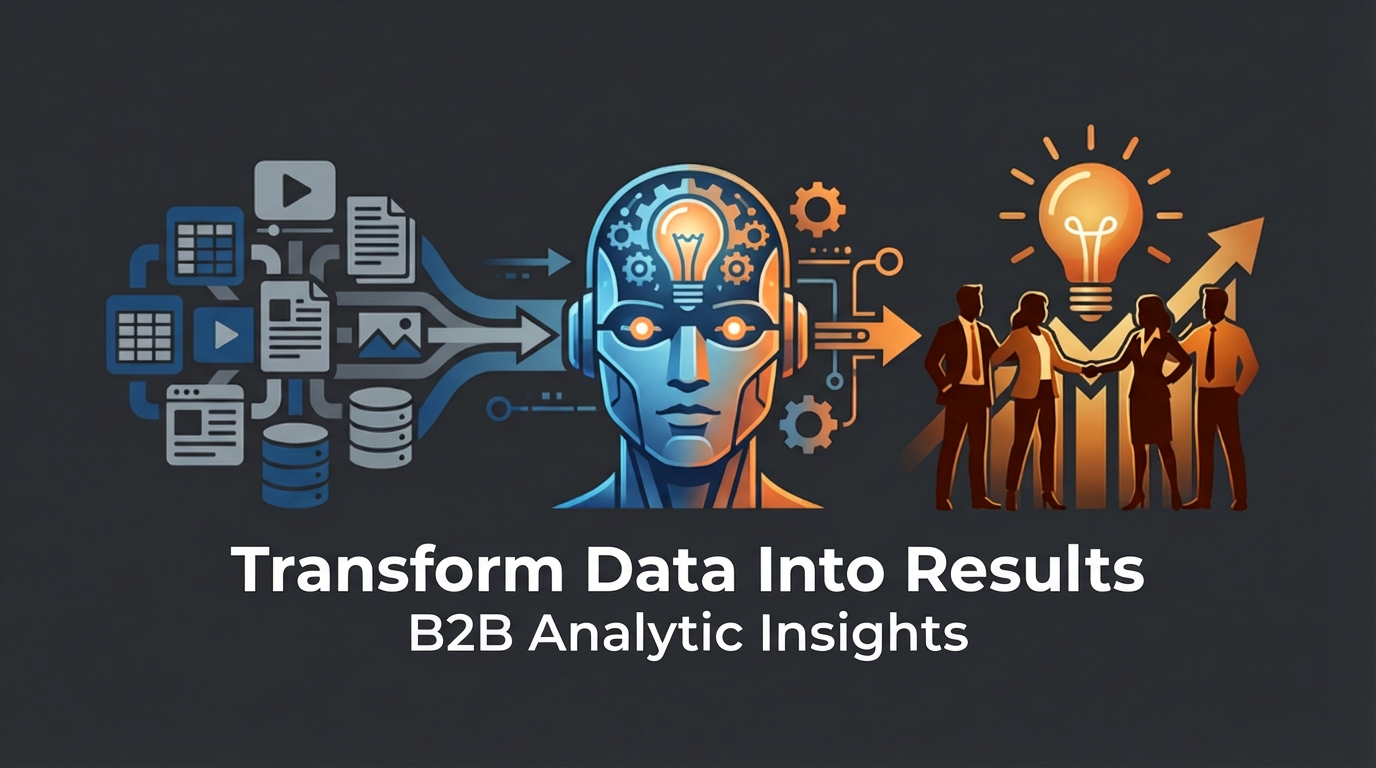

The commercial landscape shifts constantly. Credit professionals navigate this turbulence. Our job is to see the complete picture, not just the numbers. Financial statements offer a snapshot. They are critical, but incomplete. Real-time intelligence from news, legal filings, and behavioral signals completes the view.
We transform data into actionable results. We move beyond reactive analysis. We gain foresight. This allows us to make confident decisions. This article explores how to assemble this comprehensive understanding. We consider the implications for credit risk, supply chain intelligence, and decision intelligence.
The Evolving Risk Landscape
Credit risk is dynamic. Traditional models provide a baseline. They often miss subtle shifts. These shifts can precede significant financial distress. We need to anticipate, not just react.
Beyond Financial Ratios
Financial ratios offer a rearview mirror. Cash flow statements and balance sheets are fundamental. But they don’t capture emerging threats. A company’s public perception matters. Regulatory scrutiny impacts viability. Legal challenges consume resources.
Consider recent events. Meta Platforms faces escalating child safety issues. New Mexico’s AG seeks court orders. This follows a $375 million jury verdict. Meta even warns of a potential platform pullout. These are not line items on a balance sheet. They are existential threats. They directly impact future earnings. They influence operational stability. They affect brand reputation. An enterprise dealing with such challenges may see its creditworthiness change drastically.
Understanding Reputational Erosion
Reputation is a core asset. Erosion impacts customer trust. It deters potential partners. It can lead to boycotts. Alex Jones and Infowars provide a stark example. The platform ceased broadcasting. Their HQ is shuttered. This wasn’t due to poor financials alone. It was a culmination of legal judgments and public outcry. The impact was total. For a credit professional, observing such a decline in public standing is a critical early warning.
Supply Chain Resiliency and Behavioral Signals
Supply chains are intricate networks. Vulnerabilities often reside in unexpected places. Understanding partner health is paramount. Behavioral signals offer crucial insights into operational health.
Mapping Indirect Impacts
A vendor’s legal troubles can ripple. Even if they are not a direct credit exposure, their stability affects your operations. Elon Musk’s legal battles around Twitter highlight this. A jury found he misled investors. This concerned bot accounts pre-acquisition. Such legal entanglements distract leadership. They divert capital. They can signal broader operational issues within the acquiring entity. For a critical supplier, this could mean delivery delays. It could mean quality degradation. It could mean a sudden increase in costs.
Supply chain intelligence requires looking beyond direct contracts. It means assessing the health of the entire ecosystem. This includes sub-suppliers and even market influencers.
Geopolitical and Regulatory Pressure
Geopolitical events shape markets. Regulatory actions define boundaries. Live Nation and Ticketmaster faced a federal jury ruling. They were held liable for monopoly practices. This is a landmark decision. It points to increased regulatory scrutiny. For any business reliant on specific market structures, such rulings are significant. They can force operational changes. They can alter revenue models. Our supply chain partners might be exposed to similar pressures. We need to identify these vulnerabilities.
Decision Intelligence: A Holistic View
We aim for superior decision making. This requires a holistic view. Merging disparate data points creates this view. This is how we move from data to insight.
From Descriptive to Prescriptive Analytics
Descriptive analytics tells us what happened. Diagnostics explain why. Predictive analytics forecast what might happen. Prescriptive analytics recommends actions. Our goal is to reach prescriptive insights. We want to know not just what is coming, but what to do about it.
Consider the JPMorgan Chase filing. They admitted closing Trump-tied accounts post-Jan. 6. This occurred in the context of a $5 billion lawsuit. This is a behavioral signal. It reflects a shift in risk appetite. It shows a response to reputational and regulatory pressures. For other financial institutions, this provides diagnostic information. It helps understand evolving compliance standards. It offers prescriptive input on managing politically exposed persons (PEPs) or high-profile accounts.
AI-Driven Analytics: Beyond Human Scale
We collect vast amounts of information. Manually processing news, legal documents, and social sentiment is impossible. AI-driven analytics offers the solution. It extracts meaningful signals from noise. It identifies patterns human analysts might miss.
Imagine thousands of commercial entities. Each generates a constant stream of information. AI sifts through this. It flags relevant legal updates. It identifies emerging news narratives. It tracks key behavioral indicators. This is not about replacing human judgment. It’s about augmenting it. It provides the most relevant context, fast.
The Role of Legal Filings
Legal filings are often overlooked. They are a rich source of forward-looking intelligence. They reveal intentions. They expose disputes. They signal financial distress.
Early Warning Indicators
Lawsuits are not always about immediate judgment. Often, they signal deeper issues. A company facing multiple small claims could indicate operational sloppiness. A large class-action suit suggests systemic problems.
Databricks faces a copyright claim. Authors allege their LLM was trained on their data. The judge seeks more information. This could lead to major damages. This type of intellectual property dispute is a critical risk factor. It directly impacts the financial health of the involved parties. It also sets precedents. These precedents could affect an entire industry. We must monitor these cases. Their outcomes can redefine market competition and liability.
Transparency Through Litigation
Litigation forces disclosure. Companies reveal internal processes. They detail financial situations. Depositions and exhibits often contain information unavailable elsewhere. This transparency is invaluable for credit assessment. It provides a granular view of operations and leadership decisions.
For example, the Meta Platforms situation with researcher documents. The documentation of 500,000 daily child sexual exploitation cases is deeply concerning. This information surfaces through legal and regulatory pressures. It paints a picture of systemic issues. It reveals the true cost of their operational model. This type of legal disclosure offers unparalleled insight.
Behavioral Signals: Unstructured Data’s Power
Behavioral signals are the pulse of an organization. They are often unstructured. They are found in diverse sources. News articles, social media, analyst reports.
Identifying Leadership Risk
Leadership behavior is critical. Elon Musk’s public persona and legal challenges are behavioral signals. They reflect a willingness to take risks. They show a capacity for controversy. This impacts market confidence. It affects enterprise stability. A leader’s actions directly influence a company’s prospects.
Two families sue Meta over teen sons’ suicides from sextortion schemes. This illustrates extreme behavioral outcomes. It highlights the devastating impact of platform design and moderation failures. These are not abstract risks. They are human tragedies with vast financial and legal implications. Understanding that leadership behavior and company culture can enable such outcomes is vital.
Market Sentiment and Investor Confidence
Market sentiment is a powerful force. News cycles drive it. Public opinion shapes it. Behavioral signals capture this sentiment. A positive or negative shift can impact stock prices. It can affect access to capital. It can influence customer acquisition.
Our systems continuously process this data. They identify trends. They flag anomalies. This information is combined with traditional financial data. This integrated approach gives us a truly comprehensive view. We understand the emotional and rational drivers of market perception.
Assembling the Picture in Real Time
Our intelligence systems are designed for real-time assembly. We don’t wait for quarterly reports. We monitor thousands of sources continuously.
The Analytics Pipeline
This involves a sophisticated analytics pipeline.
First, data acquisition: ingesting news, legal filings, regulatory releases.
Second, natural language processing: extracting entities, events, relationships.
Third, risk scoring and pattern detection: identifying anomalies, tracking trends.
Fourth, expert review: human analysts validate and interpret insights.
This pipeline transforms raw data into decision-ready insights. It reduces the time to discovery. It enables proactive intervention.
Proactive Stance
We are credit professionals. Our mandate is to mitigate risk and seize opportunities. This real-time intelligence empowers us to do both. It allows us to monitor our portfolios with greater precision. We can identify early signs of stress. We can also spot partners exhibiting strong, positive momentum. This proactive stance is essential in today’s volatile environment.
The blend of structured and unstructured data, analyzed by advanced AI, delivers unmatched clarity. We see the full picture. We transform information into results. We make informed decisions with confidence. This is how we lead. This is how we collaborate effectively, armed with the most current insights. We turn data into definitive action.