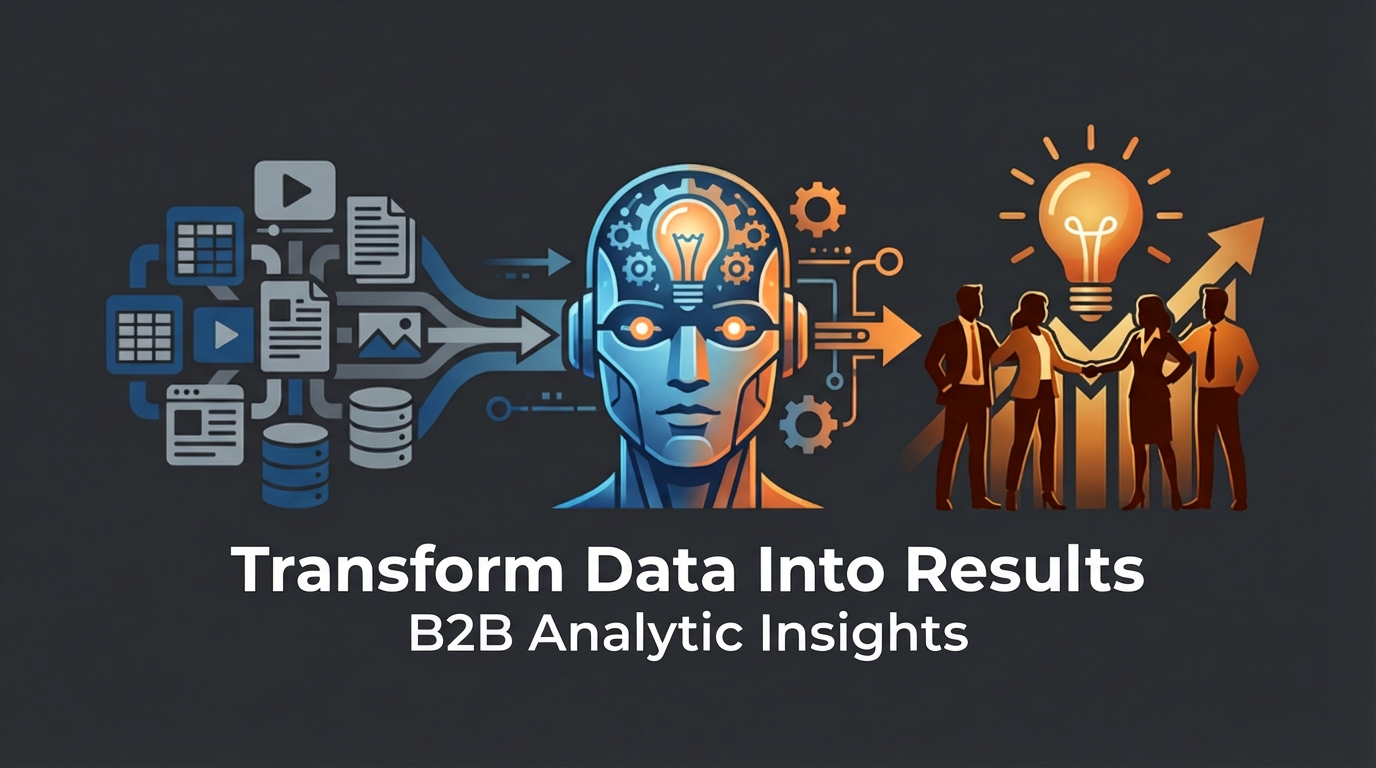

Payment analytics and portfolio management are essential elements of a company’s financial strategy. Payment analytics utilizes data and statistical analysis to extract insights about payment trends, customer behavior, and financial performance. These insights inform decisions regarding payment processing, risk management, and customer engagement.
Portfolio management involves strategically overseeing a company’s financial assets, including investments, loans, and other financial products, with the goal of optimizing returns and minimizing risks. The digital era has led to a significant increase in the volume and variety of payment data available to businesses. This has given rise to the importance of big data in payment analytics.
Big data encompasses the vast amount of structured and unstructured information generated by businesses daily. By leveraging big data, companies can gain more comprehensive insights into customer behavior, market trends, and financial performance. This enhanced understanding enables more informed decision-making in areas such as payment processing, risk management, and portfolio optimization.
Key Takeaways
- Payment analytics and portfolio management are essential for understanding and optimizing commercial payment data.
- Big data plays a crucial role in payment analytics, providing valuable insights and opportunities for portfolio optimization.
- Leveraging alternative commercial payment data can enhance portfolio management and provide a more comprehensive view of customer behavior.
- Data quality is of utmost importance in payment analytics, as accurate and reliable data is essential for making informed decisions.
- Analytics can be used to identify trends and patterns in commercial payment data, allowing for better understanding and prediction of customer behavior.
The Role of Big Data in Payment Analytics
Unlocking Insights with Advanced Analytics
With the help of advanced analytics tools, businesses can analyze large volumes of payment data to identify patterns, trends, and anomalies that may impact their financial performance. For instance, businesses can use big data to identify customer spending patterns, detect fraudulent transactions, and optimize their payment processing strategies.
Gaining a Deeper Understanding of Customer Preferences
Big data enables businesses to gain a deeper understanding of customer preferences and behavior. By analyzing large volumes of payment data, businesses can identify trends and patterns that may indicate changes in customer behavior or market dynamics. This information can then be used to tailor payment processing strategies to better meet customer needs and preferences.
Identifying New Market Opportunities
Additionally, big data can help businesses identify new market opportunities and develop innovative payment products and services to meet evolving customer demands.
Leveraging Alternative Commercial Payment Data for Portfolio Optimization

In addition to traditional payment data, businesses can also leverage alternative commercial payment data to optimize their portfolio management strategies. Alternative commercial payment data refers to non-traditional sources of payment information, such as purchase transactions, invoice payments, and supply chain finance data. By analyzing this alternative payment data, businesses can gain valuable insights into their customers’ financial health, creditworthiness, and payment behavior.
For example, businesses can use alternative commercial payment data to assess the credit risk of their customers and suppliers. By analyzing their payment behavior and financial transactions, businesses can identify potential credit risks and take proactive measures to mitigate them. Additionally, alternative commercial payment data can provide businesses with a more comprehensive view of their customers’ financial health, allowing them to make more informed decisions about credit extensions and portfolio management.
The Importance of Data Quality in Payment Analytics
One of the key challenges in payment analytics is ensuring the quality and accuracy of the data being analyzed. Poor data quality can lead to inaccurate insights and flawed decision-making, which can have serious implications for a business’s financial performance. Therefore, it is crucial for businesses to invest in robust data quality management processes to ensure the accuracy and reliability of their payment data.
Data quality management involves the implementation of processes and technologies to ensure that payment data is accurate, complete, and consistent. This includes data validation, cleansing, and enrichment processes to identify and correct errors, inconsistencies, and missing information in the payment data. By ensuring the quality of their payment data, businesses can make more informed decisions about payment processing, risk management, and portfolio optimization.
Furthermore, high-quality payment data is essential for the successful implementation of advanced analytics techniques, such as machine learning and predictive modeling. These techniques rely on accurate and reliable data to generate meaningful insights and predictions. Therefore, businesses must prioritize data quality management to maximize the value of their payment analytics efforts.
Using Analytics to Identify Trends and Patterns in Commercial Payment Data
Analytics plays a crucial role in identifying trends and patterns in commercial payment data that can inform business decision-making. By leveraging advanced analytics techniques, businesses can uncover valuable insights into customer behavior, market trends, and financial performance. For example, businesses can use predictive analytics to forecast customer spending patterns and identify potential risks or opportunities in their payment processing strategies.
Furthermore, analytics can help businesses detect anomalies and fraudulent activities in their payment data. By applying anomaly detection algorithms to their payment data, businesses can identify unusual patterns or behaviors that may indicate fraudulent transactions or operational issues. This allows businesses to take proactive measures to mitigate risks and protect their financial assets.
Additionally, analytics can help businesses identify new market opportunities and develop innovative payment products and services. By analyzing commercial payment data, businesses can uncover unmet customer needs or emerging market trends that can inform the development of new payment solutions. This allows businesses to stay ahead of the competition and better meet the evolving needs of their customers.
The Impact of Alternative Payment Data on Portfolio Management Strategies

Enhancing Creditworthiness Assessment
The use of alternative payment data has a significant impact on portfolio management strategies by providing businesses with a more comprehensive view of their customers’ financial health and creditworthiness. Traditional credit scoring models often rely on limited financial information, such as credit history and income levels. However, alternative payment data provides businesses with a more holistic view of their customers’ financial behavior and performance.
Informed Decision-Making with Alternative Payment Data
By leveraging alternative payment data, businesses can gain insights into their customers’ payment behavior, cash flow patterns, and financial stability. This allows them to make more informed decisions about credit extensions, risk management, and portfolio optimization. For example, businesses can use alternative payment data to identify low-risk customers who may have been overlooked by traditional credit scoring models.
Proactive Risk Management and Mitigation
Furthermore, alternative payment data can help businesses identify potential credit risks and take proactive measures to mitigate them. By analyzing their customers’ payment behavior and financial transactions, businesses can identify early warning signs of credit risk and implement risk mitigation strategies. This allows businesses to minimize losses and optimize their portfolio management strategies.
Best Practices for Integrating Payment Analytics into Portfolio Management Processes
Integrating payment analytics into portfolio management processes requires a strategic approach that leverages advanced analytics techniques and robust data quality management practices. To effectively integrate payment analytics into portfolio management processes, businesses should consider the following best practices: 1. Invest in advanced analytics tools: Businesses should invest in advanced analytics tools that enable them to analyze large volumes of payment data and uncover valuable insights into customer behavior, market trends, and financial performance.
2. Prioritize data quality management: Businesses should prioritize data quality management processes to ensure the accuracy and reliability of their payment data. This includes implementing data validation, cleansing, and enrichment processes to identify and correct errors, inconsistencies, and missing information in the payment data.
3. Leverage alternative commercial payment data: Businesses should leverage alternative commercial payment data to gain a more comprehensive view of their customers’ financial health and creditworthiness. This includes analyzing non-traditional sources of payment information, such as purchase transactions, invoice payments, and supply chain finance data.
4. Use analytics to identify trends and patterns: Businesses should use advanced analytics techniques to identify trends and patterns in commercial payment data that can inform business decision-making. This includes leveraging predictive analytics to forecast customer spending patterns and detect anomalies or fraudulent activities in the payment data.
5. Incorporate alternative payment data into portfolio management strategies: Businesses should incorporate alternative payment data into their portfolio management strategies to optimize their credit extensions, risk management, and customer engagement efforts. By following these best practices, businesses can effectively integrate payment analytics into their portfolio management processes and gain valuable insights into customer behavior, market trends, and financial performance.
This allows them to make more informed decisions about credit extensions, risk management, and portfolio optimization.
FAQs
What is payment analytics?
Payment analytics is the process of analyzing payment data to gain insights into customer behavior, financial trends, and business performance. It involves using data from various payment sources to make informed decisions and optimize portfolio management.
What is alternative commercial payment data?
Alternative commercial payment data refers to non-traditional sources of payment information, such as electronic payments, ACH transfers, and virtual card transactions. This data provides a more comprehensive view of a company’s financial health and can be used to supplement traditional credit data.
How can alternative commercial payment data optimize portfolio management?
Alternative commercial payment data can optimize portfolio management by providing a more complete and accurate picture of a company’s financial behavior. This data can help identify potential risks, improve credit decision-making, and enhance portfolio performance.
What are the benefits of using payment analytics in portfolio management?
Some benefits of using payment analytics in portfolio management include improved risk assessment, better credit decision-making, enhanced portfolio performance, and a more comprehensive understanding of customer behavior and financial trends.
What are some common challenges associated with payment analytics in portfolio management?
Common challenges associated with payment analytics in portfolio management include data integration and aggregation, data quality and accuracy, regulatory compliance, and the need for advanced analytics tools and expertise.