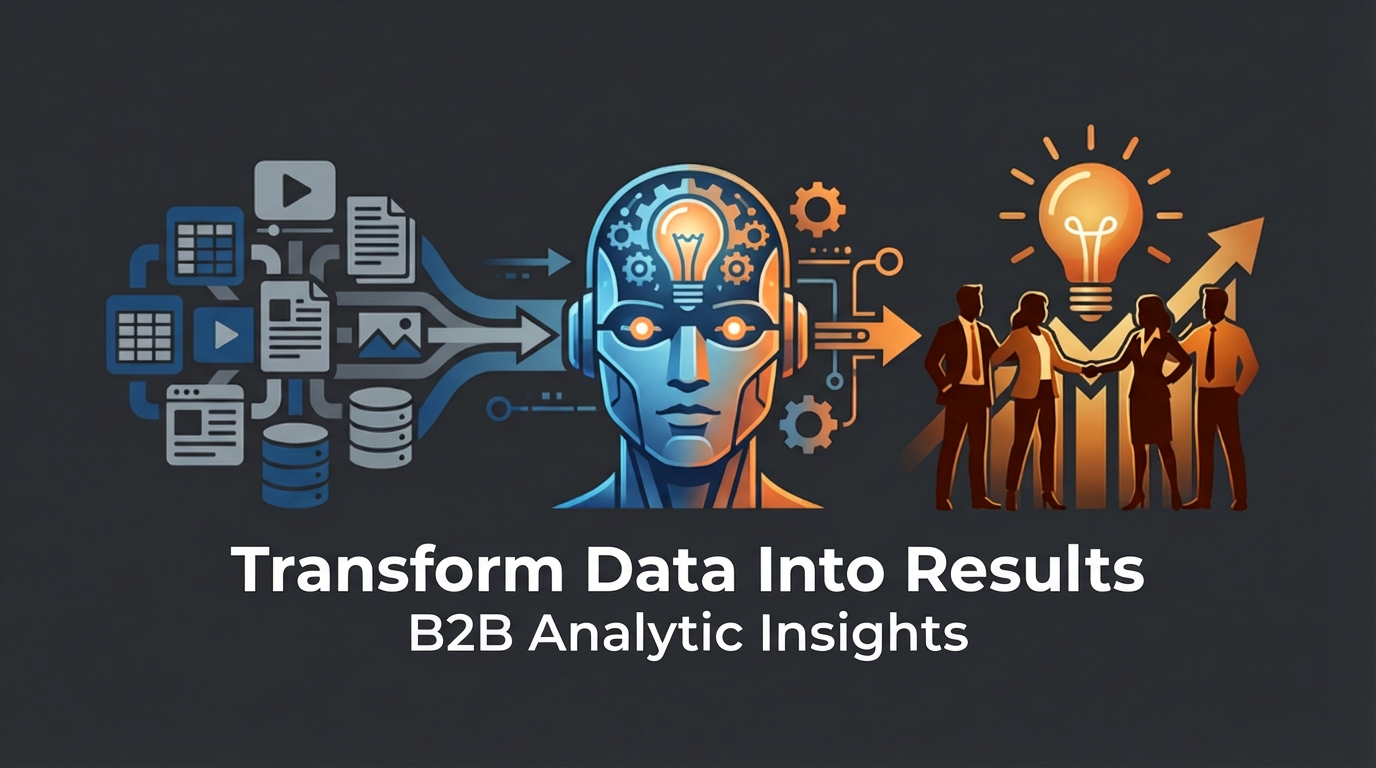

Artificial Intelligence (AI) has become a game-changer in the finance industry, revolutionizing the way financial institutions operate and make decisions. AI technologies, such as machine learning and natural language processing, have the ability to analyze vast amounts of data, identify patterns, and make predictions with a level of accuracy and efficiency that was previously unimaginable. This has led to significant improvements in various areas of finance, including commercial credit, collections prioritization, loss forecasting, cash forecasting, risk assessment, fraud detection, investment management, and customer service.
The importance of AI in finance cannot be overstated. It has the potential to improve efficiency by automating repetitive tasks and streamlining processes. AI can also enhance accuracy by eliminating human errors and biases. Furthermore, AI can provide valuable insights and predictions that can aid in decision-making and ultimately lead to better outcomes. As the finance industry becomes increasingly complex and data-driven, AI is becoming an indispensable tool for financial institutions to stay competitive and meet the evolving needs of their customers.
Key Takeaways
- AI is revolutionizing the finance industry by improving efficiency and accuracy in various areas.
- Commercial credit is being transformed by AI, allowing for faster and more accurate credit decisions.
- Collections prioritization is being optimized with AI, leading to increased recovery rates.
- Loss forecasting is becoming more accurate with AI, allowing for better risk management.
- Cash forecasting is being improved with AI, helping companies manage liquidity more effectively.
Commercial Credit: How AI is Changing the Game
One area where AI is making a significant impact is commercial credit underwriting. Traditionally, underwriting commercial loans involved manual processes that were time-consuming and prone to errors. However, with the advent of AI, financial institutions can now leverage advanced algorithms to analyze large volumes of data and assess creditworthiness more accurately and efficiently.
AI algorithms can analyze a wide range of data points, including financial statements, credit scores, payment histories, industry trends, and macroeconomic indicators. By considering these factors holistically, AI can provide a more comprehensive assessment of credit risk compared to traditional methods. This not only reduces the risk of default but also improves loan approval rates by identifying creditworthy borrowers who may have been overlooked using traditional underwriting methods.
Several companies are already using AI in commercial credit underwriting with great success. For example, ZestFinance, a fintech company, uses machine learning algorithms to analyze alternative data sources and provide credit scores for borrowers with limited credit histories. This allows lenders to make more informed lending decisions and extend credit to underserved populations.
Collections Prioritization: Maximizing Recovery with AI
Another area where AI is transforming the finance industry is collections prioritization. Traditionally, collections teams would manually prioritize delinquent accounts based on factors such as the amount owed, the age of the debt, and the likelihood of recovery. However, this approach often led to suboptimal results, with valuable resources being wasted on low-value accounts.
AI can significantly improve collections prioritization by analyzing historical data and identifying patterns that indicate the likelihood of recovery. By considering factors such as payment history, customer behavior, and external economic indicators, AI algorithms can predict which accounts are most likely to be recovered and prioritize them accordingly. This not only improves recovery rates but also reduces costs by directing resources towards high-value accounts.
Companies like Experian are using AI in collections prioritization to great effect. Experian’s Collections Optimization solution uses machine learning algorithms to analyze customer data and predict the likelihood of payment. This allows collections teams to focus their efforts on accounts that are most likely to result in successful recoveries.
Loss Forecasting: Accurate Predictions with AI
| Metrics | Description |
|---|---|
| Mean Absolute Error (MAE) | The average absolute difference between the predicted and actual loss values. |
| Root Mean Squared Error (RMSE) | The square root of the average of the squared differences between the predicted and actual loss values. |
| R-squared (R2) | A statistical measure that represents the proportion of the variance in the loss values that can be explained by the model. |
| Accuracy | The percentage of correctly predicted loss values. |
| Precision | The percentage of predicted loss values that are actually true positives. |
| Recall | The percentage of true positive loss values that are correctly predicted. |
Loss forecasting is another area where AI is making a significant impact in the finance industry. Traditionally, financial institutions relied on historical data and statistical models to predict potential losses. However, these methods often failed to capture complex relationships and dynamic market conditions accurately.
AI can improve loss forecasting by leveraging advanced algorithms that can analyze vast amounts of data and identify patterns that may not be apparent to human analysts. By considering factors such as historical loss rates, macroeconomic indicators, market trends, and customer behavior, AI algorithms can provide more accurate predictions of potential losses. This allows financial institutions to better manage their risk exposure and make more informed decisions.
Companies like Moody’s Analytics are using AI in loss forecasting to enhance their risk management capabilities. Moody’s RiskCalc solution uses machine learning algorithms to analyze financial data and predict the probability of default for individual borrowers. This allows financial institutions to assess credit risk more accurately and adjust their lending practices accordingly.
Cash Forecasting: Managing Liquidity with AI
Cash forecasting is another area where AI is transforming the finance industry. Traditionally, cash forecasting involved manual processes that were time-consuming and prone to errors. However, with the advent of AI, financial institutions can now leverage advanced algorithms to analyze historical data, market trends, and customer behavior to predict future cash flows more accurately.
AI algorithms can analyze a wide range of data sources, including transaction data, customer payment histories, market data, and macroeconomic indicators. By considering these factors holistically, AI can provide more accurate predictions of future cash flows, allowing financial institutions to optimize their cash management strategies and ensure they have sufficient liquidity to meet their obligations.
Companies like Kyriba are using AI in cash forecasting to great effect. Kyriba’s Cash Forecasting solution uses machine learning algorithms to analyze historical data and predict future cash flows with a high degree of accuracy. This allows financial institutions to optimize their working capital management and reduce the risk of liquidity shortfalls.
Risk Assessment: AI’s Impact on Credit Risk Analysis

Credit risk analysis is another area where AI is revolutionizing the finance industry. Traditionally, credit risk analysis involved manual processes that were time-consuming and prone to errors. However, with the advent of AI, financial institutions can now leverage advanced algorithms to analyze vast amounts of data and assess creditworthiness more accurately and efficiently.
AI algorithms can analyze a wide range of data points, including financial statements, credit scores, payment histories, industry trends, and macroeconomic indicators. By considering these factors holistically, AI can provide a more comprehensive assessment of credit risk compared to traditional methods. This not only improves the accuracy of credit risk analysis but also reduces the risk of default and improves loan approval rates.
Companies like CreditVidya are using AI in credit risk analysis to great effect. CreditVidya’s AI-powered platform analyzes alternative data sources, such as social media profiles and mobile phone usage patterns, to assess creditworthiness. This allows lenders to make more informed lending decisions and extend credit to underserved populations.
Fraud Detection: Enhancing Security with AI
Fraud detection is another area where AI is transforming the finance industry. Traditionally, fraud detection involved manual processes that were time-consuming and often ineffective at identifying fraudulent activities. However, with the advent of AI, financial institutions can now leverage advanced algorithms to analyze vast amounts of data and identify patterns that indicate potential fraud.
AI algorithms can analyze a wide range of data sources, including transaction data, customer behavior, and external data feeds, to identify suspicious activities. By considering these factors holistically, AI can provide more accurate predictions of potential fraud and alert financial institutions in real-time. This allows them to take immediate action to prevent fraudulent activities and protect their customers’ assets.
Companies like Feedzai are using AI in fraud detection to great effect. Feedzai’s Fraud Prevention solution uses machine learning algorithms to analyze transaction data and identify patterns that indicate potential fraud. This allows financial institutions to detect and prevent fraudulent activities before they cause significant damage.
Investment Management: AI’s Role in Portfolio Optimization
Investment management is another area where AI is making a significant impact in the finance industry. Traditionally, investment management involved manual processes that were time-consuming and often subjective. However, with the advent of AI, financial institutions can now leverage advanced algorithms to analyze vast amounts of data and optimize their investment portfolios.
AI algorithms can analyze a wide range of data sources, including market data, company financials, and macroeconomic indicators, to identify investment opportunities and optimize portfolio allocation. By considering these factors holistically, AI can provide more accurate predictions of future market trends and make informed investment decisions. This allows financial institutions to improve portfolio performance and deliver better returns to their clients.
Companies like BlackRock are using AI in investment management to great effect. BlackRock’s Aladdin platform uses machine learning algorithms to analyze market data and optimize portfolio allocation. This allows financial institutions to make more informed investment decisions and deliver better outcomes for their clients.
Customer Service: Improving the Experience with AI
Customer service is another area where AI is transforming the finance industry. Traditionally, customer service involved manual processes that were time-consuming and often frustrating for customers. However, with the advent of AI, financial institutions can now leverage advanced algorithms to automate customer interactions and provide personalized experiences.
AI-powered chatbots can interact with customers in real-time, answer their questions, and provide assistance with various financial services. By leveraging natural language processing and machine learning algorithms, chatbots can understand customer queries and provide accurate responses. This not only improves the customer experience but also reduces costs by automating repetitive tasks.
Companies like Bank of America are using AI in customer service to great effect. Bank of America’s virtual assistant, Erica, uses natural language processing and machine learning algorithms to interact with customers and provide personalized financial advice. This allows customers to access information and complete transactions quickly and efficiently.
The Future of Finance: AI’s Potential for Transforming the Industry
The future of finance is undoubtedly intertwined with AI. As technology continues to advance, AI will play an increasingly important role in transforming the finance industry. The potential applications of AI in finance are vast, ranging from risk management and fraud detection to investment management and customer service.
In the coming years, we can expect AI to become even more sophisticated and capable of handling complex financial tasks. AI algorithms will continue to improve in accuracy and efficiency, allowing financial institutions to make better decisions and deliver better outcomes for their clients. Furthermore, AI will enable financial institutions to leverage big data and advanced analytics to gain valuable insights and identify new opportunities.
However, the rise of AI in finance also raises important questions about the future of finance professionals. As AI continues to automate repetitive tasks and streamline processes, the role of finance professionals may evolve. While some tasks may be automated, there will always be a need for human expertise in areas such as strategy, decision-making, and relationship management.
In conclusion, AI is transforming the finance industry in numerous ways. From commercial credit underwriting to collections prioritization, loss forecasting to cash forecasting, risk assessment to fraud detection, investment management to customer service, AI is revolutionizing the way financial institutions operate and make decisions. The benefits of AI in finance are clear – improved efficiency, accuracy, and decision-making.
Finance professionals must embrace AI and stay ahead of the curve to remain competitive in the rapidly evolving industry. By leveraging AI technologies, financial institutions can enhance their operations, improve customer experiences, and deliver better outcomes for their clients. The future of finance is undoubtedly intertwined with AI, and those who embrace it will be well-positioned to thrive in the digital age.