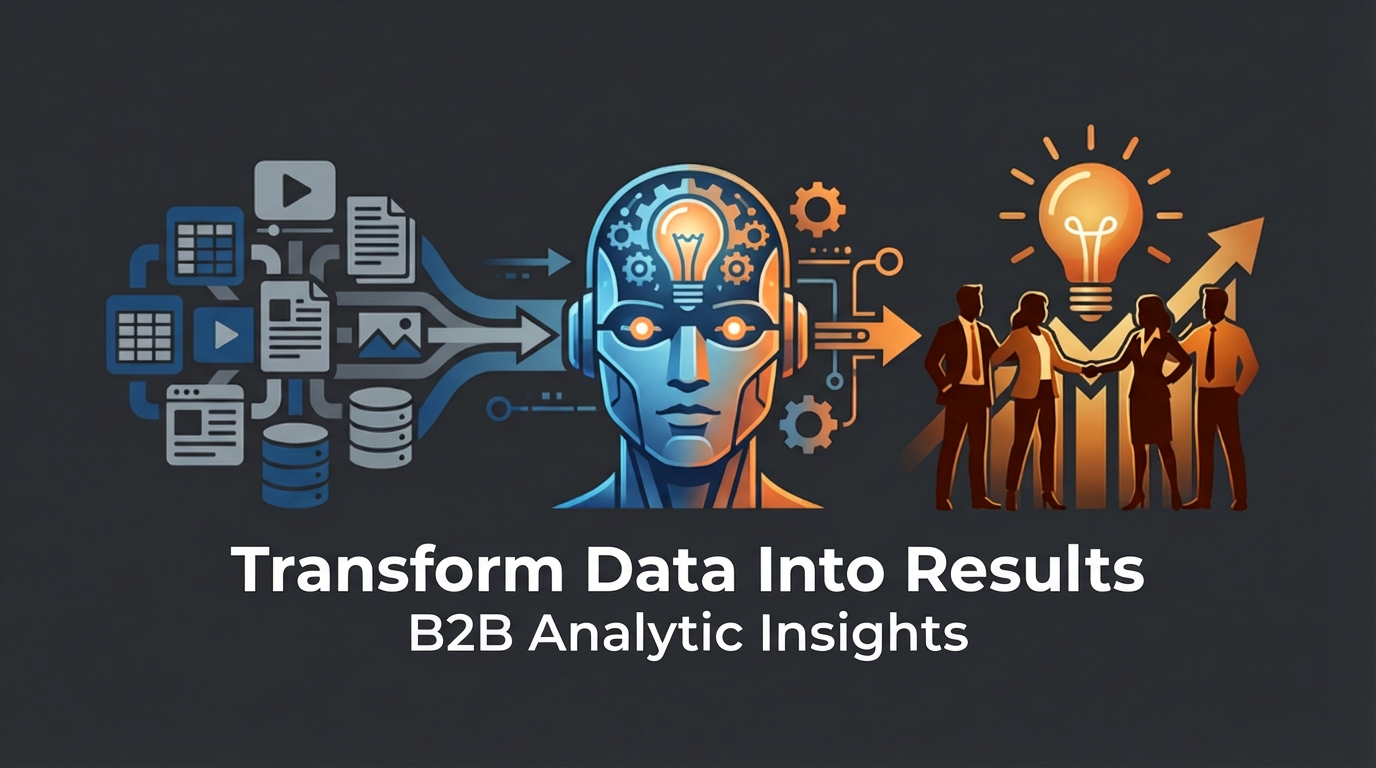

Artificial Intelligence (AI) has become a game-changer in various industries, and the financial sector is no exception. AI refers to the simulation of human intelligence in machines that are programmed to think and learn like humans. In finance, AI is being used to automate and improve various processes, leading to increased efficiency and accuracy. From commercial credit to collections prioritization, loss forecasting, and cash forecasting, AI is revolutionizing the way financial institutions operate.
The importance of AI in finance cannot be overstated. With the increasing complexity of financial processes and the need for real-time decision-making, AI provides a solution that can handle large volumes of data and make accurate predictions. By leveraging machine learning algorithms, AI systems can analyze vast amounts of data, identify patterns, and make informed decisions. This not only saves time but also reduces the risk of human error.
Key Takeaways
- AI is revolutionizing the finance industry, particularly in commercial credit, collections prioritization, loss forecasting, and cash forecasting.
- AI can help financial institutions prioritize collections more effectively by analyzing data and identifying high-risk accounts.
- AI can also improve loss forecasting by analyzing historical data and identifying patterns and trends that humans may miss.
- Cash forecasting with AI can provide more accurate predictions, allowing financial institutions to make better decisions and reduce risk.
- The future of commercial credit with AI looks promising, with more institutions adopting the technology to improve their processes and stay competitive.
Commercial Credit and AI
Commercial credit plays a crucial role in the financial industry as it allows businesses to access funds for their operations and growth. Traditionally, the commercial credit process has been manual and time-consuming, involving extensive paperwork and manual analysis of financial statements. However, with the advent of AI, this process is being transformed.
AI-powered commercial credit solutions are automating the credit evaluation process by analyzing vast amounts of data from various sources such as financial statements, credit reports, and market trends. Machine learning algorithms can quickly assess the creditworthiness of a business by analyzing its financial health, industry performance, and market conditions. This not only speeds up the credit evaluation process but also improves accuracy by eliminating human bias.
Examples of AI-powered commercial credit solutions include platforms that use natural language processing (NLP) to extract relevant information from financial statements and credit reports. These platforms can analyze the extracted data to generate credit scores and risk assessments in real-time. By automating the credit evaluation process, financial institutions can make faster lending decisions, reduce the risk of defaults, and improve overall efficiency.
How AI is Revolutionizing Collections Prioritization
Collections prioritization is a critical process for financial institutions as it involves identifying and prioritizing delinquent accounts for collection efforts. Traditionally, collections prioritization has relied on manual analysis of customer data and historical payment patterns. However, this approach is often time-consuming and prone to human error.
AI is revolutionizing collections prioritization by leveraging data analysis and machine learning algorithms to predict the likelihood of payment from delinquent accounts. By analyzing historical payment patterns, customer behavior, and external factors such as economic indicators, AI systems can prioritize accounts based on their probability of repayment. This allows financial institutions to allocate their collection resources more effectively and improve overall recovery rates.
Real-life examples of AI-powered collections prioritization include platforms that use predictive analytics to identify high-risk accounts and recommend appropriate collection strategies. These platforms can analyze vast amounts of customer data to identify patterns and trends that indicate the likelihood of payment. By automating the collections prioritization process, financial institutions can improve their collection efforts, reduce costs, and increase recovery rates.
The Advantages of AI in Loss Forecasting
| Advantages of AI in Loss Forecasting |
|---|
| Improved accuracy |
| Reduced human error |
| Increased efficiency |
| Ability to analyze large amounts of data |
| Identification of patterns and trends |
| Real-time monitoring and alerts |
| Cost savings |
Loss forecasting is a crucial aspect of risk management for financial institutions. It involves predicting potential losses due to credit defaults, market fluctuations, or other factors. Traditionally, loss forecasting has relied on historical data and statistical models. However, these approaches often fail to capture complex patterns and emerging risks.
AI is enhancing loss forecasting accuracy and efficiency by leveraging machine learning algorithms to analyze vast amounts of data from various sources. By analyzing historical loss data, market trends, economic indicators, and other relevant factors, AI systems can make more accurate predictions about future losses. This allows financial institutions to better manage their risk exposure and make informed decisions.
Case studies of financial institutions using AI for loss forecasting have shown significant improvements in accuracy and efficiency. For example, a large bank implemented an AI-powered loss forecasting system that analyzed customer data, market trends, and economic indicators to predict potential losses. The system was able to identify emerging risks and provide early warnings, allowing the bank to take proactive measures to mitigate losses. As a result, the bank was able to reduce its overall risk exposure and improve its financial performance.
Cash Forecasting with AI: A Game Changer
Cash forecasting is a critical component of financial planning for businesses and financial institutions. It involves predicting future cash flows based on historical data, market trends, and other relevant factors. Traditionally, cash forecasting has relied on manual analysis and spreadsheet models, which are often time-consuming and prone to errors.
AI is revolutionizing cash forecasting by leveraging predictive analytics to analyze vast amounts of data and make accurate predictions about future cash flows. By analyzing historical cash flows, market trends, customer behavior, and other relevant factors, AI systems can generate accurate cash flow forecasts in real-time. This allows businesses and financial institutions to make informed decisions about their cash management strategies.
Real-life examples of AI-powered cash forecasting include platforms that use machine learning algorithms to analyze historical cash flow data and predict future cash flows. These platforms can take into account various factors such as sales trends, payment patterns, market conditions, and economic indicators to generate accurate cash flow forecasts. By automating the cash forecasting process, businesses and financial institutions can improve their financial planning, optimize their working capital management, and reduce the risk of cash shortages.
The Future of Commercial Credit with AI

The future of commercial credit with AI looks promising. As technology continues to advance, AI-powered commercial credit solutions will become more sophisticated and efficient. Financial institutions will be able to leverage AI to automate the credit evaluation process further, reduce the risk of defaults, and improve overall efficiency.
However, there are also potential challenges that financial institutions need to consider when adopting AI for commercial credit. One of the main challenges is data quality and availability. AI systems rely on vast amounts of data to make accurate predictions, and if the data is incomplete or inaccurate, it can lead to incorrect decisions. Financial institutions need to ensure that they have access to high-quality data and implement robust data governance processes.
Another challenge is the potential for bias in AI algorithms. AI systems learn from historical data, and if the data contains biases, the algorithms can perpetuate those biases. Financial institutions need to ensure that their AI systems are trained on unbiased data and regularly monitored for any biases that may arise.
To prepare for the future of commercial credit with AI, financial institutions need to invest in technology infrastructure, data management capabilities, and talent development. They need to develop a clear AI strategy and roadmap that aligns with their business objectives and regulatory requirements. By embracing AI, financial institutions can gain a competitive advantage, improve customer experience, and drive growth.
AI and Collections Prioritization: A Case Study
To illustrate the benefits of AI in collections prioritization, let’s consider a case study of a financial institution that implemented an AI-powered collections prioritization system.
The financial institution was struggling with a high volume of delinquent accounts and limited resources for collections efforts. The traditional approach to collections prioritization involved manual analysis of customer data and historical payment patterns, which was time-consuming and often resulted in suboptimal outcomes.
The financial institution decided to implement an AI-powered collections prioritization system that leveraged machine learning algorithms to predict the likelihood of payment from delinquent accounts. The system analyzed vast amounts of customer data, including payment history, demographics, and external factors such as economic indicators.
The AI system was able to identify patterns and trends that indicated the likelihood of payment from delinquent accounts. It assigned a priority score to each account based on its probability of repayment, allowing the financial institution to allocate its collection resources more effectively.
As a result of implementing the AI-powered collections prioritization system, the financial institution saw significant improvements in its collection efforts. The system was able to identify high-risk accounts and recommend appropriate collection strategies, leading to higher recovery rates and reduced costs.
The financial institution also benefited from the automation of the collections prioritization process, which saved time and reduced the risk of human error. The AI system was able to analyze vast amounts of data in real-time, allowing the financial institution to make faster and more informed decisions.
Overall, the implementation of AI in collections prioritization had a positive impact on the financial institution’s bottom line. It improved collection efficiency, reduced costs, and increased recovery rates. The financial institution was able to better manage its delinquent accounts and improve its overall financial performance.
The Benefits of AI in Loss Forecasting for Financial Institutions
The benefits of AI in loss forecasting for financial institutions are significant. By leveraging machine learning algorithms and predictive analytics, AI systems can analyze vast amounts of data and make accurate predictions about potential losses.
One of the main benefits of AI in loss forecasting is improved accuracy. Traditional loss forecasting models rely on historical data and statistical models, which may not capture complex patterns and emerging risks. AI systems can analyze a wide range of data sources, including customer data, market trends, economic indicators, and other relevant factors. This allows them to make more accurate predictions about potential losses and identify emerging risks.
Another benefit of AI in loss forecasting is increased efficiency. AI systems can analyze large volumes of data in real-time, allowing financial institutions to make faster and more informed decisions. This saves time and reduces the risk of human error associated with manual analysis.
AI also enables financial institutions to take a proactive approach to risk management. By identifying emerging risks and providing early warnings, AI systems allow financial institutions to mitigate potential losses before they occur. This improves overall risk management and helps financial institutions stay ahead of the curve.
Real-life examples of financial institutions using AI for loss forecasting have shown significant improvements in accuracy and efficiency. For example, a large insurance company implemented an AI-powered loss forecasting system that analyzed customer data, market trends, and economic indicators to predict potential losses. The system was able to identify emerging risks and provide early warnings, allowing the insurance company to take proactive measures to mitigate losses. As a result, the company was able to reduce its overall risk exposure and improve its financial performance.
However, there are also potential challenges and limitations of AI in loss forecasting that financial institutions need to consider. One challenge is the availability and quality of data. AI systems rely on vast amounts of data to make accurate predictions, and if the data is incomplete or inaccurate, it can lead to incorrect decisions. Financial institutions need to ensure that they have access to high-quality data and implement robust data governance processes.
Another challenge is the potential for bias in AI algorithms. AI systems learn from historical data, and if the data contains biases, the algorithms can perpetuate those biases. Financial institutions need to ensure that their AI systems are trained on unbiased data and regularly monitored for any biases that may arise.
Despite these challenges, the benefits of AI in loss forecasting for financial institutions outweigh the potential limitations. By leveraging AI, financial institutions can improve their risk management capabilities, make more informed decisions, and improve their overall financial performance.
Implementing AI for Cash Forecasting: Best Practices
Implementing AI for cash forecasting requires careful planning and consideration. Financial institutions need to follow best practices to ensure a successful implementation and maximize the benefits of AI in cash forecasting.
One best practice is to start with a clear understanding of the business objectives and requirements. Financial institutions need to define their cash forecasting goals and identify the key metrics they want to track. This will help them determine the scope of the AI implementation and select the appropriate technology solutions.
Another best practice is to invest in technology infrastructure and data management capabilities. AI systems require robust technology infrastructure to handle large volumes of data and perform complex calculations. Financial institutions need to ensure that they have the necessary hardware, software, and network infrastructure to support their AI initiatives.
Data management is also crucial for successful AI implementation. Financial institutions need to ensure that they have access to high-quality data and implement robust data governance processes. This includes data cleansing, data integration, and data validation to ensure the accuracy and reliability of the data used for cash forecasting.
Financial institutions should also consider the talent required for AI implementation. AI systems require skilled professionals who can develop and maintain the AI models, analyze the results, and make informed decisions based on the insights generated by the AI system. Financial institutions need to invest in talent development and training programs to build a team of AI experts.
Finally, financial institutions should adopt a phased approach to AI implementation. Instead of trying to implement AI for cash forecasting across the entire organization at once, it is advisable to start with a pilot project or a specific business unit. This allows financial institutions to test the technology, identify any challenges or limitations, and make necessary adjustments before scaling up.
Real-life examples of successful AI-powered cash forecasting implementations can provide valuable insights and best practices for financial institutions. For example, a multinational corporation implemented an AI-powered cash forecasting system that analyzed historical cash flow data, market trends, and economic indicators to predict future cash flows. The system was able to generate accurate cash flow forecasts in real-time, allowing the corporation to make informed decisions about its cash management strategies.
By following these best practices, financial institutions can successfully implement AI for cash forecasting and unlock the full potential of predictive analytics in their financial planning processes.
The Power of AI in Finance
In conclusion, AI has become a powerful tool in finance, revolutionizing various processes such as commercial credit, collections prioritization, loss forecasting, and cash forecasting. By leveraging machine learning algorithms and predictive analytics, AI systems can analyze vast amounts of data and make accurate predictions, leading to increased efficiency and accuracy.
The benefits of AI in finance are significant. AI improves efficiency by automating manual processes, reduces the risk of human error, and enables faster decision-making. It also improves accuracy by analyzing complex patterns and emerging risks that traditional models may miss. AI allows financial institutions to take a proactive approach to risk management, identify opportunities for growth, and optimize their financial performance.
Financial institutions need to embrace AI and invest in technology infrastructure, data management capabilities, and talent development to fully leverage the power of AI in finance. By doing so, they can gain a competitive advantage, improve customer experience, and drive growth in an increasingly complex and dynamic financial landscape.
The future of AI in finance looks promising. As technology continues to advance, AI-powered solutions will become more sophisticated and efficient. Financial institutions that embrace AI will be better equipped to navigate the challenges and opportunities of the future and stay ahead of the curve. It is time for financial institutions to embrace the power of AI and unlock its full potential in finance.