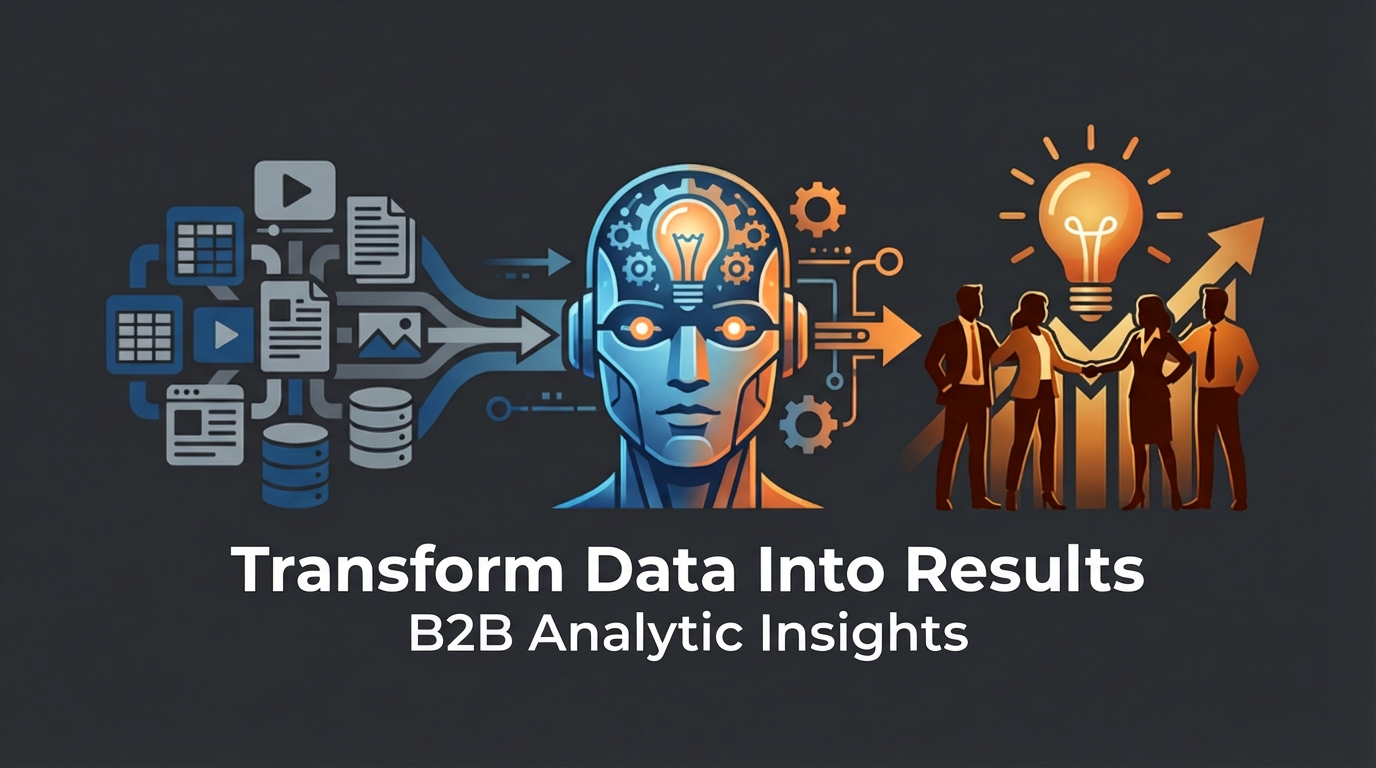

In today’s business landscape, data-driven decision making has become increasingly important. With the vast amount of data available to businesses, it is crucial to be able to analyze and interpret this data in order to make informed decisions. Data-driven decision making involves using data insights to guide business strategies and actions, rather than relying solely on intuition or gut feelings.
Taking action on data insights is essential for businesses to stay competitive and thrive in today’s fast-paced and ever-changing market. By leveraging data, businesses can gain a deeper understanding of their customers, identify trends and patterns, and make more accurate predictions about future outcomes. This allows businesses to make proactive decisions that can lead to increased efficiency, improved customer satisfaction, and ultimately, higher profits.
Key Takeaways
- Taking action on data is crucial for business success
- Key insights and opportunities can be identified through data analysis
- An action plan should be created based on data findings
- Changes should be implemented and their impact measured
- Data can be leveraged to drive business growth and innovation
Understanding the Importance of Taking Action on Data
While data analysis is a crucial step in the decision-making process, it is not enough on its own. Without taking action on the insights gained from data analysis, businesses are missing out on valuable opportunities for growth and improvement. Data analysis provides businesses with valuable information, but it is the action taken based on this information that drives real change.
Taking action on data insights allows businesses to capitalize on opportunities and address challenges in a timely manner. For example, if a business identifies a trend indicating a decline in customer satisfaction, they can take immediate action to address the issue and improve their products or services. Without taking action, this decline in customer satisfaction could continue, leading to a loss of customers and revenue.
Identifying Key Insights and Opportunities from Data Analysis
To identify key insights and opportunities from data analysis, businesses need to have a clear understanding of their goals and objectives. They should start by defining what they want to achieve and then use data analysis to identify areas where improvements can be made or new opportunities can be pursued.
For example, a retail business may want to increase sales by targeting specific customer segments. By analyzing customer data, they can identify patterns and preferences among different customer groups. This can help them tailor their marketing strategies and product offerings to better meet the needs and preferences of these segments, ultimately leading to increased sales.
Another example is a manufacturing company that wants to improve operational efficiency. By analyzing production data, they can identify bottlenecks or inefficiencies in their processes. This allows them to make targeted improvements, such as implementing new technologies or streamlining workflows, to increase productivity and reduce costs.
Creating an Action Plan Based on Your Data Findings
Once key insights and opportunities have been identified through data analysis, it is important to create an action plan based on these findings. An action plan outlines the specific steps that need to be taken to achieve the desired outcomes.
When creating an action plan, it is important to set clear and measurable goals. These goals should be specific, achievable, relevant, and time-bound (SMART). For example, instead of setting a goal to “increase sales,” a more specific goal could be to “increase sales by 10% within the next quarter.”
The action plan should also outline the resources and timeline needed to implement the proposed changes. It is important to allocate the necessary resources, such as budget, personnel, and technology, to ensure the successful execution of the action plan.
Implementing Changes and Measuring Their Impact
Implementing changes based on data insights is a critical step in the data-driven decision-making process. It is important to ensure that the proposed changes are effectively communicated to all relevant stakeholders and that everyone understands their roles and responsibilities in implementing these changes.
Once the changes have been implemented, it is important to measure their impact. This can be done through ongoing monitoring and evaluation of key performance indicators (KPIs) that are directly related to the desired outcomes. For example, if the goal is to increase customer satisfaction, KPIs such as customer feedback scores or repeat purchase rates can be used to measure the impact of the changes.
Measuring the impact of changes allows businesses to determine whether the proposed actions are achieving the desired outcomes. If the changes are not having the desired impact, it may be necessary to adjust the action plan or explore alternative strategies.
Leveraging Data to Drive Business Growth and Innovation

Data can be a powerful tool for driving business growth and innovation. By analyzing data, businesses can identify new market opportunities, develop new products or services, and improve existing processes.
For example, a technology company may analyze customer data to identify emerging trends and preferences in the market. This can help them develop new products or features that meet the changing needs of their customers. By staying ahead of the competition and continuously innovating, businesses can drive growth and maintain a competitive edge in the market.
Overcoming Barriers to Effective Data-Driven Decision Making
While data-driven decision making offers many benefits, there are also common barriers that businesses may face when trying to implement this approach. Some of these barriers include a lack of data literacy among employees, resistance to change, and limited resources.
To overcome these barriers, businesses can invest in training and education programs to improve data literacy among employees. This can include providing training on data analysis tools and techniques, as well as promoting a data-driven culture within the organization.
It is also important to address any resistance to change by clearly communicating the benefits of data-driven decision making and involving employees in the decision-making process. By involving employees in the process, they are more likely to embrace the changes and actively participate in implementing them.
Aligning Data-Driven Actions with Organizational Goals and Objectives
To ensure that data-driven actions are effective, it is important to align them with organizational goals and objectives. This requires a clear understanding of what the business wants to achieve and how data can be used to support these goals.
When aligning data-driven actions with organizational goals, it is important to prioritize the most impactful actions. This can be done by identifying the actions that are most likely to contribute to the achievement of the desired outcomes and focusing resources on these actions.
Monitoring Progress and Adjusting Strategies Accordingly
Monitoring progress is essential to ensure that data-driven actions are on track and achieving the desired outcomes. This can be done through ongoing monitoring of key performance indicators (KPIs) and regular evaluation of the effectiveness of the actions taken.
If the data shows that the actions are not achieving the desired outcomes, it may be necessary to adjust the strategies or explore alternative approaches. This requires a willingness to adapt and make changes based on the insights gained from data analysis.
Empowering Teams to Take Action on Data Insights
Empowering teams to take action on data insights is crucial for successful implementation of data-driven decision making. This involves providing employees with the necessary tools, resources, and authority to make decisions based on data insights.
To empower teams, businesses can provide training and education on data analysis tools and techniques. They can also create a culture that encourages experimentation and risk-taking, as well as provide incentives for employees to take ownership of data-driven initiatives.
Continuously Improving Data Collection and Analysis Processes
To ensure the accuracy and reliability of data insights, it is important to continuously improve data collection and analysis processes. This involves regularly reviewing and updating data collection methods, as well as investing in new technologies or tools that can improve data analysis capabilities.
Businesses should also regularly review their data quality assurance processes to ensure that the data being collected is accurate, complete, and relevant. This can involve implementing data validation checks, conducting regular audits of data sources, and establishing clear data governance policies.
In conclusion, data-driven decision making is essential for businesses to stay competitive and thrive in today’s business landscape. By taking action on data insights, businesses can identify opportunities for growth and improvement, make informed decisions, and drive innovation.
To effectively take action on data insights, businesses need to identify key insights and opportunities through data analysis, create an action plan based on these findings, implement changes, measure their impact, and continuously improve data collection and analysis processes.
By aligning data-driven actions with organizational goals and objectives, monitoring progress, empowering teams, and overcoming barriers to effective data-driven decision making, businesses can leverage data to drive growth and innovation. It is important for businesses to embrace a data-driven culture and encourage employees to actively participate in the decision-making process based on data insights.