
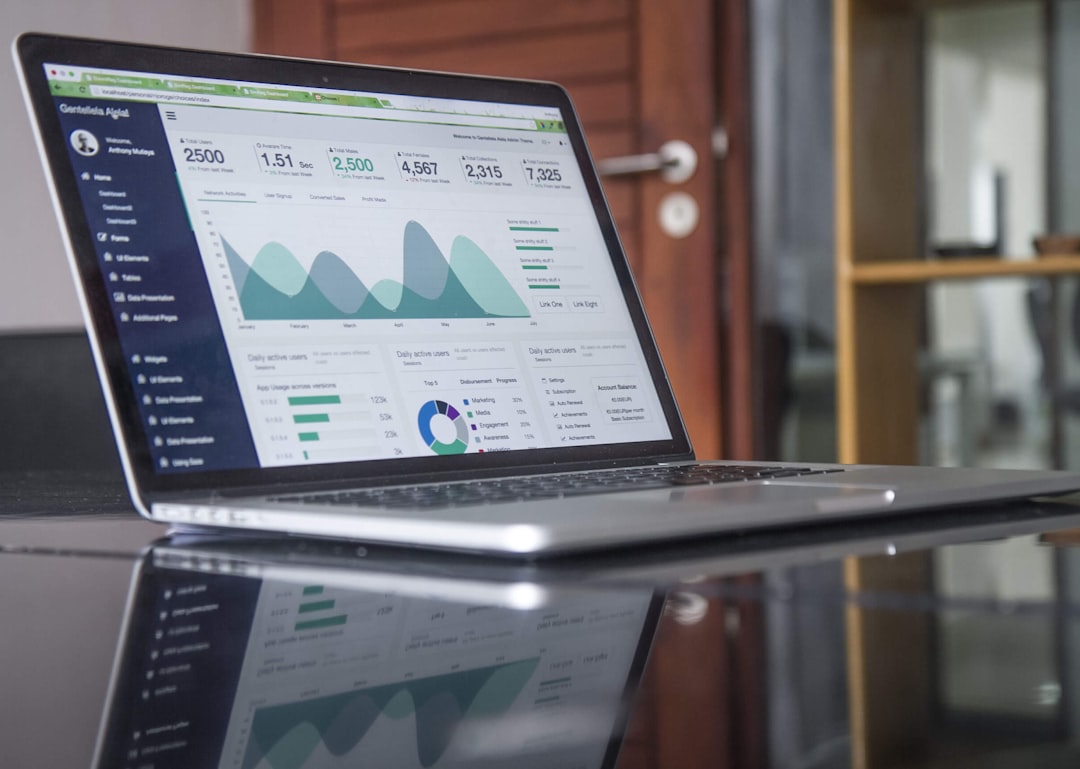
Scenario planning is a strategic management technique utilized by organizations to anticipate and prepare for various potential future outcomes and market conditions. This process involves the creation of multiple hypothetical scenarios based on different variables and an assessment of how each scenario might impact the business. By engaging in scenario planning, companies can develop strategies to mitigate risks and capitalize on opportunities in an uncertain business environment.
Commercial credit data encompasses the financial information collected by credit reporting agencies regarding the creditworthiness of businesses. This data typically includes a company’s payment history, outstanding debts, credit utilization, and other relevant financial metrics. Lenders, suppliers, and other businesses use commercial credit data to evaluate the credit risk associated with potential partners and customers, enabling them to make informed decisions about extending credit or entering into business relationships.
Key Takeaways
- Scenario planning involves creating and analyzing different possible future scenarios to make informed business decisions.
- Commercial credit data plays a crucial role in enhancing scenario planning by providing valuable insights into the financial health and creditworthiness of businesses.
- Leveraging commercial credit data insights can help in assessing and mitigating risks associated with lending and investment decisions.
- Commercial credit data can be utilized for market analysis and forecasting to identify potential opportunities and threats in the market.
- Integrating commercial credit data into scenario planning models can improve the accuracy and reliability of future projections and strategic planning.
The Role of Commercial Credit Data in Enhancing Scenario Planning
Assessing Credit Risk Exposure
By incorporating commercial credit data, businesses can evaluate the potential impact of various scenarios on their credit risk exposure. This allows them to develop strategies to mitigate any potential risks and ensure the financial stability of their operations.
Gaining Market Insights
Commercial credit data provides businesses with a more comprehensive understanding of market conditions and economic trends that may impact their operations. By analyzing commercial credit data, companies can identify potential red flags and warning signs that may indicate a deteriorating financial situation for their partners or customers.
Proactive Risk Management
By leveraging commercial credit data, businesses can proactively adjust their strategies and operations to minimize the impact of any potential credit risk. This enables them to stay ahead of potential risks and ensure the long-term sustainability of their operations.
Leveraging Commercial Credit Data Insights for Risk Assessment

Leveraging commercial credit data insights is essential for businesses to conduct effective risk assessment as part of their scenario planning process. Commercial credit data provides businesses with a wealth of information that can be used to assess the creditworthiness and financial stability of their partners and customers. By analyzing this data, businesses can identify potential risks and develop strategies to mitigate them.
For example, commercial credit data can help businesses identify partners or customers with a history of late payments or high levels of outstanding debt. This information can be used to assess the likelihood of default or financial distress and develop strategies to minimize the impact on the business. Additionally, commercial credit data can provide insights into the overall financial health of specific industries or regions, allowing businesses to anticipate potential market downturns or economic challenges.
Utilizing Commercial Credit Data for Market Analysis and Forecasting
Commercial credit data can be utilized for market analysis and forecasting as part of the scenario planning process. By analyzing commercial credit data, businesses can gain valuable insights into the financial health and stability of specific industries, regions, or customer segments. This information can be used to identify potential market trends, opportunities, and risks that may impact the business.
For example, commercial credit data can help businesses identify industries or regions with a high concentration of financially distressed companies. This information can be used to anticipate potential market downturns or economic challenges that may impact the business. Additionally, commercial credit data can provide insights into the creditworthiness and financial stability of specific customer segments, allowing businesses to tailor their marketing and sales strategies to minimize credit risk exposure.
Integrating Commercial Credit Data into Scenario Planning Models
Integrating commercial credit data into scenario planning models is essential for businesses to develop comprehensive and effective strategies to mitigate risks and capitalize on opportunities. By incorporating commercial credit data into their scenario planning models, businesses can gain a more accurate understanding of the potential impact of different scenarios on their credit risk exposure and overall financial performance. Furthermore, integrating commercial credit data into scenario planning models allows businesses to develop more targeted and effective strategies to mitigate potential risks.
For example, businesses can use commercial credit data to identify specific partners or customers that may pose a higher credit risk and develop strategies to minimize their exposure. Additionally, integrating commercial credit data into scenario planning models allows businesses to develop more accurate forecasts and projections based on the financial health and stability of their partners and customers.
Case Studies: Successful Implementation of Commercial Credit Data in Scenario Planning

Best Practices for Incorporating Commercial Credit Data Insights into Scenario Planning
Incorporating commercial credit data insights into scenario planning requires careful consideration and strategic implementation. Businesses should follow best practices to ensure that they effectively leverage commercial credit data for risk assessment and market analysis. Some best practices include: 1. Utilizing advanced analytics tools: Businesses should leverage advanced analytics tools to analyze commercial credit data and gain valuable insights into the financial health and stability of their partners and customers. 2. Collaborating with credit reporting agencies: Businesses should collaborate with credit reporting agencies to access comprehensive commercial credit data and ensure that they have access to the most up-to-date information. 3. Developing tailored strategies: Businesses should develop tailored strategies based on the insights gained from commercial credit data to mitigate potential risks and capitalize on opportunities in an uncertain environment. 4. Regularly monitoring and updating scenarios: Businesses should regularly monitor and update their scenarios based on changes in market conditions and economic trends identified through commercial credit data analysis. By following these best practices, businesses can effectively incorporate commercial credit data insights into their scenario planning process and develop comprehensive strategies to mitigate risks and capitalize on opportunities in an uncertain environment.