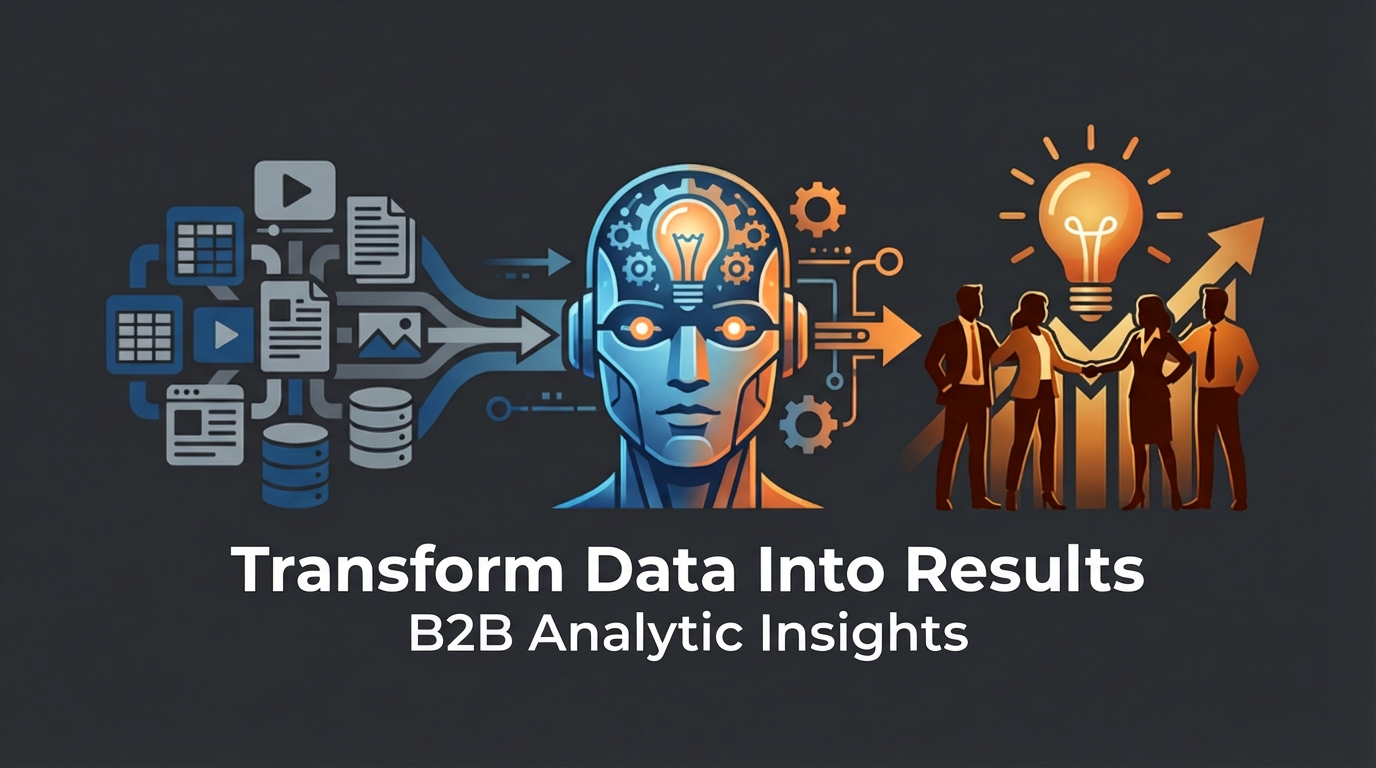

The credit onboarding process is not just a form and a signature. It defines the relationship. It’s the first tangible output of our risk appetite. And for thousands of commercial entities, it’s the moment we declare our intent.
This moment is powered by data. Not data for data’s sake. Data in service of a decision. A precise, informed decision, made under pressure with real capital at stake.
Understanding the True Cost of Friction
Every delay, every redundant request, every opaque step in onboarding isn’t just an inefficiency. It’s a risk. It’s a signal to a prospective client that we are slow, perhaps untrustworthy, or simply ill-equipped. In today’s environment, abandonment rates reaching 50% for journeys exceeding a few short minutes are not anecdotal; they are a direct consequence of friction. This friction doesn’t just erode potential revenue; it damages our brand reputation. It costs us the opportunity to build a lasting, profitable relationship.
Optimizing this gateway is about more than speed. It’s about intelligence. It’s about transforming a compliance-heavy necessity into a competitive advantage. We move from reactive data collection to proactive insight generation. We create an experience that reduces abandonment, fosters trust, and sets a robust foundation for long-term loyalty.
Onboarding is a critical data moment. It’s not a standalone event but the foundational layer for all subsequent credit decisions. We collect, analyze, and interpret information to make an initial assessment. But this moment also sets the stage for ongoing monitoring and future engagement.
Orchestrating Data for Real-Time Insight
Many of our systems are fragmented. Information resides in silos. This leads to delays and redundant requests. A unified view is not a luxury; it’s a requirement. Real-time data orchestration means connecting these disparate sources. It means pulling company financials, trade references, payment histories, and adverse media screenings into a cohesive picture, instantly.
This orchestration goes beyond simple aggregation. It involves intelligent data ingestion, validation, and enrichment. It creates a dynamic profile that evolves with each new piece of information. This isn’t just about faster data access; it’s about building a living data asset.
Transforming Raw Data into Actionable Intelligence
Raw data has limited value. Our expertise lies in transforming it into actionable intelligence. This requires a robust analytical framework.
Descriptive analytics provides the ‘what happened’. It summarizes the current financial health, historical payment behavior, and operational footprint of an applicant. We see the past, the present.
Diagnostic analytics uncovers the ‘why’. Why did a payment trend fluctuate? Why is cash conversion cycle lengthening? This level of analysis identifies root causes and underlying patterns. It enables us to understand the forces at play.
Predictive analytics projects the ‘what will happen’. It uses historical data and identified patterns to forecast future performance, default probabilities, and potential credit deterioration. We anticipate, rather than react.
Prescriptive analytics guides the ‘what to do’. Based on predicted outcomes, it recommends specific actions: adjust credit limits, modify terms, structure collateral. It turns insight into direct strategy.
These analytics types are integrated. They form a cycle of continuous learning and refinement. The onboarding data feeds this cycle. The insights generated inform not only the initial decision but also ongoing risk management.
AI-Driven Analytics: Beyond Automation
AI in credit onboarding extends far beyond basic automation of forms. It’s about enhancing our cognitive capabilities. It’s about extracting subtle signals from vast datasets that human analysts might miss.
Intelligent Data Extraction and Validation
Manual data entry is prone to error and slow. AI-powered tools automate the extraction of key financial figures, legal entity data, and compliance information from various documents. This includes unstructured data sources. They validate this information against external benchmarks and internal policies. This reduces processing time and increases accuracy. It frees our credit professionals to focus on analysis, not data entry.
Behavioral Analytics for Deeper Understanding
Beyond explicit financial statements, behavioral patterns offer insight. How quickly does a client respond to information requests? Are there unusual fluctuations in their digital footprint? While still evolving in the commercial credit space, behavioral analytics, when applied responsibly and ethically, can provide early warning indicators. It can flag potential issues that traditional financial metrics might not immediately reveal.
Proactive Risk Identification and Mitigation
AI models continuously scan for anomalies. They highlight changes in credit scores, industry trends, and interconnected party risks. This allows for proactive risk identification, moving from a reactive stance to a preventative one. For example, if a key supplier to our client is experiencing financial distress, an AI system can flag this. It recommends potential impacts on our own client’s liquidity and operational stability.
Personalization at Scale
Each commercial entity is unique. Their needs, their risk profile, their growth trajectory. AI enables hyper-personalization of the onboarding journey. It can dynamically adjust information requests based on initial data inputs. It can offer tailored product recommendations. This creates a more relevant and efficient experience for the client. It also ensures we gather the most pertinent information for our decision-making.
Supply Chain Intelligence: A Holistic Risk View

A commercial entity doesn’t exist in a vacuum. Its health is inextricably linked to its ecosystem. Supply chain intelligence transforms our view of credit risk.
Mapping Exposures Beyond Direct Relationships
Understanding a client’s key suppliers and customers is critical. A default by a significant customer or the insolvency of a sole-source supplier can cascade quickly. We map these relationships. We identify concentration risks. We understand the interdependencies that drive a business.
This mapping involves leveraging external data sources. This could include public filings, industry reports, and specialized supply chain intelligence platforms. We integrate this information with our internal data. This creates a multi-dimensional risk profile.
Early Warning Signals and Scenario Planning
When a client’s main supplier is experiencing payment delays, that’s an early warning. When a key market for our client is facing regulatory headwinds, that’s a signal. Supply chain intelligence provides these signals. It allows us to perform scenario planning. What if a critical upstream partner fails? What is the downstream impact?
This proactive approach allows us to adjust credit terms, suggest alternative strategies to our clients, or modify our own exposure. It’s about seeing the ripple effects before they become tsunamis.
Enhancing Resilience and Sustainability Assessment
Beyond immediate financial risk, supply chain intelligence contributes to assessing resilience and sustainability. Are a client’s suppliers geographically diverse? Are they reliant on politically unstable regions? Do they have robust contingency plans? This informs a more comprehensive risk assessment. It moves beyond short-term solvency to long-term viability. This data is critical for understanding a client’s enduring capacity to meet obligations.
Building Trust Through Transparency and Speed

Trust is not merely earned through a good decision; it is built through the experience of getting there. The onboarding process directly impacts this trust.
Real-time Communication and Clear Expectations
Opaque processes breed anxiety. Real-time updates on application status, clear explanations of information requirements, and defined timelines build confidence. Automated nudges for missing documentation and progress updates reduce client uncertainty. This reduces the urge to abandon the process.
This transparency extends internally as well. Credit professionals need clear visibility into the status of each application. They need to understand what data has been collected, what analyses have been run, and what decisions are pending.
The Power of Pre-filled Forms and Smart Nudges
Imagine a credit application largely pre-filled with publicly available information. This reduces the burden on the applicant. Smart nudges guide them through any remaining fields. These are not just usability features; they are trust builders. They signal efficiency and respect for their time.
This approach leverages AI and external data sources to make the application process feel effortless. It transforms a tedious task into a swift, guided interaction.
Demonstrating Security and Compliance Rigor
In an age of heightened cyber risk and regulatory scrutiny, demonstrating robust security and compliance is paramount. The onboarding process must visibly incorporate KYC (Know Your Customer) and AML (Anti-Money Laundering) checks without becoming a deterrent.
This means using secure portals, clearly explaining data usage policies, and demonstrating adherence to privacy regulations. It’s about building trust in our data governance, not just our credit decisions. Our processes must be seamless yet demonstrably secure.
The Path Forward: From Data to Enduring Relationships
| Metrics | Data |
|---|---|
| Number of Onboarded Customers | 1000 |
| Onboarding Completion Rate | 85% |
| Time to Complete Onboarding | 10 minutes |
| Customer Satisfaction Rating | 4.5/5 |
The credit onboarding experience is a constant iteration. What works today must be refined tomorrow. Our objective is not just to close a deal, but to build a lasting, mutually beneficial relationship.
Continuous Improvement through Feedback Loops
Every onboarding process generates data. Successful applications, abandoned applications, time-to-decision, data quality scores – these are all metrics. We analyze these metrics to identify bottlenecks, refine our data models, and improve the client journey.
Client feedback is invaluable. What was easy? What was frustrating? This qualitative data, combined with our quantitative analysis, drives continuous improvement. It ensures our processes remain client-centric and efficient.
Investing in Our People and Our Tools
Our credit professionals are at the heart of this. The best tools are only as effective as the people wielding them. We invest in training. We provide the latest analytical platforms. We empower our teams to interpret complex data, apply critical judgment, and make sound decisions.
The aim is to augment human intelligence, not replace it. To free our experts from administrative burden so they can focus on what they do best: assessing risk, building relationships, and identifying opportunity.
The Strategic Imperative
The credit onboarding experience is a strategic asset. It’s the first tangible manifestation of our credit risk strategy, our supply chain intelligence, and our commitment to using decision intelligence. Mastering this data moment is not about innovation for its own sake. It’s about ensuring we remain competitive, make sound credit decisions, and cultivate strong, enduring relationships with thousands of commercial entities. It’s about transforming data into measurable results.