CFOs play a critical role in driving financial success for their organizations. They are responsible for managing the financial health of the company, making strategic decisions, and ensuring profitability and growth. In today’s data-driven world, CFOs must leverage data to make informed and strategic choices. Data-driven decision making is essential for CFOs to navigate the complexities of the business landscape and drive profitability and growth.
This blog post will explore the various ways in which CFOs can leverage data to drive profitability and growth. We will delve into descriptive analytics, predictive analytics, data management, data integrity, profitable growth, cost optimization, risk management, and performance measurement. By understanding how to effectively utilize data in each of these areas, CFOs can make informed decisions that lead to sustainable profitability.
Key Takeaways
- Data-driven decision making is crucial for CFOs to achieve sustainable profitability.
- Descriptive analytics helps understand past performance and make informed decisions for the future.
- Predictive analytics enables CFOs to anticipate market trends and forecast financial outcomes.
- Effective data management and integrity are essential for driving business strategy and identifying revenue opportunities.
- Analyzing data can help reduce expenses, increase efficiency, mitigate risks, and evaluate performance.
Descriptive Analytics: Understanding Past Performance for Future Success
Descriptive analytics involves analyzing historical data to gain insights into past performance. By examining financial data from previous periods, CFOs can identify trends, patterns, and areas for improvement. This information is crucial for making informed decisions about future investments and strategies.
For example, by analyzing sales data from the past year, a CFO can identify which products or services are performing well and which ones are underperforming. This insight can help them make decisions about product development, marketing strategies, and resource allocation. By understanding past performance, CFOs can make informed decisions that drive future success.
Predictive Analytics: Anticipating Market Trends and Forecasting Financial Outcomes
Predictive analytics involves using data to forecast future outcomes and trends. CFOs can leverage predictive analytics to anticipate market changes and adjust their strategies accordingly. By analyzing historical data and market trends, CFOs can make proactive decisions that drive sustainable profitability.
For example, a CFO can use predictive analytics to forecast future sales based on historical sales data, market trends, and other relevant factors. This information can help them make decisions about production levels, inventory management, and pricing strategies. By leveraging predictive analytics, CFOs can make strategic decisions that position their organizations for success in the future.
Data Management: Organizing and Utilizing Data to Drive Business Strategy
Effective data management is essential for CFOs to make informed decisions. CFOs must ensure that data is organized, accessible, and accurate. They need to have systems in place to collect, store, and analyze data effectively.
By implementing robust data management practices, CFOs can access the information they need when they need it. This allows them to make timely decisions based on accurate and up-to-date data. Additionally, effective data management enables CFOs to identify patterns and trends that can inform their business strategy.
Data Integrity: Ensuring Accuracy and Reliability in Financial Data
Data integrity is critical for CFOs to make informed decisions. CFOs must ensure that financial data is accurate, reliable, and consistent. They need to have processes in place to validate and verify the accuracy of the data they use.
By maintaining data integrity, CFOs can make confident decisions that drive profitability and growth. They can trust the information they have at hand and use it to inform their strategies. Additionally, data integrity allows CFOs to comply with regulatory requirements and maintain the trust of stakeholders.
Profitable Growth: Leveraging Data to Identify Opportunities for Revenue Generation

CFOs can use data to identify opportunities for revenue generation. By analyzing customer behavior and market trends, CFOs can identify new revenue streams. They can understand customer preferences, identify untapped markets, and develop strategies to capture new business opportunities.
For example, by analyzing customer purchase patterns, a CFO may identify a segment of customers who consistently purchase a specific product or service. This insight can lead to targeted marketing campaigns or product development initiatives aimed at capturing more of this market segment. By leveraging data, CFOs can drive profitable growth for their organizations.
Cost Optimization: Analyzing Data to Reduce Expenses and Increase Efficiency
CFOs can use data to identify areas for cost optimization. By analyzing expenses and identifying inefficiencies, CFOs can reduce costs and increase efficiency. This can lead to improved financial performance and profitability.
For example, by analyzing procurement data, a CFO may identify opportunities to negotiate better terms with suppliers or consolidate purchases to achieve economies of scale. By optimizing costs, CFOs can drive profitability and improve the financial health of their organizations.
Risk Management: Using Data to Mitigate Financial Risks and Uncertainties
CFOs can use data to identify and mitigate financial risks and uncertainties. By analyzing market trends and financial data, CFOs can anticipate potential risks and develop strategies to mitigate them. This allows them to protect their organizations and drive sustainable profitability.
For example, by analyzing historical financial data and market trends, a CFO may identify potential risks associated with currency fluctuations or changes in interest rates. Armed with this information, they can develop hedging strategies or adjust their investment portfolios to mitigate these risks. By effectively managing risks, CFOs can protect their organizations and position them for long-term success.
Performance Measurement: Evaluating Success and Identifying Areas for Improvement
CFOs must measure financial performance to evaluate success and identify areas for improvement. By analyzing financial data and key performance indicators (KPIs), CFOs can evaluate the effectiveness of their strategies and make informed decisions about future investments.
For example, by analyzing sales data, a CFO can determine whether revenue targets are being met or if there are any gaps that need to be addressed. They can also assess the profitability of different product lines or business units to identify areas for improvement. By measuring performance, CFOs can drive sustainable profitability and growth.
Harnessing the Power of Data for Sustainable Profitability
In conclusion, data-driven decision making is essential for CFOs to drive sustainable profitability and growth. By leveraging data effectively, CFOs can identify opportunities for revenue generation, optimize costs, manage risks, and measure performance. They can make informed decisions that lead to financial success for their organizations.
To harness the power of data, CFOs must invest in data management systems and processes that ensure data integrity and accessibility. They must also develop the analytical skills necessary to analyze and interpret data effectively. By doing so, CFOs can position themselves as strategic partners within their organizations and drive financial success.
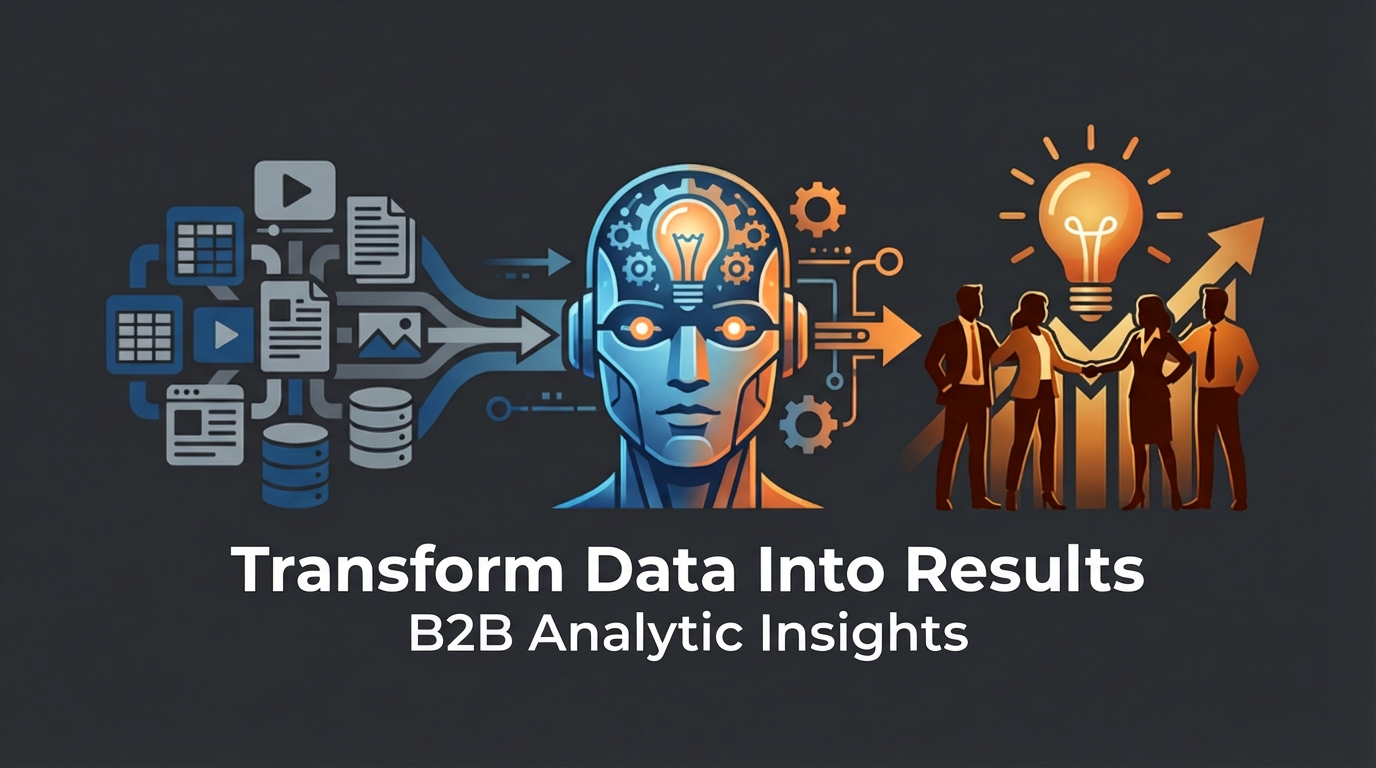
If you’re a CFO looking to harness data for sustainable profitability, you won’t want to miss out on the valuable insights provided by B2B Analytic Insights. Their article, “The Power of Data Analytics in Driving Profitability for CFOs,” delves into the strategies and tools that CFOs can utilize to leverage data effectively. From predictive analytics to financial modeling, this article offers practical advice and real-world examples to help CFOs make informed decisions that drive long-term profitability. Don’t miss out on this must-read resource – check it out here.