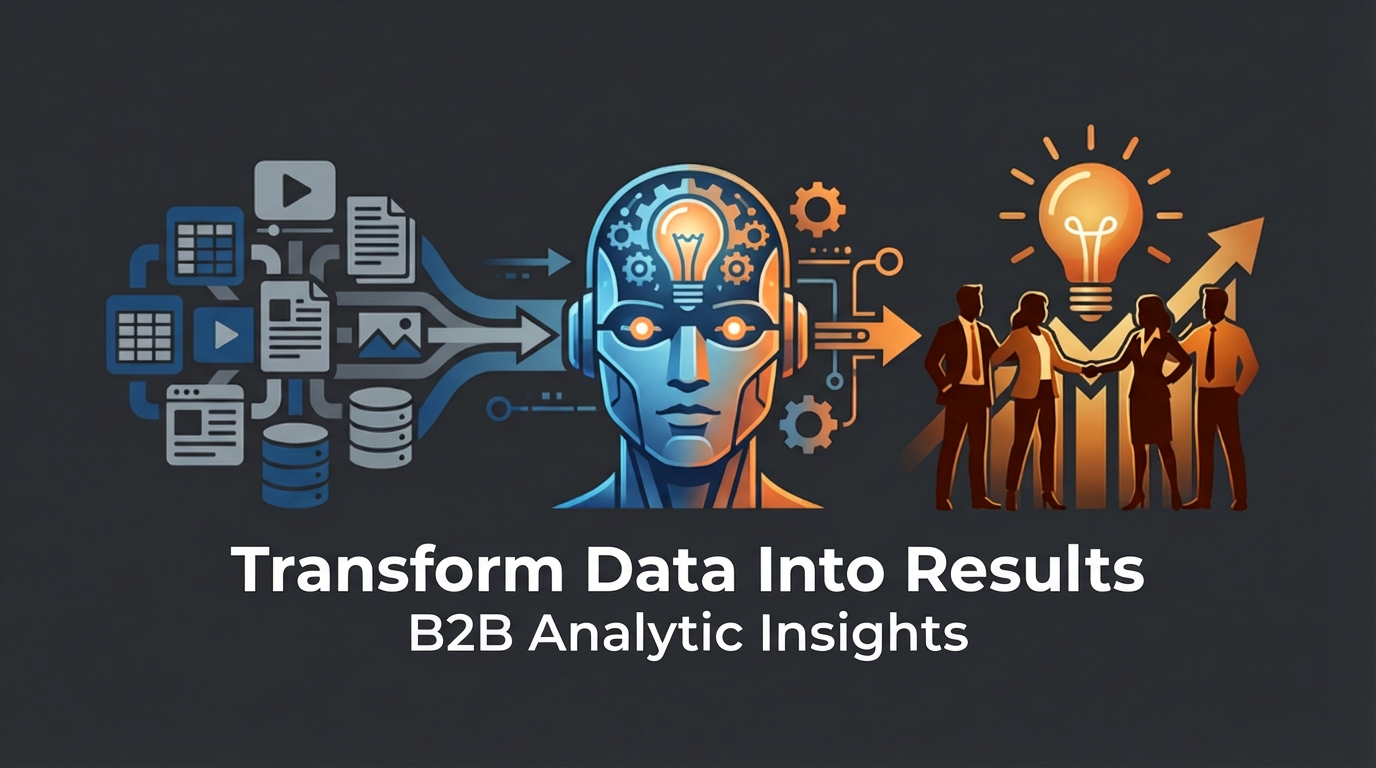

Big Data Knowledge Management (KM) refers to the systematic process of capturing, distributing, and effectively using knowledge within an organization, particularly in the context of vast and complex datasets. In an era where data is generated at an unprecedented rate, organizations are increasingly recognizing the need to harness this information to drive strategic decisions and enhance operational efficiency. The concept of KM in the realm of big data encompasses not only the storage and retrieval of information but also the transformation of raw data into actionable insights.
This transformation is critical, as it allows organizations to leverage their data assets to gain a competitive edge. The integration of big data into knowledge management practices involves several key components. First, organizations must establish a robust framework for data governance that ensures data quality, consistency, and accessibility.
This framework should include policies and procedures for data collection, storage, and sharing, as well as guidelines for data usage that align with organizational goals. Additionally, fostering a culture of knowledge sharing among employees is essential. By encouraging collaboration and communication, organizations can create an environment where insights derived from big data are disseminated effectively, leading to improved decision-making processes across all levels of the organization.
Key Takeaways
- Big data knowledge management involves organizing and utilizing large volumes of data to gain insights and make informed decisions.
- Data collection and analysis are crucial for understanding customer behavior, market trends, and business performance.
- Effective data storage and retrieval systems are essential for managing and accessing large volumes of data efficiently.
- Data visualization and reporting tools help in presenting complex data in a clear and understandable format for better decision-making.
- Data security and compliance measures are necessary to protect sensitive information and adhere to regulations, ensuring trust and reliability in data management.
- Data-driven decision making can maximize business value by using insights from data to drive strategic and operational decisions.
The Importance of Data Collection and Analysis
Data collection is the foundational step in any big data initiative, serving as the bedrock upon which analysis and insights are built. The importance of this process cannot be overstated; without accurate and comprehensive data, any subsequent analysis may yield misleading or incomplete results. Organizations must employ a variety of data collection methods, including surveys, sensors, transaction logs, and social media interactions, to gather a diverse array of information.
This multifaceted approach ensures that organizations capture not only quantitative metrics but also qualitative insights that can inform strategic decisions. Once data is collected, the next critical phase is analysis. Advanced analytical techniques, such as machine learning algorithms and predictive analytics, enable organizations to uncover patterns and trends within their datasets.
For instance, a retail company might analyze customer purchase history to identify buying patterns that inform inventory management and marketing strategies. By leveraging these analytical tools, organizations can move beyond traditional reporting methods to gain deeper insights into customer behavior, operational efficiency, and market trends. This analytical prowess allows businesses to anticipate changes in the market landscape and adapt their strategies accordingly.
Implementing Effective Data Storage and Retrieval Systems

The sheer volume of data generated today necessitates the implementation of effective storage and retrieval systems that can handle large datasets efficiently. Traditional database management systems often struggle to accommodate the scale and complexity of big data; therefore, organizations are increasingly turning to distributed storage solutions such as Hadoop Distributed File System (HDFS) or cloud-based storage options like Amazon S3. These systems not only provide scalability but also enhance data accessibility across various departments within an organization.
In addition to choosing the right storage solution, organizations must also focus on optimizing their data retrieval processes. Efficient retrieval systems are essential for ensuring that users can access the information they need quickly and easily. This can be achieved through the implementation of indexing techniques, metadata management, and search algorithms that facilitate rapid data access.
For example, a healthcare organization might utilize a sophisticated retrieval system to allow medical professionals to quickly access patient records and treatment histories, thereby improving patient care outcomes. By investing in robust storage and retrieval systems, organizations can ensure that their data assets are readily available for analysis and decision-making.
Leveraging Data Visualization and Reporting Tools
| Tool | Features | Benefits |
|---|---|---|
| Tableau | Interactive dashboards, data blending, real-time collaboration | Easy visualization, better decision making, improved data insights |
| Power BI | Data modeling, AI integration, automated insights | Scalability, integration with Microsoft products, cost-effective |
| Google Data Studio | Customizable dashboards, data connectors, real-time collaboration | Integration with Google products, easy sharing, free to use |
Data visualization plays a pivotal role in transforming complex datasets into understandable formats that facilitate informed decision-making. By employing various visualization techniques—such as charts, graphs, heat maps, and dashboards—organizations can present their data in a way that highlights key trends and insights. This visual representation of data not only aids in comprehension but also enhances communication among stakeholders who may not have a technical background in data analysis.
Reporting tools further complement data visualization efforts by providing structured formats for presenting findings to decision-makers. These tools often come equipped with features that allow users to customize reports based on specific metrics or KPIs relevant to their objectives. For instance, a financial institution might use reporting tools to generate monthly performance reports that track investment returns across different portfolios.
By combining visualization with reporting capabilities, organizations can create compelling narratives around their data that drive engagement and foster a culture of data-driven decision-making.
Ensuring Data Security and Compliance
As organizations increasingly rely on big data for strategic initiatives, ensuring data security and compliance has become paramount. The vast amounts of sensitive information collected—from customer details to proprietary business insights—pose significant risks if not adequately protected. Organizations must implement robust security measures such as encryption, access controls, and regular security audits to safeguard their data assets against breaches or unauthorized access.
Compliance with regulations such as the General Data Protection Regulation (GDPR) or the Health Insurance Portability and Accountability Act (HIPAA) is also critical in managing big data responsibly. These regulations impose strict guidelines on how organizations collect, store, and process personal information. Failure to comply can result in severe penalties and damage to an organization’s reputation.
Therefore, establishing a compliance framework that includes regular training for employees on data protection practices is essential for fostering a culture of accountability regarding data security.
Maximizing Business Value through Data-driven Decision Making

The ultimate goal of implementing big data knowledge management practices is to maximize business value through data-driven decision-making. Organizations that effectively leverage their data assets can gain insights that lead to improved operational efficiency, enhanced customer experiences, and innovative product development. For example, a logistics company might analyze shipping routes using big data analytics to optimize delivery times and reduce costs.
By making informed decisions based on empirical evidence rather than intuition alone, businesses can achieve better outcomes. Moreover, fostering a culture of data-driven decision-making requires leadership commitment and investment in training employees on analytical tools and techniques. Organizations must encourage teams to embrace a mindset that values evidence-based insights over traditional decision-making approaches.
This cultural shift can lead to more agile responses to market changes and customer needs, ultimately driving sustained business growth. By prioritizing big data knowledge management as a core component of their strategy, organizations position themselves to thrive in an increasingly competitive landscape where informed decision-making is key to success.