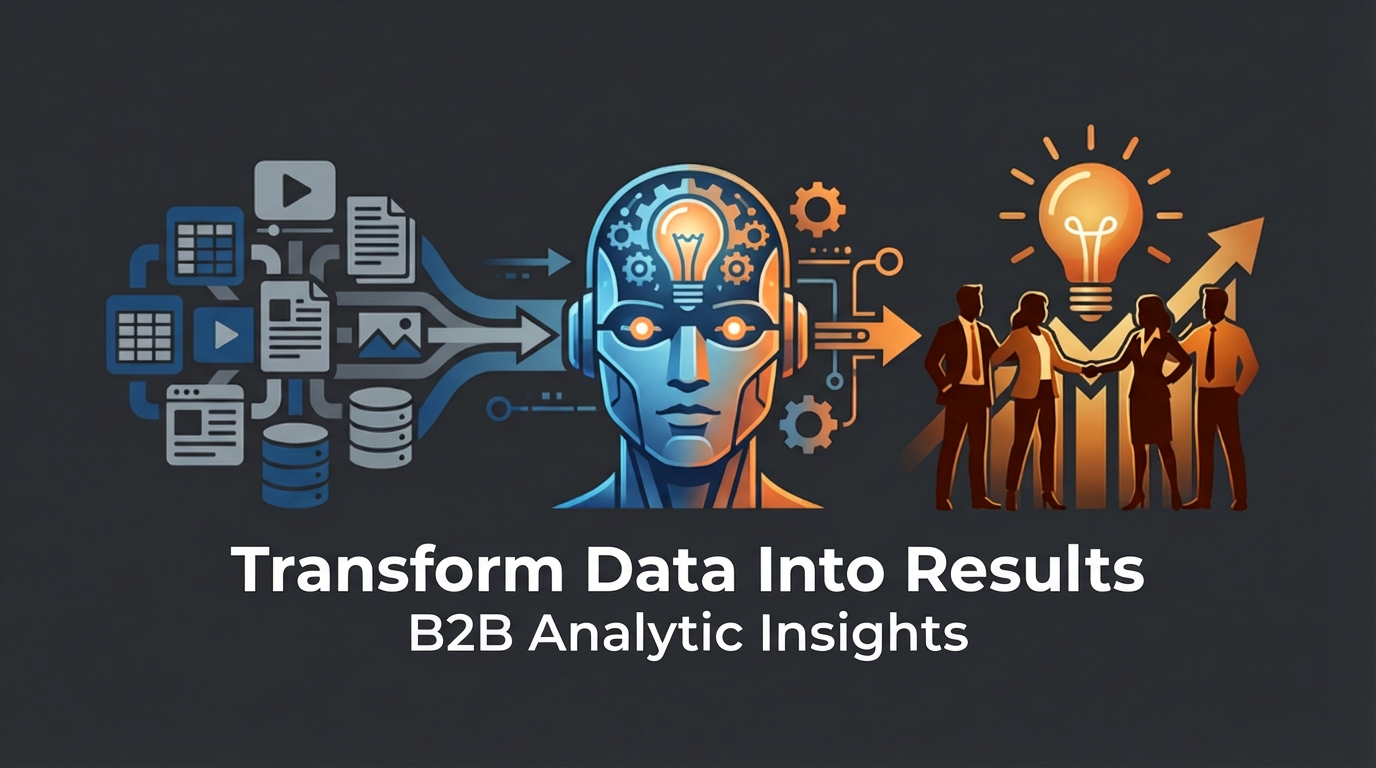

Deterministic analytics is a powerful tool that businesses can use to make informed decisions based on data and facts. It involves analyzing data to determine the cause-and-effect relationships between variables, allowing businesses to predict outcomes with a high degree of certainty. Unlike other types of analytics, which rely on statistical models and probabilities, deterministic analytics focuses on finding the exact relationships between variables.
Deterministic analytics is crucial in business decision-making because it provides a clear understanding of how different factors impact business outcomes. By using deterministic analytics, businesses can identify the key drivers of success and make data-driven decisions to optimize their operations. This can lead to improved efficiency, increased profitability, and a competitive advantage in the market.
Key Takeaways
- Deterministic analytics can unlock hidden potential in data by providing precise and accurate insights.
- Data stores and analytics are the foundation of deterministic analytics, providing the necessary infrastructure for analysis.
- Machine learning plays a crucial role in deterministic analytics by enabling predictive modeling and pattern recognition.
- Real-world examples of deterministic analytics in action include fraud detection, personalized marketing, and predictive maintenance.
- Data quality is essential for deterministic analytics, as inaccurate or incomplete data can lead to flawed insights and decisions.
The Basics of Data Stores and Analytics
Data stores play a crucial role in deterministic analytics. They are repositories where businesses store large amounts of data collected from various sources such as customer transactions, social media interactions, and sensor data. Data stores can be structured or unstructured, depending on the type of data being stored.
Analytics is the process of extracting insights from data to inform decision-making. There are different types of analytics, including descriptive analytics, which focuses on summarizing historical data; predictive analytics, which uses statistical models to forecast future outcomes; and prescriptive analytics, which provides recommendations on how to optimize business processes.
The Benefits of Deterministic Analytics in Unlocking Hidden Potential
Deterministic analytics offers several benefits that can help businesses unlock hidden potential. Firstly, it provides a clear understanding of the cause-and-effect relationships between variables, allowing businesses to identify the key drivers of success. This enables businesses to focus their efforts on optimizing these drivers and maximizing their impact on business outcomes.
Secondly, deterministic analytics provides a high degree of certainty in predicting outcomes. This allows businesses to make more accurate forecasts and plan their operations accordingly. For example, a retailer can use deterministic analytics to predict customer demand for different products and optimize their inventory levels to meet that demand.
Lastly, deterministic analytics enables businesses to make data-driven decisions. By analyzing data and identifying patterns and trends, businesses can make informed decisions that are based on facts rather than intuition or guesswork. This can lead to improved efficiency, reduced costs, and increased profitability.
The Role of Machine Learning in Deterministic Analytics
Machine learning plays a crucial role in deterministic analytics by improving the accuracy of predictions. Machine learning algorithms can analyze large amounts of data and identify complex patterns and relationships that may not be apparent to humans. This allows businesses to make more accurate predictions and optimize their operations accordingly.
Machine learning algorithms can also adapt and improve over time as they are exposed to more data. This allows businesses to continuously refine their models and make more accurate predictions as new data becomes available. For example, a retailer can use machine learning algorithms to analyze customer purchase history and predict future buying behavior.
Real-World Examples of Deterministic Analytics in Action
There are numerous examples of businesses that have successfully implemented deterministic analytics to improve their operations. One such example is Amazon, which uses deterministic analytics to optimize its supply chain operations. By analyzing data on customer demand, inventory levels, and transportation costs, Amazon can make accurate predictions on which products to stock in each fulfillment center and when to replenish inventory.
Another example is Netflix, which uses deterministic analytics to personalize its content recommendations. By analyzing data on customer viewing history, preferences, and ratings, Netflix can accurately predict which movies or TV shows a customer is likely to enjoy. This allows Netflix to provide personalized recommendations that keep customers engaged and satisfied.
The Importance of Data Quality in Deterministic Analytics

Data quality is crucial in deterministic analytics because inaccurate or incomplete data can lead to incorrect predictions and decisions. Poor data quality can result from various factors such as data entry errors, duplicate records, missing values, and inconsistent formatting. It is important for businesses to ensure that their data is accurate, complete, and consistent to obtain reliable results from deterministic analytics.
To ensure data quality, businesses should implement data validation processes to identify and correct errors in the data. This can involve automated checks for data integrity, such as checking for missing values or inconsistent formatting. Businesses should also establish data governance policies and procedures to ensure that data is collected, stored, and managed in a consistent and standardized manner.
Overcoming Common Challenges in Implementing Deterministic Analytics
Implementing deterministic analytics can be challenging for businesses, especially those that are new to data-driven decision-making. One common challenge is the lack of data literacy among employees. To overcome this challenge, businesses should invest in training programs to educate employees on the basics of data analysis and interpretation.
Another challenge is the lack of a centralized data infrastructure. Businesses often have data stored in different systems or departments, making it difficult to access and analyze the data. To overcome this challenge, businesses should invest in a centralized data store that consolidates all relevant data in one place. This will make it easier to analyze the data and derive insights.
The Future of Deterministic Analytics and Data Stores
The future of deterministic analytics and data stores is promising, with several trends shaping the industry. One trend is the increasing use of artificial intelligence (AI) and machine learning algorithms in deterministic analytics. AI can automate the process of analyzing large amounts of data and identifying patterns and relationships, making it faster and more efficient.
Another trend is the growing importance of real-time analytics. With advancements in technology, businesses can now analyze data in real-time, allowing them to make faster decisions and respond quickly to changing market conditions. Real-time analytics can also enable businesses to detect anomalies or patterns that may indicate potential issues or opportunities.
Best Practices for Leveraging Deterministic Analytics for Business Success
To leverage deterministic analytics for business success, businesses should follow several best practices. Firstly, they should clearly define their business objectives and identify the key drivers of success. This will help businesses focus their efforts on optimizing these drivers and maximizing their impact on business outcomes.
Secondly, businesses should invest in data quality and data governance processes to ensure that their data is accurate, complete, and consistent. This will ensure that the results obtained from deterministic analytics are reliable and trustworthy.
Lastly, businesses should foster a data-driven culture within their organization. This involves educating employees on the importance of data-driven decision-making and providing them with the necessary tools and resources to analyze and interpret data.
Empowering Your Organization with Deterministic Analytics
Deterministic analytics is a powerful tool that businesses can use to make informed decisions based on data and facts. By analyzing data to determine cause-and-effect relationships between variables, businesses can unlock hidden potential and optimize their operations. With the help of machine learning algorithms and real-time analytics, businesses can make more accurate predictions and respond quickly to changing market conditions. By following best practices and fostering a data-driven culture, businesses can leverage deterministic analytics for success in today’s competitive business landscape.