
The headlines paint a stark picture: reading scores decline, screen time reigns, literacy concerns mount. For us, in finance and credit, these broad societal shifts are a backdrop. Our focus remains sharper, closer to the balance sheet. We interpret numbers daily. That’s our foundation. But what happens when we move beyond simply reading those numbers? What new capabilities emerge? What decisions become clearer?
We’ve spent decades in this field. We have navigated countless cycles. We’ve evaluated thousands of commercial entities. We know the difference between a good spread and a bad bet. Our experience tells us that while the numbers are essential, they are never the whole story.
The Limits of Pure Observation
We start with descriptive analytics. This is the foundation. It tells us what happened. Revenue growth. Margin compression. Debt-to-equity ratios. These are facts. They are indisputable.
What Descriptive Analytics Reveals
We confirm performance. We verify compliance. We use these metrics to track trends. We confirm year-over-year changes. We see the history. This is the baseline for all subsequent analysis. Without robust descriptive data, we are blind. We rely on accurate reporting. We assume integrity.
The Gaps in Simple Reporting
Yet, descriptive data only offers symptoms. It doesn’t explain causes. A declining profit margin is a red flag. It doesn’t tell us why. Is it increased raw material costs? Fierce competition? Operational inefficiency? The numbers alone won’t provide that context. We see the “what,” but not the “why” or the “what next.” This is where the limitations emerge. This is where we need to dig deeper.
Uncovering the “Why”: Diagnostic Analytics
Moving beyond observation, we ask “why?” This is diagnostic analytics. We interrogate the numbers. We look for correlations. We seek root causes. This requires a different mindset. It’s investigative.
Attributing Performance Shifts
When revenue drops, we don’t just record it. We dissect it. Is it a sector-wide issue? Is it specific to a product line? Has a key customer defected? We link events to outcomes. We trace the path from cause to effect. This means integrating operational data with financial figures. Sales reports. Customer churn data. Production logs. We connect these disparate dots.
Identifying Underlying Vulnerabilities
A company might show strong financials today. But diagnostic analysis might reveal a single-source supplier for a critical component. Or heavy reliance on one large customer. These are latent risks. They are not apparent from the balance sheet alone. We probe for these weaknesses. We quantify potential impacts. We understand the vulnerabilities before they become headline news. This is about foresight. It is about prevention.
Anticipating the Future: Predictive Analytics
Once we understand “what happened” and “why,” we can start to forecast “what will happen.” This is predictive analytics. This is where probabilities enter our decision-making. No crystal balls exist. We deal in likelihoods.
Forecasting Credit Risk
Predicting defaults is central to our work. We move beyond traditional credit scores. We incorporate hundreds of variables. Beyond financial ratios, we look at market sentiment. Geopolitical stability. Supply chain disruptions. We build models that learn from past outcomes. These models identify patterns that human eyes might miss. They provide a probability of default. Not a certainty. A probability. This informs our pricing. It guides our exposure limits.
Modeling Supply Chain Disruptions
A robust supply chain is critical. We use predictive models to identify potential bottlenecks. A supplier in a flood-prone region. A political upheaval in a key sourcing country. We factor these into our risk assessment. We model the impact of disruption on a company’s ability to deliver. On its cost structure. On its revenue. This capability moves us from reacting to anticipating. We can advise clients on diversification strategies. We can adjust our own risk appetite.
Guiding Action: Prescriptive Analytics
The ultimate goal is to decide. To act. Prescriptive analytics tells us “what should we do.” This is the highest form of analytic maturity. It recommends specific actions. It quantifies the potential outcomes of those actions.
Optimizing Portfolio Strategy
Given a certain risk appetite, prescriptive models recommend portfolio adjustments. Which new clients should we onboard? Which existing exposures should we reduce? At what price? We consider hundreds, even thousands, of scenarios. The models simulate the impact of these choices. They offer optimal paths. This shifts our role. We move from evaluating options to executing recommended strategies. This is about precision.
Informing Credit Policy Adjustments
When market conditions change, our credit policies must adapt. Prescriptive models analyze past policy performance. They identify which policy levers yield the best risk-adjusted returns. Should we tighten covenants? Should we adjust collateral requirements? Should we reprice certain segments? The models provide data-driven recommendations. This is not about automation replacing human judgment. It’s about enhancing human judgment with data-backed insights. We make the final call. But we make it with richer information.
Bridging Data and Decisions: Decision Intelligence
The lines blur between these analytic types. The real value comes from integrating them. This is decision intelligence. It’s about creating a continuous feedback loop. Data informs. Insights guide. Decisions are made. Outcomes are measured. The system learns. Consistently.
Integrating Real-Time Signals
Traditional analytics often relies on stale data. Decision intelligence integrates real-time signals. News feeds. Social media sentiment (where relevant). Sensor data from logistics. These dynamic inputs provide an early warning system. They allow us to react faster. To adjust our positions before major shifts occur. This reduces blind spots. It increases agility.
Human-in-the-Loop Refinement
Our experience remains paramount. Algorithms are tools. They are not infallible. We continuously refine the models. We challenge their outputs. We teach them when they err. Our domain knowledge is irreplaceable. We understand nuances the algorithms cannot yet grasp. The partnership between human intelligence and AI is crucial. We lead the process. The AI supports it.
Beyond the Output: The New Paradigm
Relying solely on descriptive numbers leaves us vulnerable. It means we are always looking in the rearview mirror. Our work demands foresight. It demands strategic action.
Proactive Risk Management
We move from reactive to proactive. Instead of identifying a default after the fact, we predict its likelihood and take preventative measures. We guide clients toward mitigating risks. We adjust our own exposure before problems escalate. This saves capital. It preserves relationships.
Strategic Growth Opportunities
Understanding “what should we do” also uncovers growth. We identify underserved segments. We recognize emerging markets with favorable risk profiles. We find opportunities where others see only uncertainty. Our ability to process complex data and generate actionable insights becomes a competitive advantage. It helps us grow intelligently.
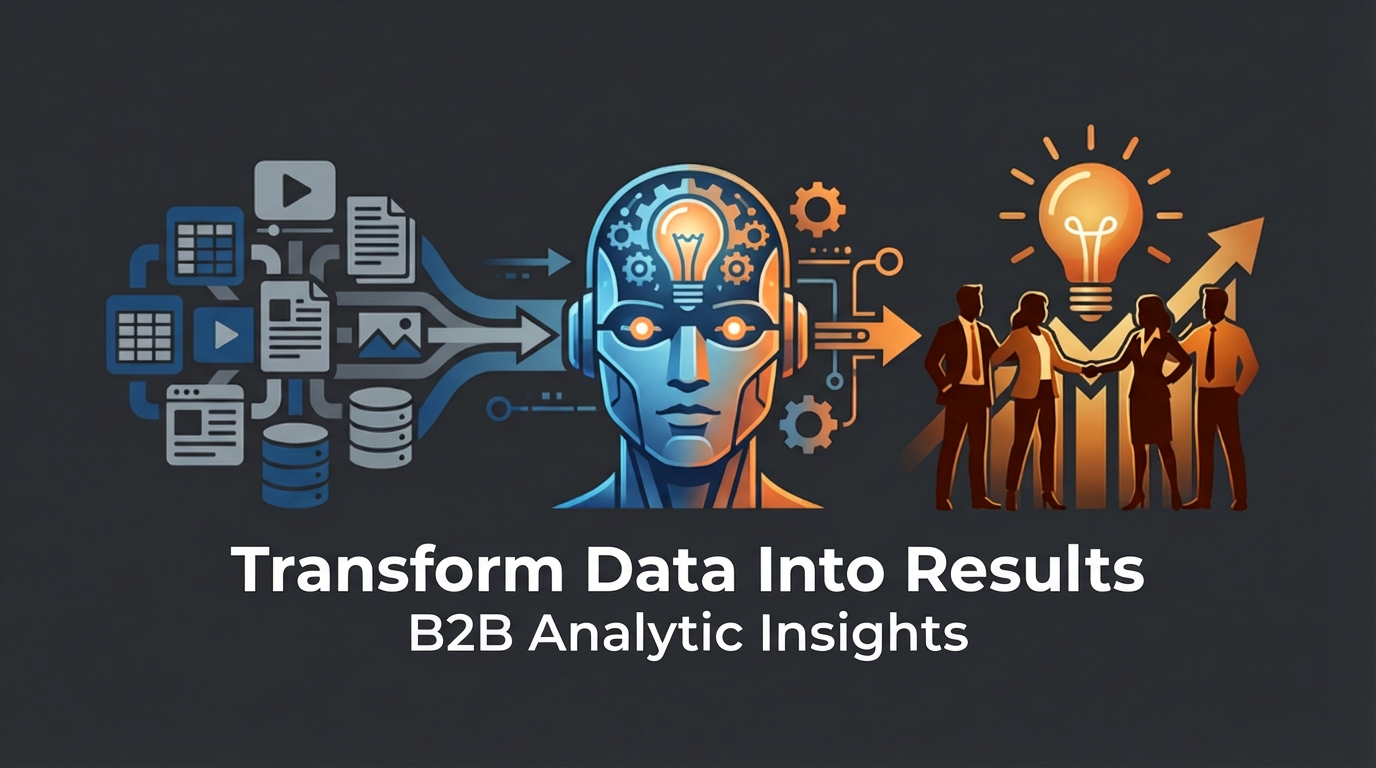
Our decades of experience taught us this. The numbers are the starting point. They never tell the full story. Moving beyond reading them transforms our role. We move from interpreters to strategists. From reporters to forecasters. We turn data into results. This is our commitment. This is our craft.