
What Modern Credit Scoring Gets Right (and What It Still Misses)
Modern Scoring: A Foundation for Insight
We’ve seen scoring evolve. From basic statistical models to sophisticated analytical engines, the goal remains constant: quantify risk. Today’s models, epitomized by VantageScore 4.0 and similar advancements, integrate an unprecedented depth of data. They move beyond snapshots. They capture behavior over time. This trended data changes the conversation. It creates a more complete picture of repayment momentum, not just static stability. We use these tools to build more robust credit functions.
The Power of Trended Data and Advanced Analytics
Modern scoring models incorporate trended data. This isn’t just more data, it’s smarter data. It tracks consumer behavior over 24-month cycles. This longitudinal view reveals patterns. It flags shifts in spending and repayment.
Expanding Access, Managing Risk
The impact is real. Consider mortgage lending. Models like VantageScore 4.0 show an improved ability to price risk. This reduces costs for lenders. It boosts pull-through rates significantly. We’ve seen examples where pull-through jumped from 8% to 20%. This means more homeownership for qualified applicants. It happens without increasing our exposure. The expansion is responsible. It’s driven by better insight.
Precision in Pricing
Better data means better pricing. We can differentiate risk more finely. This translates to competitive rates for low-risk borrowers. It means appropriate pricing for higher-risk profiles. This precision is not just about avoiding losses. It’s about optimizing portfolio returns. It’s about serving more customers effectively.
Beyond the Prime Applicant
A significant strength of modern models lies in their ability to assess thin files. Many creditworthy individuals have limited traditional credit history. Older models often penalized them. The new analytics can identify their repayment potential. This expands our addressable market. It provides opportunities for growth. It serves a broader segment of the economy.
Dynamic Credit Management: Adapting to Behavior
Credit is not static. Our management strategies shouldn’t be either. We must adapt to borrower behavior in real-time. This dynamic approach maximizes opportunity and mitigates emerging risk.
The “Low-and-Grow” Strategy
Consider the “low-and-grow” approach. Banks initiate modest credit limits. They observe repayment behavior. Positive behavior triggers limit increases. We’ve seen subprime limits grow by 285% over five years this way. This is not arbitrary. It’s based on demonstrated performance. It’s like a 60-point score gain for revolving accounts. This strategy builds customer loyalty and grows profitable relationships.
Credit Limit Optimization
Analyzing Federal Reserve Y-14M data informs this. Bank-initiated credit limit increases add $160 billion in yearly credit. Eighty percent of this is bank-driven. This proactive management is critical. It supports our customers’ evolving needs. It manages our own portfolio exposure. This is more than just underwriting. It’s about continuous relationship management.
Incorporating New Payment Behaviors
New payment methods emerge. Buy Now, Pay Later (BNPL) is one. Modern models adapt to include this data. This provides a more complete financial footprint. It allows us to assess consumer capacity more accurately. It is crucial for decisions on individuals adopting these new payment patterns.
The Shifting Landscape of Consumer Credit
The broader economic picture always influences credit performance. We must remain vigilant. Consumer stress manifests in various ways. Our models need to capture these signals.
Economic Indicators and Delinquencies
Recent data shows a mixed picture. Average credit scores are rising for some, but delinquencies are also up. FICO reports a dip to 714 due to student loans and mortgages. VantageScore, however, reports an average of 701, alongside lending growth. These discrepancies highlight the complexity. We must analyze both. We must understand the underlying drivers.
Identifying Pockets of Stress
We see consumer stress in specific areas. Student loan repayments resumed. Mortgage delinquencies tick up. These are not isolated events. They reflect broader economic pressures. We use our analytics to pinpoint these areas. We adjust our strategies accordingly. This early warning is invaluable.
The Role of Data Across the Enterprise
Credit risk intelligence extends beyond the credit department. It informs treasury. It informs sales. It informs strategic planning. It is a core part of decision intelligence. Our analytical capabilities serve the entire organization.
Beyond the Score: A Holistic View
A score is a powerful summary. But it’s not the whole story. We must integrate other intelligence sources. This creates a complete view of risk and opportunity.
Supply Chain Intelligence
For commercial lending, supply chain health is critical. Who are our borrowers’ key suppliers? What are their financial health indicators? What are their concentrations? A single point of failure can impact our entire book of business. Our intelligence gathers this. It identifies vulnerabilities. It informs our commercial lending decisions.
Complementary Data Sources
Beyond credit bureaus, we pull in alternative data. Cash flow analysis. Industry benchmarks. Public sentiment. Internal payment history. Each piece adds to the mosaic. It helps us see the full picture. This multi-faceted approach reduces blind spots. It improves our confidence in decisions.
The Human Element
Models are tools. They inform. They do not decide in a vacuum. Underwriters and portfolio managers interpret the output. They apply judgment. They account for qualitative factors unavailable to models. This blend of AI-driven analytics and human expertise is critical. It holds the tension between leading and collaborating.
The Future State: Prescriptive Analytics and AI
Our focus moves towards not just understanding what happened, or why, but what we should do next. This is the domain of prescriptive analytics. It’s where AI shines most brightly.
Proactive Risk Mitigation
We move from reactive to proactive. Prescriptive models identify potential defaults before they occur. They suggest interventions. Restructuring options. Targeted forbearance. This minimizes losses. It preserves relationships. It’s about managing the future, not just reporting on the past.
Optimizing Portfolio Performance
AI also helps optimize our portfolios. It suggests rebalancing. It identifies cross-sell opportunities. It anticipates market shifts. We use it to refine our strategies. We use it to maximize returns at a given risk level.
Decision Intelligence at Scale
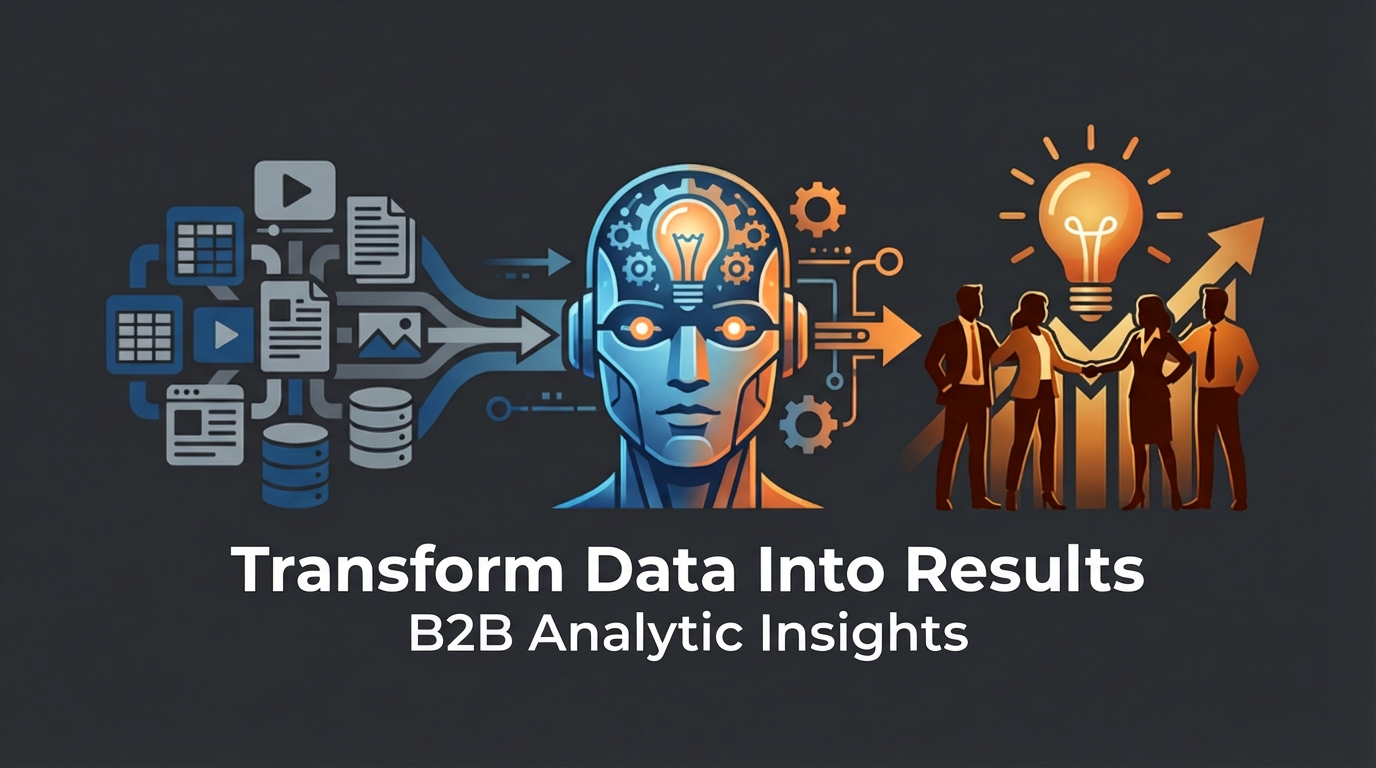
For commercial entities, this means thousands of credit decisions. Not individual loans. Entire portfolios. Our systems transform raw data into actionable insights. This enables faster, more consistent decisions. It provides a competitive advantage. It translates data into tangible business results. The transformation is continuous. We learn. We adapt. We lead.