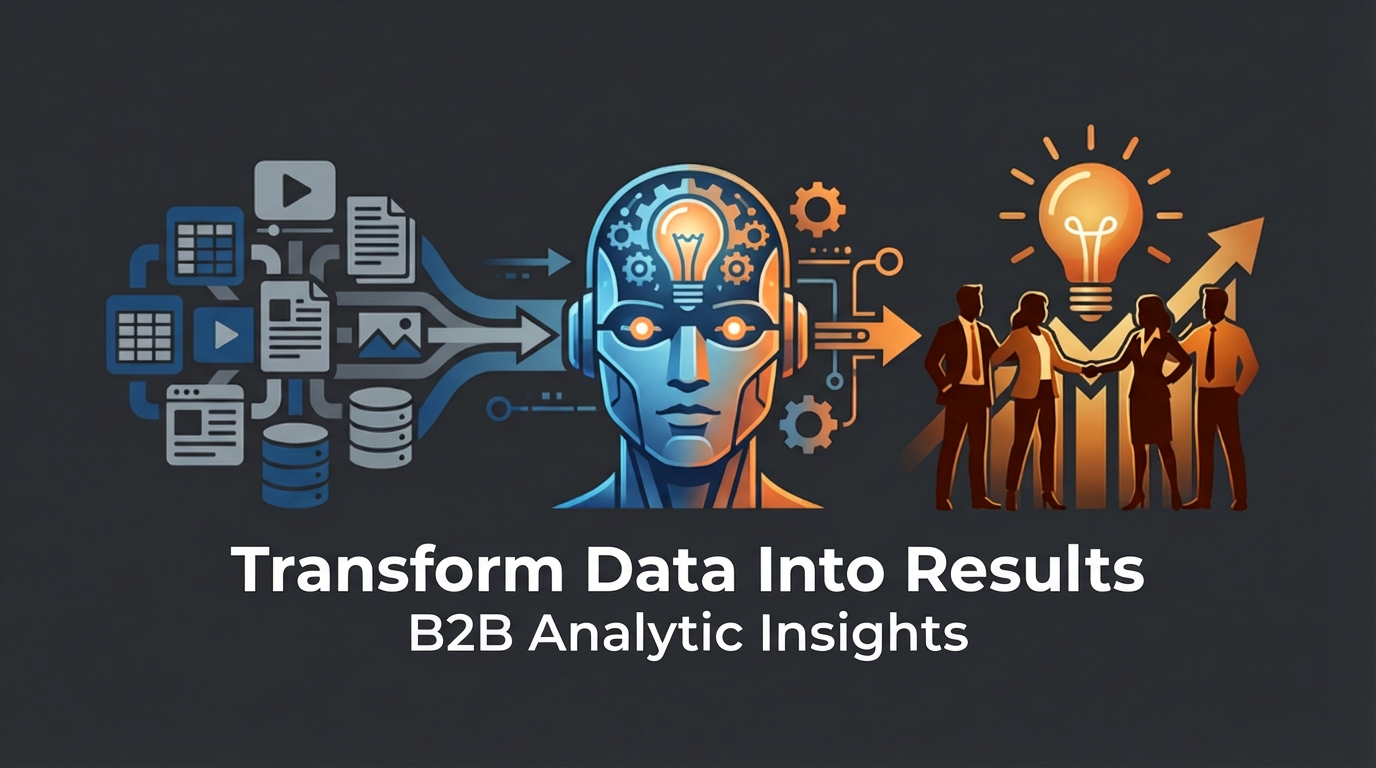

In today’s rapidly evolving business landscape, data-driven decision making has become increasingly important for CFOs. Gone are the days when financial leaders relied solely on intuition and experience to guide their strategies. With the abundance of data available, CFOs now have the opportunity to leverage insights and analytics to inform their decision-making process.
The benefits of using data to inform business strategies are numerous. By analyzing large volumes of data, CFOs can gain a deeper understanding of their organization’s financial health, identify trends and patterns, and make more informed decisions. Data-driven decision making also allows CFOs to anticipate future outcomes, optimize costs, mitigate risks, and drive profitable growth. In short, data has become a valuable asset for CFOs in today’s competitive business environment.
Key Takeaways
- Data-driven decision making is on the rise for CFOs
- Descriptive analytics is the foundation for data-driven success
- Predictive analytics allows for anticipating future outcomes with confidence
- Efficient and effective data-driven strategies rely on proper data management
- Accurate and reliable data is crucial for ensuring data integrity
Understanding Descriptive Analytics: The Foundation for Data-driven Success
Descriptive analytics is the first step in the data-driven decision-making process. It involves analyzing historical data to gain insights into past performance and understand the current state of affairs. By examining key financial metrics such as revenue, expenses, and profitability, CFOs can identify trends, patterns, and anomalies that may impact their organization’s financial health.
For example, descriptive analytics can help CFOs identify which products or services are driving revenue growth and which ones are underperforming. By understanding these trends, CFOs can make informed decisions about resource allocation, pricing strategies, and product development.
Descriptive analytics can also be used to improve business operations. By analyzing data on operational efficiency, CFOs can identify bottlenecks, inefficiencies, and areas for improvement. This can lead to cost savings, increased productivity, and improved customer satisfaction.
The Power of Predictive Analytics: Anticipating Future Outcomes with Confidence
While descriptive analytics provides insights into past performance, predictive analytics takes it a step further by forecasting future outcomes with confidence. By analyzing historical data and applying statistical models and algorithms, CFOs can predict future trends, identify potential risks, and make proactive decisions.
For example, predictive analytics can help CFOs forecast future sales volumes based on historical sales data, market trends, and other relevant factors. This can inform production planning, inventory management, and sales strategies.
Predictive analytics can also be used to identify potential risks and mitigate them before they occur. By analyzing historical data on customer behavior, market conditions, and other variables, CFOs can identify patterns that may indicate potential risks such as customer churn, fraud, or supply chain disruptions. This allows CFOs to take proactive measures to mitigate these risks and protect their organization’s financial health.
Data Management: The Key to Efficient and Effective Data-driven Strategies
To ensure accurate and reliable data for decision making, effective data management is crucial. Data management involves the collection, storage, organization, and analysis of data in a way that is efficient, secure, and compliant with regulatory requirements.
One of the key aspects of data management is data governance. Data governance involves establishing policies, procedures, and controls to ensure the quality, integrity, and security of data. This includes defining data standards, implementing data validation processes, and establishing access controls to protect sensitive data.
Another important aspect of data management is data integration. Data integration involves combining data from different sources into a single unified view. This allows CFOs to have a holistic view of their organization’s financial health and make more informed decisions.
Ensuring Data Integrity: The Importance of Accurate and Reliable Data
Accurate and reliable data is essential for effective data-driven decision making. Inaccurate or incomplete data can lead to flawed analysis and misguided decisions. Therefore, it is important for CFOs to ensure the integrity of their data.
One strategy for ensuring data integrity is data cleansing. Data cleansing involves identifying and correcting errors or inconsistencies in the data. This can include removing duplicate records, correcting misspellings or formatting errors, and validating data against predefined rules or standards.
Data validation is another important strategy for ensuring data integrity. Data validation involves checking the accuracy and consistency of data against predefined rules or standards. This can include checking for missing values, outliers, or inconsistencies in the data.
Profitable Growth: Achieving Business Success with Data-driven Insights

Data-driven insights can play a crucial role in driving profitable growth for organizations. By analyzing data on customer behavior, market trends, and other variables, CFOs can identify growth opportunities, develop targeted marketing strategies, and optimize pricing and product offerings.
For example, by analyzing customer data, CFOs can identify customer segments that are most profitable and develop targeted marketing campaigns to attract more customers from these segments. They can also analyze customer feedback and sentiment analysis to understand customer preferences and develop products or services that meet their needs.
Data-driven insights can also help CFOs optimize pricing strategies. By analyzing data on pricing elasticity, market demand, and competitor pricing, CFOs can determine the optimal price points for their products or services. This can help maximize revenue and profitability.
Leveraging Data-driven Insights for Cost Optimization and Risk Management
In addition to driving profitable growth, data-driven insights can also support cost optimization and risk management efforts. By analyzing data on operational efficiency, resource utilization, and other variables, CFOs can identify cost-saving opportunities and make informed decisions about resource allocation.
For example, by analyzing data on production costs, CFOs can identify areas of inefficiency or waste and implement measures to reduce costs. They can also analyze data on supplier performance to identify opportunities for cost savings through renegotiating contracts or sourcing from alternative suppliers.
Data-driven insights can also support risk management efforts. By analyzing historical data on customer behavior, market conditions, and other variables, CFOs can identify potential risks and develop strategies to mitigate them. This can include implementing fraud detection systems, diversifying supply chains, or developing contingency plans for potential disruptions.
Embracing Digital Transformation: Why CFOs Need to Adapt to a Data-driven World
In today’s digital age, embracing digital transformation is crucial for CFOs. Digital transformation involves leveraging technology and data to drive innovation, improve efficiency, and gain a competitive edge. Data-driven decision making is a key component of digital transformation.
By embracing digital transformation and adopting data-driven decision making, CFOs can gain a competitive edge in the market. They can leverage data to identify new business opportunities, optimize costs, mitigate risks, and drive profitable growth. In addition, by embracing digital technologies such as cloud computing, artificial intelligence, and advanced analytics, CFOs can improve efficiency and streamline their operations.
Overcoming Challenges: Common Obstacles to Data-driven Success and How to Overcome Them
While data-driven decision making offers numerous benefits, there are also common challenges that companies face when implementing data-driven strategies. These challenges include data quality issues, lack of data literacy among employees, and resistance to change.
To overcome these challenges, companies can implement several strategies. First, they can invest in data quality management systems and processes to ensure the accuracy and reliability of their data. This can include implementing data validation processes, data cleansing tools, and data governance frameworks.
Second, companies can invest in training programs to improve data literacy among employees. This can include providing training on data analysis tools and techniques, as well as promoting a data-driven culture within the organization.
Finally, companies can address resistance to change by involving employees in the decision-making process and communicating the benefits of data-driven decision making. This can include providing clear goals and objectives for the data-driven initiatives and demonstrating how they align with the company’s overall strategy.
The Future of CFOs in a Data-driven World
In conclusion, data-driven decision making has become increasingly important for CFOs in today’s business landscape. By leveraging data and analytics, CFOs can gain insights into their organization’s financial health, anticipate future outcomes, optimize costs, mitigate risks, and drive profitable growth.
To achieve data-driven success, CFOs need to invest in data management systems and processes to ensure the accuracy and reliability of their data. They also need to ensure data integrity by implementing data cleansing and validation processes. In addition, CFOs need to embrace digital transformation and adopt data-driven decision making as a key component of their overall strategy.
By overcoming common challenges and embracing data-driven decision making, CFOs can position themselves as strategic partners within their organizations and drive business success in the data-driven world. The potential impact of data-driven strategies on business success is significant, and CFOs who embrace this approach will be well-positioned for the future.
If you’re a CFO looking to harness the power of data-driven decision-making, you won’t want to miss this insightful article from B2B Analytic Insights. In their blog post titled “The Power of Analytics: Transforming Data into Meaningful Actions,” they delve into the transformative impact that analytics can have on businesses. This article provides valuable insights and practical tips for CFOs who want to leverage data to drive success. Check out the article here and discover why traditional methods simply can’t match the power of data-driven strategies.