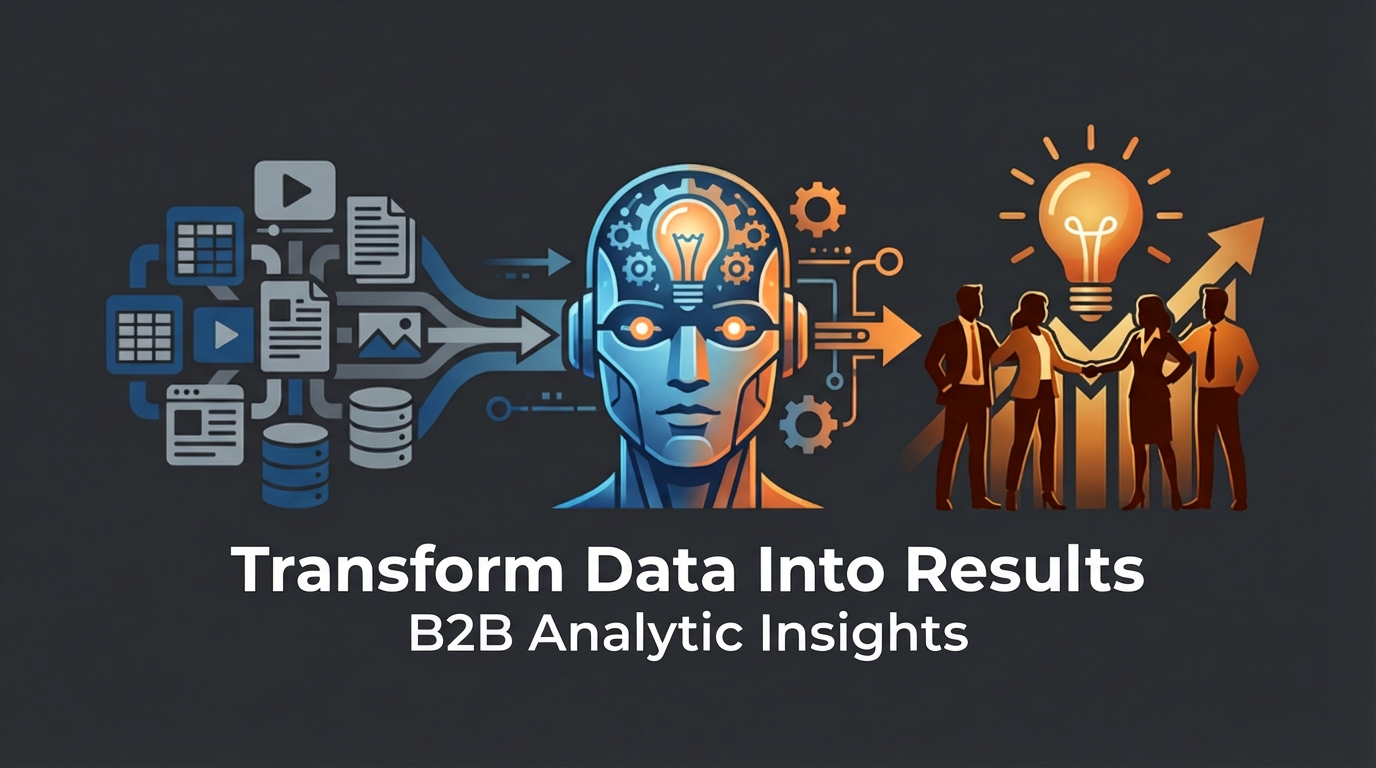

The DIKW model, which stands for Data, Information, Knowledge, and Wisdom, serves as a framework for understanding the transformation of raw data into actionable insights. At its core, the model illustrates a hierarchy where data is the foundational element, followed by information, knowledge, and ultimately wisdom. Data consists of raw facts and figures devoid of context; it is the unprocessed input that organizations collect from various sources.
For instance, a series of numbers representing sales figures over a month can be classified as data. However, when these figures are organized and contextualized—such as by comparing them to previous months or analyzing them against industry benchmarks—they transform into information. As we move up the hierarchy, knowledge emerges from the synthesis of information.
Knowledge is not merely about having access to information; it involves understanding the implications of that information and how it can be applied in real-world scenarios. For example, a sales manager who analyzes monthly sales data and identifies trends in customer purchasing behavior possesses knowledge that can inform future marketing strategies. Wisdom, the pinnacle of the DIKW model, represents the ability to make sound judgments based on knowledge.
It encompasses not only the understanding of data and its implications but also the foresight to apply that understanding in a way that aligns with long-term goals and ethical considerations. Thus, the DIKW model provides a structured approach to navigating the complexities of data utilization in various contexts.
Key Takeaways
- The DIKW model stands for Data, Information, Knowledge, and Wisdom, representing the hierarchy of information processing.
- Data is the foundation of business intelligence, providing the raw material for analysis and decision making.
- Knowledge derived from data analysis is crucial for making strategic decisions that drive business success.
- Implementing the DIKW model in business intelligence involves collecting, organizing, and analyzing data to generate actionable insights.
- Measuring the value of data in business intelligence requires assessing the impact of data-driven decisions on business performance and outcomes.
The Importance of Data in Business Intelligence
In the realm of business intelligence (BI), data serves as the lifeblood that fuels decision-making processes. Organizations today are inundated with vast amounts of data generated from diverse sources such as customer interactions, market trends, and operational metrics. This data, when harnessed effectively, can provide invaluable insights that drive strategic initiatives and enhance competitive advantage.
The importance of data in BI cannot be overstated; it is the foundation upon which organizations build their analytical capabilities. For instance, companies like Amazon leverage customer purchase data to personalize recommendations, thereby enhancing user experience and driving sales. Moreover, the role of data in BI extends beyond mere collection; it involves rigorous analysis and interpretation to extract meaningful insights.
Advanced analytics techniques, including predictive modeling and machine learning algorithms, enable organizations to identify patterns and trends within their data sets. This analytical prowess allows businesses to anticipate market shifts, optimize operations, and tailor their offerings to meet customer demands more effectively. For example, retail giants utilize point-of-sale data to analyze purchasing patterns during different seasons, enabling them to adjust inventory levels proactively and minimize stockouts or overstock situations.
In this way, data becomes a strategic asset that informs every facet of business operations.
Leveraging Knowledge for Strategic Decision Making

Knowledge is a critical component in the decision-making process within organizations. It transcends mere information by incorporating context, experience, and expertise. When leaders leverage knowledge effectively, they can make informed decisions that align with their organization’s objectives and values.
For instance, a company facing declining market share may analyze competitive intelligence reports alongside internal performance metrics to identify areas for improvement. By synthesizing this knowledge, decision-makers can formulate strategies that address weaknesses while capitalizing on emerging opportunities. Furthermore, fostering a culture of knowledge sharing within an organization enhances collective intelligence and drives innovation.
When employees are encouraged to share insights and collaborate across departments, they contribute to a richer pool of knowledge that can be tapped into for strategic initiatives. For example, a technology firm might establish cross-functional teams to brainstorm solutions for product development challenges. By integrating diverse perspectives and expertise, these teams can generate innovative ideas that propel the organization forward.
Ultimately, leveraging knowledge not only enhances decision-making but also cultivates an environment where continuous learning and improvement are prioritized.
Implementing the DIKW Model in Business Intelligence
| Stage | Description | Metrics |
|---|---|---|
| Data | Collecting raw data from various sources | Data volume, data quality, data sources |
| Information | Organizing and processing data to make it meaningful | Information accuracy, information relevance |
| Knowledge | Extracting insights and patterns from information | Knowledge discovery, knowledge application |
| Wisdom | Using knowledge to make strategic decisions | Wisdom application, business impact |
Implementing the DIKW model within business intelligence frameworks requires a systematic approach that emphasizes the transformation of data into actionable insights. Organizations must first establish robust data collection mechanisms to ensure they capture relevant and high-quality data from various sources. This may involve investing in advanced data management systems that facilitate real-time data acquisition and storage.
Once data is collected, it must be processed and organized to convert it into meaningful information. This step often involves employing data visualization tools that allow stakeholders to interpret complex data sets easily. The next phase involves transforming information into knowledge through analysis and interpretation.
Organizations can utilize business intelligence tools that incorporate advanced analytics capabilities to uncover trends and correlations within their data. For instance, a financial institution might analyze transaction data to identify customer segments with specific spending behaviors. By understanding these segments better, the institution can tailor its marketing efforts and product offerings accordingly.
Finally, organizations must strive to cultivate wisdom by integrating knowledge into their strategic decision-making processes. This may involve establishing governance frameworks that ensure decisions are made based on comprehensive analyses rather than intuition alone.
Measuring the Value of Data in Business Intelligence
Measuring the value of data in business intelligence is essential for justifying investments in data management and analytics initiatives. Organizations can employ various metrics to assess how effectively they are leveraging their data assets. One common approach is to evaluate return on investment (ROI) by comparing the costs associated with data initiatives against the financial benefits derived from improved decision-making and operational efficiencies.
For example, a manufacturing company that implements a predictive maintenance program based on machine performance data may realize significant cost savings by reducing downtime and extending equipment lifespan. Additionally, organizations can assess the impact of data on key performance indicators (KPIs) relevant to their business objectives. By tracking metrics such as customer satisfaction scores, sales growth rates, or operational efficiency ratios before and after implementing data-driven strategies, companies can gain insights into how effectively they are utilizing their data resources.
Furthermore, qualitative assessments—such as employee feedback on decision-making processes—can provide valuable context regarding the perceived value of data within the organization. Ultimately, measuring the value of data requires a multifaceted approach that considers both quantitative and qualitative factors.
Challenges and Opportunities in Unlocking Data’s Value

While the potential benefits of unlocking data’s value are substantial, organizations face several challenges in this endeavor. One significant hurdle is ensuring data quality and integrity. Inaccurate or incomplete data can lead to misguided decisions that undermine organizational objectives.
To mitigate this risk, companies must implement robust data governance practices that establish standards for data collection, storage, and usage. This includes regular audits and validation processes to ensure that data remains reliable over time. Another challenge lies in fostering a culture that embraces data-driven decision-making across all levels of the organization.
Resistance to change can hinder efforts to integrate analytics into everyday operations. To overcome this barrier, leadership must champion the importance of data literacy and provide training opportunities for employees at all levels. By equipping staff with the skills needed to interpret and analyze data effectively, organizations can create an environment where informed decision-making becomes ingrained in their culture.
Despite these challenges, numerous opportunities exist for organizations willing to invest in unlocking their data’s value. The rise of advanced analytics technologies—such as artificial intelligence (AI) and machine learning—offers unprecedented capabilities for extracting insights from vast datasets. These technologies enable organizations to automate routine analyses and uncover hidden patterns that may not be immediately apparent through traditional methods.
Additionally, as businesses increasingly adopt cloud-based solutions for data storage and processing, they gain access to scalable resources that facilitate real-time analytics. In conclusion, while challenges persist in harnessing the full potential of data within business intelligence frameworks, proactive measures can pave the way for significant opportunities. By prioritizing data quality, fostering a culture of analytics-driven decision-making, and leveraging advanced technologies, organizations can unlock valuable insights that drive innovation and enhance competitive advantage in an ever-evolving marketplace.