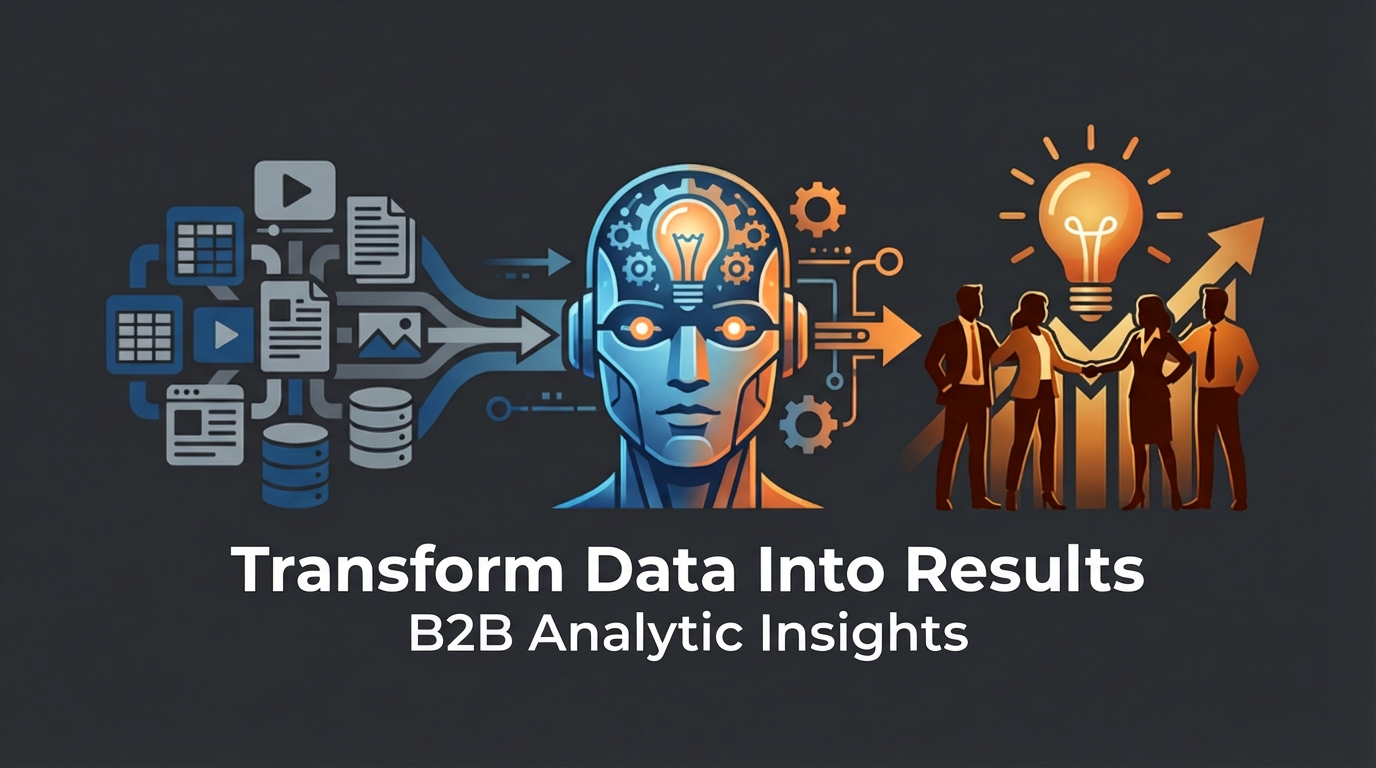

Data warehousing is a critical component of modern data management strategies, serving as a centralized repository where organizations can store, manage, and analyze vast amounts of data from various sources. This concept emerged in the late 1980s and has evolved significantly over the years, driven by the increasing need for businesses to make data-driven decisions. A data warehouse consolidates data from multiple operational systems, transforming it into a format suitable for analysis and reporting.
This process not only enhances the accessibility of data but also improves its quality and consistency, enabling organizations to derive meaningful insights. The architecture of a data warehouse typically involves several layers, including data extraction, transformation, and loading (ETL), as well as storage and presentation layers. These layers work together to ensure that data is collected from disparate sources, cleansed, and organized in a way that supports complex queries and analytical processes.
As businesses continue to generate and collect more data than ever before, the importance of data warehousing becomes increasingly apparent. It empowers organizations to harness their data effectively, facilitating better decision-making and strategic planning.
Key Takeaways
- Data warehousing is a process of collecting, storing, and managing data from various sources to provide meaningful insights for decision-making.
- Businesses can benefit from data warehousing by gaining access to accurate and timely information, improving decision-making, and enhancing operational efficiency.
- Key components of data warehousing include data extraction, transformation, loading, and storage, as well as tools for data analysis and reporting.
- Best practices for data warehousing include establishing clear business objectives, ensuring data quality, and maintaining data security and privacy.
- The implementation process of data warehousing involves data modeling, ETL (extract, transform, load) processes, and creating a data warehouse architecture.
Benefits of Data Warehousing for Businesses
Improved Decision-Making Capabilities
By providing a unified view of data from various sources, a data warehouse enables stakeholders to access accurate and timely information. This accessibility allows for more informed decisions based on comprehensive analyses rather than relying on fragmented or outdated data.
Enhanced Reporting Efficiency
Traditional reporting methods often involve manual data collection and analysis, which can be time-consuming and prone to errors. In contrast, a data warehouse automates these processes, allowing users to generate reports quickly and with greater accuracy. This efficiency not only saves time but also frees up resources that can be redirected toward more strategic initiatives.
Uncovering Hidden Trends and Patterns
The ability to conduct complex queries across large datasets enables organizations to uncover trends and patterns that may not be immediately apparent, further enhancing their analytical capabilities.
Key Components of Data Warehousing

A robust data warehousing solution comprises several key components that work in tandem to facilitate effective data management and analysis. The first of these components is the ETL process, which stands for Extract, Transform, Load. This process is crucial for gathering data from various sources, such as transactional databases, CRM systems, and external data feeds.
During the extraction phase, relevant data is identified and pulled from these sources. The transformation phase involves cleansing and formatting the data to ensure consistency and accuracy before it is loaded into the warehouse. Another essential component is the data storage layer, which is responsible for housing the transformed data in a structured format.
This layer typically utilizes a relational database management system (RDBMS) or a cloud-based storage solution designed for analytical workloads. The choice of storage technology can significantly impact performance and scalability, making it a critical consideration during implementation. Additionally, the presentation layer is vital for enabling users to interact with the data warehouse through reporting tools and dashboards.
This layer provides the necessary interfaces for business intelligence (BI) applications to visualize and analyze the stored data effectively.
Data Warehousing Best Practices
| Best Practice | Description |
|---|---|
| Data Quality | Ensure that the data being stored in the data warehouse is accurate, complete, and consistent. |
| Scalability | Design the data warehouse to handle increasing amounts of data and user queries without sacrificing performance. |
| Security | Implement strong security measures to protect sensitive data stored in the data warehouse. |
| Performance Tuning | Regularly optimize the data warehouse to ensure fast query performance and efficient data retrieval. |
| Data Governance | Establish clear policies and procedures for managing and using data within the data warehouse. |
To maximize the effectiveness of a data warehousing solution, organizations should adhere to several best practices throughout the design and implementation phases. One fundamental practice is to establish clear objectives and requirements before embarking on a data warehousing project. Understanding the specific business needs and desired outcomes will guide the selection of appropriate technologies and methodologies.
Engaging stakeholders from various departments during this phase ensures that the final solution aligns with organizational goals. Another best practice involves maintaining a focus on data quality throughout the ETL process. Implementing rigorous validation checks during extraction and transformation can help identify inconsistencies or inaccuracies early on.
Additionally, organizations should consider establishing a governance framework that outlines policies for data management, security, and compliance. This framework not only helps maintain high-quality data but also fosters accountability among team members responsible for managing the warehouse.
Data Warehousing Implementation Process
The implementation of a data warehousing solution typically follows a structured process that includes several key phases: planning, design, development, testing, and deployment. The planning phase involves defining the project scope, identifying stakeholders, and establishing timelines and budgets. During this phase, organizations should also assess their existing infrastructure to determine whether upgrades or new technologies are necessary.
Once planning is complete, the design phase begins, focusing on creating a blueprint for the data warehouse architecture. This includes defining the schema, selecting appropriate ETL tools, and determining how data will be stored and accessed. Following design approval, development commences with the actual construction of the warehouse.
This phase includes building the ETL processes, setting up storage solutions, and developing user interfaces for reporting and analysis. Testing is a critical phase that ensures the functionality and performance of the data warehouse meet established requirements. Organizations should conduct thorough testing to identify any issues before deployment.
Once testing is complete and any necessary adjustments have been made, the final deployment can occur. Post-deployment activities often include user training and ongoing support to ensure that stakeholders can effectively utilize the new system.
Data Warehousing Tools and Technologies

Traditional On-Premises Solutions
Traditional on-premises solutions often utilize relational database management systems (RDBMS) such as Oracle Database or Microsoft SQL Server. These systems provide robust capabilities for managing structured data but may require significant hardware investments and maintenance efforts.
Cloud-Based Data Warehousing Solutions
In recent years, cloud-based data warehousing solutions have gained popularity due to their scalability and flexibility. Platforms like Amazon Redshift, Google BigQuery, and Snowflake allow organizations to store vast amounts of data without the need for extensive on-premises infrastructure. These cloud solutions often come with built-in analytics capabilities and can easily integrate with various BI tools, making them attractive options for businesses looking to modernize their data strategies.
Data Integration and ETL Tools
Additionally, organizations can leverage ETL tools such as Apache NiFi or Talend to streamline their data integration processes. These tools facilitate the extraction of data from multiple sources, its transformation into usable formats, and its loading into the warehouse efficiently. The choice of tools will depend on factors such as budget constraints, existing technology stacks, and specific use cases.
Data Warehousing Challenges and Solutions
Despite its numerous benefits, implementing a data warehousing solution is not without challenges. One common issue organizations face is managing the sheer volume of data generated daily. As businesses grow and accumulate more information from various sources, ensuring that the warehouse can handle this influx becomes increasingly complex.
To address this challenge, organizations can adopt scalable architectures that allow for incremental growth without compromising performance. Another significant challenge is ensuring data quality across disparate sources. Inconsistent or inaccurate data can lead to flawed analyses and misguided business decisions.
To mitigate this risk, organizations should implement robust data governance practices that include regular audits and validation processes throughout the ETL pipeline. Establishing clear ownership of data elements within the organization can also enhance accountability for maintaining quality standards.
Future Trends in Data Warehousing
As technology continues to evolve at a rapid pace, several trends are shaping the future of data warehousing. One notable trend is the increasing adoption of artificial intelligence (AI) and machine learning (ML) within data warehousing environments. These technologies enable organizations to automate various aspects of data management, from ETL processes to predictive analytics.
By leveraging AI-driven insights, businesses can enhance their decision-making capabilities significantly. Another emerging trend is the shift towards real-time analytics facilitated by modern cloud-based solutions. Traditional batch processing methods are giving way to streaming analytics that allows organizations to analyze data as it arrives rather than waiting for scheduled updates.
This capability is particularly valuable in industries where timely insights are critical for operational efficiency or customer satisfaction. Furthermore, there is a growing emphasis on self-service analytics tools that empower business users to access and analyze data without relying heavily on IT departments. These tools democratize access to information within organizations, fostering a culture of data-driven decision-making across all levels of staff.
In conclusion, as businesses continue to navigate an increasingly complex digital landscape, effective data warehousing will remain essential for harnessing the power of their data assets. By understanding its components, benefits, challenges, and future trends, organizations can position themselves strategically to leverage their information for sustained growth and innovation.