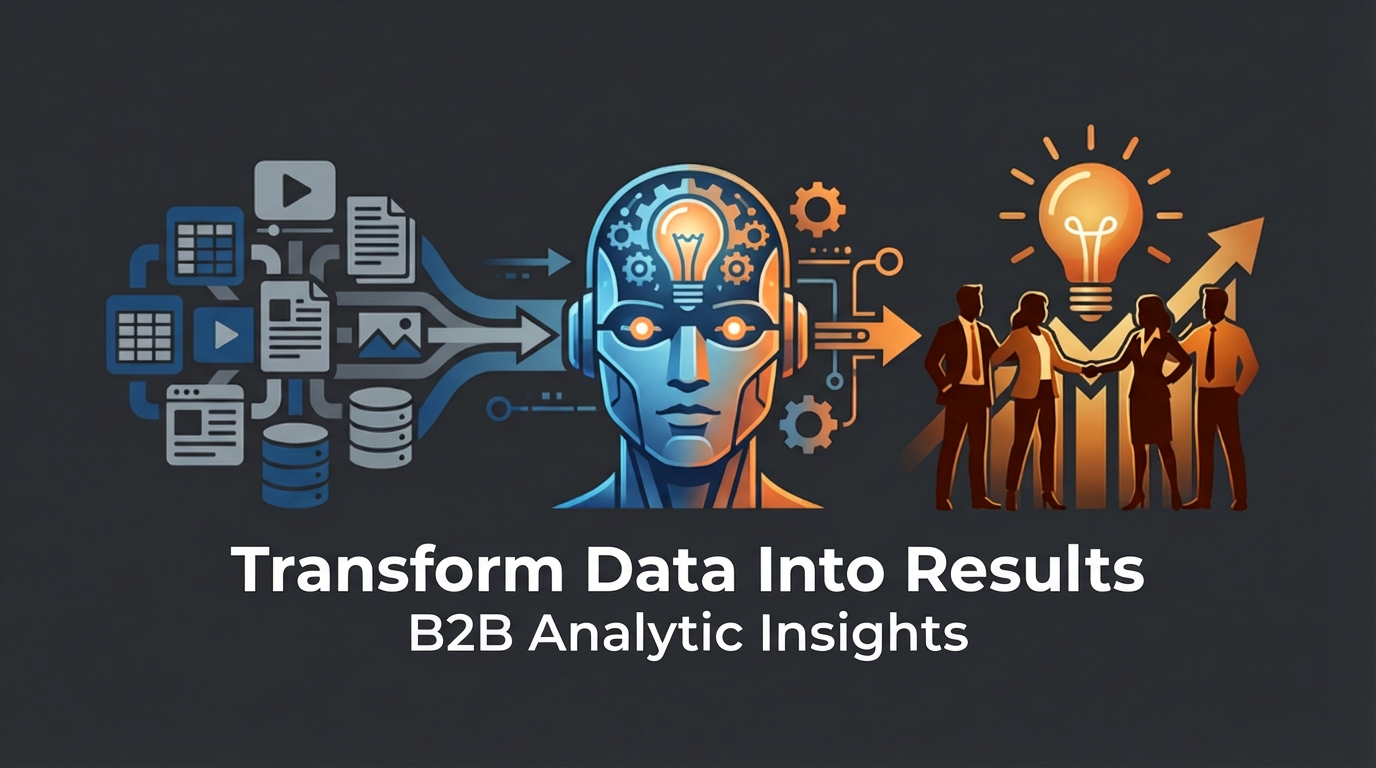

Extending credit is a foundational act. It fuels commerce. It builds relationships. It carries inherent risk. Our goal is to shift that risk. We move it from unknown to understood. We transform data into results.
We’ve supported thousands of commercial entities for several decades. We’ve seen cycles, booms, and busts. We’ve learned that assumptions cost money. Facts save it.
This isn’t about fancy models. It’s about sound decisions. It’s about knowing your counterparty. It’s about turning insight into action.
The Foundation of Foresight
Credit decisions impact the balance sheet directly. They affect cash flow. They shape profitability. Hasty extensions punish the diligent. Prudent ones reward the insightful.
Annual reports offer a snapshot. They don’t predict tomorrow. Especially in volatile markets. We need more. We need depth. We need proactive intelligence.
Credit risk isn’t static. It’s dynamic. It responds to markets, management, and global events. We must respond with equal agility.
A Holistic View of Customer Health
We start with the fundamentals. Payment history is paramount. It’s a direct indicator of past performance. Financial statements offer structure. They show assets, liabilities, and equity. But look deeper.
Public records reveal more. Liens, judgments, bankruptcies. These are red flags. Don’t ignore them.
Cash flow is the lifeline. Predict its impact. Understand how a new relationship affects your liquidity. Before you onboard.
Building Effective Credit Policies
Effective credit policies are not rigid. They evolve. They adapt to risk. They reward reliability.
Tiered Credit Lines for Managed Exposure
Start small. For new or risky customers, limit initial exposure. This creates a trial period. It builds trust. Or it identifies problems early.
Incentivizing Prompt Payment
Reliable customers deserve recognition. Higher credit limits, extended terms. These are tools to strengthen relationships. They encourage consistent performance.
Proactive Adjustments Based on Performance
Don’t wait for a problem. Monitor payment behavior. Adjust terms. Be proactive. A customer’s situation can change quickly. Your policy should reflect that. Assume nothing. Even large firms can falter.
Supply Chain Intelligence: Uncovering Hidden Risks
Your customer doesn’t exist in a vacuum. They are part of a larger ecosystem. Their health depends on it. Your credit decision must reflect that reality.
Mapping the Vendor Network
Who are your customer’s critical suppliers? What is their financial health? A strong customer with weak suppliers is still a risk. Understand their dependencies.
Identifying Single Points of Failure
Are they reliant on one supplier for a key component? What happens if that supplier fails? Diversification reduces risk. Lack of it amplifies it.
Assessing Geopolitical and Environmental Exposures
Supply chains are global. They cross borders. They face international pressures. Political instability, natural disasters, trade wars. These are not abstract concepts. They have concrete impacts. Assess these exposures. Understand their potential effect on your customer. And therefore, on your credit.
Decision Intelligence: From Data to Action

Data is inert. Intelligence is actionable. We transform data streams into clear pathways for decision making.
The Power of AI-Driven Analytics
AI offers a precision we didn’t have before. It processes vast datasets. It identifies patterns. It reveals insights.
Predictive Analytics for Risk Anticipation
AI predicts payment behaviors. It forecasts market trends. This isn’t crystal ball gazing. It’s statistical probability. It quantifies future risk. It helps tailor credit terms. Before the fact. Not after.
Prescriptive Analytics for Optimal Outcomes
Beyond prediction, AI can prescribe action. It suggests optimal credit limits. It recommends payment plan adjustments. It guides interventions. This shifts proactive to preventative.
Due Diligence: The Non-Negotiable Essentials

Diligent investigation protects your capital. It builds confidence. It’s a necessary step. Every time.
Comprehensive Application and Verification
A credit application is your first data point. Insist on completeness. Verify everything.
Scrutinizing Financial Statements and Ratios
Look beyond the top-line numbers. Current ratio is critical. A 2:1 ratio suggests health. Lower indicates strain. Debt-to-equity, quick ratio. These tell a story. Read it carefully.
Validating Trade and Bank References
Don’t just collect references. Verify them. Speak to them. Ask direct questions. Are payments timely? Are there disputes?
External Research and Reporting
Supplement internal findings. Leverage external data.
Credit Reports from Specialized Bureaus
Dun & Bradstreet, Experian, others. These reports provide another layer of insight. They offer historical payment data. They present risk scores. Use them.
News and Public Record Searches
Google is a tool. Search for recent news. Lawsuits, regulatory actions, management changes. These impact creditworthiness. Stay informed.
Risk Layers for Account Protection
| Metrics | Data |
|---|---|
| Number of credit applications | 100 |
| Number of credit reports pulled | 80 |
| Number of credit approvals | 60 |
| Number of credit denials | 20 |
Layering protection builds resilience. It reduces exposure. It safeguards your accounts receivable.
Joint Checks and Guaranteed Payments
For higher-risk scenarios, consider joint checks. Or require guarantees. These mechanisms reroute payment. They reduce your direct exposure to the primary obligor.
Strategic Max Limits and Down Payments
Implement absolute maximum limits. Even for strong customers. No single customer should represent an outsized risk. For new or questionable accounts, demand down payments. This reduces your initial outlay. It tests commitment.
Continuous Monitoring and Early Warning Systems
Risk isn’t static. It evolves. Continuous monitoring is essential. Set up alerts. Track key performance indicators. Changes in payment patterns, industry news, economic indicators. These are your early warning signals. Act on them.
Conclusion: Data Serves the Decision
We don’t chase data. We extract insight. We build intelligence. We transform it into results. Our experience confirms this approach. For thousands of commercial entities. For decades.
This isn’t about avoiding all risk. It’s about understanding it. It’s about mitigating it. It’s about making informed credit decisions. Decisions that protect your capital. Decisions that build strong customer relationships. Decisions that drive profitable growth. That is the goal.