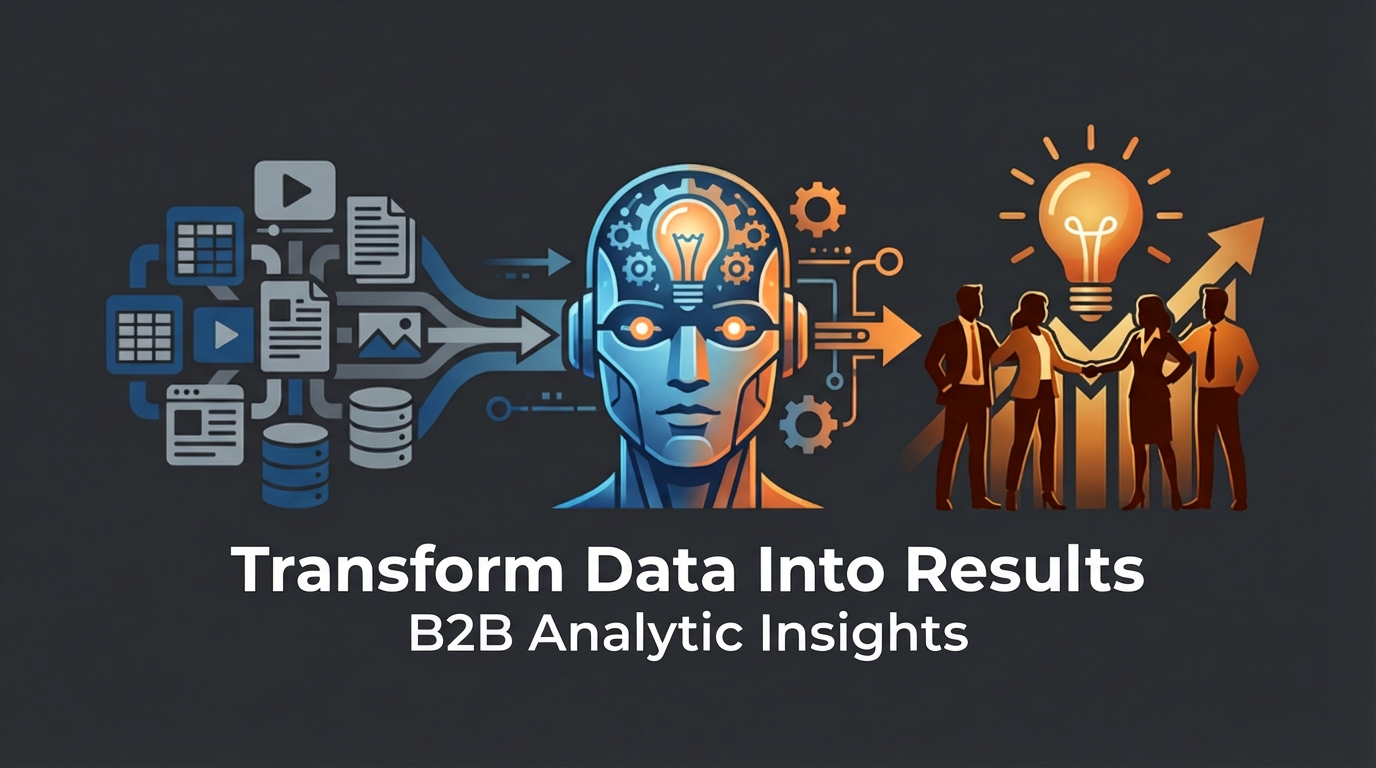

Credit decisions demand a complete picture. Ownership structures are often the missing pieces. We see this daily. Understanding corporate linkage isn’t an extra step. It’s fundamental. You need to know who truly owns whom. This clarity drives sound credit risk assessment.
The Invisible Threads of Risk
Credit decisions are more than financial statements. We look at the borrower, yes. But who stands behind that borrower? Who influences them? These are not abstract questions. They dictate real outcomes. Lack of this insight leads to blind spots. Those blind spots become risk.
Financial statements tell one story. Corporate linkage tells another. Sometimes, these stories conflict. Our work over several decades confirms this. A seemingly independent entity might be part of a larger, riskier network. Or, conversely, a struggling subsidiary might have deep, supportive pockets. We need to see these connections.
The Problem of Proxies
Public filings are a starting point. They are rarely the endpoint. Nominee shareholders, complex holding structures, and international subsidiaries obscure ownership. These structures are legal. They are also opaque. We confront this complexity with purpose. Our goal is to see through it.
The Contagion Pathway
A weak link in a corporate chain affects the whole. A default by one entity can ripple through related parties. Your exposure might multiply without direct awareness. This isn’t theoretical. We’ve observed it across thousands of commercial entities. The contagion pathway is real. It’s a critical credit risk factor.
Enhancing Credit Risk Assessment with Ownership Intelligence
Ownership intelligence moves us from descriptive to diagnostic. It explains why a particular risk profile exists. It grounds our predictive models. This understanding allows for more precise risk mitigation. It’s about being proactive, not reactive.
Identifying Ultimate Beneficial Ownership (UBO)
Knowing the UBO is paramount. It’s the single most important piece of ownership information. This is often the entity or individual truly controlling decisions. Without it, you’re making assumptions. Good credit decisions don’t rely on assumptions. They rely on facts.
Mapping the Corporate Family Tree
A visual representation of ownership helps. It makes complex structures digestible. But it’s more than a diagram. It reveals influence. It reveals interdependencies. Each branch, each subsidiary, each parent. All contribute to overall risk. We use sophisticated tools to build these maps. They transform raw data into actionable intelligence.
Quantifying Intercompany Risk
Once mapped, we quantify the risk. What are the shared liabilities? What are the cross-guarantees? How strong is the parent’s commitment? These are prescriptive questions. They lead to explicit credit limit adjustments. They lead to tailored covenants. This is how intelligence translates to action.
Supply Chain Intelligence: A New Dimension of Credit Risk
Your borrower is part of a larger ecosystem. Their suppliers and customers are critical. Their ownership structures affect your borrower’s stability. Supply chain intelligence is no longer optional. It’s integral to credit.
Dependency Risk
A borrower’s reliance on a single, financially unstable supplier presents risk. If that supplier falters, your borrower suffers. What if that supplier is also owned by the same ultimate beneficial owner as your borrower? The risk consolidates. This is a common scenario. Without ownership data, it remains hidden.
Strategic Alignment and Divergence
Ownership can reveal strategic alliances. It can also hint at potential divestitures. A change in UBO can signal a shift in business direction. This impacts your borrower’s long-term viability. We use this intelligence to anticipate. We don’t wait for the headline.
AI-Driven Analytics: Transforming Ownership Data into Decisions
The volume of ownership data is immense. Manual analysis falls short. AI-driven analytics change this. They extract, connect, and analyze at scale. This transforms latent data into explicit insight. It turns complexity into clarity.
Automating Linkage Discovery
AI algorithms excel at pattern recognition. They identify connections across disparate datasets. This automates the discovery of corporate linkages. It flags hidden relationships. It processes thousands of entities, consistently. This saves time and reduces human error.
Predictive Risk Indicators
Once connections are established, AI goes further. It identifies patterns correlated with default. It can predict contagion pathways. This moves from descriptive to predictive. It provides early warning signals. These are invaluable for proactive risk management.
Prescriptive Actionables
AI doesn’t just predict. It can suggest actions. It identifies which entities to monitor more closely. It suggests alternative structuring for credit. This is prescriptive. It turns insight into a direct path for action.
Decision Intelligence: From Insight to Impact
| Metrics | Data |
|---|---|
| Company Name | ABC Corporation |
| Ownership Structure | Publicly traded |
| Major Shareholders | John Smith (CEO), XYZ Investment Firm |
| Shareholding Percentage | John Smith – 30%, XYZ Investment Firm – 20% |
| Financial Performance | Revenue: 100 million, Net Income: 10 million |
Ultimately, our work serves decision intelligence. Ownership insights are not an end. They are a means. They guide effective, profitable credit decisions. They protect against unforeseen losses.
The Holistic Credit View
Ownership links complete the holistic credit view. They sit alongside financial performance, market conditions, and management quality. Each piece informs the other. A robust decision considers all elements.
Confidence in Complexity
The corporate world is complex. We embrace this reality. Our goal is not to simplify it. It is to navigate it with confidence. Ownership intelligence provides that confidence. It empowers better, faster decisions.
Delivering Tangible Results
Our approach delivers tangible results. Reduced default rates. More accurate risk pricing. Increased portfolio resilience. These are not aspirations. They are the consistent outcomes. We transform raw data into results that matter to your bottom line. Your credit decisions are stronger when built on a foundation of true ownership understanding.