
We manage risk. We enable growth. Our work demands accuracy. Our decades of experience taught us that. We deal with thousands of commercial entities. Each one represents a unique risk profile. Traditional methods served us well. Now, they fall short.
The Human Element: Our Strength and Our Limitation
We pride ourselves on our judgment. Our intuition develops over years. It’s hard-won wisdom. We sift through financial statements. We analyze historical performance. We conduct interviews. This is the core of our work.
Subjectivity in Review
Human review introduces variability. Two experienced analysts can reach different conclusions. Their judgment is sound. Their perspectives differ. This is not a flaw. It is a reality. This variability creates blind spots. It slows down our process.
The Problem of Scale
We handle thousands of entities. Each requires attention. The sheer volume makes deep dives difficult. We prioritize. We triage. We allocate resources. Sometimes, a critical detail gets missed. It is inevitable. The entity you think you know can surprise you.
Beyond the Balance Sheet: Unseen Risk Signals
Financial statements provide a snapshot. They are backward-looking. They confirm what happened. They don’t always predict what will happen. We need to look wider. We need to look deeper.
Supply Chain Fragility
A company’s health depends on its ecosystem. A key supplier’s distress impacts our client. A bottleneck in a critical raw material cripples production. Manual reviews rarely capture this. We focus on the immediate entity. We miss the interconnected web. This creates vulnerability.
Geopolitical & Environmental Factors
Global events affect local businesses. Trade wars impact imports. Climate events disrupt agriculture. Geopolitical instability shifts markets. These external forces are not in a quarterly report. They are outside traditional financial analysis. Yet, they are real risks. They demand our attention.
Decision Intelligence and AI-Driven Analytics
The landscape changed. Our tools must change too. AI-driven analytics are not replacing us. They are augmenting us. They illuminate the unseen. They provide new angles.
Descriptive and Diagnostic Capabilities
We start with clear understanding. Descriptive analytics summarize past data. They show us trends. They highlight anomalies. Diagnostic analytics explain why. They pinpoint root causes. This gives us a clearer picture. It validates our initial assessments. It also flags inconsistencies.
Predictive and Prescriptive Insights
Looking forward is crucial. Predictive analytics forecast future outcomes. They project potential defaults. They identify high-risk accounts. Prescriptive analytics recommend action. They suggest interventions. They offer strategies to mitigate risk. This moves us from reacting to anticipating. From understanding to acting.
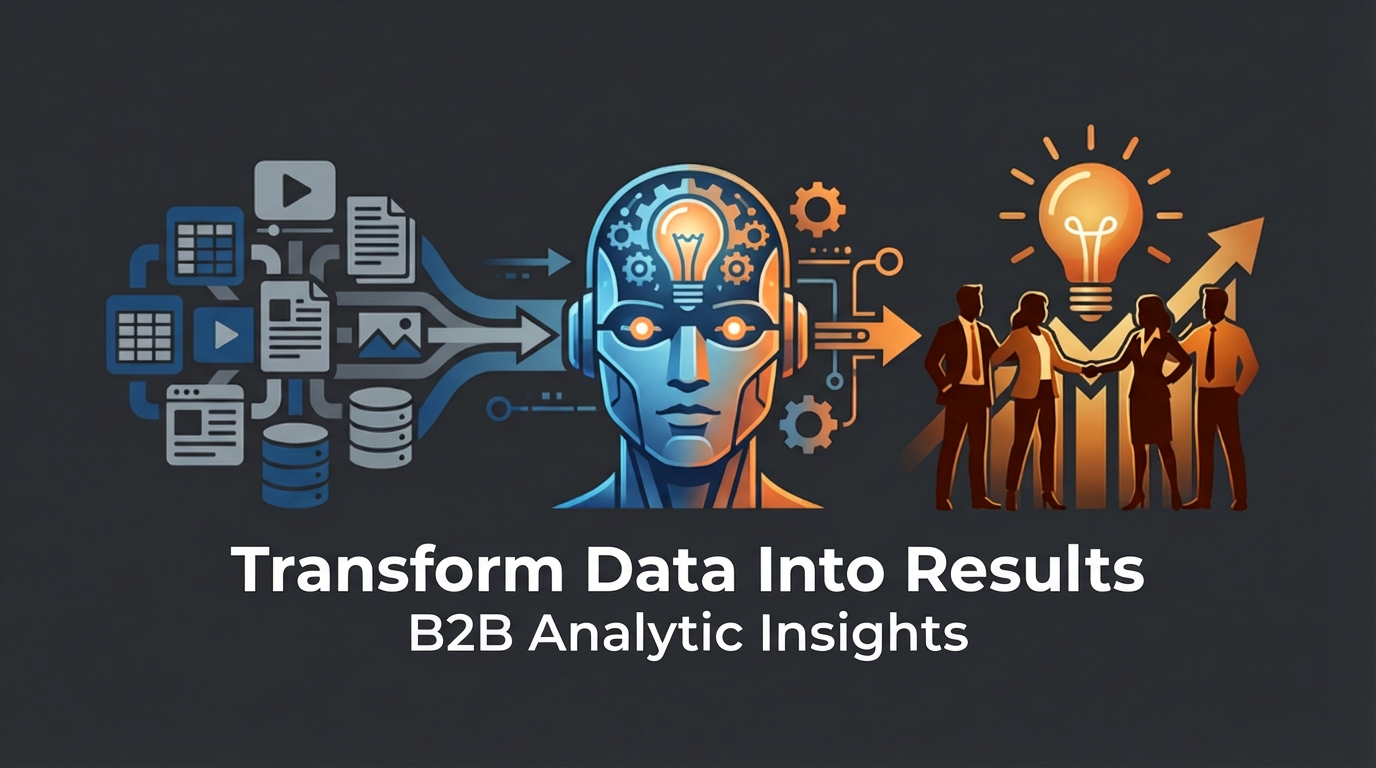
Transforming Data into Actionable Insight
Data is raw material. Insight is the finished product. We need to bridge this gap. Our focus remains on the decision. The data supports that decision. Analytics are not an end in themselves. They serve our strategic objectives.
Early Warning Systems
Imagine identifying distress signs months earlier. Not weeks. Months. AI models analyze alternative data sources. They scan news feeds. They track social sentiment. They monitor supply chain disruptions. This creates a powerful early warning system. It gives us time to act.
Enhanced Due Diligence
Consider a new client. Or an expanding credit line. Our current due diligence is robust. With AI, we deepen it. We analyze a wider array of information. We detect hidden relationships. We uncover undisclosed risks. This provides a truly comprehensive view. The entity you thought you knew becomes fully transparent.
The Future of Credit Risk Management
Our role evolves. We become orchestrators of information. We interpret complex outputs. We combine our judgment with data-driven insights. It’s not about choosing one over the other. It’s about integration.
Augmented Human Expertise
AI handles the volume. It identifies patterns invisible to the human eye. We apply our strategic thinking. We ask the right questions. We validate the models. We make the final decision. This partnership makes us stronger. It makes our decisions more robust.
Proactive Risk Mitigation
We move from reactive to proactive. We understand vulnerabilities before they escalate. We identify opportunities for growth with mitigated risk. This positions us as strategic partners. Not just gatekeepers. We drive value. We protect assets.
We remain at the forefront. Our commitment to sound credit decisions is unwavering. We leverage new capabilities. We amplify our expertise. We serve our businesses better. The entity you think you know? We will know it better than ever before.