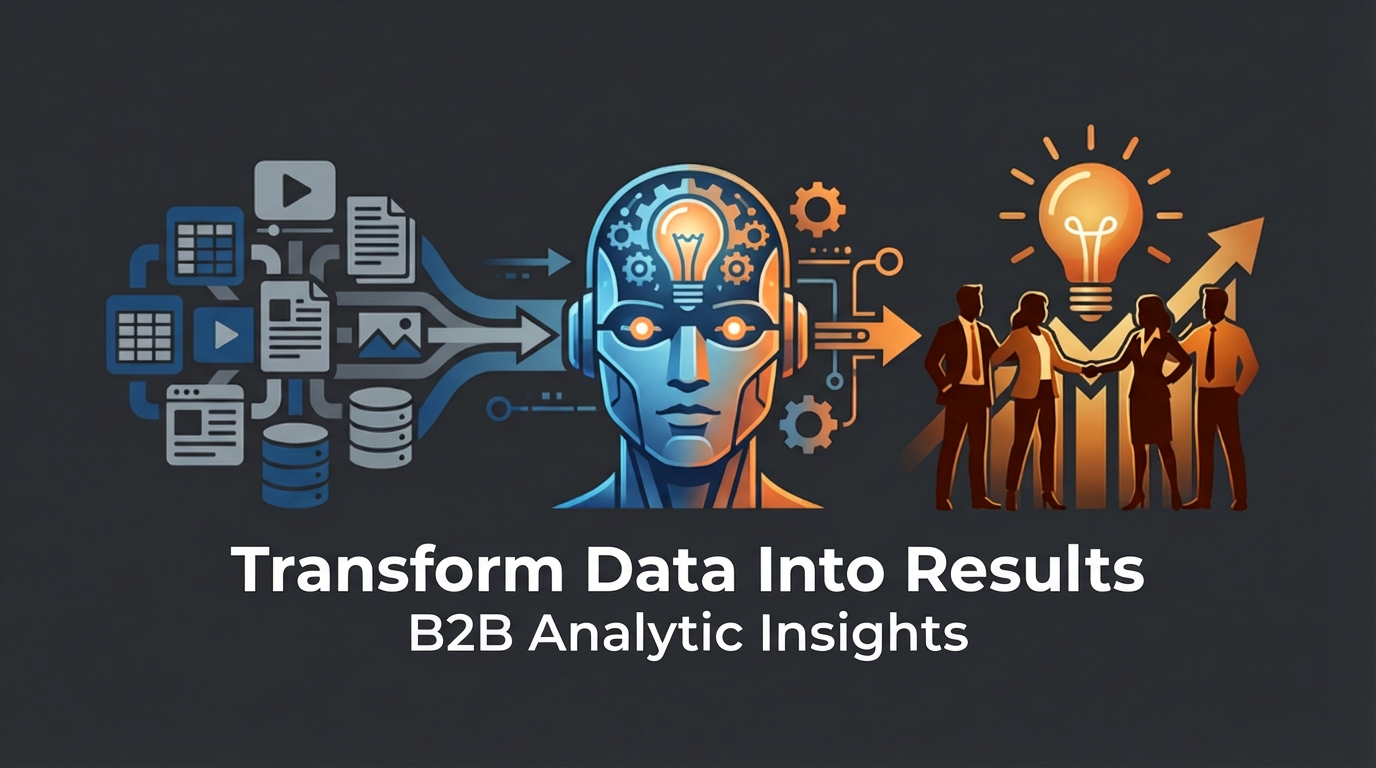

We navigate complex financial terrain daily. Our decisions impact capital flows and commercial health. To lead effectively, we must see beyond the numbers. We transform data into results. This requires focused analysis. Our experience, over several decades, guiding thousands of commercial entities, has reinforced this truth: financial statements are not just compliance documents. They are narratives. We must learn to read them.
What the Numbers Truly Represent
Financial statements offer a snapshot. They capture activity. We translate this into insight. Every line item holds potential. We seek the story within.
Income Statement: The Profitability Story
The income statement reveals performance over a period. It shows earning capacity. But profitability is only one dimension.
Revenue Growth: More Than Just Top-Line Expansion
Look at revenue. Is it growing? That’s a descriptive data point. Now, diagnose: how is it growing? Organic expansion? Acquisitions? Is the growth sustainable? Compare Year-over-Year (YoY) trends. A declining growth rate, even if still positive, signals a shift. This is diagnostic. We need to project. Will this trend continue? What does it predict for future cash generation?
Cost of Goods Sold and Gross Margins: Efficiency Under the Hood
Gross margins show operating efficiency for core products or services. Are they stable? Improving? Or compressing? Compression is a critical diagnostic. It indicates pricing pressure, rising input costs, or weakening competitive position. A sustained decline often signals deeper issues. We must investigate these anomalies. What prescriptive actions can we take to protect margin?
Operating Expenses and SG&A: Where Control Matters
Operating expenses, including Selling, General, and Administrative (SG&A), detail the cost of running the business. We watch for efficiency. Is SG&A growing faster than revenue? That’s
a red flag. It can signal bloat or unchecked spending. This requires a prescriptive response. Tightening controls now avoids larger problems later.
Balance Sheet: The Company’s Foundation and Flexibility
The balance sheet is a single point in time. It shows assets, liabilities, and equity. It’s the foundational structure. We assess its strength.
Current Assets and Liabilities: Short-Term Health
Current assets like cash, accounts receivable, and inventory fuel daily operations. Current liabilities, such as accounts payable and short-term debt, represent immediate obligations. We examine working capital. Is there enough liquidity? A strong current ratio is descriptive. But dig deeper: what is the quality of accounts receivable? Are they aging? What’s the inventory turnover? Slow turnover can signal obsolescence or weak demand. These diagnostic insights drive our credit decisions.
Long-Term Debt and Equity: Strategic Funding
Long-term debt funds significant investments. Equity reflects ownership and retained earnings. We assess the capital structure. Is it balanced? Or heavily reliant on debt? High debt-to-equity ratios or significant long-term commitments can predict future liquidity challenges, especially in a rising interest rate environment. This is predictive. It shapes our view of future solvency. Understanding these dynamics is crucial for prudent risk assessment.
Cash Flow Statement: The Lifeblood of the Business
The cash flow statement is paramount. It shows where cash comes from and where it goes. Profitability without cash flow is a short-term story. We need to see the real money.
Operating Cash Flow: Core Business Generation
Operating cash flow is the most critical component. It shows cash generated from primary business activities. Positive and growing operating cash flow signifies health. Negative operating cash flow, especially over multiple periods, is a major diagnostic red flag. A company can show profits but bleed cash. This discrepancy demands immediate attention. What does it predict for the ability to repay debt?
Investing Cash Flow: Growth and Reinvestment
Investing cash flow reflects asset purchases or sales. Significant capital expenditures (CapEx) can signal growth. But question the source of funding. Is the company generating enough operating cash to fund its investments, or is it relying on debt? This is diagnostic. It helps us understand the strategic deployment of capital and predict future operational capacity.
Financing Cash Flow: Debt and Equity Movements
Financing cash flow details debt and equity transactions. Are they issuing new debt? Repaying existing debt? Paying dividends? Consistently high reliance on debt financing, especially to cover operating shortfalls, is predictive of future financial stress. This movement of money dictates the flexibility a company has for future endeavors.
Peer Analysis and Ratios: Contextual Metrics
Numbers in isolation lack context. We benchmark against peers. Ratios provide a standardized framework. They transform raw data into comparable insights.
Industry Benchmarking: Understanding Relative Strength
How does the company perform compared to its industry? We identify leaders and laggards. Compare margins, debt levels, and growth rates. A company consistently underperforming its peers, even if showing absolute growth, offers a diagnostic view of competitive erosion. This comparison helps predict market position and resilience.
Key Financial Ratios: Synthesizing the Story
Use a consistent set of ratios:
- Liquidity Ratios (e.g., Current Ratio, Quick Ratio): Describe immediate solvency.
- Solvency Ratios (e.g., Debt-to-Equity, Debt-to-Assets): Diagnose long-term financial health and risk.
- Profitability Ratios (e.g., Gross Margin, Net Margin, Return on Assets): Describe how efficiently profit is generated.
- Efficiency Ratios (e.g., Inventory Turnover, Days Sales Outstanding): Diagnose operational effectiveness.
These ratios, analyzed over three or more periods, reveal trends. They help us predict direction.
Red Flags and Warning Signals: Early Detection
We proactively identify risks. Certain patterns are warning signals. We learn to spot them.
Declining Margins Coupled with Rising Revenue
A company can show increasing revenue but struggle with profitability. Declining gross or operating margins indicate fundamental issues. This is a crucial diagnostic. It predicts an inability to convert sales into sustainable profit. We need to understand the underlying causes.
Profitability Without Corresponding Cash Flow
This is a classic. High net income, but weak operating cash flow. It suggests aggressive revenue recognition, slow collections, or inventory build-up. It’s a predictive indicator of future liquidity crises. Cash flow is king.
Inventory Accumulation or Slowing Receivables
Rising inventory levels without a corresponding rise in sales, or a significant increase in Days Sales Outstanding (DSO), point to operational issues. This diagnoses inefficient sales, production imbalances, or weak credit policies. We predict future working capital strain.
Frequent Changes in Accounting Policies
While allowable, frequent or significant changes in accounting policies can mask performance. This is a diagnostic that demands deeper scrutiny. It can predict attempts to manipulate reported earnings or obscure underlying problems. We look for consistency and clarity.
Multi-Year Trend Analysis: Seeing the Trajectory
A single period’s financials are a snapshot. Multiple periods form a movie. We watch the trajectory.
Consistent Performance vs. Volatility
Is the company’s performance consistent? Or does it swing wildly? Consistent growth, margins, and cash flow are positive descriptive trends. High volatility, especially in core metrics, points to higher risk. This is a diagnostic. We predict future stability based on past patterns.
Sustainability of Growth and Profit Drivers
Identify the drivers of growth and profitability. Are they sustainable? One-time gains are not recurring. Is growth coming from a healthy market? Or from unsustainable means, like heavy discount promotions? This diagnostic leads to prescriptive actions regarding credit limits and terms. We aim to ensure our decisions align with long-term viability.
From Data to Action: Making Informed Decisions
Our role is to transform raw financial data into actionable intelligence. We use descriptive analytics to understand what happened. Diagnostic analytics explain why. Predictive analytics forecast what might happen. Prescriptive analytics guide what we should do. This entire process enhances our decision intelligence.
This is not academic exercise. It is our daily job. We interpret the financial narrative to assess risk, gauge opportunity, and ensure sound credit decisions across thousands of commercial entities. Our experience teaches us to trust the data, but primarily to trust our structured approach to reading the story it tells. Leading with insight is the only way forward.