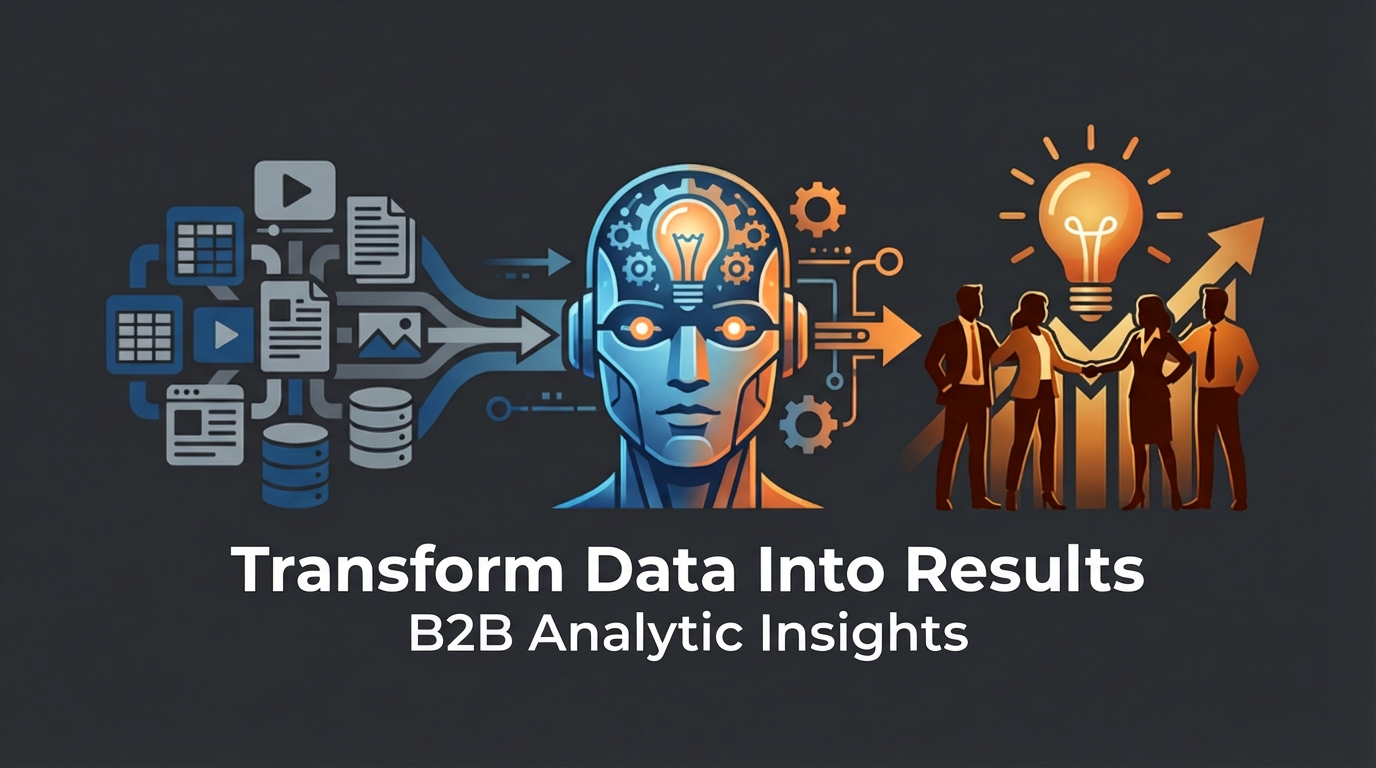

Credit risk guides our world. Thousands of commercial entities rely on our decisions. We price that risk. We price it to reflect actual exposure. This is more than a theoretical exercise. It is fundamental to sustainable credit.
The Imperative of Granular Risk Assessment
Traditional models have served us well. They provided a baseline. The market demands more precision now. We need granular assessment. Each deal, each client, requires a deep dive. Our objective is to match price to the specific risk profile. Underpricing risk erodes margins. Overpricing loses good business. Both are bad outcomes.
Historically, broad segmentation was common. Today, that is not sufficient. We differentiate. We identify nuances. We build models that reflect these distinctions. This is about disciplined underwriting. It is about understanding the future.
A credit score is a starting point. It is a snapshot. Actual exposure encompasses much more. It includes transaction specifics. It includes industry dynamics. It includes the macro environment. We must move beyond simple metrics. Our tools allow us to do this.
Many factors shape true exposure. We analyze these holistically. We bring together diverse data points. This creates a comprehensive view.
Transaction Level Risk: The Deal’s DNA
Every commercial loan is unique. Term, collateral, covenants all play a role. These elements define risk. We evaluate them carefully. A five-year loan carries different risk than a revolving line. An asset-backed facility behaves differently than an unsecured term loan. Our pricing models account for this.
The OCC guidance on refinance risk highlights this. We assess refinance risk during approval. We monitor it actively. We evaluate it nearing maturity. This proactive stance is critical. It avoids surprises. It protects our capital. We build this into our pricing. It is a cost of capital. It is an expected outcome.
Industry and Macro Factors: The Operating Environment
No business operates in a vacuum. Industry trends impact performance. Economic cycles affect ability to repay. We integrate these external factors. We do not just look at the borrower. We look at their ecosystem.
Supply chain disruptions illustrate this. Geopolitical shifts demonstrate it. Interest rate movements confirm it. Our decision intelligence platforms incorporate these macro and industry insights. They are not just news headlines. They are risk indicators. They influence our pricing. We adapt our models to these realities. We do not ignore them.
The Role of Supply Chain Intelligence in Commercial Credit
Supply chain stability directly impacts creditworthiness. A strong supplier network reduces operational risk. A fragile one increases it. We integrate supply chain intelligence. This provides a new dimension to risk assessment.
Identifying Dependencies and Vulnerabilities
Every business has dependencies. Raw materials, logistics, manufacturing. Disruption in one area cascades. We map these dependencies. We identify critical vulnerabilities. This is not about being alarmist. It is about being prepared.
For example, a sudden raw material price spike impacts margins. A key supplier bankruptcy can halt production. We assess the concentration of suppliers. We evaluate the geographic spread. This intelligence paints a clearer picture of stability. It informs our credit decisions. It guides our pricing.
Assessing Resilience and Redundancy
Resilient supply chains recover faster. Redundancy reduces single points of failure. We look for these characteristics. Is there a backup plan? Are alternative suppliers available? This foresight minimizes future credit problems.
Companies with diversified, agile supply chains present lower risk. They are better able to absorb shocks. We recognize this in our risk premium. Our tools help us score this resilience. This is a powerful predictor. It reduces uncertainty.
AI-Driven Analytics: Transforming Data into Insight
Our decades of experience taught us one thing: data holds the answers. AI-driven analytics unlocks those answers. It moves us beyond simple correlation. It provides predictive power.
Descriptive and Diagnostic Analytics: What Happened, Why It Happened
First, we understand the past. Descriptive analytics summarizes performance. Diagnostic analytics explains anomalies. We use these to build foundational understanding. Why did a borrower’s revenue suddenly drop? What led to the increase in their leverage?
These tools provide clear historical context. They identify patterns. They flag deviations. This is the bedrock of any intelligent system. They are critical for training our models. They inform our human judgment.
Predictive Analytics: What Will Happen
This is where the real value lies. Predictive models forecast future performance. They assess default probability. They estimate loss given default. They use complex algorithms. They ingest vast datasets.
These models are not black boxes. We understand their mechanics. We validate their outputs. They learn from thousands of commercial entities. They learn from market events. This foresight strengthens our pricing. It allows us to be proactive. We anticipate challenges. We adjust our terms accordingly.
Prescriptive Analytics: What Should Be Done
Ultimately, we need actionable recommendations. Prescriptive analytics goes further. It suggests optimal actions. Given a risk profile, what is the best pricing? What are the appropriate covenants? What are the necessary mitigation strategies?
These systems provide guidance. They do not replace human judgment. They augment it. They offer data-backed options. Our seasoned professionals then apply their wisdom. This partnership between human and machine delivers superior outcomes. It ensures consistency. It maintains flexibility.
The Continuous Improvement Loop in Risk-Based Pricing
Risk is dynamic. Our pricing must be dynamic. We operate a continuous improvement loop. We refine our models constantly. We learn from every decision.
Feedback Mechanisms and Model Validation
Every loan performance provides data. Every default teaches us something. We feed this back into our models. We validate our predictions against actual outcomes. This keeps our models sharp. It keeps them relevant.
Model validation is an ongoing process. It is not an annual event. We test assumptions. We check for bias. We ensure accuracy. This rigor builds confidence. It ensures our pricing reflects genuine exposure. It supports our decisions.
Adapting to Market Shifts and Regulatory Changes
The market is fluid. Regulations evolve. Our systems adapt. New transaction types emerge. New risks materialize. We integrate these changes quickly. For instance, the OCC’s recent guidance on refinance risk was not a surprise to our systems. It was a formalization of an existing concern.
This agility is a competitive advantage. It allows us to stay ahead. It ensures compliance. It helps us serve our clients effectively. We do not just react. We anticipate. Our pricing reflects this forward-looking posture.
We are not just calculating risk. We are shaping the future of commercial credit. We apply our multi-decade experience. We leverage advanced analytics. We ensure every price we set aligns precisely with actual exposure. This is our commitment. This is our expertise.