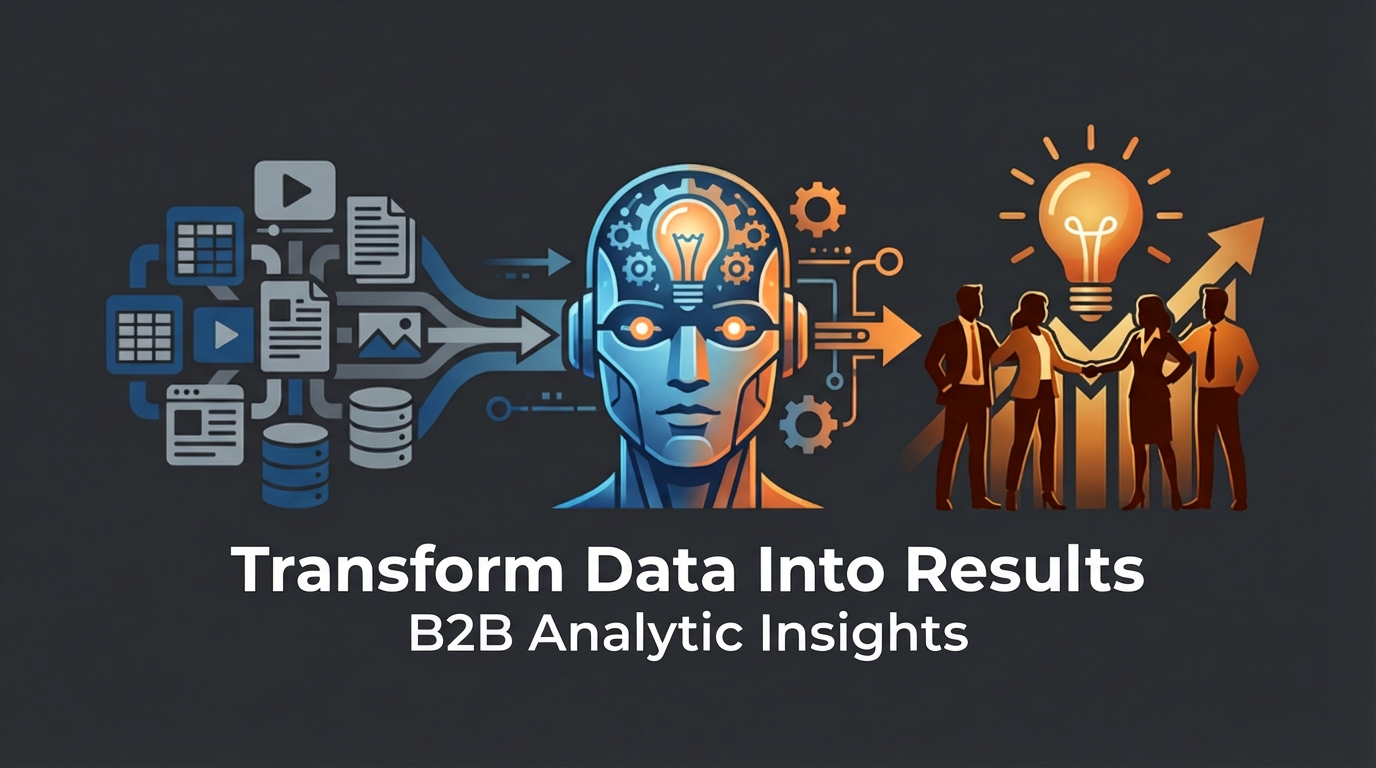

Your Tier-2 supplier’s financial health is a critical early indicator. It’s not just about your direct relationships. It’s about the stability deep within your network. We need to see beyond the immediate. This is where true resilience is built. It requires a shift in perspective. We manage risk not just for ourselves but for everyone connected. Your decisions have ripple effects. Understanding those effects starts with a deeper look.
We often focus on Tier-1. We know them well. We trust them. We negotiate with them. This is natural. It’s where our contracts live. It’s where our immediate deliveries originate. But what happens when your Tier-1 faces a disruption? What is their primary source of vulnerability? It’s often further upstream. It’s at their Tier-2.
Why Tier-2 Matters for Your Risk
Think about a critical component. Your Tier-1 makes it. They buy a key subcomponent from a Tier-2. That Tier-2 faces financial distress. They might cut corners. They might reduce quality. They might even cease operations. Suddenly, your Tier-1 is impacted. And you are too. This isn’t a hypothetical. We’ve seen this unfold across thousands of commercial entities. The lack of visibility here creates a significant blind spot.
Financial Stress Signals
A Tier-2 supplier experiencing financial strain will often show early warning signs. These signs are not always obvious. They are often hidden within financial statements and payment behaviors. Looking for these signals is proactive risk management. It’s about preventing a fire, not just fighting one.
The Cost of Inaction
The cost of ignoring Tier-2 financial health is substantial. It can lead to production halts. It can result in order cancellations. It can damage your reputation. It can cascade into lost revenue. The investment in understanding this level pays dividends. It secures your operations.
Decoding Financial Disclosure
Financial reporting is often a required element for doing business. For larger entities, it’s standard. But for Tier-2, it can be more fragmented. We need to be adept at gathering and interpreting this information. It’s not always presented cleanly. We must build processes to collect what we can.
Mandatory Reporting and Voluntary Disclosure
Some agreements, especially with larger Tier-1 partners, may mandate financial disclosure from their key suppliers. This extends down the chain. These are valuable sources. We must press for these requirements when appropriate. But we also need to look for voluntary disclosures. These can be found in industry reports or public filings. We analyze what is available.
Key Financial Ratios to Monitor
Certain financial ratios tell a story. They indicate a company’s health. For Tier-2 suppliers, we look for things like:
- Liquidity Ratios: Can they meet short-term obligations? (e.g., Current Ratio, Quick Ratio)
- Profitability Ratios: Are they making money? (e.g., Gross Profit Margin, Net Profit Margin)
- Solvency Ratios: Can they meet long-term debt obligations? (e.g., Debt-to-Equity Ratio)
- Activity Ratios: How efficiently are they using their assets? (e.g., Inventory Turnover)
These aren’t just numbers. They are diagnostic tools. They help us understand operational efficiency and financial resilience.
Identifying Red Flags in Financials
Deteriorating trends in these ratios are red flags. A declining profit margin year over year, for instance, suggests pricing pressure or increasing costs. A rising debt-to-equity ratio signals increased financial risk. We look for patterns. Not isolated incidents.
AI-Driven Analytics for Tier-2 Insight
Manual review of thousands of suppliers is inefficient. It’s prone to error. AI offers a way to scale our efforts. It allows us to process vast amounts of data. We can identify subtle patterns that humans might miss. This is where decision intelligence truly shines.
Automating Data Collection and Validation
We can build systems that automatically collect financial data. This includes public filings, credit reports, and even news sentiment. AI algorithms can validate this data. They can flag inconsistencies. This frees up our teams for higher-value analysis. We are augmenting our capabilities.
Predictive Analytics for Financial Distress
Predictive analytics can forecast a Tier-2 supplier’s likelihood of financial distress. By analyzing historical data and current trends, AI models can assign risk scores. These scores become early warnings. They inform our proactive outreach. We transform raw data into foresight.
Prescriptive Analytics: What to Do
Once we identify a potential issue, prescriptive analytics can help. It can recommend actions. These might include diversifying sourcing. It could suggest engaging with the supplier to understand their challenges. It could even recommend building safety stock for critical components. It guides our response.
Building Supply Chain Resilience Through Collaboration
Intelligence about Tier-2 financial health doesn’t exist in a vacuum. It requires collaboration. We must work with our Tier-1 partners. We must also encourage transparency further down the chain. This builds a stronger ecosystem for everyone.
Sharing Intelligence Responsibly
We can share aggregated and anonymized intelligence with our Tier-1 partners. This helps them identify their own Tier-2 vulnerabilities. We set clear guidelines for what information is shared and how. Trust is paramount. Our goal is collective improvement.
Encouraging Supplier Transparency
We advocate for greater transparency from suppliers at all tiers. This means explaining why it matters. It’s about shared risk and shared reward. A financially healthy supply chain benefits everyone. We foster an environment where open communication is valued.
Developing Contingency Plans Together
When a potential Tier-2 issue is identified, we can work with our Tier-1 partners to develop contingency plans. This might involve pre qualifying alternative suppliers. It could involve stress testing their own downstream supply chains. It’s a partnership approach to risk. We are building robust plans.
The Future: Proactive Supply Chain Health Management
| Metrics | Data |
|---|---|
| Supplier Name | Tier-2 Supplier |
| Financial Health | Stable |
| Revenue | 10 million |
| Profit Margin | 8% |
| Debt-to-Equity Ratio | 0.5 |
The current approach is often reactive. We respond to disruptions after they occur. The future lies in proactive management. It starts with seeing the subtle signals. It continues with informed action.
Shifting from Reactive to Proactive
We are moving away from simply reacting to problems. We are building systems to anticipate them. This changes how we operate. It changes the outcomes we achieve. We are looking ahead. We are preparing.
Integrating Tier-2 Intelligence into Decision Making
Tier-2 financial intelligence must be a standard part of our credit decisions. It should inform our sourcing strategies. It should influence our inventory planning. It’s no longer an afterthought. It’s integral. Data serves the decision.
The Role of Continuous Monitoring
Supply chains are dynamic. Financial health is not static. Continuous monitoring is essential. We need to regularly reassess the financial stability of our critical Tier-2 suppliers. This is not a one-time exercise. It’s an ongoing process.
A Practitioner’s View on Success
Success means fewer unexpected disruptions. It means more stable operations. It means confident decision-making, even in uncertain times. It means our businesses are more resilient. Because our entire network is more resilient. We lead by example. We collaborate for strength. This is how we achieve lasting stability. We transform data into tangible results.