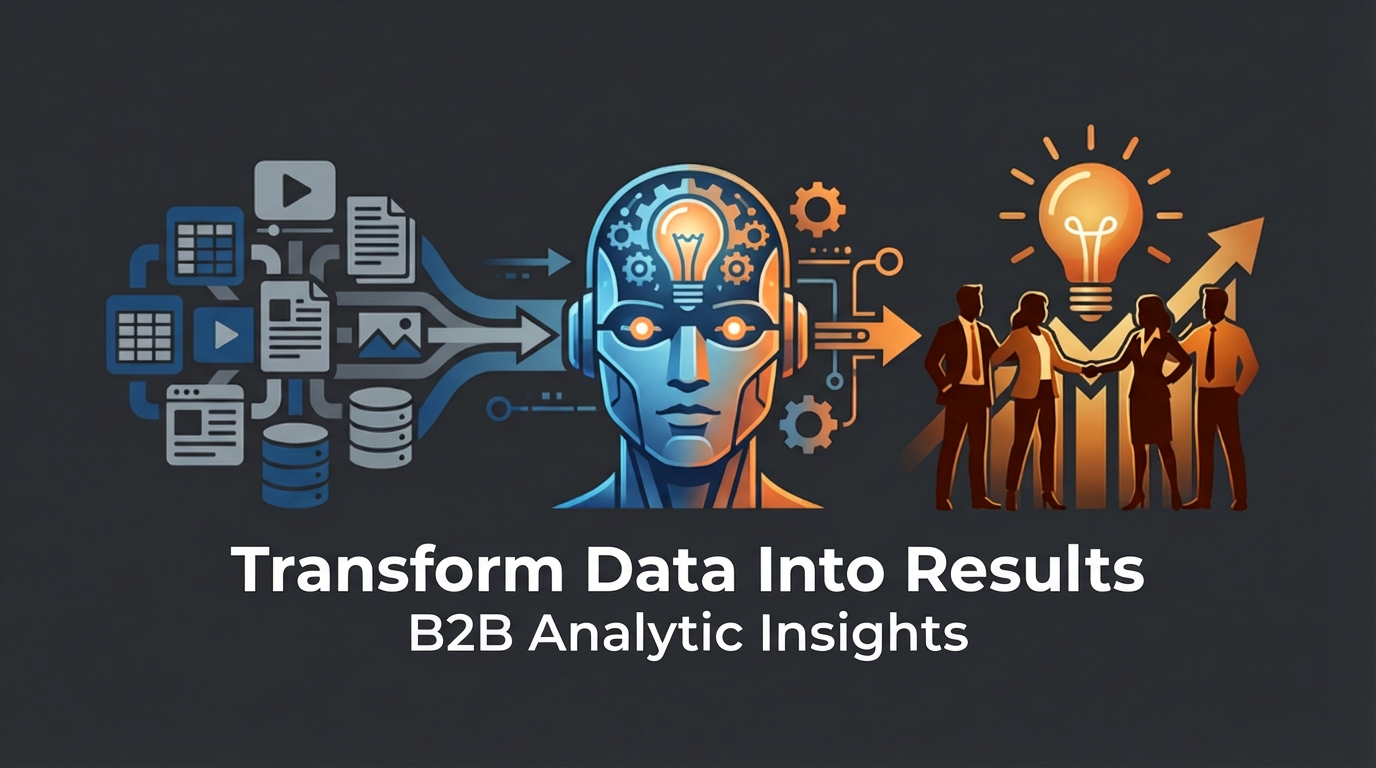

Decision intelligence is a discipline. It is not a software package. It is not an algorithm. This distinction matters deeply for finance and credit professionals. We make daily decisions that impact thousands of commercial entities. Our choices determine financial health and stability. For decades, we have refined our judgment. We have learned to navigate complex data landscapes. Decision intelligence offers a framework. It enhances our existing expertise. It does not replace it.
The Foundation of Prudent Decisions
We operate in a world of constant flux. Credit risk shifts. Supply chains evolve. Market dynamics change. Our decisions require precision. They demand foresight. We’ve always based decisions on available information. We’ve applied analytical rigor. Decision intelligence formalizes this process. It provides a structured approach. It builds on what we already do well. We identify how decisions are made. We plan how outcomes will be measured. We establish feedback loops. This is a practical discipline. It improves decision quality.
Decision intelligence is fundamentally interdisciplinary. It draws from several fields. Decision science provides the strategic outlook. Data science offers the quantitative rigor. Social science contributes behavioral understanding. Managerial science grounds it in operational reality. AI provides powerful processing capabilities. This combination is its strength. It goes beyond simple data processing. It integrates diverse perspectives. This holistic view is crucial for complex financial decisions. We assess creditworthiness. We manage portfolio risk. We optimize working capital. These tasks require more than just numbers. They demand context and behavioral insights.
Integrating Diverse Expertise
Effectively implementing decision intelligence means bringing these disciplines together. Our teams possess deep subject matter expertise. We understand the nuances of specific industries. We know the history of market movements. Data scientists bring statistical modeling skills. AI specialists contribute machine learning capabilities. Decision intelligence provides the blueprint for their collaboration. It ensures that technical insights align with strategic objectives. It prevents analysis paralysis. It focuses effort on actionable intelligence.
Beyond Dashboards and Predictions
Many tools offer descriptive analytics. They tell us what happened. Some provide diagnostic insights. They explain why. Predictive models forecast future trends. Prescriptive analytics suggest optimal actions. Decision intelligence integrates all these. It moves beyond isolated reports. It connects these analytical insights directly to real-world financial decisions. We don’t just want a forecast. We need to know what action to take, and why. We need to understand the potential outcomes of those actions. This goes beyond simply producing data visualization. It requires a deeper integration into our operational workflows.
AI-Driven Analytics: Augmenting, Not Dictating
AI is a powerful component of decision intelligence. It allows us to process vast amounts of data. It identifies subtle patterns. It generates hypotheses. However, AI is not the decision-maker. It is an enabler. It augments our capacity. For decades, we have built sophisticated models. We’ve used statistical methods to quantify risk. AI tools enhance these capabilities. They can analyze unstructured data. They can uncover correlations invisible to the human eye. This technology refines our risk assessment. It improves our fraud detection capabilities. It optimizes our capital allocation.
The Human Element Remains Central
Our experience teaches us the irreplaceable value of human judgment. We understand market sentiment. We interpret qualitative factors. We manage relationships. AI cannot replicate this. Decision intelligence positions AI as a powerful assistant. It provides more comprehensive insights. It highlights critical variables. It helps us explore more scenarios. But the final decision rests with us. We weigh the algorithmic output against our knowledge. We consider ethical implications. We apply our strategic understanding of the business. This partnership between human and machine is key.
Decision Intelligence in Action: A Practical Framework
How does this discipline manifest in our daily work? It starts with a clear problem definition. What decision are we trying to improve? What outcomes do we seek? This clarity is paramount. Then, we gather the necessary data. We employ robust analytical methods. We interpret the findings. Most importantly, we embed feedback loops. We learn from every decision. This iterative process refines our models. It sharpens our judgment. It continuously improves our decision-making capabilities.
Enhancing Credit Risk Assessment
Consider credit risk. We assess thousands of commercial entities. Our models quantify default probability. Our analysts evaluate management quality. Decision intelligence formalizes the integration of these perspectives. AI-driven analytics can identify subtle shifts in a company’s financial health. It can flag unusual transaction patterns in supply chains. This provides early warning signals. Our teams then use this intelligence. They delve deeper. They engage with clients. Their decisions become more proactive. They become more precise. This reduces loan losses. It optimizes portfolio performance.
Optimizing Supply Chain Finance
Supply chain intelligence is another critical area. We provide financing for complex global networks. Understanding vendor performance is crucial. Forecasting demand fluctuations is vital. Decision intelligence combines real-time data with historical patterns. It integrates external market signals. Predictive models anticipate bottlenecks. Prescriptive analytics suggest optimal financing terms. This means we can offer more targeted products. We can mitigate disruptions. We can support our clients’ operational resilience. This transforms data into clear financial advantages.
Evolution of a Discipline: Formal Recognition and Practical Adoption
The financial services sector has always been at the forefront of analytical innovation. We understand the value of data. We embrace progress. The formal recognition of decision intelligence as an enterprise category is a significant development. It signals maturity. It validates our long-standing commitment to evidence-based decision-making. Reports from 2026 highlight a growing market for Decision Intelligence Platforms. This reinforces its growing importance. These platforms standardize processes. They facilitate collaboration. They make the discipline more accessible.
Connecting Analytics to Organizational Decisions
In 2025, the focus was firmly on practical adoption. How do we move beyond generating reports? How do we translate powerful predictions into tangible results? Decision intelligence provides the answer. It bridges the gap between sophisticated analytics and day-to-day operational choices. It ensures that the insights we derive from data directly inform our actions. This means less time sifting through irrelevant data. It means more time making impactful decisions. Our aim is to transform data into concrete business outcomes.
Grounded in Practice: The Practitioner’s Edge
| Metrics | Data |
|---|---|
| Decision Intelligence Definition | A discipline that combines data, technology, and human expertise to make better decisions |
| Key Components | Data analysis, machine learning, human judgment, decision-making processes |
| Goal | To improve decision-making by leveraging data and technology while considering human insights |
| Applications | Business strategy, healthcare, finance, marketing, operations |
Our value comes from our ability to make sound decisions under pressure. Decision intelligence is not a theoretical concept. It is a practical framework. It is a structured approach for improving our strategic choices. We have several decades of experience doing this. We’ve managed through multiple economic cycles. We’ve seen countless market shifts. This experience is our bedrock. Decision intelligence gives us new tools. It offers new perspectives. Most importantly, it empowers us to lead with greater confidence.
Continuous Improvement through Feedback
The core of decision intelligence is continuous improvement. We identify a decision. We establish clear metrics for success. We deploy analytical models. We execute the decision. Then, we measure the actual outcome against our expectations. This feedback loop is essential. It allows us to learn. It helps us refine our models. It strengthens our understanding of cause and effect. This iterative process leads to increasingly effective decisions. It ultimately drives better financial performance. It reinforces our role as trusted financial partners.
Foresight and Prudence
We are always looking forward. We anticipate risks. We identify opportunities. Decision intelligence enhances this foresight. It provides a more robust foundation for our strategic planning. It integrates diverse data sources. It applies advanced analytics. It always respects the ultimate authority of well-honed human judgment. This discipline helps us remain prudent. It keeps us agile. It ensures that our decisions consistently create value. It is about transforming insights into definitive results.