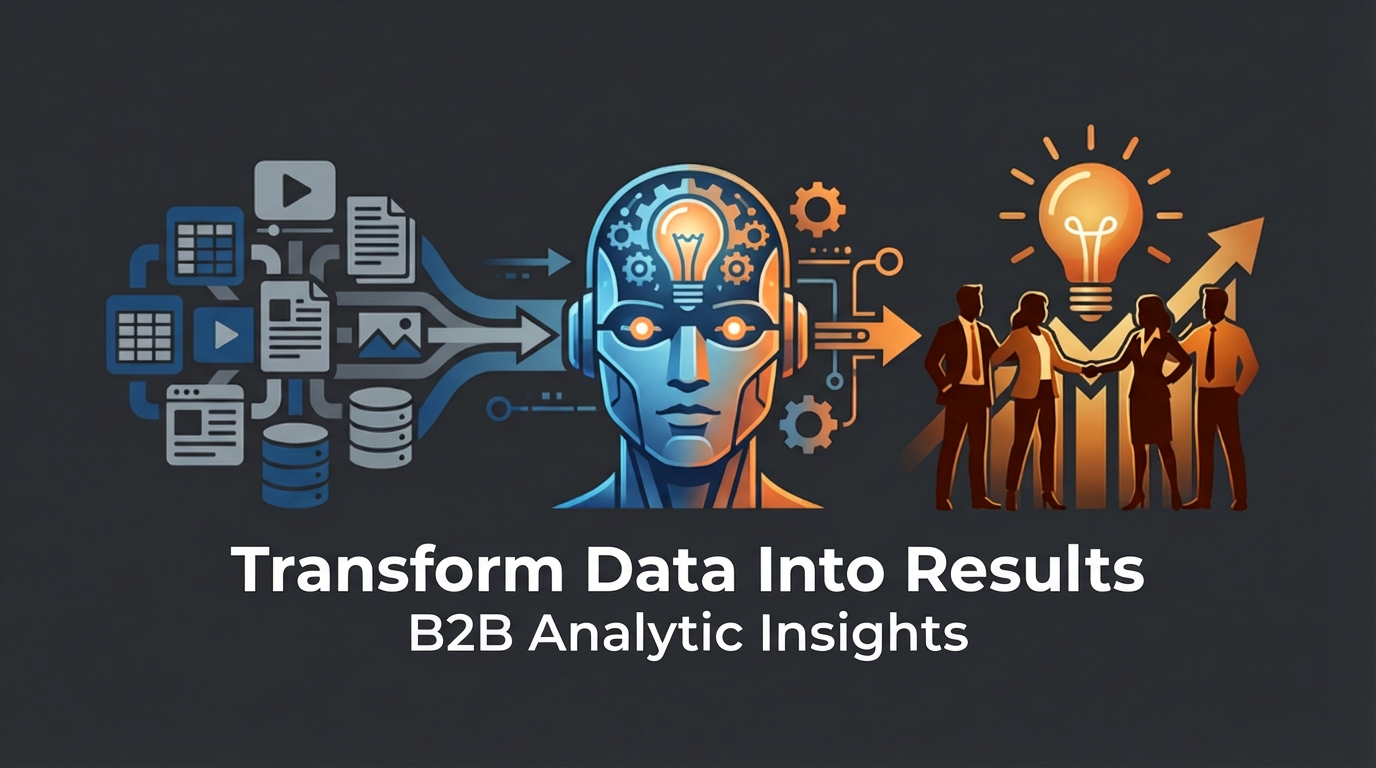

Credit decisions have always been about managing risk. For decades, we have refined our methods. The journey from rules based systems to AI agents marks a significant shift. It changes how we assess, approve, and manage credit. This evolution is not just about new tools. It is about a fundamental change in decision choreography.
The Foundation: Rules Based Systems
Our journey began with rules. These systems were straightforward. Credit decisions relied on predefined criteria. An applicant either fit the box or they didn’t.
Deterministic Logic Dominated
Rules were clear. They were explicit. If a customer met a certain income threshold and had no defaults, they qualified. If not, they didn’t. This was deterministic. The outcome was predictable based on the inputs. These systems provided control. They ensured consistency. They were also rigid.
Manual Underwriting Supported Rules
Human underwriters played a critical role. They applied these rules. They reviewed exceptions. They brought experience to the process. Their judgment filled the gaps rules could not address. This hybrid approach served us well for a long time. It built the foundation for later advancements.
Scale and Limitations of Rules
These systems worked for thousands of commercial entities. They processed countless applications. But their limitations became apparent. They struggled with nuance. They missed opportunities. They generated false declines. A complex borrower might fall outside standard parameters. The rules could not adapt. This static approach often led to missed opportunities for growth. It also created bottlenecks.
The Rise of Models: Embracing Probability
The next stage brought models. We moved beyond simple rules. We embraced statistical analysis. We recognized that risk was not always black and white. It often existed on a spectrum.
From Scores to Predictive Analytics
Credit scoring became central. Models assigned a numerical score to applicants. This score reflected probability of repayment. We used historical data. We identified patterns. Logistic regression and other statistical methods became common. This was a significant leap. It introduced a probabilistic view of risk.
Machine Learning and Deep Learning Enhance Prediction
Further innovations brought machine learning. Random forests, gradient boosting, and neural networks entered the scene. These models could find more complex relationships in data. They improved predictive accuracy. They could handle larger datasets. They learned from experience. This reduced false positives and false negatives. It meant better decisions for both the institution and the customer.
Diagnostic and Predictive Power of Models
Models provided diagnostic insights. They revealed why a score was high or low. They offered predictive power. They forecasted future behavior. This allowed us to anticipate risk. It enabled proactive management. We could identify early warning signs. We could adjust terms accordingly. The systems became more intelligent.
The Era of Agents: Real-Time, Adaptive Credit Orchestration
The present and future belong to agents. This is the most profound shift yet. We are moving from static models to dynamic, autonomous entities. These agents orchestrate the entire decision process in real time.
Intelligent Agents for Continuous Decisioning
AI agents are not just models. They are actionable intelligence systems. They combine rules, models, and real time data. They evaluate behavioral and contextual signals in milliseconds. This enables instant decisions. It reduces false declines. It opens new possibilities.
Decision Choreography in Action
Credit decisioning is now a coordinated flow. It is a dance. Models, agents, and humans work together. This is a “decision choreography.” Agents can initiate actions. They might trigger step up verification. They might adjust credit limits dynamically. They drive the process forward. This is a departure from linear, rules based pipelines.
Multi Agent Workflows for Efficiency
McKinsey highlights the power of multi agent workflows. Agents handle routine checks. They analyze unstructured data. They support broader credit review workflows. This can cut review times drastically. Days shrink to hours. Or even minutes. This efficiency is transformative. It allows human underwriters to focus on complex cases.
Explainable AI and Hybrid Governance
As agents become central, explainability is paramount. Trust in AI decisions depends on understanding them. We also need robust governance. This ensures control and compliance.
Explainability and Auditability
Agentic credit decisioning is becoming explainable. It is audit-ready. This is critical for regulatory compliance. It is vital for rebuilding trust. We need to understand the “why” behind an agent’s recommendation. Transparent decision paths are non negotiable. This allows human oversight and intervention.
Hybrid Governance for Control
New credit engines emphasize hybrid governance. They combine business rules, ML models, and AI agents. This structure ensures decisions are personalized. They remain traceable. They are policy compliant. This gives us the best of all worlds. It balances automation with accountability. It maintains human control over critical junctures.
Augmenting Human Expertise
The evolution is not about replacing people. It’s about augmenting human capability. Agents empower finance professionals. They free them from repetitive tasks.
Humans in the Loop
Human underwriters are augmented, not replaced. Agents handle the heavy lifting. They provide insights. They flag anomalies. They enable human experts to focus on complex, high value decisions. This shifts the role of the underwriter. They become strategists and reviewers.
From Data Entry to Strategic Insight
Finance professionals move from data entry to strategic insight. They interpret agent recommendations. They apply their nuanced judgment. They make final decisions on intricate cases. This elevates their role. It uses their experience more effectively. It creates a more robust decision ecosystem.
The Future: Agents and Unstructured Data
The next frontier involves leveraging GenAI. This will unlock insights from vast amounts of unstructured data. It will further refine decision making.
GenAI for Unstructured Data Analysis
Generative AI will process contracts. It will analyze news articles. It will interpret social media sentiment. This unstructured data holds valuable risk signals. GenAI can extract these signals. It can integrate them into the decision process. This offers a holistic view of creditworthiness.
Workflow Support and Continuous Learning
GenAI also supports workflow. It automates report generation. It drafts communications. It learns continuously. This makes the entire credit lifecycle more efficient. Agents will become more sophisticated. They will adapt to new information. They will refine their decision logic over time.
Integrating Supply Chain Intelligence
Credit risk is rarely isolated. It is often tied to broader economic ecosystems. Supply chain health is a critical input.
Holistic Risk Assessment
Agents integrate supply chain data. This provides a holistic view of risk. A vendor’s financial health impacts their customers. A disruption in a key supplier affects an entire industry. Agents process this interconnectedness. They assess systemic risks.
Proactive Mitigation Strategies
Understanding supply chain vulnerabilities allows for proactive strategies. Agents can flag concentrations of risk. They can identify dependencies on unstable suppliers. This enables us to mitigate potential defaults before they occur. It prevents cascading failures.
Decision Intelligence at Scale
The ultimate goal is superior decision intelligence. This transforms raw data into actionable results. It enables growth.
Data Serves the Decision
Data is not an end in itself. It serves the decision. Agents transform data into actionable insights instantly. They provide the right information, at the right time. This ensures credit decisions are timely and accurate.
From Insight to Outcome
The evolution from rules to agents is a journey of continuous improvement. It is about leveraging every piece of available information. It is about making smarter decisions faster. This translates directly into better outcomes. It means managing risk effectively. It means expanding credit responsibly. It drives growth for thousands of commercial entities we serve. This is the promise of advanced credit decisioning.