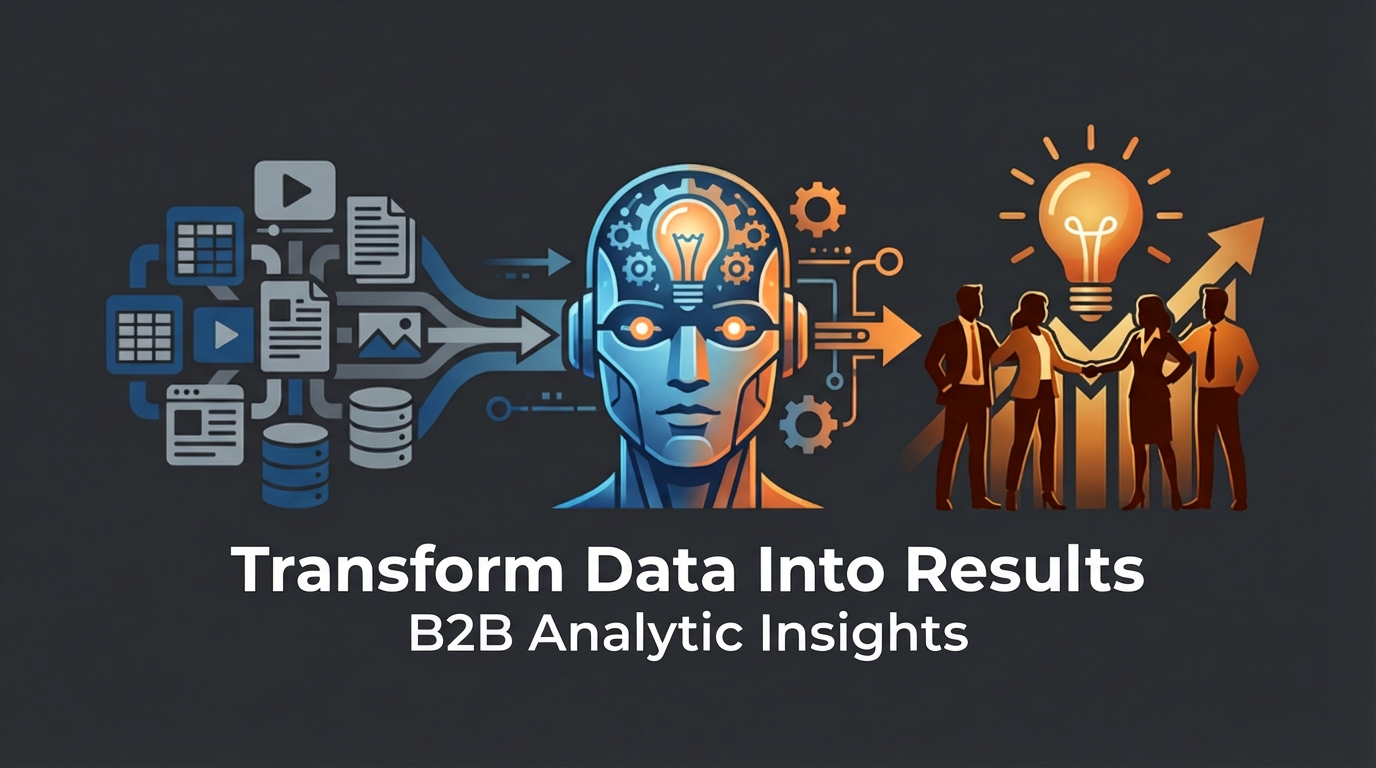

Data-driven decision making has become increasingly important in today’s business landscape. With the abundance of data available, organizations have the opportunity to make informed decisions that can drive growth and success. However, it is not enough to simply make decisions based on data; it is equally important to reflect on past decisions and analyze their outcomes. Reflecting on past data-driven decisions allows businesses to identify areas for improvement, learn from their mistakes, and make more effective decisions in the future.
Key Takeaways
- Reflecting on past data-driven decisions is crucial for sustainable growth.
- Descriptive analytics helps understand past performance and identify areas for improvement.
- Predictive analytics can forecast future growth opportunities and guide decision making.
- Effective data management and data integrity are essential for accurate analysis.
- Maximizing revenue and minimizing costs is key to profitable growth.
Descriptive Analytics: Understanding Past Performance
Descriptive analytics is the process of analyzing past data to understand what has happened in the past. It involves identifying trends, patterns, and relationships in the data to gain insights into past performance. By analyzing past data, businesses can understand what has worked well and what hasn’t, allowing them to make more informed decisions in the future.
One of the key benefits of descriptive analytics is its ability to provide a historical context for decision making. By understanding past performance, businesses can identify patterns and trends that can inform future decisions. For example, if a business notices a decline in sales during a particular season, they can use this information to adjust their marketing strategies or product offerings for that season in the future.
Predictive Analytics: Forecasting Future Growth Opportunities
Predictive analytics takes descriptive analytics a step further by using past data to make predictions about future outcomes. It involves using statistical models and algorithms to analyze historical data and identify patterns that can be used to forecast future growth opportunities.
Predictive analytics is particularly valuable for businesses looking to plan for the future and make strategic decisions. By analyzing past data, businesses can identify trends and patterns that can help them predict future market conditions, customer behavior, and demand for their products or services. This allows them to make more accurate forecasts and plan accordingly.
Data Management: Ensuring Efficient and Effective Data Collection and Analysis
Efficient and effective data collection and analysis are crucial for making informed decisions. Without accurate and reliable data, businesses cannot make accurate predictions or identify trends and patterns. Therefore, it is important to have a robust data management system in place.
One way to ensure efficient data collection and analysis is to use automation tools. These tools can help streamline the data collection process, reduce human error, and ensure data consistency. Additionally, businesses should establish clear data collection protocols to ensure that data is collected consistently and accurately.
Data Integrity: Maintaining Accurate and Reliable Data
Maintaining accurate and reliable data is essential for making informed decisions. Inaccurate or unreliable data can lead to flawed analysis and incorrect conclusions. Therefore, it is important to prioritize data integrity.
Regular data audits are an effective way to ensure data integrity. By regularly reviewing and validating the accuracy of the data, businesses can identify any inconsistencies or errors and take corrective action. Implementing data validation processes, such as double-checking data entries or using validation rules, can also help maintain data integrity.
Profitable Growth: Maximizing Revenue and Minimizing Costs

Data-driven decision making plays a crucial role in maximizing revenue and minimizing costs. By analyzing past data, businesses can identify cost-saving opportunities and revenue-generating strategies.
For example, by analyzing sales data, a business may identify that certain products have higher profit margins than others. This information can help them focus their marketing efforts on those products to maximize revenue. Similarly, by analyzing expense data, a business may identify areas where costs can be reduced, such as optimizing supply chain processes or renegotiating contracts with suppliers.
Case Study: Analyzing a Successful Data-driven Decision
To illustrate the importance of reflecting on past data-driven decisions, let’s consider a case study of a successful decision made by a retail company. The company had been struggling with declining sales and wanted to identify the cause of the decline and find a solution.
Through data analysis, the company discovered that their sales were declining primarily because of increased competition from online retailers. Armed with this information, they decided to invest in an e-commerce platform and improve their online presence. They also implemented targeted marketing campaigns to attract online shoppers.
The decision to invest in e-commerce and improve their online presence proved to be successful. The company saw a significant increase in online sales, which helped offset the decline in brick-and-mortar sales. This decision not only helped the company recover from the decline but also positioned them for future growth in the online retail market.
Lessons Learned: Identifying Areas for Improvement
Reflecting on past data-driven decisions is essential for identifying areas for improvement. By analyzing past decisions, businesses can learn from their mistakes and make more effective decisions in the future.
One way to conduct a thorough analysis of past decisions is to gather feedback from stakeholders involved in the decision-making process. This feedback can provide valuable insights into what worked well and what didn’t, allowing businesses to identify areas for improvement.
Additionally, businesses should review the data used in the decision-making process to ensure its accuracy and reliability. If there are any issues with the data, steps should be taken to address them and prevent similar issues from occurring in the future.
Implementing Changes: Strategies for Future Success
Once areas for improvement have been identified, it is important to develop strategies for implementing changes based on past data-driven decision analysis. Effective communication is key during this process to ensure that stakeholders understand the reasons behind the changes and are supportive of them.
It is also important to establish clear goals and objectives for the changes and develop a plan for monitoring their progress. Regularly reviewing and evaluating the impact of the changes will help determine their effectiveness and identify any further adjustments that may be needed.
The Role of Data-driven Decision Making in Sustainable Growth
In conclusion, data-driven decision making is crucial for sustainable business growth. By analyzing past data, businesses can gain valuable insights that can inform future decisions and drive success. Reflecting on past data-driven decisions allows businesses to identify areas for improvement, learn from their mistakes, and make more effective decisions in the future. By prioritizing efficient and effective data collection and analysis, maintaining data integrity, and implementing changes based on past decision analysis, businesses can position themselves for long-term success.
If you’re interested in exploring more about data-driven decision-making and its impact on sustainable growth, you might find the article “The Power of Analytics: Transforming Data into Meaningful Actions” on B2B Analytic Insights’ blog insightful. This article delves into how businesses can leverage analytics to extract valuable insights from their data and turn them into actionable strategies for long-term success. Check it out here. And if you have any questions or want to learn more, feel free to reach out to the B2B Analytic Insights team through their contact page here.