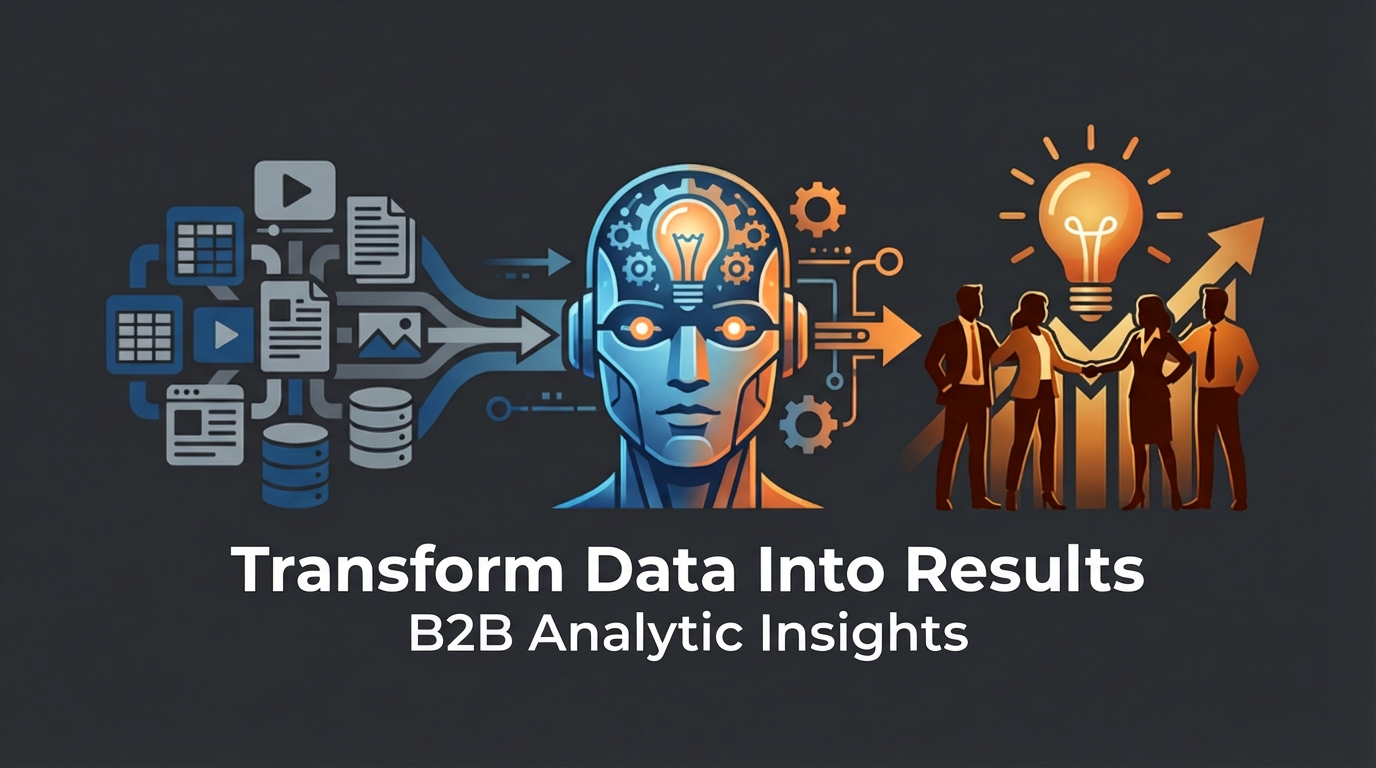

Data-driven decision making is the process of making informed decisions based on data analysis and insights. It involves collecting, analyzing, and interpreting data to gain valuable insights that can guide business strategies and actions. In today’s digital age, businesses have access to vast amounts of data from various sources such as customer interactions, sales transactions, social media, and more. However, relying solely on data can be a double-edged sword as it can lead to both opportunities and challenges.
The paradoxes of data-driven decision making lie in the balance between relying on data while also considering intuition and experience. On one hand, data provides objective and factual information that can guide decision making. It eliminates biases and assumptions that may arise from relying solely on intuition or experience. On the other hand, intuition and experience play a crucial role in decision making as they provide insights that cannot be captured by data alone. It is important to strike a balance between these two approaches to make effective decisions.
Key Takeaways
- Data-driven decisions require a balance of data, intuition, and experience.
- Descriptive analytics helps make sense of historical data to inform decision making.
- Predictive analytics can forecast future trends and outcomes to guide business strategy.
- Effective data management strategies are crucial for collecting, storing, and analyzing data.
- Ensuring data integrity is essential for accurate and consistent decision making.
Descriptive Analytics: Making Sense of Historical Data
Descriptive analytics is the process of analyzing historical data to gain insights into past events and trends. It involves summarizing and visualizing data to understand what has happened in the past. This type of analysis is commonly used in business to track performance, identify patterns, and make informed decisions based on historical data.
For example, a retail company may use descriptive analytics to analyze sales data from the past year to identify trends in customer behavior. They may discover that certain products sell better during specific seasons or that certain marketing campaigns are more effective than others. This information can then be used to optimize inventory management, plan marketing strategies, and improve overall business performance.
The benefits of descriptive analytics are numerous. By analyzing historical data, businesses can gain a better understanding of their operations, identify areas for improvement, and make data-driven decisions based on past performance. It provides a foundation for further analysis and can help businesses identify patterns and trends that may not be immediately apparent.
Predictive Analytics: Forecasting Future Trends and Outcomes
Predictive analytics is the process of using historical data to forecast future trends and outcomes. It involves applying statistical models and algorithms to analyze past data and make predictions about future events. This type of analysis is commonly used in business to forecast sales, customer behavior, market trends, and more.
For example, a financial institution may use predictive analytics to forecast customer churn. By analyzing historical data on customer behavior, they can identify patterns and factors that contribute to customer attrition. This information can then be used to develop strategies to retain customers and reduce churn.
The benefits of predictive analytics are significant. By forecasting future trends and outcomes, businesses can make proactive decisions and take preemptive actions to stay ahead of the competition. It allows businesses to anticipate customer needs, optimize operations, and make informed decisions based on future projections.
Data Management: Strategies for Collecting, Storing, and Analyzing Data
Data management is the process of collecting, storing, and analyzing data in a structured and organized manner. It involves implementing strategies and systems to ensure data quality, accessibility, security, and privacy. Effective data management is crucial for making accurate and reliable data-driven decisions.
Collecting and storing data involves identifying relevant data sources, capturing data in a consistent format, and storing it in a secure and accessible manner. This may involve implementing data collection tools, databases, cloud storage solutions, and data governance policies.
Analyzing data involves applying various techniques such as statistical analysis, data mining, machine learning, and artificial intelligence to extract insights from the data. This may involve using specialized software tools or working with data analysts or data scientists.
Effective data management is important for several reasons. It ensures that the data used for decision making is accurate, reliable, and up-to-date. It also ensures that the data is accessible to the relevant stakeholders and protected from unauthorized access or loss. Additionally, it allows businesses to leverage the full potential of their data and gain valuable insights that can drive business growth.
Data Integrity: Ensuring Accuracy and Consistency of Data
Data integrity refers to the accuracy, consistency, and reliability of data. It is crucial for making informed and reliable data-driven decisions. Poor data integrity can lead to incorrect analysis, flawed insights, and ultimately, poor decision making.
Ensuring data accuracy and consistency involves implementing strategies and processes to validate and verify the data. This may involve conducting data audits, implementing data validation rules, and performing regular data quality checks. It is important to ensure that the data is free from errors, duplicates, inconsistencies, and biases.
Consequences of poor data integrity can be significant. It can lead to incorrect analysis, flawed insights, and ultimately, poor decision making. For example, if a business relies on inaccurate sales data to forecast future sales, it may end up overestimating or underestimating demand, leading to inventory shortages or excesses.
Strategies for ensuring data accuracy and consistency include implementing data validation rules, conducting regular data quality checks, and investing in data cleansing tools or services. It is also important to establish clear data governance policies and procedures to ensure that data is collected, stored, and analyzed in a consistent and reliable manner.
Profitable Growth: Leveraging Data Insights to Drive Business Growth

Leveraging data insights is crucial for driving profitable business growth. By analyzing and interpreting data, businesses can gain valuable insights into customer behavior, market trends, operational efficiency, and more. These insights can then be used to develop strategies that drive business growth.
For example, an e-commerce company may analyze customer purchase history to identify cross-selling or upselling opportunities. By understanding customer preferences and buying patterns, they can recommend relevant products or services to increase sales and customer satisfaction.
Many businesses have successfully leveraged data insights to drive business growth. For example, Amazon uses data analytics to personalize product recommendations and optimize its supply chain. Netflix uses data analytics to recommend personalized content and improve its content production and distribution strategies.
Strategies for leveraging data insights for business growth include investing in data analytics tools and technologies, hiring skilled data analysts or data scientists, and developing a data-driven culture within the organization. It is important to have a clear understanding of the business objectives and align data analysis efforts with these objectives.
The Paradox of Data-driven Decisions: Balancing Data with Intuition and Experience
While data-driven decision making is valuable, it is important to strike a balance between relying on data and considering intuition and experience. Data provides objective and factual information that can guide decision making. It eliminates biases and assumptions that may arise from relying solely on intuition or experience.
However, intuition and experience play a crucial role in decision making as they provide insights that cannot be captured by data alone. They bring a human element to decision making and allow for creativity, innovation, and adaptability. Intuition and experience can help identify patterns or trends that may not be immediately apparent in the data.
Many businesses have successfully balanced data with intuition and experience. For example, Google uses a data-driven approach to develop algorithms and improve search results, but also relies on human evaluators to assess the quality of search results. Apple uses a combination of user feedback, market research, and design intuition to develop innovative products.
Strategies for balancing data with intuition and experience include involving stakeholders with diverse perspectives in the decision-making process, encouraging open dialogue and collaboration, and considering both quantitative and qualitative factors when making decisions. It is important to recognize the limitations of both approaches and leverage their strengths to make effective decisions.
Overcoming Bias in Data-driven Decision Making
Bias can be a significant challenge in data-driven decision making. It can arise from various sources such as data collection methods, data analysis techniques, or human biases. Overcoming bias is crucial for making accurate and reliable data-driven decisions.
Examples of biases in data-driven decision making include confirmation bias, where decision makers selectively interpret data to confirm their preconceived notions or beliefs, and sampling bias, where the sample used for analysis is not representative of the population.
Strategies for overcoming bias in data-driven decision making include using diverse data sources to minimize sampling bias, involving multiple stakeholders with different perspectives in the decision-making process to minimize confirmation bias, and using statistical techniques to identify and correct for biases in the data.
It is also important to promote a culture of transparency and accountability in data-driven decision making. This includes documenting and communicating the assumptions, limitations, and uncertainties associated with the data and analysis. It is important to recognize that data-driven decisions are not infallible and should be continuously evaluated and refined based on new information.
The Role of Communication in Data-driven Decision Making
Effective communication is crucial for successful data-driven decision making. It involves clearly articulating the insights derived from data analysis, sharing information with relevant stakeholders, and facilitating collaboration and understanding.
Examples of effective communication in data-driven decision making include presenting data in a clear and visual manner, using storytelling techniques to convey insights, and facilitating open dialogue and discussion among stakeholders.
Strategies for improving communication in data-driven decision making include investing in data visualization tools or software, providing training or resources on effective communication techniques, and fostering a culture of open communication and collaboration within the organization.
It is important to recognize that effective communication is a two-way process. It involves not only conveying information but also actively listening to feedback, addressing concerns or questions, and incorporating stakeholder input into decision making.
Navigating the Paradoxes of Data-driven Decisions for Long-term Business Success
In conclusion, data-driven decision making offers significant opportunities for businesses to gain valuable insights and drive business growth. However, it is important to navigate the paradoxes of data-driven decision making to ensure long-term success.
This involves striking a balance between relying on data while also considering intuition and experience. It involves implementing effective data management strategies to collect, store, and analyze data in a structured and organized manner. It involves ensuring data integrity to ensure accuracy and consistency of data. It involves leveraging data insights to drive business growth. It involves overcoming bias in data-driven decision making. And it involves effective communication to facilitate understanding and collaboration.
By navigating these paradoxes, businesses can make informed and reliable data-driven decisions that drive long-term success. It requires a holistic approach that combines the power of data with the human element of intuition and experience. It requires continuous learning, adaptation, and improvement to stay ahead in today’s data-driven world.
If you’re interested in learning more about data-driven decisions and their impact on long-term business growth, you should definitely check out this insightful article from B2B Analytic Insights. In their blog, they delve into the paradoxes that arise when relying on data for decision-making and provide valuable insights on how to navigate them successfully. This article is a must-read for anyone looking to harness the power of analytics and transform data into meaningful actions. Don’t miss out on this opportunity to gain a deeper understanding of the complexities involved in making data-driven decisions. Visit B2B Analytic Insights’ blog at https://b2banalyticinsights.com/blog/ for more information.