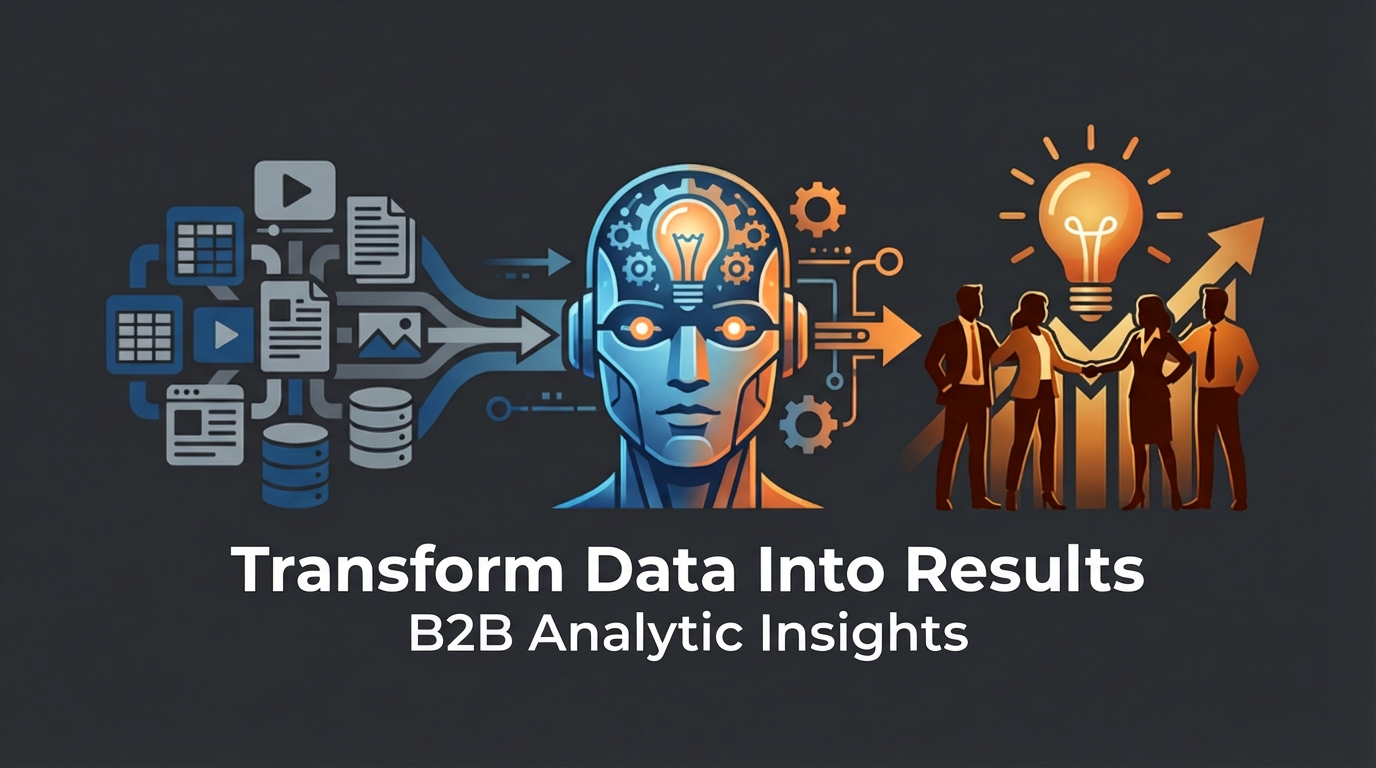

Machine learning is a branch of artificial intelligence that focuses on the development of algorithms and models that enable computers to learn and make predictions or decisions without being explicitly programmed. In the financial services industry, machine learning has gained significant traction in recent years due to its ability to analyze large amounts of data and identify patterns or trends that humans may not be able to detect. This technology has the potential to revolutionize various aspects of financial services, including risk assessment, collections prioritization, loss forecasting, cash forecasting, fraud detection, customer segmentation, investment management, customer service, and regulatory compliance.
The importance of machine learning in financial services cannot be overstated. With the increasing complexity and volume of data in the industry, traditional methods of analysis and decision-making are becoming less effective. Machine learning algorithms can process vast amounts of data quickly and accurately, enabling financial institutions to make more informed decisions and improve operational efficiency. By automating repetitive tasks and reducing human error, machine learning can also help reduce costs and improve overall accuracy in financial services.
Key Takeaways
- Machine learning can improve risk assessment in commercial credit.
- Collections prioritization can be maximized with machine learning for better recovery.
- Loss forecasting can anticipate future financial losses with machine learning.
- Cash forecasting can enhance liquidity management with machine learning.
- Fraud detection can minimize fraudulent activities with machine learning.
Commercial Credit: Improving Risk Assessment with Machine Learning
One area where machine learning has shown great promise is in commercial credit risk assessment. Traditionally, financial institutions have relied on manual processes and subjective judgment to evaluate the creditworthiness of commercial borrowers. However, these methods are time-consuming, prone to human error, and may not capture all relevant information.
Machine learning algorithms can analyze a wide range of data sources, including financial statements, credit reports, industry trends, and macroeconomic indicators, to assess credit risk more accurately. By identifying patterns and correlations in historical data, machine learning models can predict the likelihood of default or delinquency with greater precision. This enables financial institutions to make more informed lending decisions and allocate capital more efficiently.
Several financial institutions have successfully implemented machine learning in their commercial credit risk assessment processes. For example, JPMorgan Chase developed a machine learning model that analyzes thousands of data points to predict the probability of default for small business borrowers. This has allowed the bank to streamline its underwriting process, reduce manual intervention, and improve the accuracy of credit decisions.
Collections Prioritization: Maximizing Recovery with Machine Learning
Collections prioritization is another area where machine learning can have a significant impact. Financial institutions often struggle to prioritize their collections efforts effectively, resulting in suboptimal recovery rates and increased costs. Traditional methods of collections prioritization rely on manual analysis and subjective judgment, which can be time-consuming and prone to human error.
Machine learning algorithms can analyze historical data on customer behavior, payment patterns, and other relevant factors to predict the likelihood of recovery for each delinquent account. By prioritizing collections efforts based on these predictions, financial institutions can maximize their recovery rates and reduce the time and resources spent on low-value accounts.
Real-life examples of successful implementation of machine learning in collections prioritization include Capital One, which developed a machine learning model that predicts the likelihood of payment for delinquent credit card accounts. By using this model to prioritize collections efforts, the bank was able to increase its recovery rates by 10% and reduce its collection costs by 20%.
Loss Forecasting: Anticipating Future Financial Losses with Machine Learning
| Metrics | Description |
|---|---|
| Accuracy | The percentage of correct predictions made by the machine learning model. |
| Precision | The percentage of true positive predictions out of all positive predictions made by the model. |
| Recall | The percentage of true positive predictions out of all actual positive cases in the dataset. |
| F1 Score | The harmonic mean of precision and recall, used to balance the two metrics. |
| ROC Curve | A graphical representation of the trade-off between true positive rate and false positive rate for different threshold values. |
| AUC | The area under the ROC curve, used as a single metric to evaluate the performance of the model. |
Loss forecasting is a critical aspect of risk management in financial services. Traditionally, financial institutions have relied on historical data and statistical models to estimate future losses. However, these methods may not capture all relevant factors or account for changing market conditions.
Machine learning algorithms can analyze a wide range of data sources, including historical loss data, macroeconomic indicators, market trends, and customer behavior, to forecast future losses more accurately. By identifying patterns and correlations in the data, machine learning models can provide more reliable estimates of potential losses under different scenarios.
The benefits of using machine learning in loss forecasting are significant. Financial institutions can make more informed decisions about capital allocation, pricing, and risk management. By accurately estimating potential losses, they can also ensure that they have sufficient reserves and capital to absorb any unexpected shocks.
Several financial institutions have successfully implemented machine learning in their loss forecasting processes. For example, Wells Fargo developed a machine learning model that analyzes historical loss data and macroeconomic indicators to forecast future losses for its consumer lending portfolio. This has allowed the bank to improve its risk management practices and make more informed decisions about credit provisioning.
Cash Forecasting: Enhancing Liquidity Management with Machine Learning
Cash forecasting is a critical aspect of liquidity management in financial services. Traditionally, financial institutions have relied on manual processes and historical data to forecast cash flow. However, these methods may not capture all relevant factors or account for changing market conditions.
Machine learning algorithms can analyze a wide range of data sources, including historical cash flow data, market trends, customer behavior, and macroeconomic indicators, to forecast future cash flow more accurately. By identifying patterns and correlations in the data, machine learning models can provide more reliable estimates of future cash inflows and outflows.
The advantages of using machine learning in cash forecasting are significant. Financial institutions can make more informed decisions about liquidity management, funding requirements, and investment strategies. By accurately forecasting cash flow, they can also optimize their working capital and reduce the risk of liquidity shortages.
Real-life examples of successful implementation of machine learning in cash forecasting include Bank of America, which developed a machine learning model that analyzes historical cash flow data and macroeconomic indicators to forecast future cash flow for its corporate clients. This has allowed the bank to improve its liquidity management practices and provide more accurate cash flow forecasts to its clients.
Fraud Detection: Minimizing Fraudulent Activities with Machine Learning

Fraud detection is a critical aspect of risk management in financial services. Traditional methods of fraud detection rely on rule-based systems that are often ineffective in detecting sophisticated and evolving fraud schemes. Machine learning algorithms can analyze large amounts of data, including transactional data, customer behavior, and historical fraud patterns, to detect fraudulent activities more accurately.
By identifying patterns and anomalies in the data, machine learning models can flag suspicious transactions or activities for further investigation. This enables financial institutions to minimize losses from fraud and protect their customers’ assets.
The benefits of using machine learning in fraud detection are significant. Financial institutions can reduce their exposure to fraud and minimize the impact on their bottom line. By detecting fraudulent activities in real-time, they can also provide a better customer experience and enhance their reputation.
Real-life examples of successful implementation of machine learning in fraud detection include PayPal, which developed a machine learning model that analyzes transactional data and customer behavior to detect fraudulent activities. This has allowed the company to reduce its fraud losses by 50% and improve its ability to detect new and emerging fraud schemes.
Customer Segmentation: Personalizing Financial Services with Machine Learning
Customer segmentation is a critical aspect of marketing and customer relationship management in financial services. Traditionally, financial institutions have relied on manual processes and subjective judgment to segment their customers based on demographic or behavioral characteristics. However, these methods may not capture all relevant factors or account for changing customer preferences.
Machine learning algorithms can analyze a wide range of data sources, including transactional data, customer behavior, social media activity, and demographic information, to segment customers more accurately. By identifying patterns and correlations in the data, machine learning models can group customers into segments based on their needs, preferences, and profitability.
The advantages of using machine learning in customer segmentation are significant. Financial institutions can personalize their marketing messages and offers, improve customer retention rates, and increase cross-selling opportunities. By understanding their customers better, they can also provide a better customer experience and enhance customer loyalty.
Real-life examples of successful implementation of machine learning in customer segmentation include American Express, which developed a machine learning model that analyzes transactional data and customer behavior to segment its cardholders based on their spending patterns and preferences. This has allowed the company to personalize its marketing messages and offers, resulting in increased customer engagement and loyalty.
Investment Management: Optimizing Portfolio Performance with Machine Learning
Investment management is a critical aspect of financial services. Traditionally, financial institutions have relied on manual processes and subjective judgment to manage their investment portfolios. However, these methods may not capture all relevant factors or account for changing market conditions.
Machine learning algorithms can analyze a wide range of data sources, including historical market data, company financials, news articles, and social media sentiment, to optimize portfolio performance. By identifying patterns and correlations in the data, machine learning models can make more informed investment decisions and adjust portfolio allocations based on changing market conditions.
The benefits of using machine learning in investment management are significant. Financial institutions can improve their investment performance, reduce risk, and enhance their ability to generate alpha. By leveraging machine learning models, they can also automate repetitive tasks and free up resources for more strategic activities.
Real-life examples of successful implementation of machine learning in investment management include BlackRock, which developed a machine learning model that analyzes market data and company financials to identify investment opportunities. This has allowed the company to improve its investment performance and provide better returns for its clients.
Customer Service: Improving Customer Experience with Machine Learning
Customer service is a critical aspect of financial services. Traditionally, financial institutions have relied on manual processes and call center agents to handle customer inquiries and resolve issues. However, these methods can be time-consuming, prone to human error, and may not provide a consistent customer experience.
Machine learning algorithms can analyze a wide range of data sources, including customer interactions, social media activity, and historical customer data, to improve customer service. By identifying patterns and correlations in the data, machine learning models can provide personalized recommendations, automate routine tasks, and resolve customer issues more efficiently.
The advantages of using machine learning in customer service are significant. Financial institutions can provide a better customer experience, reduce response times, and improve customer satisfaction. By leveraging machine learning models, they can also free up resources and focus on more complex customer inquiries or strategic initiatives.
Real-life examples of successful implementation of machine learning in customer service include Bank of America, which developed a machine learning model that analyzes customer interactions and historical data to provide personalized recommendations and resolve customer issues. This has allowed the bank to improve its customer satisfaction scores and reduce its call center costs.
Regulatory Compliance: Ensuring Compliance with Machine Learning in Financial Services
Regulatory compliance is a critical aspect of financial services. Traditionally, financial institutions have relied on manual processes and subjective judgment to ensure compliance with regulatory requirements. However, these methods can be time-consuming, prone to human error, and may not provide a consistent approach to compliance.
Machine learning algorithms can analyze a wide range of data sources, including regulatory guidelines, transactional data, customer behavior, and historical compliance data, to ensure regulatory compliance more effectively. By identifying patterns and anomalies in the data, machine learning models can flag potential compliance issues and provide early warnings for further investigation.
The benefits of using machine learning in regulatory compliance are significant. Financial institutions can reduce their exposure to regulatory risks, minimize the impact on their reputation, and avoid costly penalties or fines. By automating compliance processes, they can also free up resources for more strategic activities or focus on higher-value tasks.
Real-life examples of successful implementation of machine learning in regulatory compliance include HSBC, which developed a machine learning model that analyzes transactional data and customer behavior to detect potential money laundering activities. This has allowed the bank to improve its ability to detect suspicious transactions and ensure compliance with anti-money laundering regulations.
Machine learning has the potential to revolutionize various aspects of financial services, including risk assessment, collections prioritization, loss forecasting, cash forecasting, fraud detection, customer segmentation, investment management, customer service, and regulatory compliance. By analyzing large amounts of data and identifying patterns or trends that humans may not be able to detect, machine learning algorithms can improve efficiency and accuracy in financial services.
Financial institutions should explore the use of machine learning in their operations to stay competitive and meet the evolving needs of their customers. By leveraging machine learning models, they can make more informed decisions, reduce costs, improve customer satisfaction, and ensure compliance with regulatory requirements. The time to embrace machine learning in financial services is now.