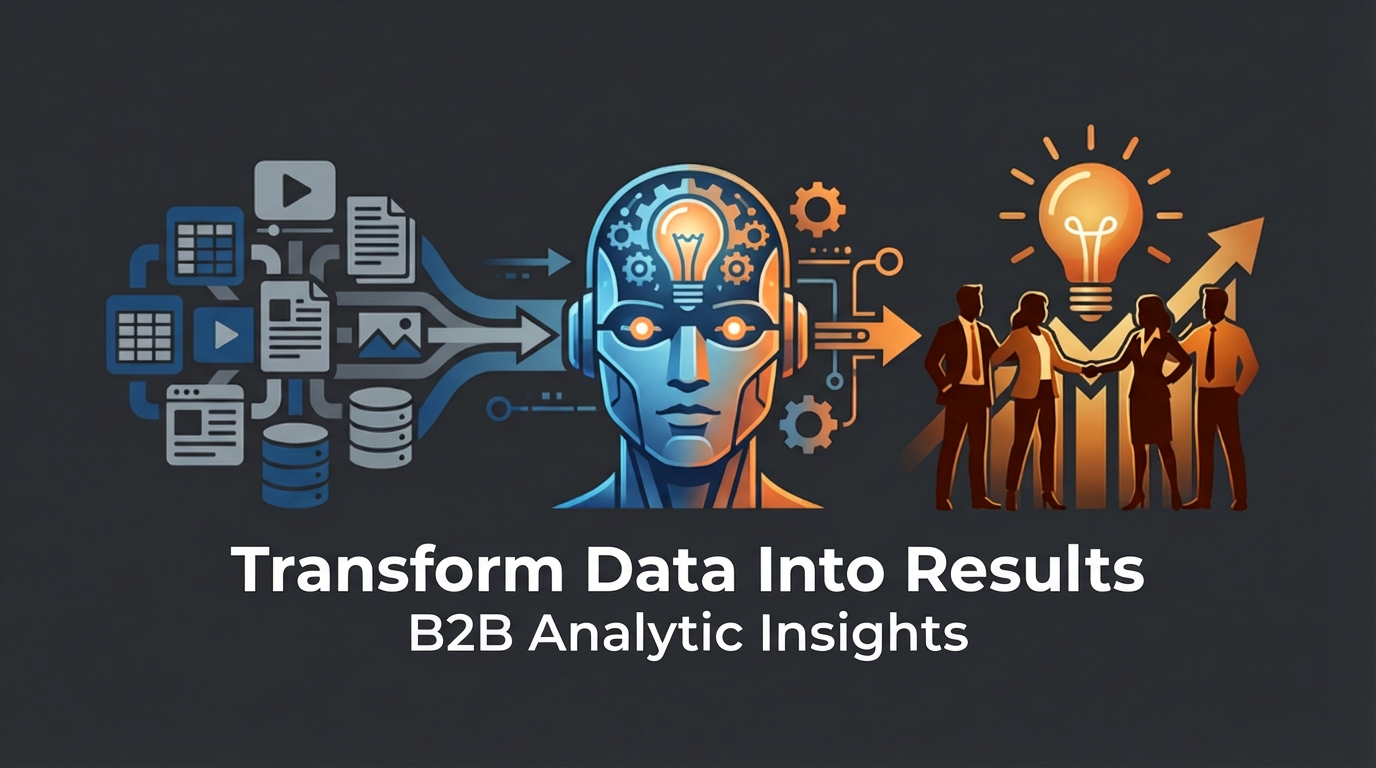

In the contemporary business landscape, characterized by rapid changes and intense competition, commercial payment data has become a crucial asset for financial operations. The ability to analyze and utilize this data has transformed how companies approach financial decision-making, risk management, and operational efficiency. The rise of big data and sophisticated analytics tools has provided businesses with unprecedented access to valuable information about their commercial payment activities.
A significant trend in modern finance operations is the application of data analytics to enhance commercial payment processes. Organizations are using data to gain comprehensive insights into their payment patterns, identify potential risks, and discover opportunities for cost reduction. Analysis of payment data enables businesses to make more informed decisions regarding cash flow, working capital management, and overall financial health.
This has led to a shift towards data-driven decision-making, with companies employing advanced analytics to drive strategic financial initiatives and improve profitability. Moreover, the utilization of commercial payment data has allowed businesses to strengthen customer relationships and offer more tailored financial solutions. By examining customer payment behavior and preferences, companies can customize their offerings to better address client needs.
This approach not only enhances customer satisfaction but also aids in managing credit risk and reducing payment delinquencies. The impact of commercial payment data on modern finance operations is substantial, as it has become an essential tool for driving financial performance and informing strategic decisions.
Key Takeaways
- Commercial payment data is impacting modern finance operations by providing valuable insights and trends through analytics.
- Companies are leveraging big data in commercial payment operations to drive financial decision-making and improve overall efficiency.
- Data quality is crucial in commercial payment operations to ensure accuracy and reliability in financial data, leading to better decision-making.
- Analyzing commercial payment trends using data helps companies identify patterns and opportunities in financial operations, leading to improved strategies.
- Harnessing analytics in commercial payment data allows companies to drive efficiency and cost savings, ultimately improving financial performance.
Leveraging Big Data in Commercial Payment Operations: How Companies are Using Data to Drive Financial Decision-Making
Unlocking Hidden Patterns and Trends
By leveraging big data, businesses can identify patterns and trends that were previously hidden, allowing them to optimize their commercial payment operations and drive better financial outcomes. One of the key ways that companies are using big data is through predictive analytics. By analyzing historical payment data and market trends, businesses can forecast future payment patterns and identify potential risks.
Driving Efficiency and Reducing Risks
The use of big data is also driving efficiency in commercial payment operations. By automating processes and leveraging advanced analytics, businesses can streamline their payment processes, reduce costs, and improve their bottom line. Additionally, big data enables companies to proactively mitigate financial risks, optimize cash flow management, and improve their overall financial performance.
Enhancing Customer Relationships
Moreover, the use of big data has enabled companies to gain a deeper understanding of their customers’ payment behavior and preferences. By analyzing customer payment data, businesses can tailor their offerings to better meet the needs of their clients, improve customer satisfaction, and reduce payment delinquencies. This has led to more personalized financial solutions and enhanced customer relationships.
The Importance of Data Quality in Commercial Payment Operations: How to Ensure Accuracy and Reliability in Financial Data

In commercial payment operations, the importance of data quality cannot be overstated. Accurate and reliable financial data is crucial for making informed decisions, managing risks, and driving efficiency. Poor data quality can lead to costly errors, misinformed decisions, and damaged customer relationships.
Therefore, it is essential for businesses to ensure that their commercial payment data is accurate, complete, and up-to-date. One of the key ways to ensure data quality in commercial payment operations is through data validation and cleansing processes. By implementing robust validation checks and cleansing routines, businesses can identify and correct any inaccuracies or inconsistencies in their financial data.
This helps to improve the accuracy and reliability of the data, ensuring that it can be used for strategic decision-making with confidence. Furthermore, the use of advanced technologies such as machine learning and artificial intelligence can also help to improve data quality in commercial payment operations. These technologies can be used to automatically identify anomalies or errors in the data, flagging them for further investigation or correction.
This not only helps to improve the accuracy of the data but also reduces the manual effort required for data validation. Overall, ensuring data quality in commercial payment operations is essential for driving financial performance and strategic decision-making. By implementing robust validation processes and leveraging advanced technologies, businesses can ensure that their financial data is accurate, reliable, and fit for purpose.
Analyzing Commercial Payment Trends: Using Data to Identify Patterns and Opportunities in Financial Operations
Analyzing commercial payment trends is crucial for businesses looking to gain valuable insights into their financial operations. By leveraging data analytics, companies can identify patterns and trends in their payment processes, customer behavior, and market dynamics. This allows businesses to uncover opportunities for cost savings, risk mitigation, and strategic growth initiatives.
One of the key ways that companies are using data to analyze commercial payment trends is through trend analysis and forecasting. By analyzing historical payment data and market trends, businesses can identify patterns that can help them forecast future payment behavior. This allows companies to proactively manage cash flow, optimize working capital management, and mitigate financial risks.
Additionally, trend analysis can also help businesses identify opportunities for cost savings and process improvements in their commercial payment operations. Moreover, analyzing commercial payment trends also enables businesses to gain a deeper understanding of their customers’ payment behavior and preferences. By analyzing customer payment data, companies can tailor their offerings to better meet the needs of their clients, improve customer satisfaction, and reduce payment delinquencies.
This not only enhances customer relationships but also helps businesses to better manage credit risk and drive revenue growth. Overall, analyzing commercial payment trends using data analytics is essential for driving financial performance and strategic decision-making. By identifying patterns and opportunities in their financial operations, businesses can optimize their commercial payment processes, reduce costs, and improve their bottom line.
Harnessing Analytics in Commercial Payment Data: How Companies are Using Data to Drive Efficiency and Cost Savings
The harnessing of analytics in commercial payment data has become increasingly important for businesses looking to drive efficiency and cost savings. By leveraging advanced analytics tools, companies can gain valuable insights into their payment processes, customer behavior, and market dynamics. This allows businesses to identify opportunities for process improvements, cost savings, and strategic growth initiatives.
One of the key ways that companies are harnessing analytics in commercial payment data is through process optimization. By analyzing payment data, businesses can identify inefficiencies or bottlenecks in their payment processes and implement targeted improvements. This can lead to reduced processing times, lower costs, and improved overall efficiency in commercial payment operations.
Furthermore, analytics is also being used to drive cost savings in commercial payment operations. By analyzing payment data and market trends, businesses can identify opportunities for cost reduction or negotiation with suppliers or vendors. This can lead to lower transaction costs, improved terms with suppliers, and overall cost savings for the business.
Moreover, the use of analytics in commercial payment data also enables businesses to gain a deeper understanding of their customers’ payment behavior and preferences. By analyzing customer payment data, companies can tailor their offerings to better meet the needs of their clients, improve customer satisfaction, and reduce payment delinquencies. This not only enhances customer relationships but also helps businesses to drive revenue growth.
Overall, harnessing analytics in commercial payment data is essential for driving efficiency and cost savings in financial operations. By leveraging advanced analytics tools, businesses can optimize their commercial payment processes, reduce costs, and improve their bottom line.
The Role of Predictive Analytics in Commercial Payment Operations: Using Data to Forecast and Mitigate Financial Risks

Risk Management through Predictive Analytics
One of the key ways that companies are using predictive analytics in commercial payment operations is through risk management. By analyzing historical payment data and market trends, businesses can identify potential risks such as late payments or defaults. This allows companies to take proactive measures to mitigate these risks, such as implementing credit controls or offering alternative payment terms.
Forecasting Cash Flow and Working Capital Requirements
Furthermore, predictive analytics is also being used to forecast future cash flow and working capital requirements. By analyzing historical payment data and market trends, businesses can forecast future cash flow needs with greater accuracy. This allows companies to optimize working capital management by ensuring that they have sufficient liquidity to meet their operational needs.
Enhancing Customer Relationships and Driving Revenue Growth
Moreover, predictive analytics also enables businesses to gain a deeper understanding of their customers’ payment behavior and preferences. By analyzing customer payment data, companies can tailor their offerings to better meet the needs of their clients, improve customer satisfaction, and reduce payment delinquencies. This not only enhances customer relationships but also helps businesses to drive revenue growth.
The Future of Commercial Payment Data: How Emerging Technologies and Analytical Tools are Shaping the Future of Financial Operations
The future of commercial payment data is being shaped by emerging technologies and advanced analytical tools that are revolutionizing the way businesses approach financial operations. With the advent of technologies such as artificial intelligence, machine learning, and blockchain, companies now have access to powerful tools that can help them gain valuable insights into their commercial payment processes, customer behavior, and market dynamics. One of the key emerging technologies that is shaping the future of commercial payment data is artificial intelligence (AI).
AI-powered tools can analyze vast amounts of payment data with speed and accuracy that far exceeds human capabilities. This allows businesses to gain deeper insights into their payment processes, identify patterns and trends that were previously hidden, and make more informed decisions about their financial strategies. Furthermore, machine learning is also playing a crucial role in shaping the future of commercial payment data.
Machine learning algorithms can analyze historical payment data and market trends to forecast future payment behavior with greater accuracy. This allows companies to proactively manage cash flow, optimize working capital management, and mitigate financial risks. Moreover, blockchain technology is also revolutionizing the way businesses approach commercial payments.
Blockchain provides a secure and transparent platform for recording transactions, which can help reduce fraud and errors in commercial payments. Additionally, blockchain technology also enables faster settlement times and lower transaction costs for businesses. Overall, the future of commercial payment data is being shaped by emerging technologies such as artificial intelligence, machine learning, and blockchain.
These technologies are revolutionizing the way businesses approach financial operations by providing powerful tools for gaining valuable insights into their commercial payment processes and driving strategic decision-making.
FAQs
What is commercial payment data?
Commercial payment data refers to the information related to business-to-business transactions, including details about the parties involved, the amount of the transaction, the timing of the payment, and any other relevant financial information.
How does commercial payment data shape operations in modern finance?
Commercial payment data plays a crucial role in shaping operations in modern finance by providing insights into cash flow management, risk assessment, and decision-making processes. It helps businesses optimize their financial operations, improve working capital management, and mitigate potential risks.
What are some of the key payment trends in modern finance?
Some key payment trends in modern finance include the increasing adoption of digital payment solutions, the rise of real-time payments, the use of data analytics for payment optimization, and the integration of payment systems with other business processes.
How does commercial payment data impact financial decision-making?
Commercial payment data impacts financial decision-making by providing valuable insights into vendor management, cash flow forecasting, working capital optimization, and risk assessment. It helps finance professionals make informed decisions to drive business growth and profitability.
What are the benefits of leveraging commercial payment data in finance operations?
Leveraging commercial payment data in finance operations offers several benefits, including improved cash flow management, enhanced visibility into financial transactions, better risk management, and the ability to identify cost-saving opportunities. It also enables businesses to streamline their payment processes and improve overall efficiency.