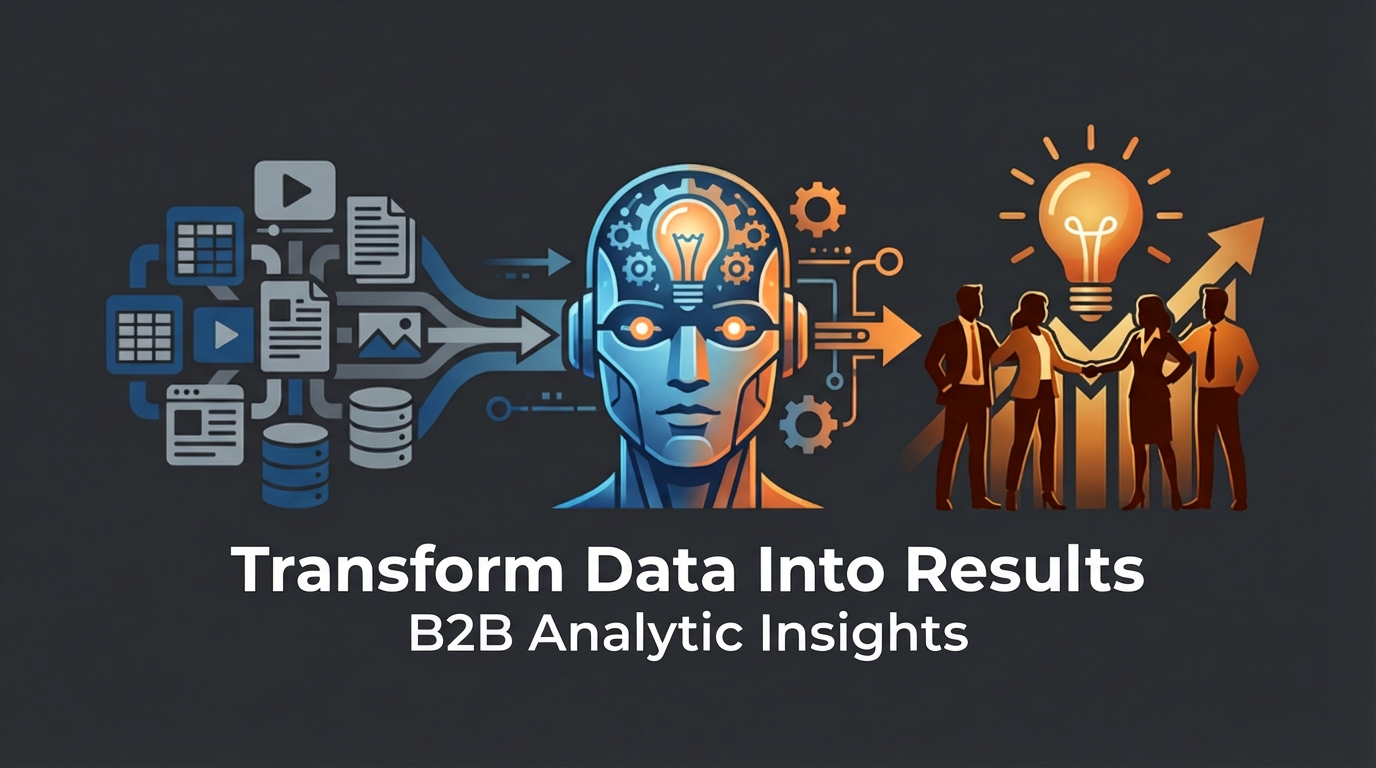
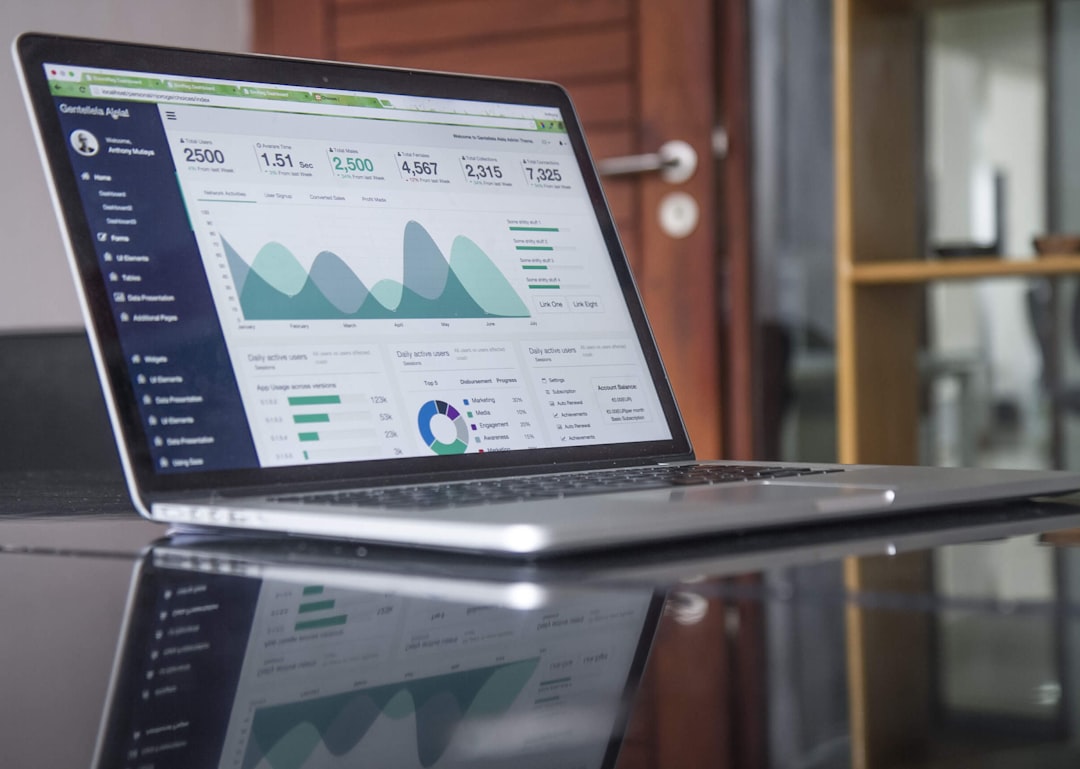
Blended insights in capital market strategies combine diverse data types to provide a comprehensive understanding of market trends, consumer behavior, and investment opportunities. This approach integrates traditional financial data with alternative sources like social media sentiment, web traffic, and consumer spending patterns, offering a holistic market view. Financial institutions and investment firms utilize blended insights to make informed decisions, identify new opportunities, and manage risks more effectively.
The importance of blended insights has grown in today’s fast-paced, interconnected global economy. The proliferation of data and digital technologies provides financial professionals with vast information to gain a competitive edge. By merging various data types, including market indicators, consumer behavior, and macroeconomic trends, analysts can uncover hidden patterns and correlations that may not be apparent when examining individual data sets separately.
This approach can lead to more accurate forecasts, enhanced risk management, and improved investment performance.
Key Takeaways
- Blended insights combine traditional market research with big data analytics to inform capital market strategies.
- Leveraging big data allows for a more comprehensive understanding of consumer behavior and market trends.
- Data quality is crucial for accurate and reliable blended insights, as it directly impacts the effectiveness of capital market strategies.
- Analytics play a key role in identifying patterns and trends within blended insights, providing valuable information for decision-making in capital market strategies.
- Challenges in blended commercial consumer data include privacy concerns and the need for effective data integration, while opportunities lie in the potential for more targeted and personalized marketing strategies.
Leveraging Big Data for Blended Commercial Consumer Data
Unlocking Valuable Insights
By leveraging big data analytics, financial professionals can gain valuable insights into consumer preferences, purchasing patterns, and market trends. Big data analytics provides a wealth of information that can be used to inform investment decisions and market strategies. For instance, analyzing consumer spending patterns and sentiment on social media can help analysts better understand consumer behavior and preferences.
Informing Investment Decisions and Market Strategies
The insights gained from big data analytics can help financial institutions identify new investment opportunities, tailor their marketing strategies, and manage risks more effectively. By leveraging big data for blended commercial consumer data, financial professionals can gain a competitive edge in the market and make more informed decisions.
Gaining a Competitive Edge
In today’s competitive market, big data analytics is essential for financial institutions to stay ahead of the curve. By harnessing the power of big data, financial professionals can make data-driven decisions, drive business growth, and achieve long-term success.
The Importance of Data Quality in Blended Insights

In the context of blended insights in capital market strategies, data quality is of paramount importance. The accuracy, completeness, and reliability of the data used in analysis can have a significant impact on the outcomes and decisions made by financial professionals. Poor data quality can lead to inaccurate forecasts, flawed investment strategies, and increased risks.
Therefore, ensuring the quality of the data used in blended insights is crucial for success in the capital markets. High-quality data is essential for making informed decisions and gaining valuable insights into market trends and consumer behavior. This requires thorough data validation, cleansing, and normalization processes to ensure that the data used is accurate and reliable.
Additionally, it is important to consider the source of the data and the methodologies used to collect and analyze it. By prioritizing data quality in blended insights, financial professionals can minimize errors, improve the accuracy of their forecasts, and make more effective investment decisions.
Utilizing Analytics for Blended Insights in Capital Market Strategies
Analytics play a crucial role in leveraging blended insights in capital market strategies. By using advanced analytical techniques such as machine learning, predictive modeling, and data visualization, financial professionals can uncover valuable insights from blended data sources. These insights can be used to identify market trends, consumer behavior patterns, and investment opportunities that may not be apparent when looking at individual data sets in isolation.
Analytics can also help financial professionals make sense of the vast amount of data available to them. By using sophisticated algorithms and statistical methods, analysts can identify correlations, patterns, and anomalies in the data that can inform their investment decisions. Additionally, analytics can help financial professionals identify potential risks and opportunities in the market, allowing them to make more informed decisions and manage their portfolios more effectively.
Challenges and Opportunities in Blended Commercial Consumer Data
While leveraging blended commercial consumer data offers numerous opportunities for financial professionals, it also comes with its own set of challenges. One of the main challenges is the sheer volume and variety of data available. With so much information to sift through, it can be difficult to identify relevant insights and trends.
Additionally, ensuring the quality and accuracy of the data used in analysis can be a challenge, as it may come from disparate sources with varying levels of reliability. However, despite these challenges, there are also significant opportunities in leveraging blended commercial consumer data. By using advanced analytics and machine learning techniques, financial professionals can uncover valuable insights that can inform their investment decisions and market strategies.
Additionally, by gaining a better understanding of consumer behavior and preferences, financial institutions can tailor their products and services to better meet the needs of their customers.
Best Practices for Leveraging Blended Insights in Capital Market Strategies
Data Quality and Validation
Implementing robust data validation processes is crucial to ensuring the accuracy and reliability of the data used in analysis. This helps to build trust in the insights generated and informs more effective decision-making.
Leveraging Advanced Analytics
The application of advanced analytics techniques, such as machine learning and predictive modeling, can uncover valuable insights from blended data sources. These techniques enable financial professionals to identify patterns, trends, and correlations that may not be immediately apparent.
A Holistic Approach to Market Analysis
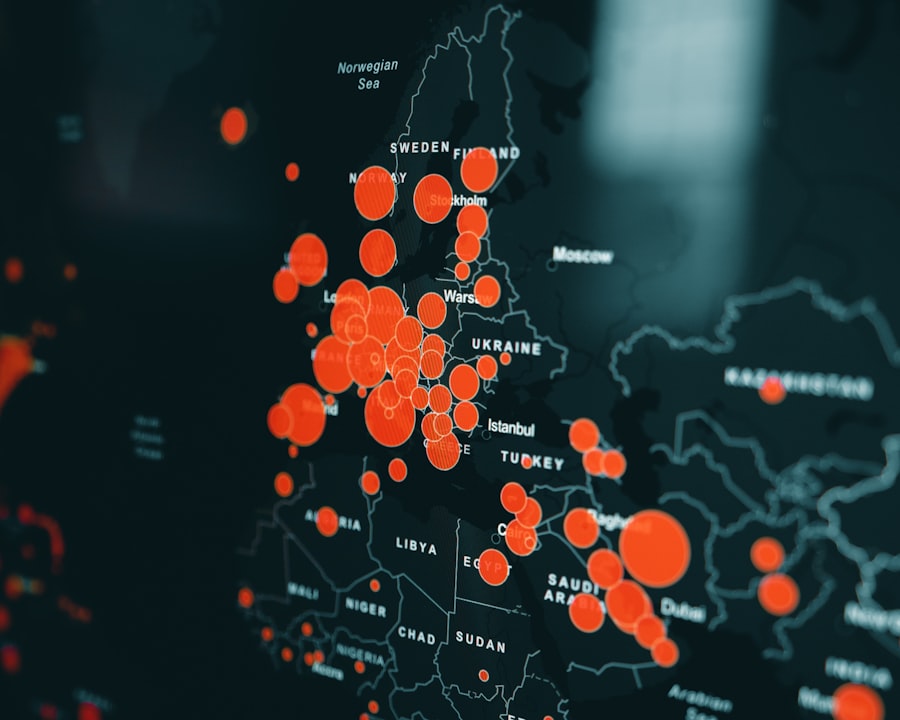
A comprehensive approach to market analysis involves integrating traditional financial data with alternative data sources, such as social media sentiment and web traffic. This provides a more complete view of market trends and consumer behavior, enabling financial professionals to make more informed decisions, identify new opportunities, and manage risks more effectively in the capital markets.
The Future of Blended Insights and Capital Market Strategies
The future of blended insights in capital market strategies looks promising as advancements in technology continue to provide new opportunities for leveraging big data and advanced analytics. With the proliferation of digital technologies such as artificial intelligence and machine learning, financial professionals will have access to even more powerful tools for analyzing blended data sources. This will enable them to uncover new insights, identify emerging trends, and make more informed decisions in the capital markets.
Additionally, as the importance of alternative data sources continues to grow, financial professionals will need to adapt their strategies to incorporate these new sources of information into their analysis. This will require a shift towards more holistic approaches to market analysis that integrate traditional financial data with alternative sources such as social media sentiment and web traffic. By doing so, financial professionals can gain a more comprehensive understanding of market trends and consumer behavior, leading to better investment decisions and improved performance in the capital markets.
In conclusion, blended insights in capital market strategies offer significant opportunities for financial professionals to gain a competitive edge in today’s fast-paced and interconnected global economy. By leveraging big data, advanced analytics, and a holistic approach to market analysis, financial institutions and investment firms can make more informed decisions, identify new opportunities, and manage risks more effectively. While there are challenges associated with leveraging blended commercial consumer data, following best practices for data quality and analytics can help financial professionals overcome these challenges and capitalize on the opportunities presented by blended insights.
As technology continues to advance, the future of blended insights in capital market strategies looks promising, with new opportunities for leveraging big data and advanced analytics on the horizon.
FAQs
What is Blended Insights?
Blended Insights is a strategy that involves leveraging blended commercial consumer data for capital market strategies. It combines various types of consumer data to gain a comprehensive understanding of market trends and consumer behavior.
What is Blended Commercial Consumer Data?
Blended commercial consumer data refers to a combination of different types of consumer data, such as demographic, behavioral, and transactional data, obtained from various sources including commercial entities and consumer data providers.
How is Blended Insights used in Capital Market Strategies?
Blended Insights is used in capital market strategies to gain a deeper understanding of market dynamics, consumer preferences, and investment opportunities. By analyzing blended commercial consumer data, investors and financial institutions can make more informed decisions and develop more effective investment strategies.
What are the Benefits of Leveraging Blended Insights?
The benefits of leveraging blended insights include improved market intelligence, better risk management, enhanced investment decision-making, and the ability to identify emerging market trends and opportunities. It also allows for more targeted marketing and customer acquisition strategies.
What are the Challenges of Using Blended Insights?
Challenges of using blended insights include data privacy and security concerns, the need for advanced analytics capabilities, and the potential for data integration and quality issues. Additionally, regulatory compliance and ethical considerations must be taken into account when leveraging consumer data for capital market strategies.