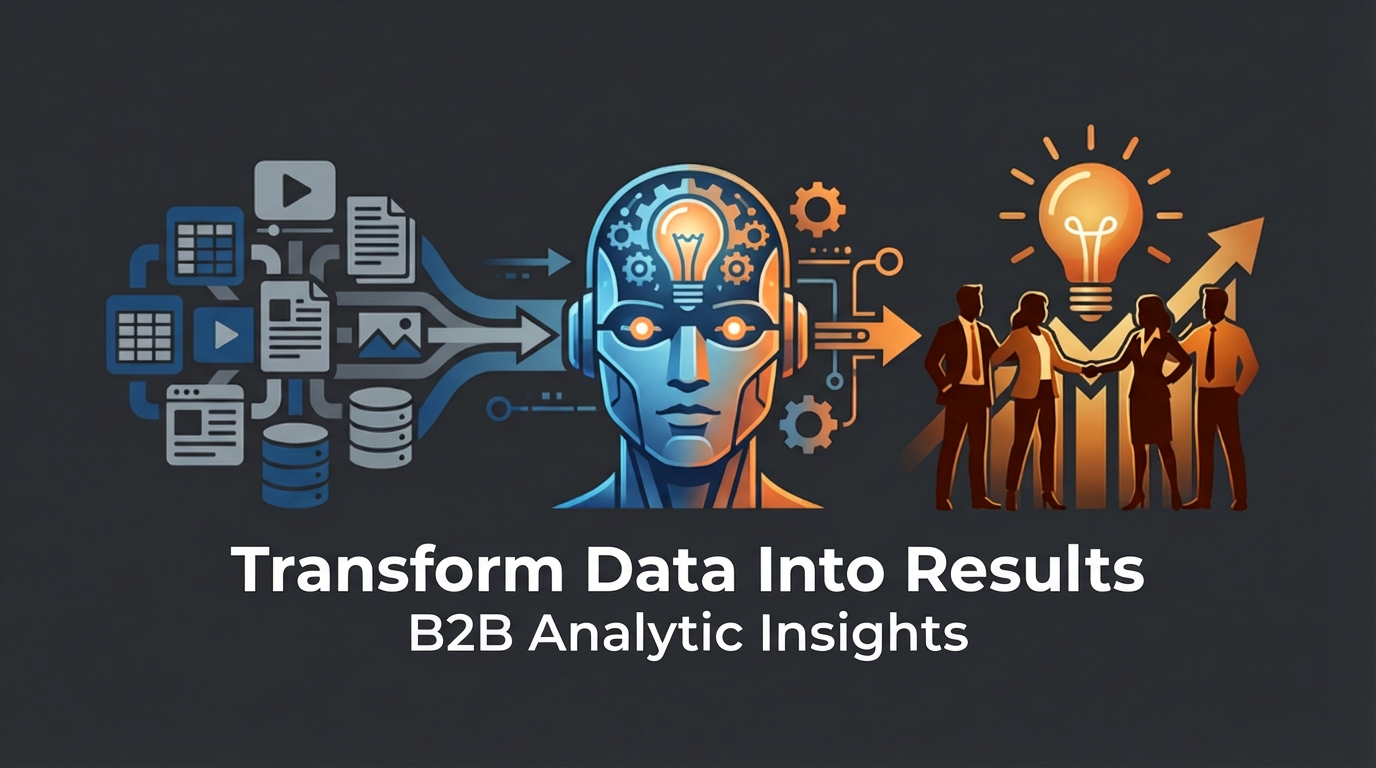

Blending commercial consumer data is a process that combines information from various sources, including demographic details, purchasing habits, and financial records, to create a comprehensive profile of consumer behavior and preferences. This approach enables businesses to gain deeper insights into their target audience, facilitating more informed decision-making in areas such as marketing, product development, and financial planning. The impact of blended data on financial strategies is substantial, as it provides a more complete picture of consumer behavior and market trends, allowing businesses to tailor their financial decisions to better meet customer needs and preferences.
The practice of blending commercial consumer data has transformed how businesses approach financial strategies. By integrating data from multiple sources, companies can develop a more thorough understanding of consumer behavior and market dynamics, leading to more informed decisions regarding pricing, product development, and marketing initiatives. This approach has the potential to significantly enhance the effectiveness of financial strategies by enabling businesses to better align their offerings with the preferences and requirements of their target audience.
Key Takeaways
- Blending commercial consumer data impacts financial strategies
- Big data plays a crucial role in shaping financial strategies
- Data quality is essential in blended commercial consumer data
- Analytics and predictive modeling provide valuable insights
- Privacy and security concerns must be addressed in blended data usage
The Power of Big Data in Financial Decision Making
Informing Financial Decisions
By analyzing large volumes of data, businesses can identify patterns and trends that can inform their financial decisions, such as pricing strategies, product development, and marketing campaigns.
Benefits of Big Data Analytics
Leveraging big data analytics in the financial industry offers potential benefits such as improved risk management, enhanced customer targeting, and more accurate forecasting of market trends. The role of big data in financial decision making cannot be overstated. By harnessing the power of big data analytics, businesses can gain a competitive edge by making more informed and strategic financial decisions.
New Opportunities for Growth
Additionally, big data analytics can enable businesses to identify new opportunities for growth and innovation, ultimately leading to more successful financial strategies. The potential benefits of leveraging big data in the financial industry are vast, including improved customer segmentation, more targeted marketing efforts, and better risk assessment.
Ensuring Data Quality in Blended Commercial Consumer Data

Data quality is paramount in blended commercial consumer data, as the accuracy and reliability of the data directly impact the effectiveness of financial decision making. Poor data quality can lead to inaccurate insights and flawed predictions, ultimately undermining the success of financial strategies. Therefore, it is crucial for businesses to prioritize data quality by implementing robust data validation processes, ensuring data accuracy, and regularly monitoring and improving data quality standards.
Maintaining and improving data quality in financial decision making is essential for ensuring the reliability and accuracy of insights derived from blended commercial consumer data. Businesses can achieve this by implementing data governance frameworks, conducting regular audits of data sources, and investing in advanced data validation tools. By prioritizing data quality, businesses can enhance the effectiveness of their financial strategies and make more informed decisions based on reliable and accurate insights.
Leveraging Analytics for Insights and Predictive Modeling
Analytics plays a pivotal role in deriving insights from blended commercial consumer data, enabling businesses to uncover valuable patterns and trends that can inform their financial strategies. By leveraging advanced analytics tools, businesses can gain a deeper understanding of consumer behavior, market dynamics, and competitive landscape, allowing them to make more informed decisions regarding pricing, product development, and marketing strategies. Predictive modeling further enhances the impact of analytics by enabling businesses to forecast future trends and outcomes, empowering them to proactively shape their financial strategies.
The use of analytics in deriving insights from blended commercial consumer data is instrumental in shaping successful financial strategies. By leveraging advanced analytics tools, businesses can gain a competitive edge by uncovering valuable insights that inform their pricing strategies, product development initiatives, and marketing campaigns. Predictive modeling further enhances the impact of analytics by enabling businesses to anticipate future market trends and consumer behavior, ultimately empowering them to make proactive and strategic financial decisions.
Addressing Privacy and Security Concerns in Blended Data
The use of blended commercial consumer data raises ethical and legal considerations regarding privacy and security. Businesses must ensure that they adhere to strict privacy regulations and implement robust security measures to protect consumer data from unauthorized access or misuse. Strategies for ensuring privacy and security in the use of blended data for financial strategies include implementing encryption protocols, obtaining explicit consent for data usage, and regularly auditing security measures to identify and address potential vulnerabilities.
Ethical and legal considerations surrounding blended commercial consumer data are paramount in ensuring the trust and confidence of consumers. Businesses must prioritize privacy and security by implementing stringent measures to protect consumer data from unauthorized access or misuse. This includes obtaining explicit consent for data usage, implementing encryption protocols, and regularly auditing security measures to identify and address potential vulnerabilities.
By addressing privacy and security concerns, businesses can build a foundation of trust with consumers while leveraging blended data for financial decision making.
Case Studies: Successful Implementation of Blended Data in Financial Strategies

Blended commercial consumer data has been successfully implemented in various industries to shape financial strategies. This approach has enabled companies to gain a deeper understanding of their target audience, optimize pricing strategies, and enhance customer targeting.
Unlocking Deeper Insights
Real-world examples demonstrate the significant impact of blended data on the success of financial strategies. By harnessing the power of integrated consumer data, businesses can achieve tangible results and make informed decisions.
Gaining a Competitive Edge
Case studies of companies leveraging blended commercial consumer data for financial decision making provide valuable insights into the potential impact of this approach. These examples showcase how businesses can gain a competitive edge by informing their pricing strategies, product development initiatives, and marketing campaigns with blended data.
Informing Financial Decision-Making
By examining successful case studies, businesses can gain inspiration and guidance on how to effectively integrate blended data into their financial decision-making processes. This approach enables companies to make data-driven decisions, driving business growth and success.
Future Trends and Opportunities in Blended Commercial Consumer Data
The future holds promising developments in the use of blended commercial consumer data for financial strategies. Advancements in technology, such as artificial intelligence and machine learning, are expected to further enhance the capabilities of businesses to derive valuable insights from blended data. Additionally, new opportunities and challenges will emerge as businesses continue to explore innovative ways to leverage integrated consumer data for more effective financial decision making.
The potential future developments in the use of blended commercial consumer data for financial strategies are vast. Advancements in technology, such as artificial intelligence and machine learning, are expected to revolutionize the capabilities of businesses to derive valuable insights from blended data. Additionally, new opportunities and challenges will emerge as businesses continue to explore innovative ways to leverage integrated consumer data for more effective financial decision making.
By staying abreast of these future trends and opportunities, businesses can position themselves to harness the full potential of blended commercial consumer data for shaping successful financial strategies.
FAQs
What is blended commercial consumer data?
Blended commercial consumer data refers to the combination of data from various sources, such as consumer behavior, purchasing patterns, and demographic information, to create a comprehensive view of consumer behavior and preferences.
How does blended commercial consumer data impact financial strategies?
Blended commercial consumer data can provide valuable insights into consumer behavior and preferences, allowing financial institutions to tailor their products and services to better meet the needs of their customers. This can lead to more targeted marketing efforts, improved risk assessment, and better decision-making in areas such as lending and investment.
What are the benefits of using blended commercial consumer data in financial strategies?
Some benefits of using blended commercial consumer data in financial strategies include improved customer targeting, enhanced risk management, better product development, and more personalized customer experiences. Additionally, it can help financial institutions stay competitive in a rapidly evolving market.
What are the potential challenges of using blended commercial consumer data in financial strategies?
Challenges associated with using blended commercial consumer data in financial strategies include data privacy and security concerns, the need for advanced analytics capabilities, and the potential for bias in data interpretation. Additionally, there may be regulatory considerations to take into account when using consumer data for financial decision-making.