
Covenant monitoring without data is a compliance risk. This is a hard truth. We see it daily. The stakes are simply too high to operate on anything less than robust, data-driven processes. Decades of experience have taught us this lesson, often the hard way. Leading thousands of commercial entities through financial cycles means facing this reality head-on.
The Scaling Private Credit Machine
Private credit is expanding. This growth presents opportunities. It also magnifies existing vulnerabilities. Teams tasked with monitoring covenants are on the front lines. Their processes, though perhaps well-intentioned, can become a significant operational risk. This is especially true when data is not a unified stream. Instead, it’s fragmented. It’s incomplete. We’re talking about information scattered across systems. It lives in different formats. This fragmentation creates blind spots. A blind spot in covenant monitoring is a direct path to non-compliance.
The sheer scale of private credit deployments means these weaknesses multiply. What might be a minor issue with a few entities becomes a systemic problem with thousands. When headroom tightens, these fragmented systems fail to provide the necessary early warnings. Lenders and borrowers alike are put on notice later than they should be. This delay is critical. It erodes the very purpose of covenants, which is to provide transparency and control.
The Persistent Shadow of Spreadsheets
The reliance on manual processes persists. This is surprising, yet undeniable. Many companies, even those backed by private equity, still depend on Excel. They pull data from ERP systems. They set calendar reminders. This approach is deeply flawed. Calculation errors are inevitable. Timeliness becomes a constant battle. Crucially, there is no built-in mechanism for early detection when financial covenants approach their limits.
Think about the diagnostic analytics here. You’re trying to understand why you missed a calculation. The answer is often buried in a complex spreadsheet. The sheer volume of data required for accurate covenant testing simply outstrips the capacity of manual entry and calculation. The risk isn’t just about errors. It’s about the lack of agility. When market conditions shift, or a borrower’s performance dips, the spreadsheet model struggles to keep pace. It does not offer predictive insights. It cannot forecast future compliance.
Regulatory Scrutiny and Digital Deficiencies
Banks, in particular, face significant pressure. Under-digitized covenant monitoring processes invite regulatory attention. This isn’t theoretical. We have seen it happen. Regulators identify poor covenant monitoring as a weakness. Missed testing dates. Inadequate recordkeeping. Failures in following up on covenant breaches. These are not minor oversights. They lead to documented findings. They result in substantial penalties.
The push toward centralized, AI-backed monitoring is a direct response to this. It’s about mitigating a known risk. The cost of non-compliance, both financial and reputational, far outweighs the investment in modernizing these systems. The descriptive analytics tell us what happened. The diagnostic analytics tell us why it happened. But without better data infrastructure, the ability to get ahead of these issues is severely hampered.
The Promise of Continuous Monitoring
The industry is pointing towards a solution. Continuous or real-time monitoring is emerging as the standard. Vendors are actively developing and promoting AI-driven solutions. These systems are designed to extract covenant terms directly. They track live financial data. They proactively flag potential breaches. This is a significant departure from periodic reviews. It shifts the focus from reactive to proactive.
This approach enables a more granular view. Imagine understanding your covenant headroom not quarterly, not monthly, but continuously. This level of intelligence allows for agile decision-making. It empowers professionals to identify trends before they become critical issues. The predictive analytics capabilities of these systems are transforming how risk is managed. They offer a forward-looking perspective that was previously unattainable.
Reporting Accuracy: The Cornerstone of Compliance
Accuracy and timeliness in reporting remain paramount. This is not a new revelation. Yet, it’s the area where many still falter. Late or inaccurate covenant reports have tangible consequences. They can trigger penalties. They increase default risk. They damage lender relationships. Especially when dealing with multiple loans. Each with its own set of covenants. Managed in isolation.
Consider the sheer effort involved in manually compiling these reports across a diverse portfolio. The risk of human error is immense. The loss of productive time is significant. The data serving the decision is often outdated by the time the report is finalized. This is where AI-driven analytics can make a profound difference. Transforming raw data into reliable, timely intelligence.
The core of our role involves managing credit risk. Covenants are a fundamental tool. They are intended to signal changes in a borrower’s financial condition. They are safeguards. But their effectiveness is entirely dependent on the quality of the data that informs them. When that data is unreliable, incomplete, or delivered late, the safeguards become liabilities.
We are talking about thousands of commercial entities. Each with specific financial covenants. These covenants are not static. They fluctuate with performance and market conditions. Monitoring them requires more than periodic checklist reviews. It demands a constant, data-informed understanding of their status. Without this, we are operating blind. This is a direct pathway to compliance failure. It’s a fundamental risk that impacts every facet of our work. From underwriting to ongoing portfolio management.
Understanding the Diagnostic Gap
The diagnostic analysis of covenant breaches often reveals a common root cause: poor data hygiene. When a covenant is breached, the immediate question is “why?”. The answer is often found in the inability to accurately track the underlying financial metrics. This is compounded by manual processes. Spreadsheets, as we know them, are prone to simple errors. A misplaced decimal. A copied formula that doesn’t quite fit. These small errors can cascade. They can lead to a miscalculation of critical ratios.
Furthermore, the lack of integration between financial systems and covenant monitoring platforms creates a data silo. This silo prevents a holistic view. We can see parts of the picture. Rarely the whole thing. This makes it difficult to perform a thorough root cause analysis. We can identify that a covenant is breached. But understanding the precise sequence of events. The specific financial drivers. This becomes a laborious, often incomplete, investigation.
The Predictive Void Left by Data Gaps
The true power of modern analytics lies in prediction. We want to know what will happen, not just what has happened. Covenants are designed to provide early warnings. They are meant to signal distress before it becomes catastrophic. But this early warning system only functions if it has accurate, up-to-date data to feed on.
When data is fragmented or manually processed, predictive analytics become speculative at best. We cannot build reliable models when the input data is questionable. What are the key drivers of a borrower’s performance? What are the thresholds that indicate increasing risk? Without a continuous stream of reliable data, our ability to answer these questions is severely limited. We are left relying on intuition and historical trends. Those are valuable, but they are not a substitute for data-driven foresight.
The Prescriptive Stalemate
Prescriptive analytics are the pinnacle. They tell us what actions to take to achieve a desired outcome. In covenant monitoring, this means identifying the optimal course of action to bring a borrower back into compliance. Or to mitigate the consequences of a breach. This requires a deep understanding of the borrower’s financial situation. It demands a clear view of covenant performance.
When data is weak, prescriptive recommendations become generic. Or, worse, they are based on incomplete information. We cannot tailor solutions effectively. We cannot optimize strategies. The ability to prescribe precise interventions. To recommend adjustments to credit facilities. To suggest operational improvements based on real-time financial performance. This capability is directly tied to the quality of our data. Without it, our prescriptive power is neutered. We are simply guessing.
The Operational Burden of Manual Monitoring
The daily reality for many finance and credit professionals involves a significant operational burden. This burden stems directly from relying on outdated, manual covenant monitoring systems. Imagine the hours spent exporting data. Reformatting reports. Manually calculating ratios against covenant definitions. This is time that could be spent on higher-value activities. Analyzing trends. Building relationships. Developing strategic insights.
This manual effort isn’t just time-consuming. It’s error prone. As discussed, the risk of calculation mistakes is high. Missing a deadline for a covenant test is also a considerable risk. These failures can lead to technical defaults. They can complicate negotiations with borrowers. They create unnecessary friction in an already complex relationship.
The Cost of Spreadsheet Dependency
Spreadsheets are ubiquitous. They are familiar. But they are also a significant point of failure in covenant monitoring. The process of extracting data from core systems and entering it into a spreadsheet invites errors. The risk of formula corruption or misinterpretation is ever-present. Furthermore, version control becomes a nightmare. Which spreadsheet is the latest? Which one contains the most accurate calculations?
The lack of automated validation means that errors can go undetected for extended periods. This can lead to a false sense of security. Or it can create a cascade of problems when the discovered error requires recalculations across multiple periods. This is not a sustainable model for managing risk across thousands of commercial entities. The operational cost, both in terms of human hours and potential financial implications, is too great.
The Integration Challenge
Effective covenant monitoring requires seamless integration. Data needs to flow freely from a borrower’s financial systems. From accounting software to ERPs. This data then needs to be interpreted and applied against covenant definitions. Manual integration points, such as copy-pasting from one system to another, are extremely inefficient and risky.
The lack of integrated systems means that a holistic, real-time view is impossible. Teams are forced to work with disparate data sets. They spend an inordinate amount of time trying to reconcile information. This prevents them from truly understanding the borrower’s financial trajectory. It hinders their ability to proactively manage risk. The challenge is not just about having data. It’s about having connected, accessible, and actionable data.
Regulatory Fallout: A Clear Warning
The warnings from regulatory bodies are clear and increasingly insistent. Poor covenant monitoring is not a minor administrative slip. It is a significant compliance risk. We have seen instances where banks face direct regulatory scrutiny. This often stems from a breakdown in the covenant monitoring process. Missed covenant tests. Inadequate documentation of covenant calculations. Failures to follow up on breaches. These are not abstract concepts. These are concrete findings that can lead to enforcement actions.
The consequences extend beyond financial penalties. Regulatory findings can damage an institution’s reputation. They can lead to increased oversight and stricter operating conditions. This is a reality that cannot be ignored. The simple fact is that regulators expect robust processes. They expect evidence of diligent oversight. Manual, spreadsheet-based approaches simply do not meet this standard.
The Impact of Missed Testing
Covenant testing is a critical periodic event. Missing a scheduled test date can, in itself, constitute a default or technical breach. This is a self-inflicted wound. It demonstrates a lack of organizational discipline. It signals to regulators that controls are weak. The impact of a missed test can be magnified if it occurs when the borrower’s financial health is already precarious. The early warning system fails, and a minor issue can quickly escalate.
The tension here is between the desire for efficient operations and the necessity of strict compliance. While streamlining processes is important, it must never come at the expense of fundamental checks and balances. The data infrastructure must support timely and accurate testing. Not hinder it.
Weak Recordkeeping and Follow-Up Failures
Beyond the act of testing, the quality of the records is crucial. Regulators need to see a clear audit trail. They need to understand how covenant calculations were performed. What assumptions were made. What data sources were used. Weak recordkeeping makes it impossible to provide this assurance. It creates ambiguity. It opens the door to disputes.
Similarly, failures in following up on covenant breaches are a red flag. Once a breach is identified, protocols must be in place to address it. This involves communication with the borrower. Discussions about remediation plans. And the potential for enforcement of loan terms. If these follow-up mechanisms are faulty, the entire covenant structure is undermined. It sends a signal that covenants are not taken seriously. This is a direct invitation for regulatory intervention.
The Future is Continuous: AI-Driven Solutions
The path forward is clear. Continuous, real-time covenant monitoring is no longer a theoretical ideal. It is a practical necessity. AI-driven solutions are emerging as the answer to many of these long-standing challenges. These platforms are designed to automate the extraction of covenant terms. They can process vast amounts of financial data. They can flag potential breaches as they occur.
This shift represents a fundamental change in how we manage credit risk. It moves us from a reactive, periodic review model to a proactive, always-on approach. This allows for a much more dynamic and informed understanding of a borrower’s financial health. The ability to spot trends in real-time. To identify early warning signs before they manifest as actual breaches. This is the promise of AI in this domain.
Extracting Value from Data
AI-powered covenant monitoring begins with intelligent data extraction. These systems can parse loan agreements and identify precise covenant definitions. They can then actively seek out the corresponding financial data points within a borrower’s systems. This eliminates much of the manual data gathering and interpretation that consumes so much time and effort.
The goal is to transform raw financial data into actionable covenant intelligence. This is not about merely collecting more data. It is about making the data relevant and understandable. It is about ensuring that the data directly informs the decision-making process. The insights generated from this process can be presented in a way that is easily digestible for credit professionals.
Real-Time Flagging and Early Intervention
The true power of these AI solutions lies in their ability to provide real-time alerts. Instead of waiting for a quarterly review, lenders and borrowers receive notifications as soon as a covenant calculation moves into a zone of concern. This allows for timely intervention. It provides an opportunity to address potential issues before they become breaches.
This proactive approach can save significant time, money, and reputational damage. It allows for collaborative problem-solving between lenders and borrowers. It fosters a more transparent and cooperative relationship. The data, when properly managed and analyzed, becomes a tool for partnership, not just for control.
The Data-Driven Decision Framework
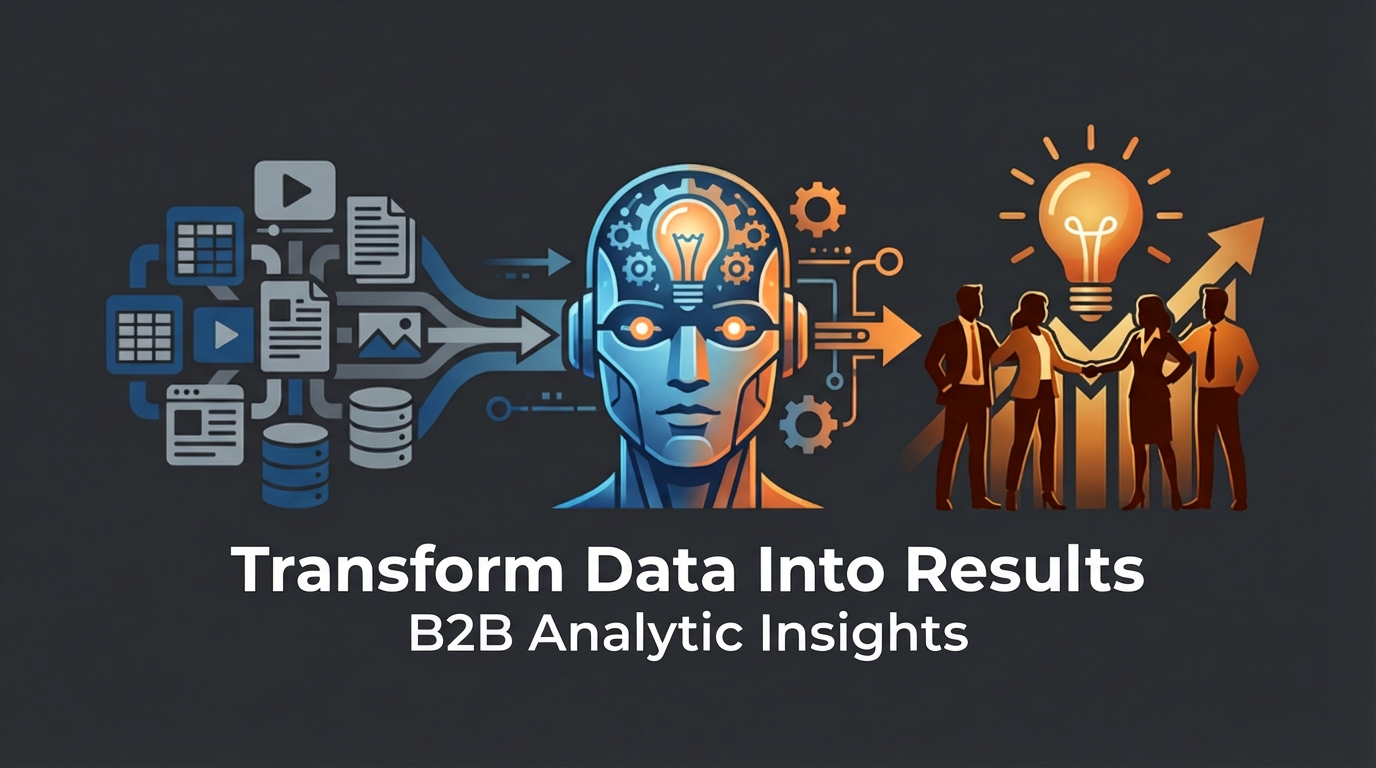
Ultimately, our profession is about making sound decisions. Covenants are a vital part of that decision-making framework. But they are only as effective as the data that supports them. AI-driven covenant monitoring transforms data into results. It provides the clarity and foresight needed to navigate complex financial landscapes. It allows us to move beyond mere compliance and towards true risk management. It empowers us to lead with data. And to collaborate effectively, with a shared understanding of the financial realities. The future of credit risk management is here. It is data-driven. It is continuous. And it is essential.