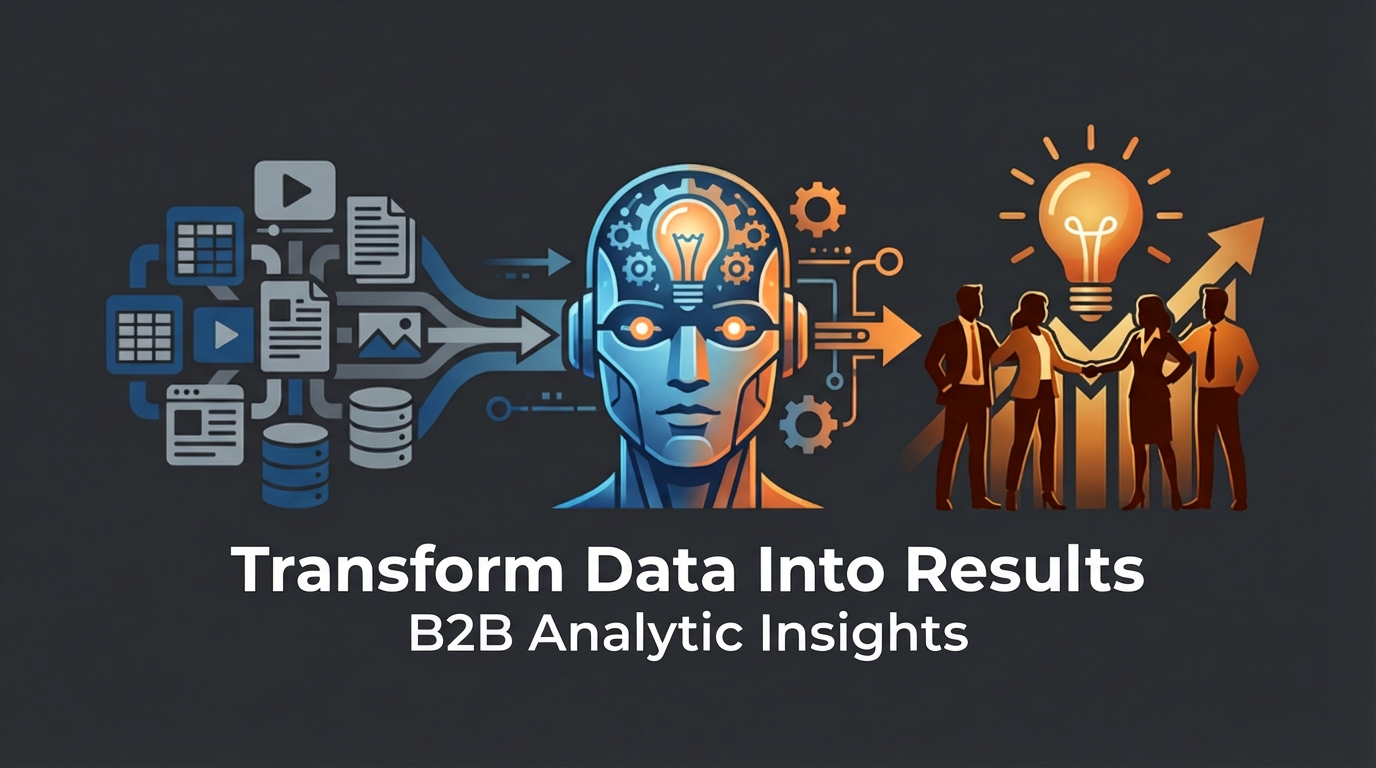

Credit management has historically relied on periodic reviews and static thresholds. We set limits, then wait. This approach served its purpose. For decades. But the world moves faster now. Our commercial entities operate with greater velocity. Their financial health can shift in weeks, not quarters. We need an approach that mirrors this reality. One that moves with them.
Our responsibility is multifaceted: manage risk, support growth, and ensure responsible lending. These are not competing objectives. They are intertwined. Static limits often force a trade-off. Dynamic limits offer a path to achieve all three more effectively.
Real-Time Intelligence: Beyond Historical Data
Traditional credit assessments provide a snapshot. Useful. Essential, even. But a snapshot ages. Quickly. We need a live feed.
Data Ingestion and Synthesis
The first step is robust data ingestion. This means going beyond standard financial statements. It includes payment patterns. Daily transaction volumes. Supply chain movements. Market sentiment. We integrate internal and external data sources. Then we synthesize them. This process is complex. It requires sophisticated data pipelines. But the output is a unified, real-time view of a commercial entity’s financial pulse. Think of it as a constant health monitor, not an annual physical.
Predictive Behavioral Analytics
With this continuous stream, we shift from descriptive to predictive. We are no longer just reporting what happened. We are forecasting what might happen. AI and machine learning algorithms analyze historical behaviors. They identify patterns. They predict future actions. This includes income fluctuations. Spending habits. Payment discipline. These models address the rigidity of traditional systems. They offer a more granular understanding of risk, allowing earlier detection of potential issues.
The Mechanism of Dynamic Adjustment
Adjusting credit limits in real-time is not a theoretical exercise. It’s becoming a practical necessity. Our systems need to be agile.
Algorithmic Decisioning Frameworks
The core is an algorithmic framework. This framework takes the synthesized data and predictive outputs. It applies pre-defined rules. It also learns from new data. These algorithms are not black boxes. They are transparent. Explainable. We understand their logic. They help us determine appropriate limit adjustments. Up or down. These adjustments are not arbitrary. They are driven by tangible shifts in risk profiles.
Rules for Proactive Risk Mitigation
We build rules into these systems. Rules based on our decades of experience. For example, a sudden drop in customer payments. Or a significant increase in overdue invoices from their own customers. These triggers initiate a review. Or an automatic downward adjustment. This mitigates risk before it escalates. It is proactive protection. This means fewer surprises. Fewer write-offs.
Benefits of Agility for Our Portfolios
The gains from dynamic limits are measurable. They impact our bottom line. And our relationships.
Optimizing Portfolio Performance
An AI-powered system can optimize our entire portfolio. We see higher profits. This comes from aligning credit limits with actual borrower behavior. We can offer more credit to thriving entities. They can grow. We can reduce exposure to those facing headwinds. This reduces defaults. The overall portfolio becomes more resilient. More profitable.
Enhanced Customer Experience and Retention
Our commercial entities value flexibility. They value a partner who understands their needs. And responds quickly. Dynamic limits allow us to be that partner. We can approve more transactions. We can support sudden growth spurts. This fosters stronger relationships. It reduces friction. It translates to higher customer satisfaction. It translates to better retention.
Navigating the Regulatory and Operational Landscape
Implementing dynamic systems is not without its considerations. We must act responsibly. Within established guidelines.
Regulatory Compliance and Explainability
Any automated system must comply with all relevant regulations. This is non-negotiable. Our algorithms must be transparent. Their decisions must be explainable. We need to audit these systems regularly. Ensure fairness. Prevent bias. This means human oversight is still critical. The system informs us. We make the final judgment.
Integration with Existing Infrastructure
These new systems must integrate seamlessly. With our existing core banking systems. With our enterprise resource planning tools. This is often the most challenging part. It requires careful planning. Robust APIs. And thorough testing. We avoid rip-and-replace scenarios. We build on what exists. We enhance it.
The Future State: Intelligence-Driven Credit Management
Looking ahead, the evolution continues. We are moving towards a fully intelligence-driven model.
Prescriptive Analytics for Strategic Decisions
Descriptive analytics show what happened. Diagnostic explains why. Predictive forecasts what will happen. Prescriptive tells us what to do. This is the next frontier. Our systems will suggest optimal actions. Not just adjustments. It might suggest revised payment terms. Or alternative financing options. It might recommend engagement strategies based on behavioral profiles. This moves us from reacting to strategically influencing outcomes.
Continuous Learning and Adaptation
Our AI and machine learning models are not static. They learn. Constantly. New data refines their understanding. New outcomes inform their predictions. This creates a self-improving system. One that adapts to changing market conditions. To evolving customer behaviors. Our credit policies become living documents. Not fixed rules. This ensures we remain at the forefront. Ready for whatever comes next. It’s about more than just managing credit risk. It’s about building a responsive, intelligent ecosystem that supports strong commercial relationships and sustainable growth.