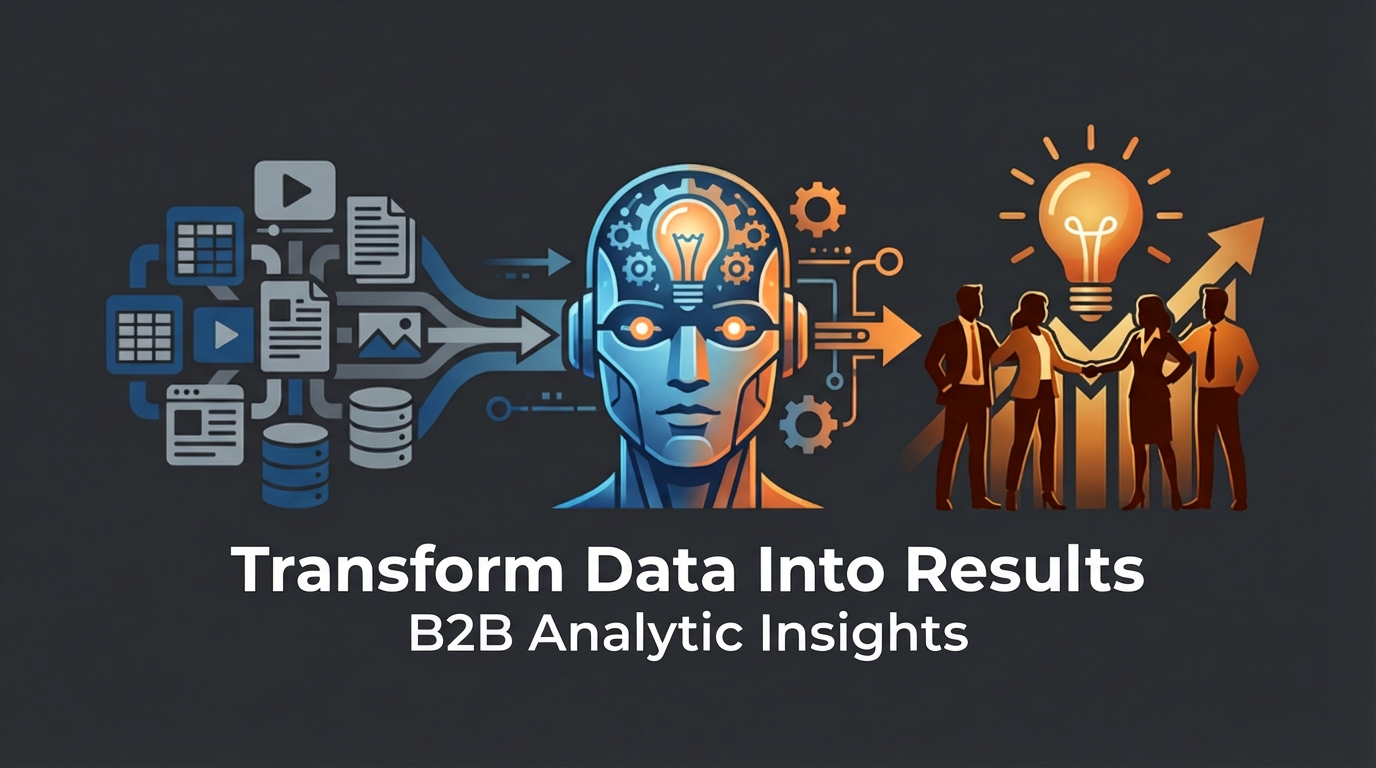

Deterministic analytics is a branch of data science that focuses on analyzing and interpreting data using deterministic models and algorithms. Unlike probabilistic analytics, which deals with uncertain or random events, deterministic analytics aims to provide precise and accurate results based on known inputs and conditions. It involves the use of mathematical equations, algorithms, and logical reasoning to analyze data and make predictions or decisions.
Deterministic analytics plays a crucial role in data science as it helps in understanding complex data sets, identifying patterns and trends, and making informed decisions. By using deterministic models, analysts can eliminate uncertainty and obtain precise results, which are essential in various industries such as finance, healthcare, marketing, and manufacturing. It allows organizations to optimize their operations, improve efficiency, reduce costs, and gain a competitive advantage.
Key Takeaways
- Deterministic analytics is a method of data analysis that uses mathematical models to make predictions and decisions.
- Raw data can be challenging to work with due to inconsistencies and errors, but deterministic analytics can help clean and preprocess it.
- Deterministic analytics is important in data analysis because it can provide accurate and reliable results.
- Deterministic analytics plays a crucial role in data modeling, visualization, and predictive analytics.
- The significance of deterministic analytics in decision making cannot be overstated, as it can help organizations make informed and data-driven decisions.
Understanding Raw Data and Its Challenges
Raw data refers to unprocessed or unorganized data that is collected from various sources such as sensors, databases, social media platforms, or surveys. It is often in its original form and lacks structure or context. Working with raw data can be challenging due to several reasons.
Firstly, raw data can be messy and contain errors or inconsistencies. It may have missing values, duplicate entries, or incorrect formatting. Cleaning and preprocessing raw data is a time-consuming task that requires careful attention to detail.
Secondly, raw data can be voluminous and complex. It may contain thousands or even millions of records with multiple variables or attributes. Analyzing such large datasets manually can be overwhelming and impractical.
Lastly, raw data may lack meaningful insights or patterns. It may require advanced techniques and algorithms to uncover hidden relationships or trends. Without proper analysis, raw data remains just a collection of numbers or text without any actionable information.
The Importance of Deterministic Analytics in Data Analysis
Deterministic analytics plays a crucial role in data analysis by providing a systematic approach to understanding and interpreting raw data. It helps in transforming raw data into meaningful information that can be used for decision-making. Here are some ways in which deterministic analytics is important in data analysis:
1. Precise Results: Deterministic analytics provides precise and accurate results based on known inputs and conditions. It eliminates uncertainty and provides a clear understanding of the data. This is particularly important in industries where accuracy is crucial, such as finance or healthcare.
2. Identifying Patterns and Trends: Deterministic analytics helps in identifying patterns and trends in the data. By using mathematical models and algorithms, analysts can uncover hidden relationships or correlations that may not be apparent in raw data. This allows organizations to make informed decisions based on data-driven insights.
3. Optimization and Efficiency: Deterministic analytics helps in optimizing processes and improving efficiency. By analyzing historical data, organizations can identify bottlenecks, inefficiencies, or areas for improvement. This allows them to streamline operations, reduce costs, and increase productivity.
4. Predictive Analytics: Deterministic analytics is essential for predictive analytics, which involves forecasting future outcomes based on historical data. By using deterministic models, analysts can make accurate predictions about future events or trends. This is particularly useful in industries such as marketing or finance, where predicting customer behavior or market trends is crucial.
The Role of Deterministic Analytics in Data Cleaning
Data cleaning, also known as data cleansing or data scrubbing, is the process of identifying and correcting errors or inconsistencies in raw data. It involves removing duplicate entries, filling in missing values, correcting formatting errors, and ensuring data integrity. Deterministic analytics plays a crucial role in data cleaning by providing a systematic approach to identify and correct errors.
Deterministic analytics uses mathematical models and algorithms to identify outliers or anomalies in the data. It compares each data point with predefined rules or thresholds to determine if it is valid or erroneous. For example, if a dataset contains age values ranging from 1 to 1000, deterministic analytics can identify values that are outside this range and flag them as errors.
Deterministic analytics also helps in filling in missing values by using logical reasoning or statistical techniques. For example, if a dataset contains missing values for a particular variable, deterministic analytics can use the values of other variables to estimate or impute the missing values. This ensures that the dataset is complete and can be used for further analysis.
Examples of data cleaning using deterministic analytics include removing duplicate entries from a customer database, correcting formatting errors in a financial dataset, or imputing missing values in a healthcare dataset. By using deterministic analytics, organizations can ensure that their data is accurate, reliable, and ready for analysis.
The Significance of Deterministic Analytics in Data Preprocessing
Data preprocessing is an essential step in data analysis that involves transforming raw data into a format suitable for analysis. It includes tasks such as data cleaning, data integration, data transformation, and data reduction. Deterministic analytics plays a significant role in data preprocessing by providing a systematic approach to transform and prepare the data.
Deterministic analytics helps in data integration by combining data from multiple sources into a single dataset. It ensures that the data is consistent and compatible by resolving any inconsistencies or conflicts. For example, if two datasets have different variable names or formats, deterministic analytics can standardize them to ensure compatibility.
Deterministic analytics also helps in data transformation by converting the data into a suitable format for analysis. It involves tasks such as scaling variables, encoding categorical variables, or creating new variables based on existing ones. For example, if a dataset contains variables measured in different units or scales, deterministic analytics can normalize or standardize them to ensure comparability.
Data reduction is another important task in data preprocessing, which involves reducing the dimensionality of the dataset without losing important information. Deterministic analytics helps in selecting relevant variables or features based on their importance or contribution to the analysis. This reduces the complexity of the dataset and improves computational efficiency.
Examples of data preprocessing using deterministic analytics include merging customer data from different sources, transforming variables to a common scale, or selecting relevant features for a predictive model. By using deterministic analytics, organizations can ensure that their data is transformed and prepared in a systematic and efficient manner.
The Role of Deterministic Analytics in Data Modeling

Data modeling is the process of creating a mathematical or computational model that represents the relationships or patterns in the data. It involves selecting an appropriate model, estimating its parameters, and validating its performance. Deterministic analytics plays a crucial role in data modeling by providing a systematic approach to model selection, parameter estimation, and model validation.
Deterministic analytics helps in model selection by evaluating different models based on their fit to the data and their ability to explain the underlying relationships. It uses statistical techniques such as hypothesis testing or goodness-of-fit measures to compare and select the best model. For example, if a dataset contains continuous variables, deterministic analytics can help in selecting between linear regression, polynomial regression, or non-linear regression models.
Deterministic analytics also helps in parameter estimation by estimating the unknown parameters of the selected model based on the available data. It uses optimization techniques or maximum likelihood estimation to find the best values for the parameters. For example, if a dataset contains a logistic regression model, deterministic analytics can estimate the coefficients of the model based on the observed outcomes.
Model validation is another important task in data modeling, which involves assessing the performance of the selected model on unseen data. Deterministic analytics helps in validating the model by using techniques such as cross-validation or holdout validation. It ensures that the model is not overfitting or underfitting the data and provides reliable predictions or estimates.
Examples of data modeling using deterministic analytics include fitting a linear regression model to predict sales based on advertising expenditure, estimating the parameters of a logistic regression model to predict customer churn, or validating the performance of a neural network model for image recognition. By using deterministic analytics, organizations can create accurate and reliable models that capture the underlying relationships in the data.
The Importance of Deterministic Analytics in Data Visualization
Data visualization is the process of representing data visually using charts, graphs, or maps. It helps in understanding complex data sets, identifying patterns or trends, and communicating insights effectively. Deterministic analytics plays an important role in data visualization by providing a systematic approach to visualize and interpret the data.
Deterministic analytics helps in selecting appropriate visualizations based on the type of data and the research question. It uses statistical techniques such as histograms, scatter plots, or box plots to represent the distribution or relationship between variables. For example, if a dataset contains continuous variables, deterministic analytics can use scatter plots to visualize their relationship.
Deterministic analytics also helps in interpreting and analyzing visualizations by providing statistical measures or indicators. It uses techniques such as mean, median, standard deviation, or correlation coefficients to summarize and interpret the data. For example, if a scatter plot shows a positive correlation between two variables, deterministic analytics can calculate the correlation coefficient to quantify the strength of the relationship.
Data visualization using deterministic analytics allows organizations to communicate insights effectively and make informed decisions based on data-driven insights. It helps in identifying patterns or trends that may not be apparent in raw data and provides a visual representation that is easy to understand and interpret.
Examples of data visualization using deterministic analytics include creating bar charts to compare sales across different regions, creating line charts to track stock prices over time, or creating heat maps to visualize customer preferences. By using deterministic analytics, organizations can create visually appealing and informative visualizations that enhance their understanding of the data.
The Role of Deterministic Analytics in Predictive Analytics
Predictive analytics is a branch of data science that involves forecasting future outcomes based on historical data. It uses statistical techniques, machine learning algorithms, or artificial intelligence to make predictions or estimates. Deterministic analytics plays a crucial role in predictive analytics by providing a systematic approach to model development, prediction, and evaluation.
Deterministic analytics helps in model development by selecting an appropriate predictive model based on the type of data and the research question. It uses techniques such as linear regression, decision trees, or neural networks to develop models that capture the underlying relationships in the data. For example, if a dataset contains time series data, deterministic analytics can use autoregressive integrated moving average (ARIMA) models to predict future values.
Deterministic analytics also helps in prediction by estimating the unknown parameters of the selected model based on the available data. It uses optimization techniques or maximum likelihood estimation to find the best values for the parameters. For example, if a dataset contains a logistic regression model, deterministic analytics can estimate the coefficients of the model based on the observed outcomes.
Model evaluation is another important task in predictive analytics, which involves assessing the performance of the selected model on unseen data. Deterministic analytics helps in evaluating the model by using techniques such as cross-validation or holdout validation. It ensures that the model is not overfitting or underfitting the data and provides reliable predictions or estimates.
Examples of predictive analytics using deterministic analytics include predicting customer churn based on historical data, forecasting sales based on market trends, or estimating stock prices based on historical prices. By using deterministic analytics, organizations can make accurate predictions or estimates that help them make informed decisions and gain a competitive advantage.
The Significance of Deterministic Analytics in Decision Making
Deterministic analytics plays a crucial role in decision making by providing a systematic approach to analyze data and make informed decisions. It helps in understanding complex data sets, identifying patterns or trends, and evaluating different options or scenarios. Here are some ways in which deterministic analytics is significant in decision making:
1. Data-Driven Decisions: Deterministic analytics allows organizations to make data-driven decisions based on objective and quantifiable information. By analyzing historical data and using deterministic models, organizations can identify trends, patterns, or relationships that help them make informed decisions. This reduces the reliance on intuition or guesswork and improves the accuracy and reliability of decisions.
2. Risk Assessment: Deterministic analytics helps in assessing and managing risks by quantifying the uncertainty associated with different options or scenarios. By using techniques such as sensitivity analysis or Monte Carlo simulation, organizations can evaluate the potential outcomes or risks associated with different decisions. This allows them to make informed decisions that minimize risks and maximize rewards.
3. Optimization and Efficiency: Deterministic analytics helps in optimizing processes and improving efficiency by identifying bottlenecks, inefficiencies, or areas for improvement. By analyzing historical data and using deterministic models, organizations can identify the optimal solutions or strategies that maximize efficiency or minimize costs. This allows them to streamline operations, reduce costs, and increase productivity.
4. Scenario Analysis: Deterministic analytics allows organizations to evaluate different options or scenarios by simulating their potential outcomes. By using techniques such as decision trees or scenario analysis, organizations can assess the potential risks or rewards associated with different decisions. This helps in evaluating trade-offs and making informed decisions that align with organizational goals.
Examples of decision making using deterministic analytics include selecting the best marketing strategy based on customer preferences, optimizing production schedules based on demand forecasts, or evaluating investment options based on risk-return trade-offs. By using deterministic analytics, organizations can make informed decisions that are based on data-driven insights and improve their overall performance.
The Future of Deterministic Analytics in Data Science
Deterministic analytics plays a crucial role in data science by providing a systematic approach to analyze and interpret data. It helps in understanding complex data sets, identifying patterns or trends, and making informed decisions. The future of deterministic analytics in data science looks promising as organizations continue to generate vast amounts of data and seek ways to extract meaningful insights from it.
With advancements in technology and the availability of powerful computing resources, deterministic analytics is becoming more accessible and efficient. Machine learning algorithms, artificial intelligence, and big data analytics are revolutionizing the field of deterministic analytics and enabling organizations to analyze and interpret data on a larger scale.
The importance of deterministic analytics in the future of data science cannot be overstated. It will continue to play a crucial role in various industries such as finance, healthcare, marketing, and manufacturing. Organizations that embrace deterministic analytics and invest in data-driven decision-making will have a competitive advantage in the market.
In conclusion, deterministic analytics is a powerful tool in data science that helps in understanding complex data sets, identifying patterns or trends, and making informed decisions. It plays a crucial role in data cleaning, data preprocessing, data modeling, data visualization, predictive analytics, and decision making. The future of deterministic analytics in data science looks promising as organizations continue to generate vast amounts of data and seek ways to extract meaningful insights from it. By embracing deterministic analytics and investing in data-driven decision-making, organizations can gain a competitive advantage and improve their overall performance.