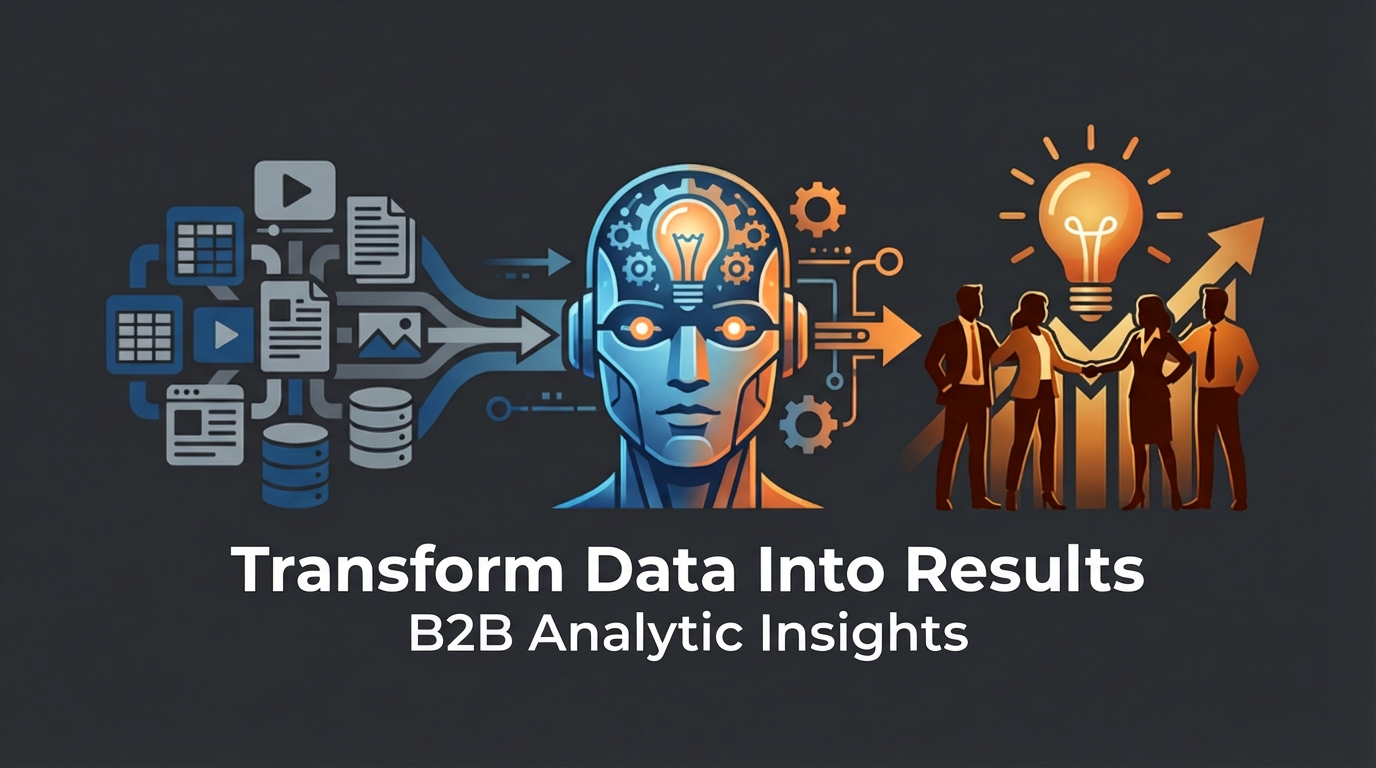

In the current fast-paced business environment, organizations must adapt their procurement processes to remain competitive. Predictive analysis is a key tool for achieving this goal. This method utilizes historical data, statistical algorithms, and machine learning to identify patterns and forecast future outcomes.
By implementing predictive analysis in procurement, companies can gain insights into market trends, supplier performance, and demand forecasting, enabling more informed decision-making. Predictive analysis also aids in risk mitigation and opportunity identification within procurement. Through the examination of historical data and market trends, organizations can anticipate potential supply chain disruptions, uncover cost-saving opportunities, and optimize inventory management.
This forward-thinking approach allows companies to maintain a competitive edge and adapt to market changes, effectively future-proofing their procurement processes. The integration of predictive analysis in procurement is crucial for organizations aiming to thrive in today’s dynamic business landscape. By harnessing the power of predictive analysis, companies can enhance their procurement strategies, mitigate risks, and capitalize on opportunities, ultimately ensuring long-term success and sustainability.
Key Takeaways
- Future-proofing procurement with predictive analysis is crucial for staying ahead in the competitive market.
- Leveraging big data can enhance procurement strategies by providing valuable insights and trends.
- Integrating blended commercial and consumer data for predictive analytics can offer a comprehensive view of the market and consumer behavior.
- Ensuring data quality is essential for accurate predictive analysis in procurement to make informed decisions.
- Analytics plays a vital role in future-proofing procurement by identifying potential risks and opportunities in the market.
Leveraging Big Data for Enhanced Procurement Strategies
Unlocking Insights and Opportunities
By analyzing large datasets, organizations can gain a comprehensive understanding of their procurement operations and make data-driven decisions that drive efficiency and cost savings. This enables them to identify cost-saving opportunities, improve supplier relationships, and enhance demand forecasting.
Optimizing Procurement Processes
The power of big data allows organizations to optimize their procurement processes, leading to improved efficiency and reduced costs. By leveraging big data, organizations can make informed decisions that drive long-term success and stay competitive in today’s fast-paced business environment.
Driving Long-term Success
In conclusion, harnessing the power of big data is essential for organizations looking to drive long-term success. By gaining valuable insights, optimizing their procurement processes, and making data-driven decisions, organizations can stay ahead of the competition and achieve their goals.
Integrating Blended Commercial and Consumer Data for Predictive Analytics

In today’s interconnected world, organizations have access to a wealth of commercial and consumer data that can be leveraged for predictive analytics in procurement. By integrating blended commercial and consumer data, organizations can gain a comprehensive understanding of market trends, consumer behavior, and supplier performance, ultimately informing their procurement decisions. Commercial data such as sales figures, inventory levels, and supplier performance metrics can provide valuable insights into the operational aspects of procurement.
On the other hand, consumer data such as purchasing behavior, preferences, and trends can offer valuable insights into demand forecasting and market trends. By integrating these diverse datasets, organizations can gain a holistic view of their procurement operations and make more informed decisions. Furthermore, integrating blended commercial and consumer data for predictive analytics can help organizations identify potential opportunities for cost savings, optimize inventory management, and enhance supplier relationships.
By leveraging a comprehensive dataset, organizations can gain a competitive edge in their procurement processes and future-proof their operations. In conclusion, integrating blended commercial and consumer data for predictive analytics is essential for organizations looking to enhance their procurement strategies. By leveraging diverse datasets, organizations can gain valuable insights into market trends, consumer behavior, and supplier performance, ultimately driving long-term success in procurement.
Ensuring Data Quality for Accurate Predictive Analysis in Procurement
Data quality is paramount when it comes to predictive analysis in procurement. Inaccurate or incomplete data can lead to flawed insights and poor decision-making, ultimately undermining the effectiveness of predictive analysis. Therefore, it is crucial for organizations to ensure the quality of their data to achieve accurate predictive analysis in procurement.
One way to ensure data quality is through data cleansing and validation processes. By identifying and correcting errors, inconsistencies, and duplicates in the dataset, organizations can improve the accuracy and reliability of their data. Additionally, implementing data validation processes can help organizations maintain the integrity of their data and ensure that it meets the necessary standards for predictive analysis.
Furthermore, organizations should also invest in robust data governance practices to ensure the quality of their data. By establishing clear guidelines for data collection, storage, and usage, organizations can maintain the quality and consistency of their data over time. This proactive approach to data governance can help organizations achieve accurate predictive analysis in procurement and make more informed decisions.
In conclusion, ensuring data quality is essential for accurate predictive analysis in procurement. By implementing data cleansing, validation processes, and robust data governance practices, organizations can improve the accuracy and reliability of their data, ultimately enhancing their predictive analysis capabilities in procurement.
The Role of Analytics in Future-Proofing Procurement
Analytics plays a crucial role in future-proofing procurement processes. By leveraging advanced analytics techniques such as predictive modeling, machine learning, and data visualization, organizations can gain valuable insights into market trends, supplier performance, and demand forecasting. These insights can inform strategic decision-making and help organizations adapt to changing market conditions, ultimately future-proofing their procurement processes.
Furthermore, analytics can help organizations identify potential risks and opportunities in the procurement process. By analyzing historical data and market trends, organizations can anticipate potential disruptions in the supply chain, identify cost-saving opportunities, and optimize inventory management. This proactive approach to procurement can help organizations stay ahead of the competition and adapt to changing market conditions.
In conclusion, analytics plays a critical role in future-proofing procurement processes. By leveraging advanced analytics techniques, organizations can gain valuable insights into market trends, mitigate risks, and identify opportunities, ultimately enhancing their procurement strategies and ensuring long-term success.
Harnessing the Power of Predictive Analysis for Procurement Success

Optimizing Procurement Processes
Furthermore, predictive analysis can help organizations optimize their procurement processes by identifying cost-saving opportunities, improving supplier relationships, and enhancing demand forecasting. By analyzing large volumes of data using predictive analysis techniques, organizations can gain a comprehensive understanding of their procurement operations and make strategic decisions that drive efficiency and cost savings.
Driving Long-term Success
By leveraging predictive analysis techniques, organizations can gain valuable insights into market trends, mitigate risks, and identify opportunities that drive long-term success in procurement.
The Key to Procurement Success
In conclusion, harnessing the power of predictive analysis is essential for procurement success.
Implementing Predictive Analysis to Stay Ahead in the Procurement Game
In today’s competitive business environment, implementing predictive analysis is crucial for organizations looking to stay ahead in the procurement game. By leveraging predictive analysis techniques such as machine learning algorithms and statistical modeling, organizations can gain valuable insights into market trends, supplier performance, and demand forecasting. These insights can inform strategic decision-making and help organizations adapt to changing market conditions.
Furthermore, implementing predictive analysis allows organizations to anticipate potential risks and opportunities in the procurement process. By analyzing historical data and market trends using predictive analysis techniques, organizations can proactively identify potential disruptions in the supply chain, identify cost-saving opportunities, and optimize inventory management. This proactive approach to procurement allows organizations to stay ahead of the competition and make informed decisions that drive success.
In conclusion, implementing predictive analysis is essential for staying ahead in the procurement game. By leveraging advanced predictive analysis techniques, organizations can gain valuable insights into market trends, mitigate risks, and identify opportunities that drive long-term success in procurement.
FAQs
What is blended commercial consumer data?
Blended commercial consumer data refers to the combination of traditional commercial data, such as sales and financial records, with consumer data, such as social media activity and online behavior, to provide a more comprehensive view of customer behavior and market trends.
What is predictive analysis in procurement?
Predictive analysis in procurement involves using historical and current data to forecast future trends and outcomes, such as demand for goods and services, supplier performance, and market fluctuations. This helps procurement professionals make informed decisions and mitigate risks.
How can blended commercial consumer data be integrated for predictive analysis in procurement?
Blended commercial consumer data can be integrated for predictive analysis in procurement by leveraging advanced analytics and machine learning algorithms to identify patterns, trends, and correlations within the data. This can help procurement teams anticipate market changes, customer preferences, and supply chain disruptions.
What are the benefits of future-proofing procurement with blended commercial consumer data?
Future-proofing procurement with blended commercial consumer data can provide several benefits, including improved demand forecasting, better supplier management, enhanced risk mitigation, and increased agility in responding to market changes. It can also lead to cost savings and competitive advantages for organizations.
What are the potential challenges of integrating blended commercial consumer data for predictive analysis in procurement?
Challenges of integrating blended commercial consumer data for predictive analysis in procurement may include data privacy and security concerns, data quality and accuracy issues, as well as the need for specialized skills and technology infrastructure. Organizations must address these challenges to effectively leverage blended data for procurement insights.