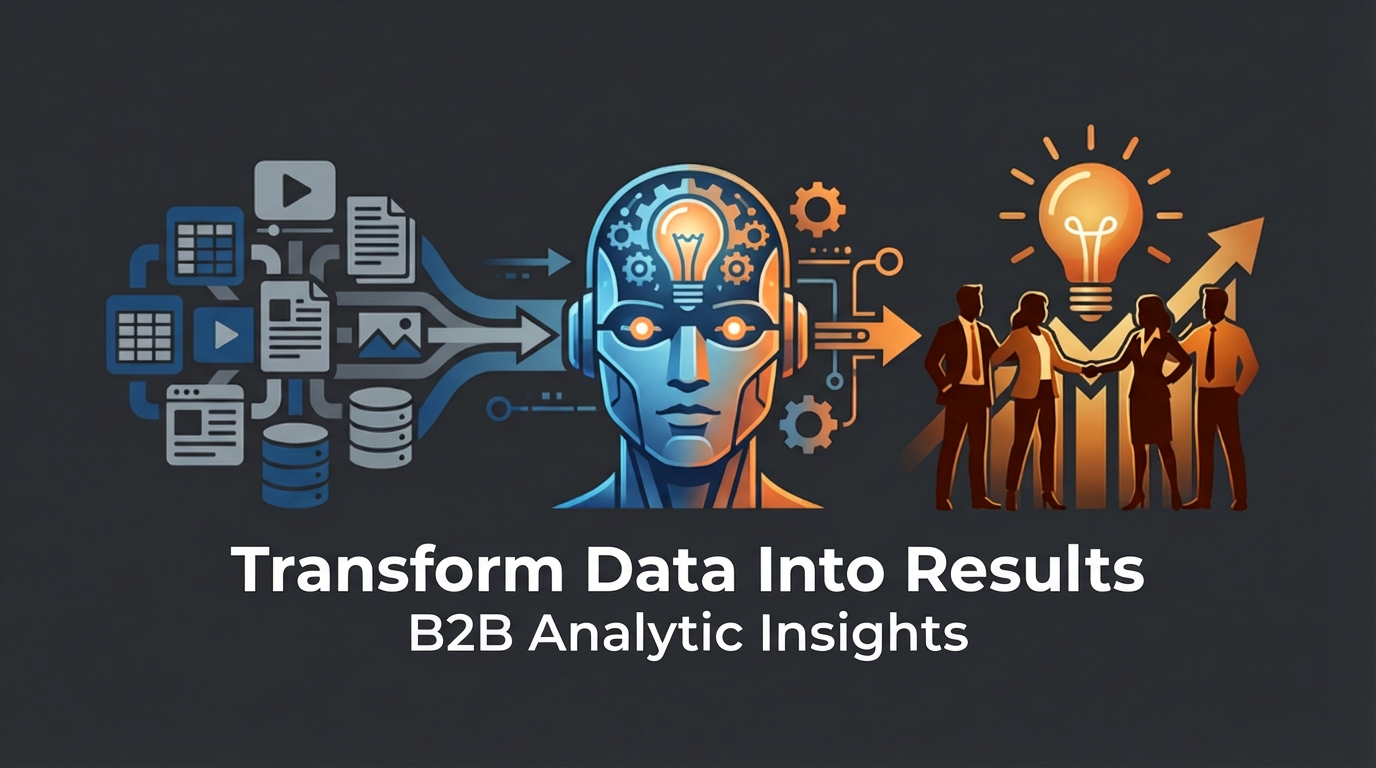

Big Data refers to the vast amount of structured and unstructured data that is generated by various sources such as social media, sensors, and transactional systems. This data is characterized by its volume, velocity, and variety, and it presents both challenges and opportunities for financial teams. The importance of Big Data for financial teams cannot be overstated. It provides valuable insights that can help them make informed decisions, improve risk management, detect fraud, gain market insights, optimize operations, and enhance business intelligence.
One of the key benefits of using Big Data in finance is the ability to analyze large volumes of data in real-time. Financial teams can now access and process massive amounts of data from various sources quickly and efficiently. This enables them to gain insights into customer behavior, market trends, and financial performance in real-time, allowing for more timely and accurate decision-making.
Furthermore, Big Data provides financial teams with a more comprehensive view of their business operations. By analyzing both internal and external data sources, they can gain a deeper understanding of their customers, competitors, and market dynamics. This holistic view enables them to identify new opportunities, mitigate risks, and optimize their business strategies.
Key Takeaways
- Big Data is important for financial teams as it provides insights that can help them make better decisions.
- Essential data sources for financial analysis include financial statements, market data, and customer data.
- Big Data can help with risk management and fraud detection by analyzing large amounts of data to identify patterns and anomalies.
- Social media and web analytics can provide market insights that can help financial teams make better investment decisions.
- IoT data can be used to improve operational efficiency and reduce costs in finance.
Essential Data Sources for Financial Analysis and Decision-making
Financial teams rely on both internal and external data sources for their analysis and decision-making processes. Internal data sources include financial statements, transactional data, customer data, and operational data. These sources provide valuable insights into the company’s financial performance, customer behavior, and operational efficiency.
External data sources, on the other hand, include market data, economic indicators, industry reports, social media data, and web analytics. These sources provide financial teams with a broader perspective on market trends, customer sentiment, competitor analysis, and industry benchmarks.
Data quality and accuracy are crucial for financial analysis and decision-making. Inaccurate or incomplete data can lead to flawed analysis and incorrect decisions. Therefore, financial teams need to ensure that the data they use is reliable, up-to-date, and relevant. This requires implementing data quality controls, data validation processes, and data governance frameworks.
The Role of Big Data in Risk Management and Fraud Detection
Risk management is a critical function for financial teams, and Big Data can play a significant role in enhancing their risk management capabilities. By analyzing large volumes of data from various sources, financial teams can identify potential risks, assess their impact, and develop strategies to mitigate them.
Big Data analytics can help financial teams detect fraud by identifying patterns and anomalies in transactional data. By analyzing historical transactional data and comparing it with real-time data, they can identify suspicious activities and take appropriate actions to prevent fraud.
There have been several successful examples of fraud detection using Big Data in the finance industry. For example, a leading credit card company used Big Data analytics to detect fraudulent transactions in real-time. By analyzing transactional data from millions of credit card transactions, they were able to identify patterns of fraudulent activities and block suspicious transactions immediately.
Leveraging Social Media and Web Analytics for Market Insights
Social media and web analytics have become essential tools for financial teams to gain market insights. By monitoring social media platforms and analyzing web analytics data, they can understand customer sentiment, track competitor activities, and identify emerging market trends.
Social media platforms provide a wealth of information about customer preferences, opinions, and behaviors. Financial teams can analyze social media data to understand customer sentiment towards their products or services, identify emerging trends, and develop targeted marketing campaigns.
Web analytics data provides insights into customer behavior on websites and online platforms. Financial teams can analyze this data to understand how customers interact with their websites, which pages are most visited, and which products or services are most popular. This information can help them optimize their website design, improve user experience, and increase conversion rates.
There have been successful examples of market insights using social media and web analytics in the finance industry. For example, a leading investment bank used social media data to predict stock market movements. By analyzing social media conversations about specific stocks, they were able to identify patterns and trends that correlated with stock price movements.
Harnessing IoT Data for Operational Efficiency and Cost Reduction
The Internet of Things (IoT) refers to the network of interconnected devices that collect and exchange data. In the finance industry, IoT data can be used to improve operational efficiency and reduce costs.
Financial teams can use IoT data to monitor and optimize their operational processes. For example, sensors can be installed in manufacturing facilities to collect data on machine performance, energy consumption, and maintenance needs. This data can be analyzed to identify inefficiencies, optimize production schedules, and reduce downtime.
IoT data can also be used to improve risk management in the finance industry. For example, sensors can be installed in buildings to monitor environmental conditions such as temperature, humidity, and air quality. This data can be analyzed to identify potential risks such as fire hazards or equipment failures.
There have been successful examples of IoT implementation in the finance industry. For example, a leading insurance company used IoT devices to monitor driver behavior and offer personalized insurance premiums based on individual driving habits. By collecting data from telematics devices installed in cars, they were able to assess risk more accurately and offer customized insurance plans.
The Power of Machine Learning and Predictive Analytics in Finance

Machine learning and predictive analytics are powerful tools that financial teams can use to analyze large volumes of data and make accurate predictions. Machine learning algorithms can learn from historical data and identify patterns or trends that humans may not be able to detect.
Predictive analytics uses historical data to make predictions about future events or outcomes. Financial teams can use predictive analytics to forecast sales, predict customer behavior, assess credit risk, and optimize investment strategies.
Machine learning and predictive analytics can also be used for fraud detection in the finance industry. By analyzing historical transactional data and identifying patterns of fraudulent activities, machine learning algorithms can detect suspicious transactions in real-time.
There have been successful examples of machine learning and predictive analytics implementation in the finance industry. For example, a leading credit card company used machine learning algorithms to predict customer churn. By analyzing customer data and identifying patterns of behavior that indicated a high likelihood of churn, they were able to develop targeted retention strategies.
Integrating External Data Sources for Better Business Intelligence
External data sources play a crucial role in providing financial teams with better business intelligence. By integrating external data sources with internal data sources, financial teams can gain a more comprehensive view of their business operations and make more informed decisions.
External data sources such as market data, economic indicators, and industry reports provide financial teams with valuable insights into market trends, competitor analysis, and industry benchmarks. By combining this external data with internal data sources such as financial statements and customer data, financial teams can gain a deeper understanding of their business performance and identify new opportunities.
Integrating external data sources requires implementing data integration processes and technologies. Financial teams need to ensure that the data they collect from external sources is accurate, reliable, and relevant. This requires establishing partnerships with trusted data providers and implementing data validation processes.
There have been successful examples of integrating external data sources in the finance industry. For example, a leading investment bank used external market data to develop predictive models for stock price movements. By combining market data with internal trading data, they were able to make more accurate predictions and optimize their trading strategies.
Challenges and Solutions for Big Data Management and Governance
Managing and governing Big Data presents several challenges for financial teams. One of the main challenges is the sheer volume of data that needs to be processed and analyzed. Financial teams need to invest in infrastructure and technologies that can handle large volumes of data and process it in real-time.
Another challenge is ensuring the quality and accuracy of the data. Financial teams need to implement data quality controls, data validation processes, and data governance frameworks to ensure that the data they use is reliable and relevant.
Data privacy and security are also major concerns in Big Data management. Financial teams need to ensure that the data they collect and analyze is protected from unauthorized access or misuse. This requires implementing robust security measures, such as encryption and access controls, and complying with relevant data protection regulations.
There are several solutions available for managing and governing Big Data. Cloud computing platforms provide scalable infrastructure and storage capabilities that can handle large volumes of data. Data integration tools and technologies enable financial teams to integrate data from various sources and ensure its quality and accuracy. Data governance frameworks provide guidelines and processes for managing and protecting data.
Real-world Examples of Successful Big Data Implementation in Finance
There have been several successful examples of Big Data implementation in the finance industry. For example, a leading retail bank used Big Data analytics to improve customer segmentation and targeting. By analyzing customer transactional data, social media data, and demographic data, they were able to identify different customer segments and develop targeted marketing campaigns.
Another example is a leading insurance company that used Big Data analytics to optimize claims processing. By analyzing historical claims data, weather data, and social media data, they were able to identify patterns of fraudulent claims and streamline their claims processing workflows.
Benefits of successful Big Data implementation in finance include improved decision-making, enhanced risk management, increased operational efficiency, better customer insights, and cost reduction.
Future Trends and Opportunities in Big Data for Financial Teams
The future of Big Data in finance is promising, with several trends and opportunities on the horizon. One of the key trends is the increasing use of artificial intelligence (AI) and machine learning algorithms in financial analysis and decision-making. AI-powered algorithms can analyze large volumes of data and make accurate predictions, enabling financial teams to make more informed decisions.
Another trend is the integration of Big Data with emerging technologies such as blockchain and Internet of Things (IoT). Blockchain technology can provide secure and transparent data sharing and verification, while IoT devices can generate vast amounts of data that can be analyzed for operational efficiency and risk management.
Opportunities for financial teams in Big Data include developing advanced analytics capabilities, leveraging emerging technologies, and partnering with data providers and technology vendors. Financial teams need to stay up-to-date with the latest trends and technologies in Big Data and invest in the necessary infrastructure, skills, and resources to harness its full potential.
In conclusion, Big Data plays a crucial role in the finance industry, providing financial teams with valuable insights that can help them make informed decisions, improve risk management, detect fraud, gain market insights, optimize operations, and enhance business intelligence. By leveraging internal and external data sources, financial teams can gain a comprehensive view of their business operations and identify new opportunities. The power of machine learning and predictive analytics enables them to analyze large volumes of data and make accurate predictions. Integrating external data sources provides better business intelligence, while IoT data can be harnessed for operational efficiency and cost reduction. However, managing and governing Big Data presents challenges that need to be addressed through the implementation of robust infrastructure, data quality controls, and security measures. Financial teams need to embrace Big Data and stay up-to-date with the latest trends and technologies to fully leverage its potential.