
Industry risk. It’s not static. It’s not peripheral. It actively shapes your portfolio. Understanding and addressing it moves beyond simple compliance. It fuels better decisions. For decades, I’ve seen this play out across thousands of commercial entities. The insight matters. The action transforms.
Industry Risk Drives Decision Quality
Your decisions affect balance sheets, not just your own. Your decisions impact supply chains, credit availability, and ultimately economic stability. Industry risk is central to this. We must move past viewing risk solely as a bureaucratic hurdle. It’s an input. A vital one.
Reframe Risk: From Barrier to Business Input
Risk registers are necessary. They are not the end goal. We must actively use risk information to improve decision making. This means starting with business objectives. What are we trying to achieve? How does industry risk either facilitate or impede that? This isn’t just about avoiding downside. It’s about intelligently pursuing opportunity.
Objectives and Value First
Every credit decision starts with an objective. Every supply chain optimization aims for value. Industry risk assessment should align with this. It’s about protecting and generating value. Not just ticking boxes. Identify the value. Then assess the risks to that value. This empowers proactive management.
Focus on Business Impact
How does a specific industry trend affect revenue streams? What about cost structures? Consider the ripple effects. A commodity price shift impacts multiple industries, not just producers. Its impact across your portfolio demands attention. This is a dynamic analysis. Not a static snapshot.
Emerging Risks Are Active Threats
The landscape is constantly evolving. New risks emerge. Old risks mutate. We see this acutely in current global trends. Cyber threats. AI advancements. Geopolitical shifts. They are not theoretical. They are active elements affecting your credit decisions today.
Cyber and AI: Business-Critical Risks
Cyberattacks are no longer IT problems. They are business disruptions. They compromise data, halt operations, and erode trust. For any industry dependent on data or digital processes, the financial impact is immediate. AI introduces new layers of complexity. Algorithmic bias. Data security. Regulatory uncertainty. These vulnerabilities translate directly into credit risk. We must assess an entity’s resilience against these. Not just their current IT spend.
Geopolitical and Quantum: Future-Proofing Decisions
Geopolitical shocks disrupt supply chains. They create market volatility. They can alter entire industry landscapes overnight. Quantum computing remains nascent. Yet, its potential to break current encryption schemes poses a future credit risk for industries reliant on secure data. Staying ahead means understanding these forces. Not ignoring them. It’s about future-proofing your credit decisions today.
Operational Resilience Beyond the Balance Sheet
Beyond financial metrics, an entity’s operational resilience matters. Can they withstand a significant cyber incident? What about a natural disaster? How quickly do they recover? The Basel Committee’s guidance reinforces this. Boards and management must actively assess these capabilities. This isn’t just about avoiding default. It’s about maintaining stability. Maintaining viability.
Interconnectedness Demands Holistic Views
No industry operates in isolation. A disruption in one sector creates cascading effects across others. This interconnectedness is a defining feature of the modern economy. Your analysis must reflect this reality.
Mapping Risk Through a Business Lens
Think about a key supplier. Their industry risk profile directly impacts your borrower. Or consider a foundational technology. A flaw in that tech affects every industry using it. We must map these connections. Not just within a single business, but across the ecosystem. This reveals hidden vulnerabilities and opportunities.
Developing an Emerging-Risk Radar
We need systems to detect subtle shifts. To identify nascent threats before they become full-blown crises. This involves continuously monitoring economic indicators, technological advancements, and regulatory changes. It’s about sensing weakness. Or strength. Early detection improves response. It allows for proactive credit adjustments.
Risk Updates as Business Change Management
Risk assessment is not a once-a-year event. It’s an ongoing process. Tied directly to business operations. As market conditions change, as a borrower pivots, our risk assessment must adapt. It’s dynamic risk management. Not a static compliance exercise. This ensures our intelligence remains relevant. It remains actionable.
Embracing Advanced Analytics for Superior Insight
Decades of experience teach us the limitations of manual processes. The sheer volume of data today demands sophisticated tools. Analytics transforms raw data into actionable intelligence. This is not about complex models for their own sake. It’s about practical tools to make better decisions.
Descriptive Analytics: What Happened?
This is our baseline. Understanding past performance. Identifying trends in industry defaults. Analyzing historical credit losses. These give us context. They establish benchmarks. We use this to see patterns. To confirm our assumptions.
Diagnostic Analytics: Why Did It Happen?
Moving beyond “what.” We ask “why.” Why did a particular industry sector experience increased failures? What were the underlying drivers? Was it regulatory change? A shift in consumer behavior? Commodity price volatility? This deepens our understanding. It provides root causes.
Predictive Analytics: What Will Happen?
This is where intelligence truly begins to guide action. Forecasting future industry performance. Predicting potential credit deterioration based on leading indicators. Identifying early warning signs. We use AI-driven models to identify these signals. To anticipate future states. This proactive posture is critical.
Prescriptive Analytics: What Should We Do?
The pinnacle of analytical application. Moving from prediction to recommendation. What specific actions should we take given anticipated industry risks? Should we adjust credit limits? Modify terms? Explore new sectors? Prescriptive analytics offers strategic guidance. It informs specific decisions today. Decisions that mitigate tomorrow’s risks and seize tomorrow’s opportunities.
The Real Job to Be Done: Smarter, Faster Decisions
Ultimately, our collective purpose is to make smarter, faster credit decisions. Decisions that protect capital. Decisions that enable growth. Industry risk intelligence is fundamental to this.
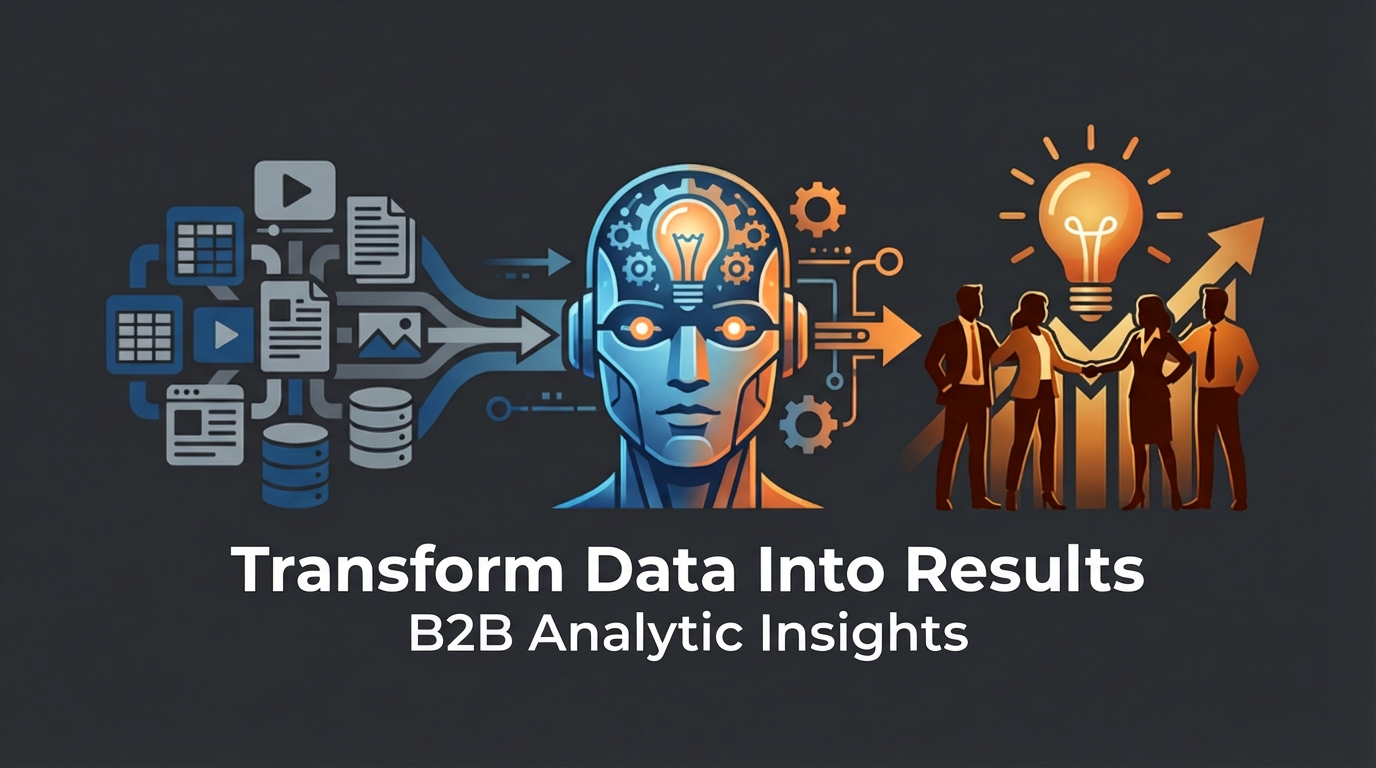
Transforming Data Into Actionable Insight
We gather vast amounts of data. From market reports to financial statements. From news feeds to alternative data sources. The skill lies in transforming this into digestible, actionable insight. Insight relevant to your immediate credit decisions. Relevance is key.
Protecting Capital, Driving Growth
Industry risk management isn’t solely about defense. It’s about informed offense. By understanding sector vulnerabilities, you can avoid bad credits. By recognizing emerging industry strengths, you can identify promising growth areas. It leads to a healthier, more resilient portfolio. This is how we protect capital. This is how we drive sustainable growth.
Building a Resilient Portfolio
A robust portfolio isn’t built on luck. It’s built on informed strategy. It leverages comprehensive industry risk intelligence. This allows you to navigate economic cycles more effectively. To withstand unexpected shocks. To adapt to a constantly changing world. This is the enduring value. This is the critical advantage. Your expertise, combined with advanced intelligence, makes this possible.