The relentless pursuit of competitive advantage in today’s B2B landscape hinges on speed, precision, and the ability to adapt. Businesses are drowning in data, yet struggling to extract actionable intelligence rapidly enough to make a meaningful impact on critical metrics like credit risk, financial forecasting, and operational efficiency. We’ve seen firsthand the frustration of siloed data, the lag in reporting, and the missed opportunities that result from manual analysis. This isn’t just an inconvenience; it’s a tangible drain on revenue and a significant impediment to true data-driven decision making.
For decades, the promise of analytics has been to illuminate the path forward. We’ve invested heavily in tools, talent, and methodologies, pushing for an “analytics transformation” that leverages every bit of available information. However, friction points have persisted: the arduous process of data integration, the inherent delays in batch processing, and the sheer complexity of building and deploying sophisticated analytical models at scale. The critical challenge has always been reducing “time-to-insight,” shrinking the gap between data generation and the moment it drives a business outcome.
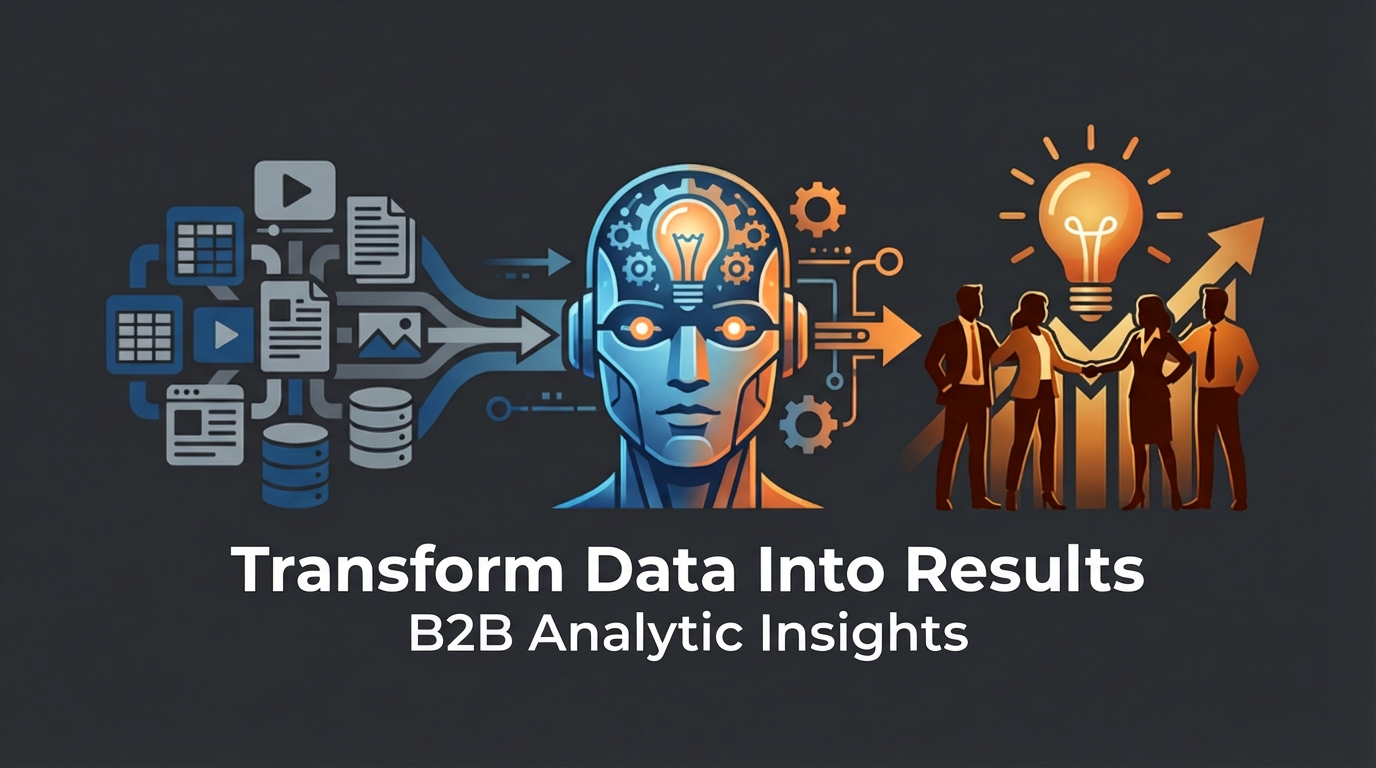
This is precisely where the confluence of Artificial Intelligence and the API economy creates a seismic shift. We are entering an era of the Analytics API Economy – a powerful paradigm where AI doesn’t just consume insights, but actively drives their programmatic creation and delivery. This isn’t about abstract future possibilities; it’s about tangible, immediate applications transforming how enterprises operate.
The traditional analytics pipeline, while foundational, often involved a laborious sequence of data extraction, cleaning, transformation, modeling, and reporting. For a critical credit risk assessment, for example, this could mean pulling data from multiple legacy systems, manually validating transaction histories, running complex statistical models, and then presenting the findings in a static report. This process, while yielding a result, was often too slow to react to rapidly deteriorating financial health or to capitalize on emerging market opportunities.
The Analytics API Economy fundamentally reorients this. APIs, once primarily seen as interfaces for system-to-system communication, are now evolving into the crucial delivery layer for AI-ready data. Think of it as a curated, high-speed channel. Instead of wrestling with disparate databases, business users, and increasingly, AI agents, can now access real-time streams of transaction logs, historical sales figures, customer interaction data, and even third-party market intelligence – all served through well-defined APIs.
AI as the Intelligent Interpreter
This is where AI truly shines. These APIs don’t just dump raw data. They provide structured, accessible feeds. AI models, particularly Large Language Models (LLMs) and sophisticated AI agents, are now adept at consuming this API-delivered data for real-time reasoning and immediate task execution. Imagine an AI agent monitoring incoming loan applications. It can, via APIs, pull the applicant’s real-time credit score, assess recent transaction activity, and even cross-reference this with anonymized industry risk profiles.
This isn’t just about retrieving data; it’s about AI acting on it. These agents can perform transactions, such as flagging a high-risk loan for manual review or even initiating a fraud alert if suspicious patterns emerge. This immediate, programmatic action, informed by live data, is the core of what we mean by programmatic insights. The “time-to-insight” is no longer measured in days or hours, but in milliseconds.
Practical Implications for B2B Operations:
- Credit Risk Management: Real-time credit scoring, automated fraud detection in transactions, dynamic risk assessment based on market volatility, and predictive default modeling with immediate alerts. This translates to reduced NPLs (Non-Performing Loans) and improved capital allocation. Consider a fintech firm that leverages APIs from credit bureaus and transaction processors. An AI model can assess a loan application in seconds, providing a nuanced risk score far beyond traditional FICO. If flagged, it can trigger further API calls to AML (Anti-Money Laundering) databases.
- Financial Analysis & Forecasting: Dynamic P&L forecasting, real-time cash flow management, automated anomaly detection in financial statements, and predictive revenue modeling based on current sales pipeline data. Imagine a sales team. An AI agent can pull real-time sales pipeline data via API, compare it against historical trends and current market conditions (also delivered via API from external sources), and provide an updated revenue forecast every hour, not just monthly. This allows for proactive resource allocation and agile strategy adjustments.
- Enterprise Operations: Predictive maintenance for industrial equipment, supply chain optimization with real-time inventory tracking, customer churn prediction based on behavioral analytics, and personalized marketing campaign optimization. A manufacturing plant can connect its IoT sensors to an API. AI can ingest this real-time operational data, predict equipment failure before it happens, and automatically schedule maintenance, minimizing downtime and saving millions in lost production.
In exploring the transformative impact of AI on the analytics landscape, a related article titled “The Future of Data-Driven Decision Making” delves into how businesses can leverage advanced analytics to enhance their strategic initiatives. This piece complements the insights presented in “The Analytics API Economy: How AI Enables Programmatic Insights” by providing a broader context on the importance of data in driving organizational success. For more information, you can read the article here: The Future of Data-Driven Decision Making.
The API-Driven Automation Revolution: Hyperautomation and Beyond
The trend is unmistakable: the API economy is shifting towards AI-enhanced automation. We are moving from simply automating rote tasks to orchestrating complex business processes autonomously, driven by intelligent decision-making. This evolution is characterized by trends like hyperautomation, which emphasizes the intelligent application of multiple automation technologies (including AI, ML, RPA, and process mining) to automate as many business and IT processes as possible.
APIs are the connective tissue that enables this hyperautomation. They act as the standardized connectors, allowing these diverse automation tools to communicate and collaborate seamlessly. An AI model might identify an inefficiency in a customer onboarding process through analysis of process mining data. This insight, delivered via API, can then trigger an RPA bot to initiate a workflow adjustment or a change in a CRM system, all without human intervention.
AI-Augmented APIs: Making Automation Smarter
The next frontier is where APIs themselves are augmented by AI. This means APIs that are not just returning static data, but are dynamically adapting their responses based on the context and intelligence of the calling AI. For instance, an API designed to provide customer sentiment analysis might, when queried by an AI agent dealing with a churn risk, proactively surface not just the sentiment score, but also the underlying reasons, historical interactions, and recommended mitigation strategies. This makes the API itself an active participant in the decision-making process, rather than a passive data provider.
The Strategic Imperative for B2B Leaders:
- Embracing Hyperautomation: Organizations that fail to embrace hyperautomation risk being outmaneuvered by more agile competitors. This requires a strategic re-evaluation of existing processes and identifying where AI-augmented APIs can unlock new levels of efficiency and responsiveness.
- Developing API-First Strategies: As APIs become the primary delivery mechanism for AI-ready data and programmatic insights, an API-first mindset is crucial. This means designing systems and processes with APIs at their core, ensuring seamless integration and maximum flexibility for AI consumption.
- Investing in AI Talent and Infrastructure: The successful implementation of the Analytics API Economy requires both skilled AI practitioners who can build and deploy models, and robust infrastructure capable of handling real-time data streams and API calls at scale.
The Emergence of Internal “API + AI Marketplaces”

A particularly exciting development is the emergence of “API + AI marketplaces” within enterprises. These are internal platforms where business users, not just deep technologists, can access curated data streams and apply AI models on demand. This democratization of analytics is a game-changer, empowering line-of-business leaders to leverage AI for their specific needs without being bottlenecked by IT or dedicated data science teams.
Democratizing Data and AI Capabilities
Imagine a marketing manager needing to understand the ROI of a recent campaign. Instead of waiting for a lengthy analysis, they can visit their internal marketplace. They can select a “Campaign Performance” data API stream, which provides real-time metrics on ad spend, engagement, lead generation, and conversion rates. They can then choose an “ROI Calculator” AI model from the marketplace, plug in the data stream, and instantly receive their ROI calculation. This dramatically accelerates “time-to-insight” for strategic decisions.
Key Benefits for Enterprise Operations:
- Faster Decision Cycles: Business users can self-serve insights, leading to much quicker decision-making cycles. This is particularly impactful in rapidly evolving markets where agility is paramount. For example, a product manager can quickly assess the adoption rate of a new feature by accessing relevant product usage APIs and applying a sentiment analysis model to user feedback.
- Increased Innovation: By providing easy access to data and AI tools, these marketplaces foster a culture of experimentation and innovation. Users can explore different data combinations and AI models to uncover new opportunities and solve problems in novel ways.
- Reduced Strain on Centralized Analytics Teams: Empowering business users reduces the demand on core analytics teams, allowing them to focus on more complex, strategic initiatives rather than routine data requests and reporting.
Market Validation and Accelerated Growth: The Numbers Don’t Lie

The enthusiasm for the Analytics API Economy is far from theoretical. Market growth for AI APIs is robust and accelerating. One industry report estimates the global AI API market at a substantial USD 48.50 billion in 2024, with a projected surge to USD 246.87 billion by 2030. This represents a Compound Annual Growth Rate (CAGR) of over 30%, a clear indicator of strong adoption and investment.
Partnership Activity as a Bellwether
Recent partnership activity further validates this trend. Confluent and Databricks, for instance, are enhancing their capabilities for real-time AI data processing. This indicates a broader industry push towards making data ready for immediate AI consumption via APIs. Microsoft’s extension of its OpenAI API partnership through 2030 signals a long-term commitment to embedding advanced AI capabilities within enterprise workflows through API access. These strategic moves are not merely speculative; they are strategic bets on the future of how businesses will consume and leverage AI.
Commercialization Beyond Data Access
The commercialization of this economy is expanding. Vendors are no longer just offering access to AI models or data streams. They are introducing sophisticated tools to “productize” and bill for these assets. This means businesses can treat their data, AI models, and curated API endpoints as revenue-generating products themselves, or as critical components in their service offerings. This commercial lens is crucial for C-suite executives focused on ROI, as it frames analytics not as a cost center, but as a potential profit driver and a competitive differentiator. Consider a financial services firm that develops proprietary AI models for fraud detection. They can now package these models behind an API, offer them to partner banks, and generate new revenue streams, all enabled by the API economy.
In exploring the transformative impact of AI on data-driven decision-making, a related article titled “Harnessing AI for Enhanced Business Intelligence” delves into how organizations can leverage advanced analytics to gain deeper insights. This piece complements the discussion in The Analytics API Economy: How AI Enables Programmatic Insights by highlighting practical applications of AI in optimizing business strategies. For more information, you can reach out through this contact page.
Navigating the Challenges and Seizing the Opportunities
| Metrics | Data |
|---|---|
| Number of API endpoints | 50 |
| API call volume | 1,000,000 per day |
| Number of AI models used | 10 |
| Percentage of automated insights | 80% |
While the potential of the Analytics API Economy is immense, it’s crucial to approach this transformation with a balanced perspective. We must acknowledge the inherent challenges alongside the opportunities. This isn’t a “set it and forget it” solution; it demands strategic foresight and careful implementation.
Challenges to Address:
- Data Governance and Security: As data becomes more accessible via APIs, robust data governance frameworks are paramount. Ensuring data privacy, compliance with regulations (e.g., GDPR, CCPA), and securing API endpoints against unauthorized access are critical. A breach in a single API could have cascading consequences across multiple business functions. This requires not just technological solutions, but also clear organizational policies and regular audits.
- Talent and Skill Gaps: While AI is driving innovation, the need for skilled talent to build, manage, and interpret AI-driven systems remains. This includes AI engineers, machine learning operations (MLOps) specialists, and data architects who understand API design and integration. Investing in training and upskilling existing teams is as important as hiring new talent.
- Integration Complexity: Despite the promise of APIs, integrating with legacy systems and diverse technology stacks can still be complex. Organizations need a clear strategy for API management, versioning, and troubleshooting to ensure smooth interoperability. A poorly designed API can become a performance bottleneck, negating the benefits of real-time insights.
- Organizational Change Management: The shift to an API-driven, AI-powered analytics approach requires significant organizational change. Cultivating a data-driven culture, fostering collaboration between IT, data science, and business units, and ensuring buy-in from all stakeholders is essential for successful transformation. Resistance to change can be a significant impediment.
Seizing the Transformative Opportunities:
- Accelerating Time-to-Insight: This is the most tangible benefit. Businesses can move from identifying a problem to implementing a data-informed solution in a fraction of the time previously required. This agility is the new currency of competitive advantage.
- Driving True Data-Driven Decision Making: The programmatic nature of insights enables real-time, automated decision-making at scale, embedding analytics directly into business processes. Decisions are no longer solely reliant on human interpretation and manual intervention.
- Unlocking New Revenue Streams: As mentioned, the commercialization of data and AI capabilities through APIs opens avenues for new business models and revenue generation. Businesses can become data product providers.
- Enhancing Customer Experiences: By leveraging AI and APIs to understand customer behavior in real-time, businesses can deliver hyper-personalized experiences, leading to increased customer satisfaction and loyalty. For example, personalized product recommendations delivered via API during an online shopping session.
- Optimizing Enterprise Operations: From supply chains to financial operations, AI-powered APIs can drive unprecedented levels of efficiency, reduce costs, and mitigate risks. Predictive maintenance preventing costly equipment failures is a prime example.
My Strategic Recommendations for the C-Suite and Analytics Leaders:
- Prioritize Your “Why”: Begin with the most pressing business problems – credit risk slippage, forecasting inaccuracies, operational inefficiencies – not with the technology. Identify where reducing “time-to-insight” will have the most significant ROI. This will guide your investment and strategic focus.
- Champion an API-First and AI-Enabled Data Strategy: Mandate that new data initiatives and existing data silos are approached with an API-first mindset. This means designing data access points with AI consumption in mind from the outset. It’s about making data an accessible, programmable asset.
- Invest in a Robust “API + AI Marketplace” Strategy: Empower your business units. Invest in platforms that democratize access to curated data streams and pre-built AI models. This fosters innovation and accelerates data-driven decision making across the organization. Measure the adoption rates and the impact on business unit productivity. I’d look for at least a 20% reduction in time to insight for common analytical tasks within the first 18 months of implementation.
- Foster a Culture of Continuous Learning and Experimentation: Recognize that AI and API technologies are evolving rapidly. Encourage experimentation, provide resources for upskilling, and create an environment where professionals can learn and adapt. This isn’t just about technology; it’s about building resilient human expertise that can harness these powerful tools.
- Focus on Measurable Outcomes and ROI: Ensure that every analytics transformation initiative, especially those involving AI and APIs, is tied to clear, quantifiable business objectives. Track metrics such as reduction in NPLs, improvement in forecasting accuracy (e.g., 5-10% improvement in forecast accuracy within the first year), operational cost savings (aiming for a 15% reduction in key operational expenditures through automation), and the generation of new revenue streams.
The Analytics API Economy is not a distant future; it is the present reality for forward-thinking B2B organizations. By strategically embracing AI and a well-architected API layer, enterprises can unlock unprecedented levels of agility, efficiency, and intelligence, fundamentally transforming their ability to compete and thrive. The time for programmatic insights is now.