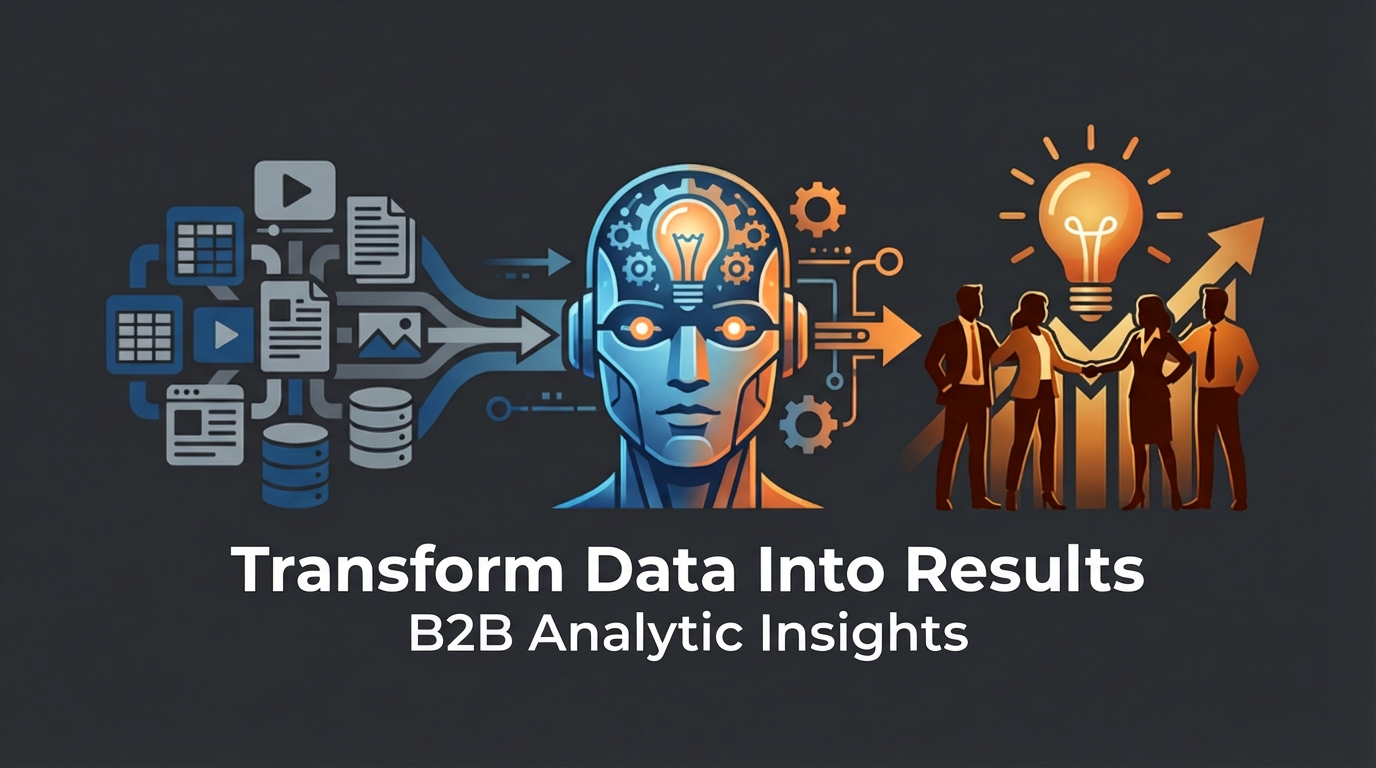

Predictive analytics is the practice of using historical data, statistical algorithms, and machine learning techniques to predict future outcomes. In the context of financial data, predictive analytics involves analyzing past financial data to make predictions about future financial trends, events, and behaviors. This can be done by identifying patterns and relationships in the data and using them to forecast future outcomes.
Predictive analytics is of great importance in the field of finance as it enables financial institutions to make informed decisions, mitigate risks, and identify opportunities. By analyzing historical financial data, predictive analytics can help financial institutions forecast market trends, assess credit risks, detect fraud, make investment decisions, manage customer relationships, and improve insurance underwriting processes.
Examples of predictive analytics in finance include using historical stock market data to predict future stock prices, analyzing customer transaction data to identify potential fraudulent activities, and using machine learning algorithms to predict creditworthiness based on past credit history.
Key Takeaways
- Predictive analytics can help financial institutions make data-driven decisions.
- Benefits of predictive analytics include improved accuracy and efficiency, while challenges include data quality and privacy concerns.
- Machine learning plays a crucial role in predictive analytics for financial data, allowing for more complex analysis and pattern recognition.
- Predictive analytics can be used for fraud detection, credit risk assessment, investment decision-making, customer relationship management, insurance underwriting, and market trend analysis.
- Future trends in predictive analytics for financial data include increased use of artificial intelligence and automation, as well as a focus on ethical considerations and transparency.
Benefits and Challenges of Predictive Analytics in Financial Data
There are several benefits of using predictive analytics in financial data. Firstly, it allows financial institutions to make more accurate predictions about future market trends and events. By analyzing historical financial data, predictive analytics can identify patterns and relationships that can help predict market movements and make more informed investment decisions.
Secondly, predictive analytics can help financial institutions assess credit risks more effectively. By analyzing past credit history and other relevant data, predictive analytics can identify potential defaulters and assign appropriate credit scores. This helps financial institutions manage their lending portfolios more efficiently and reduce the risk of default.
However, there are also challenges associated with predictive analytics in finance. One challenge is the availability and quality of data. Financial data can be complex and messy, making it difficult to extract meaningful insights. Additionally, there may be limitations in the amount of historical data available for analysis.
Another challenge is the accuracy of predictions. Predictive models are based on historical data and assumptions, which may not always hold true in the future. Financial markets are influenced by various factors, including economic conditions, geopolitical events, and investor sentiment, which can be difficult to predict accurately.
To overcome these challenges, financial institutions can invest in data quality and data management processes to ensure the availability and accuracy of data. They can also use advanced analytics techniques, such as machine learning, to improve the accuracy of predictions. Additionally, financial institutions can continuously monitor and update their predictive models to account for changing market conditions.
The Role of Machine Learning in Predictive Analytics for Financial Data
Machine learning is a subset of artificial intelligence that involves the development of algorithms that can learn from and make predictions or take actions based on data. In the context of predictive analytics for financial data, machine learning algorithms are used to analyze historical financial data and make predictions about future outcomes.
Machine learning algorithms can identify patterns and relationships in financial data that may not be apparent to human analysts. They can process large volumes of data quickly and efficiently, enabling financial institutions to make more accurate predictions and decisions.
Examples of machine learning in finance include using neural networks to predict stock prices based on historical market data, using decision trees to classify credit applicants as low or high risk based on their credit history, and using clustering algorithms to segment customers based on their transaction behavior.
Machine learning algorithms can also be used to automate repetitive tasks and improve operational efficiency in financial institutions. For example, machine learning algorithms can be used to automate fraud detection processes by analyzing large volumes of transaction data and identifying patterns indicative of fraudulent activities.
Predictive Analytics for Fraud Detection in Financial Data
Fraud detection is the process of identifying and preventing fraudulent activities in financial transactions. Predictive analytics plays a crucial role in fraud detection by analyzing historical transaction data and identifying patterns indicative of fraudulent activities.
Predictive analytics can help financial institutions detect fraud by identifying anomalies in transaction behavior. By analyzing historical transaction data, predictive models can learn what is normal behavior for a customer or a group of customers and flag any transactions that deviate from the norm.
For example, if a customer typically makes small purchases at local stores but suddenly starts making large purchases at online retailers, this could be flagged as a potential fraudulent activity. Similarly, if a customer typically makes transactions during regular business hours but suddenly starts making transactions in the middle of the night, this could also be flagged as suspicious.
Predictive analytics can also help financial institutions detect fraud by identifying patterns of fraudulent behavior. By analyzing historical transaction data, predictive models can learn what patterns are indicative of fraudulent activities and flag any transactions that exhibit these patterns.
For example, if multiple customers from different geographic locations start making transactions at the same merchant within a short period of time, this could be flagged as potential collusion or organized fraud. Similarly, if multiple customers start making transactions using stolen credit card information, this could also be flagged as potential fraud.
Predictive Analytics for Credit Risk Assessment in Financial Data
Credit risk assessment is the process of evaluating the creditworthiness of individuals or businesses applying for credit. Predictive analytics plays a crucial role in credit risk assessment by analyzing historical credit data and other relevant information to predict the likelihood of default.
Predictive analytics can help financial institutions assess credit risks by analyzing past credit history and identifying patterns indicative of default. By analyzing historical credit data, predictive models can learn what factors are associated with default and assign appropriate credit scores based on these factors.
For example, if individuals with a history of late payments and high levels of debt are more likely to default on their loans, predictive models can assign lower credit scores to individuals with similar characteristics. This helps financial institutions manage their lending portfolios more effectively and reduce the risk of default.
Predictive analytics can also help financial institutions assess credit risks by analyzing other relevant information, such as income levels, employment history, and demographic data. By analyzing this information, predictive models can identify additional factors that are associated with default and incorporate them into the credit risk assessment process.
For example, if individuals with low income levels and unstable employment history are more likely to default on their loans, predictive models can assign lower credit scores to individuals with similar characteristics. This helps financial institutions make more informed lending decisions and reduce the risk of default.
Predictive Analytics for Investment Decision-making in Financial Data

Investment decision-making is the process of selecting investments that are expected to generate favorable returns. Predictive analytics plays a crucial role in investment decision-making by analyzing historical financial data and other relevant information to predict future investment performance.
Predictive analytics can help financial institutions make investment decisions by analyzing historical market data and identifying patterns indicative of future market movements. By analyzing historical market data, predictive models can learn what factors are associated with market movements and make predictions about future market trends.
For example, if historical market data shows that stock prices tend to increase during periods of economic growth, predictive models can predict that stock prices will increase during the next period of economic growth. This helps financial institutions make more informed investment decisions and maximize their returns.
Predictive analytics can also help financial institutions make investment decisions by analyzing other relevant information, such as company financial statements, industry trends, and macroeconomic indicators. By analyzing this information, predictive models can identify additional factors that are associated with investment performance and incorporate them into the investment decision-making process.
For example, if companies with strong financial performance and positive industry outlooks tend to outperform the market, predictive models can identify these companies and recommend them as potential investment opportunities. This helps financial institutions identify attractive investment opportunities and maximize their returns.
Predictive Analytics for Customer Relationship Management in Financial Data
Customer relationship management is the process of managing interactions with customers to build long-term relationships and maximize customer satisfaction. Predictive analytics plays a crucial role in customer relationship management by analyzing historical customer data and other relevant information to predict customer behavior and preferences.
Predictive analytics can help financial institutions manage customer relationships by analyzing past customer behavior and identifying patterns indicative of future behavior. By analyzing historical customer data, predictive models can learn what factors are associated with customer behavior and make predictions about future behavior.
For example, if customers who have made multiple purchases in the past are more likely to make future purchases, predictive models can identify these customers and recommend targeted marketing campaigns to encourage repeat purchases. This helps financial institutions build long-term relationships with customers and maximize customer satisfaction.
Predictive analytics can also help financial institutions manage customer relationships by analyzing other relevant information, such as demographic data, transaction history, and customer feedback. By analyzing this information, predictive models can identify additional factors that are associated with customer behavior and incorporate them into the customer relationship management process.
For example, if customers in a certain demographic segment are more likely to respond to certain marketing campaigns, predictive models can identify these customers and recommend targeted marketing campaigns to this segment. This helps financial institutions tailor their marketing efforts to specific customer segments and maximize their effectiveness.
Predictive Analytics for Insurance Underwriting in Financial Data
Insurance underwriting is the process of evaluating the risk of insuring individuals or businesses and determining the appropriate premiums to charge. Predictive analytics plays a crucial role in insurance underwriting by analyzing historical insurance data and other relevant information to predict the likelihood of claims.
Predictive analytics can help insurance companies assess insurance risks by analyzing past insurance data and identifying patterns indicative of claims. By analyzing historical insurance data, predictive models can learn what factors are associated with claims and assign appropriate risk scores based on these factors.
For example, if individuals with a history of accidents and traffic violations are more likely to make insurance claims, predictive models can assign higher risk scores to individuals with similar characteristics. This helps insurance companies manage their underwriting portfolios more effectively and reduce the risk of claims.
Predictive analytics can also help insurance companies assess insurance risks by analyzing other relevant information, such as demographic data, health records, and property characteristics. By analyzing this information, predictive models can identify additional factors that are associated with claims and incorporate them into the insurance underwriting process.
For example, if individuals with certain health conditions are more likely to make health insurance claims, predictive models can assign higher risk scores to individuals with similar conditions. This helps insurance companies make more informed underwriting decisions and reduce the risk of claims.
Predictive Analytics for Market Trend Analysis in Financial Data
Market trend analysis is the process of analyzing historical market data to identify patterns and trends that can help predict future market movements. Predictive analytics plays a crucial role in market trend analysis by analyzing historical market data and identifying patterns indicative of future market trends.
Predictive analytics can help financial institutions analyze market trends by analyzing past market data and identifying patterns indicative of future market movements. By analyzing historical market data, predictive models can learn what factors are associated with market movements and make predictions about future trends.
For example, if historical market data shows that stock prices tend to increase during periods of economic growth, predictive models can predict that stock prices will increase during the next period of economic growth. This helps financial institutions make more informed investment decisions and maximize their returns.
Predictive analytics can also help financial institutions analyze market trends by analyzing other relevant information, such as company financial statements, industry trends, and macroeconomic indicators. By analyzing this information, predictive models can identify additional factors that are associated with market movements and incorporate them into the market trend analysis process.
For example, if companies with strong financial performance and positive industry outlooks tend to outperform the market, predictive models can identify these companies and recommend them as potential investment opportunities. This helps financial institutions identify attractive investment opportunities and maximize their returns.
Future Trends and Developments in Predictive Analytics for Financial Data
The field of predictive analytics is constantly evolving, and there are several emerging trends and developments that are likely to shape the future of predictive analytics for financial data.
One emerging trend is the use of big data in predictive analytics. As the volume, variety, and velocity of data continue to increase, financial institutions are increasingly relying on big data analytics techniques to extract meaningful insights from large and complex datasets. This includes the use of advanced analytics techniques, such as machine learning and natural language processing, to analyze unstructured data sources, such as social media feeds and news articles.
Another emerging trend is the use of real-time analytics in predictive analytics. Traditionally, predictive models have been built using historical data and used to make predictions about future outcomes. However, with the advent of real-time data sources and advanced analytics techniques, financial institutions can now build predictive models that can make predictions in real-time. This enables financial institutions to respond quickly to changing market conditions and make more informed decisions.
In addition to these emerging trends, there are also several future developments that are likely to shape the future of predictive analytics for financial data. One future development is the increased use of artificial intelligence in predictive analytics. As artificial intelligence technologies continue to advance, financial institutions are likely to rely more on AI-powered predictive models that can learn from and adapt to changing market conditions.
Another future development is the increased use of predictive analytics in regulatory compliance. Financial institutions are subject to a wide range of regulations and compliance requirements, which often involve analyzing large volumes of data to identify potential risks and violations. Predictive analytics can help financial institutions automate regulatory compliance processes by analyzing historical data and identifying patterns indicative of non-compliance.
In conclusion, predictive analytics plays a crucial role in analyzing financial data and making informed decisions in the field of finance. It enables financial institutions to predict market trends, assess credit risks, detect fraud, make investment decisions, manage customer relationships, and improve insurance underwriting processes. While there are challenges associated with predictive analytics, such as data availability and accuracy, these challenges can be overcome through investments in data quality and advanced analytics techniques. As the field of predictive analytics continues to evolve, emerging trends and future developments, such as the use of big data and real-time analytics, are likely to shape the future of predictive analytics for financial data.