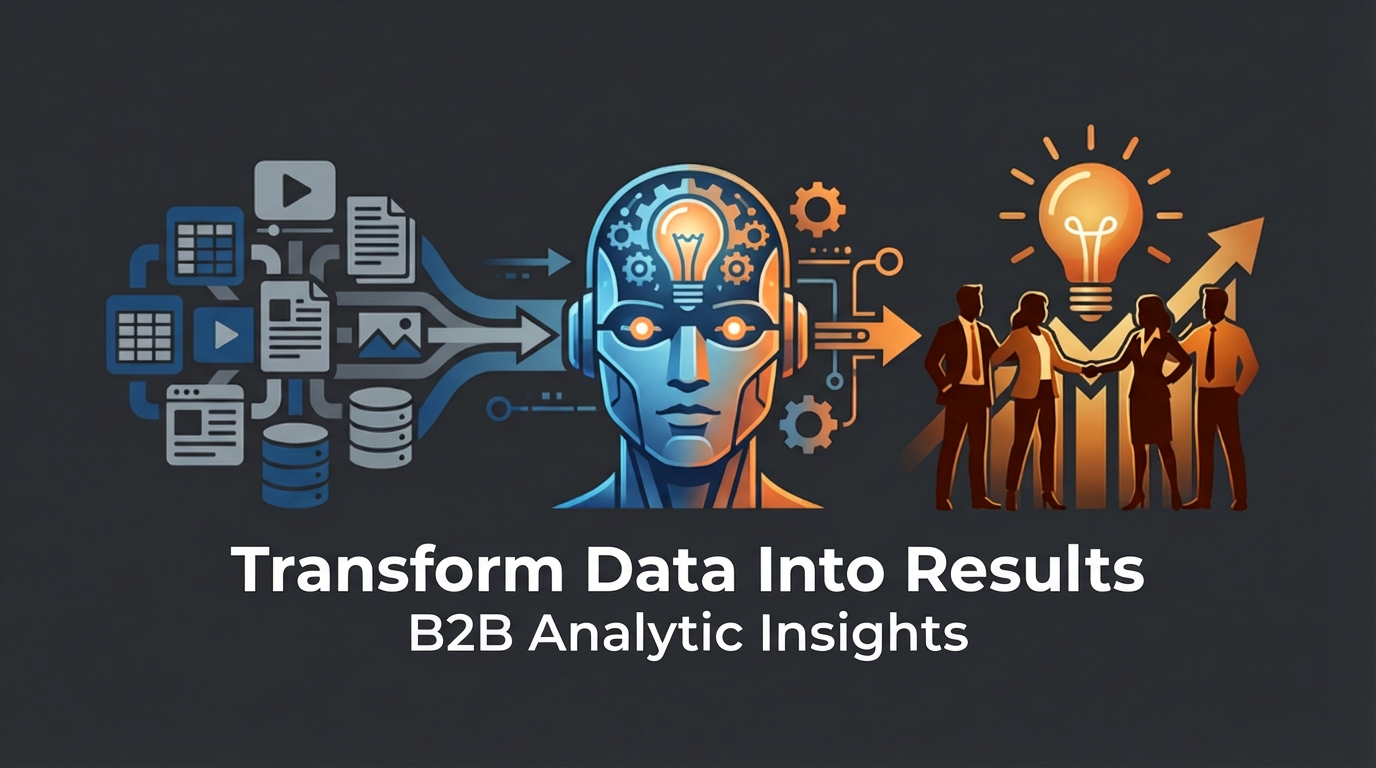

Artificial Intelligence (AI) has become increasingly prevalent in the finance industry, revolutionizing the way financial institutions operate. AI technologies, such as machine learning and natural language processing, are being used to automate and streamline various processes, resulting in improved efficiency, accuracy, and decision-making. From commercial credit assessment to risk management and fraud detection, AI is transforming the finance landscape.
Financial institutions are leveraging AI to analyze vast amounts of data and make informed decisions quickly. This technology has the potential to significantly impact the finance industry by reducing costs, improving customer experience, and enhancing overall performance. As AI continues to advance, its role in finance is only expected to grow.
Key Takeaways
- AI is transforming the finance industry by improving efficiency and accuracy in various areas such as commercial credit, collections prioritization, loss forecasting, cash forecasting, risk management, fraud detection, investment management, and compliance.
- AI-powered commercial credit models can analyze vast amounts of data to provide more accurate credit risk assessments and help lenders make better lending decisions.
- AI can optimize debt recovery by prioritizing collections based on the likelihood of payment and the potential recovery amount, resulting in higher recovery rates and reduced collection costs.
- AI can predict financial losses by analyzing historical data and identifying patterns and trends, enabling companies to take proactive measures to mitigate potential losses.
- AI can improve financial planning by forecasting cash flows and identifying potential cash shortfalls, allowing companies to make informed decisions and take necessary actions to manage their finances effectively.
Commercial Credit: How AI is Changing the Game
One area where AI is making a significant impact is in commercial credit assessment. Traditionally, financial institutions relied on manual processes and subjective judgment to evaluate the creditworthiness of businesses. However, with the advent of AI, lenders can now use algorithms to analyze a wide range of data points and make more accurate credit decisions.
AI algorithms can assess a company’s financial health by analyzing its financial statements, cash flow patterns, payment history, industry trends, and other relevant factors. This allows lenders to make more informed decisions about whether to extend credit to a particular business. By automating this process, AI reduces the time and resources required for credit assessment while improving accuracy.
Companies like ZestFinance and Upstart are using AI to assess creditworthiness for individuals who may not have a traditional credit history. By analyzing alternative data sources such as social media profiles and online behavior patterns, these companies can provide loans to individuals who would have been overlooked by traditional lenders.
Collections Prioritization: Using AI to Optimize Debt Recovery
Another area where AI is transforming the finance industry is collections prioritization. Debt recovery can be a complex and time-consuming process for financial institutions. AI algorithms can analyze customer data, payment history, and other relevant factors to prioritize collections efforts.
By using AI, financial institutions can identify customers who are most likely to pay and focus their resources on those accounts. This improves the efficiency of debt recovery efforts and increases the chances of successful collections. Companies like Experian and FICO are using AI to optimize collections prioritization and improve recovery rates for their clients.
Loss Forecasting: Predicting Financial Losses with AI
| Metrics | Description |
|---|---|
| Accuracy | The percentage of correct predictions made by the AI model. |
| Precision | The percentage of true positive predictions out of all positive predictions made by the AI model. |
| Recall | The percentage of true positive predictions out of all actual positive cases in the dataset. |
| F1 Score | The harmonic mean of precision and recall, used to balance the two metrics. |
| ROC AUC | The area under the receiver operating characteristic curve, used to measure the performance of a binary classification model. |
| Confusion Matrix | A table that shows the number of true positives, true negatives, false positives, and false negatives in a binary classification model. |
AI is also being used to forecast financial losses in the finance industry. By analyzing historical data, market trends, and other relevant factors, AI algorithms can predict potential losses and help financial institutions make informed decisions about risk management.
Traditional methods of loss forecasting relied on historical data and statistical models. However, AI can analyze vast amounts of data and identify patterns that may not be apparent to human analysts. This improves the accuracy of loss forecasting and allows financial institutions to take proactive measures to mitigate potential losses.
Companies like Moody’s Analytics and SAS are using AI to develop sophisticated loss forecasting models that help financial institutions assess their exposure to various risks and make informed decisions about risk management.
Cash Forecasting: Improving Financial Planning with AI
AI is also being used to forecast cash flow, improving financial planning for businesses. By analyzing historical data, market trends, and other relevant factors, AI algorithms can predict future cash inflows and outflows with greater accuracy.
Cash forecasting is crucial for businesses as it helps them manage their liquidity, make informed investment decisions, and plan for future growth. Traditional methods of cash forecasting relied on manual processes and subjective judgment. However, AI can automate this process and provide more accurate predictions.
Companies like CashAnalytics and Kyriba are using AI to develop cash forecasting models that help businesses optimize their cash management strategies and improve overall financial planning.
AI and Risk Management: Mitigating Financial Risks

AI is also playing a significant role in risk management in the finance industry. By analyzing vast amounts of data, AI algorithms can identify potential risks and help financial institutions develop strategies to mitigate them.
Traditional risk management methods relied on manual processes and subjective judgment. However, AI can analyze data from various sources, including financial statements, market trends, news articles, and social media, to identify potential risks and provide real-time insights.
Companies like BlackRock and JPMorgan Chase are using AI to enhance their risk management capabilities. By leveraging AI technologies, these companies can identify potential risks more accurately and make informed decisions about risk mitigation.
Fraud Detection: Preventing Financial Fraud with AI
AI is also being used to detect and prevent financial fraud in the finance industry. By analyzing vast amounts of data and identifying patterns, AI algorithms can detect fraudulent activities and alert financial institutions in real-time.
Traditional methods of fraud detection relied on manual processes and rule-based systems. However, AI can analyze large volumes of data and identify anomalies that may indicate fraudulent activities. This improves the accuracy of fraud detection and helps financial institutions prevent financial losses.
Companies like Feedzai and Featurespace are using AI to develop sophisticated fraud detection systems that help financial institutions protect themselves and their customers from fraudulent activities.
AI and Investment Management: Enhancing Portfolio Performance
AI is also being used to manage investments and enhance portfolio performance in the finance industry. By analyzing vast amounts of data and identifying patterns, AI algorithms can make informed investment decisions and optimize portfolio performance.
Traditional investment management methods relied on manual processes and subjective judgment. However, AI can analyze historical data, market trends, news articles, and other relevant factors to identify investment opportunities and make informed decisions.
Companies like Bridgewater Associates and Vanguard are using AI to enhance their investment management capabilities. By leveraging AI technologies, these companies can optimize portfolio performance and deliver better returns for their clients.
AI and Compliance: Streamlining Regulatory Compliance with AI
AI is also being used to streamline regulatory compliance in the finance industry. Financial institutions are subject to numerous regulations and must ensure that they comply with all applicable laws and regulations.
Traditionally, compliance efforts relied on manual processes and subjective judgment. However, AI can analyze vast amounts of data and identify potential compliance issues in real-time. This improves the efficiency of compliance efforts and helps financial institutions avoid penalties and reputational damage.
Companies like ComplyAdvantage and IBM are using AI to develop sophisticated compliance systems that help financial institutions streamline their compliance efforts and ensure regulatory compliance.
The Future of Finance with AI
In conclusion, AI is revolutionizing the finance industry by automating and streamlining various processes. From commercial credit assessment to risk management and fraud detection, AI is improving efficiency, accuracy, and decision-making in the finance industry.
The potential for further AI advancements in finance is vast. As AI technologies continue to evolve, financial institutions will be able to leverage these technologies to gain a competitive edge, reduce costs, improve customer experience, and enhance overall performance.
However, it is important to note that while AI offers numerous benefits, it also presents challenges. Ethical considerations, data privacy concerns, and the potential for bias are some of the issues that need to be addressed as AI continues to advance in the finance industry.
Overall, the future of finance with AI looks promising. As financial institutions continue to embrace AI technologies, we can expect to see further advancements that will reshape the finance industry and drive innovation.