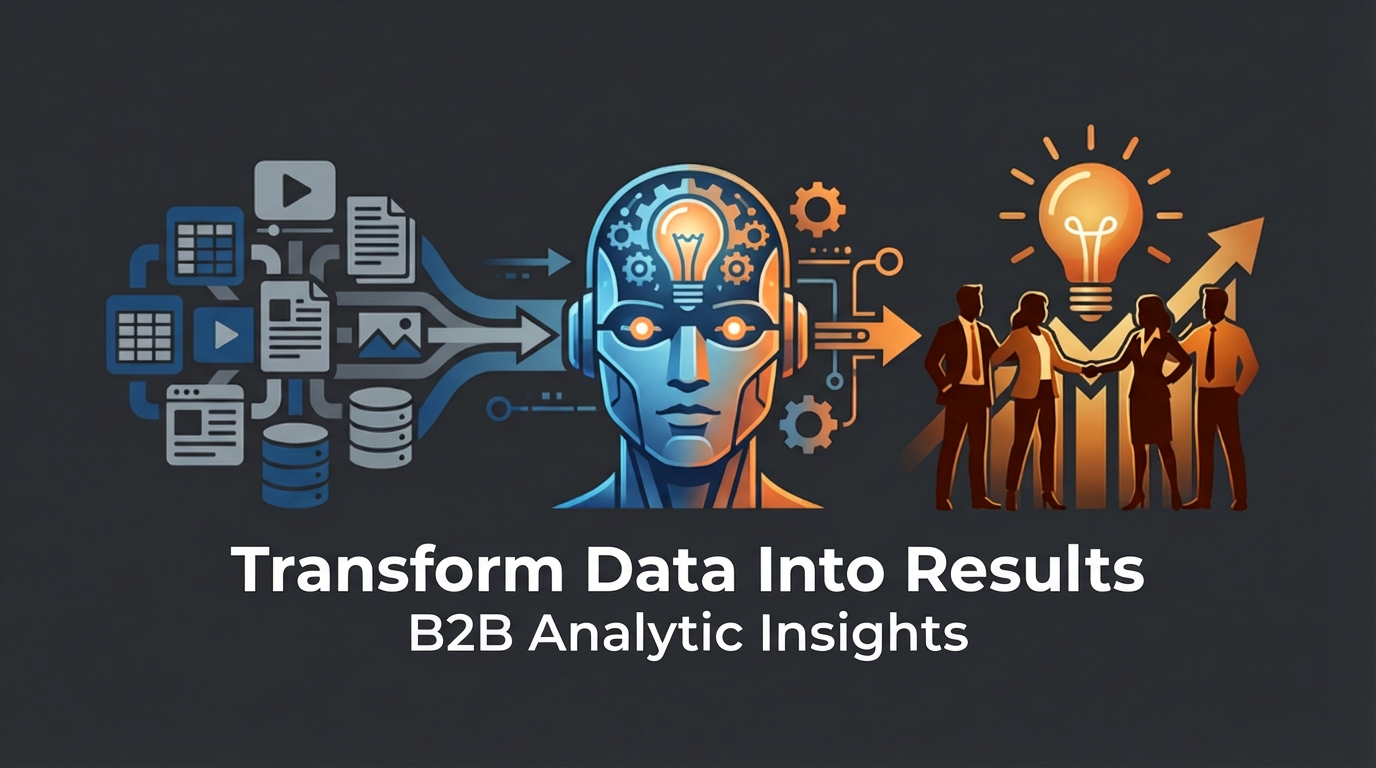

Artificial Intelligence (AI) refers to the simulation of human intelligence in machines that are programmed to think and learn like humans. It involves the development of computer systems that can perform tasks that would typically require human intelligence, such as speech recognition, decision-making, problem-solving, and data analysis. In recent years, AI has made significant advancements and has found applications in various industries, including finance.
The use of AI in finance is not a new concept. It dates back to the 1980s when financial institutions started using AI techniques for tasks such as credit scoring and fraud detection. However, with the advent of big data and advancements in machine learning algorithms, AI has become even more powerful and has the potential to revolutionize the finance industry.
The importance of AI in finance cannot be overstated. It has the ability to automate complex processes, improve decision-making, enhance customer service, and reduce costs. By leveraging AI technologies, financial institutions can gain valuable insights from vast amounts of data, make more accurate predictions, and optimize their operations. This can lead to increased efficiency, improved risk management, and better financial outcomes.
Key Takeaways
- AI is transforming the finance industry by improving credit risk assessment, debt recovery, loss forecasting, cash flow predictions, fraud detection, investment management, customer service, and regulatory compliance.
- Commercial credit risk assessment is becoming more accurate and efficient with the use of AI algorithms that analyze large amounts of data and identify patterns.
- AI-powered collections prioritization helps financial institutions recover debts faster by prioritizing high-risk accounts and predicting the likelihood of payment.
- Loss forecasting models that use AI algorithms can predict and mitigate financial losses by analyzing historical data and identifying potential risks.
- AI-powered cash forecasting tools can provide accurate predictions of cash flow, helping businesses make informed decisions about investments and expenses.
Commercial Credit: AI’s Impact on Credit Risk Assessment
Traditionally, credit risk assessment in commercial lending has relied on manual processes and subjective judgment. Financial institutions would assess a borrower’s creditworthiness based on factors such as credit history, financial statements, and industry trends. However, this approach is time-consuming, prone to human error, and may not capture all relevant information.
AI-powered credit risk assessment tools have emerged as a game-changer in commercial lending. These tools use machine learning algorithms to analyze vast amounts of data and identify patterns that humans may miss. By considering a wide range of factors such as financial statements, industry trends, macroeconomic indicators, and social media data, AI can provide a more accurate assessment of credit risk.
One example of an AI-powered credit risk assessment tool is ZestFinance. ZestFinance uses machine learning algorithms to analyze non-traditional data sources, such as social media profiles and online shopping behavior, to assess creditworthiness. By considering a broader range of data, ZestFinance can provide more accurate credit risk assessments and help lenders make better-informed decisions.
Collections Prioritization: How AI Improves Debt Recovery
Debt recovery is a challenging task for financial institutions. It involves identifying delinquent accounts, prioritizing collections efforts, and negotiating repayment plans. Traditionally, collections prioritization has been based on simple rules, such as the amount owed or the age of the debt. However, these rules may not take into account the likelihood of recovery or the potential value of the debt.
AI can help improve debt recovery by enabling more sophisticated collections prioritization. By analyzing historical data and using machine learning algorithms, AI can identify patterns and predict the likelihood of recovery for each delinquent account. This allows financial institutions to prioritize their collections efforts and focus on accounts that are most likely to yield results.
One example of an AI-powered debt recovery solution is TrueAccord. TrueAccord uses machine learning algorithms to analyze customer behavior and predict the most effective communication strategies for debt collection. By personalizing the collections process and using data-driven insights, TrueAccord has been able to improve recovery rates and reduce costs for its clients.
Loss Forecasting: Using AI to Predict and Mitigate Financial Losses
| Metrics | Description |
|---|---|
| Accuracy | The percentage of correct predictions made by the AI model. |
| Precision | The percentage of true positive predictions out of all positive predictions made by the AI model. |
| Recall | The percentage of true positive predictions out of all actual positive cases. |
| F1 Score | The harmonic mean of precision and recall, used to measure the overall performance of the AI model. |
| Confusion Matrix | A table that shows the number of true positive, true negative, false positive, and false negative predictions made by the AI model. |
| Loss Severity | The amount of financial loss that could occur in the event of a risk event. |
| Loss Frequency | The likelihood of a risk event occurring and resulting in financial loss. |
| Threshold | The probability threshold used to determine whether a prediction made by the AI model is classified as positive or negative. |
Loss forecasting is a critical task for financial institutions. It involves predicting potential losses due to credit defaults, market volatility, or other factors. Traditionally, loss forecasting has relied on historical data and statistical models. However, these models may not capture all relevant factors or adapt to changing market conditions.
AI-powered loss forecasting tools have the potential to improve accuracy and mitigate financial losses. These tools use machine learning algorithms to analyze vast amounts of data and identify patterns that can help predict future losses. By considering a wide range of factors, such as economic indicators, market trends, and customer behavior, AI can provide more accurate loss forecasts and enable financial institutions to take proactive measures to mitigate risks.
One example of an AI-powered loss forecasting tool is RiskShield. RiskShield uses machine learning algorithms to analyze transaction data and detect patterns of fraudulent activity. By identifying potential risks in real-time, RiskShield helps financial institutions prevent financial losses due to fraud.
Cash Forecasting: AI’s Role in Accurate Cash Flow Predictions
Accurate cash flow predictions are crucial for financial planning and decision-making. Traditionally, cash forecasting has relied on historical data and statistical models. However, these models may not capture all relevant factors or adapt to changing market conditions.
AI can improve cash forecasting accuracy by analyzing vast amounts of data and identifying patterns that can help predict future cash flows. By considering a wide range of factors, such as sales data, customer behavior, and economic indicators, AI can provide more accurate cash flow predictions and enable financial institutions to make better-informed decisions.
One example of an AI-powered cash forecasting solution is CashAnalytics. CashAnalytics uses machine learning algorithms to analyze historical cash flow data and predict future cash flows. By considering a wide range of factors, such as sales data, customer behavior, and economic indicators, CashAnalytics can provide more accurate cash flow predictions and help financial institutions optimize their working capital management.
Fraud Detection: AI’s Contribution to Financial Security

Financial fraud is a significant concern for financial institutions. It involves various types of fraudulent activities, such as identity theft, credit card fraud, and money laundering. Traditionally, fraud detection has relied on rule-based systems that flag suspicious transactions based on predefined rules. However, these systems may not be able to detect new or sophisticated fraud schemes.
AI can play a crucial role in detecting and preventing financial fraud. By analyzing vast amounts of data and using machine learning algorithms, AI can identify patterns and anomalies that may indicate fraudulent activity. This allows financial institutions to detect fraud in real-time and take immediate action to prevent financial losses.
One example of an AI-powered fraud detection tool is Feedzai. Feedzai uses machine learning algorithms to analyze transaction data and detect patterns of fraudulent activity. By considering a wide range of factors, such as transaction history, customer behavior, and device information, Feedzai can provide real-time fraud detection and prevention.
Investment Management: AI’s Role in Portfolio Optimization
Portfolio optimization is a critical task for investment managers. It involves selecting the right mix of assets to achieve the desired risk-return tradeoff. Traditionally, portfolio optimization has relied on statistical models and optimization techniques. However, these models may not capture all relevant factors or adapt to changing market conditions.
AI can improve portfolio optimization by analyzing vast amounts of data and identifying patterns that can help identify optimal investment strategies. By considering a wide range of factors, such as market trends, economic indicators, and investor sentiment, AI can provide more accurate portfolio recommendations and enable investment managers to make better-informed decisions.
One example of an AI-powered investment management tool is Kensho. Kensho uses machine learning algorithms to analyze vast amounts of financial data and provide investment recommendations. By considering a wide range of factors, such as market trends, economic indicators, and investor sentiment, Kensho can provide more accurate portfolio recommendations and help investment managers optimize their investment strategies.
Customer Service: AI’s Impact on Personalized Financial Services
Personalized financial services are becoming increasingly important for customer satisfaction and loyalty. Traditionally, customer service in the finance industry has relied on call centers and manual processes. However, these approaches may not be able to provide personalized experiences or handle large volumes of customer inquiries.
AI can improve customer service by enabling personalized interactions and automating routine tasks. By analyzing customer data and using natural language processing algorithms, AI can understand customer needs and provide tailored recommendations or assistance. This allows financial institutions to deliver personalized experiences at scale and improve customer satisfaction.
One example of an AI-powered customer service solution is Kasisto. Kasisto uses natural language processing algorithms to understand customer inquiries and provide personalized responses. By analyzing customer data and using machine learning algorithms, Kasisto can provide personalized recommendations or assistance and help financial institutions deliver better customer service.
Regulatory Compliance: AI’s Contribution to Meeting Regulatory Standards
Regulatory compliance is a critical concern for financial institutions. It involves adhering to various laws, regulations, and industry standards to ensure the integrity of financial markets and protect customers. Traditionally, regulatory compliance has relied on manual processes and rule-based systems. However, these approaches may not be able to keep up with the increasing complexity and volume of regulations.
AI can help financial institutions meet regulatory standards by automating compliance processes and analyzing vast amounts of data. By using machine learning algorithms, AI can identify patterns and anomalies that may indicate non-compliance. This allows financial institutions to detect potential compliance issues in real-time and take immediate action to address them.
One example of an AI-powered regulatory compliance tool is ComplyAdvantage. ComplyAdvantage uses machine learning algorithms to analyze vast amounts of data and identify potential compliance risks. By considering a wide range of factors, such as transaction data, customer behavior, and regulatory changes, ComplyAdvantage can provide real-time compliance monitoring and help financial institutions meet regulatory standards.
Future of AI in Finance: Potential Developments and Implications
The future of AI in finance holds great promise. Emerging trends such as the Internet of Things (IoT), blockchain technology, and quantum computing are expected to further enhance the capabilities of AI in the finance industry. These advancements have the potential to revolutionize various aspects of finance, including risk management, fraud detection, investment management, and customer service.
However, the widespread adoption of AI in finance also raises concerns and challenges. Privacy and security issues, ethical considerations, and the potential for job displacement are some of the risks associated with AI. It is crucial for financial institutions to address these concerns and ensure that AI technologies are used responsibly and ethically.
In conclusion, AI has the potential to transform the finance industry. By leveraging AI technologies, financial institutions can automate complex processes, improve decision-making, enhance customer service, and reduce costs. However, it is important for financial institutions to embrace AI technology responsibly and address the associated risks and challenges. By doing so, they can unlock the full potential of AI and gain a competitive advantage in the rapidly evolving finance industry.