
Compliance refers to the adherence to laws, regulations, and industry standards within the financial sector. It is a critical aspect of modern finance as it ensures that financial institutions operate ethically, transparently, and within the boundaries set by regulatory bodies. Compliance plays a crucial role in maintaining the integrity of the financial system and protecting consumers.
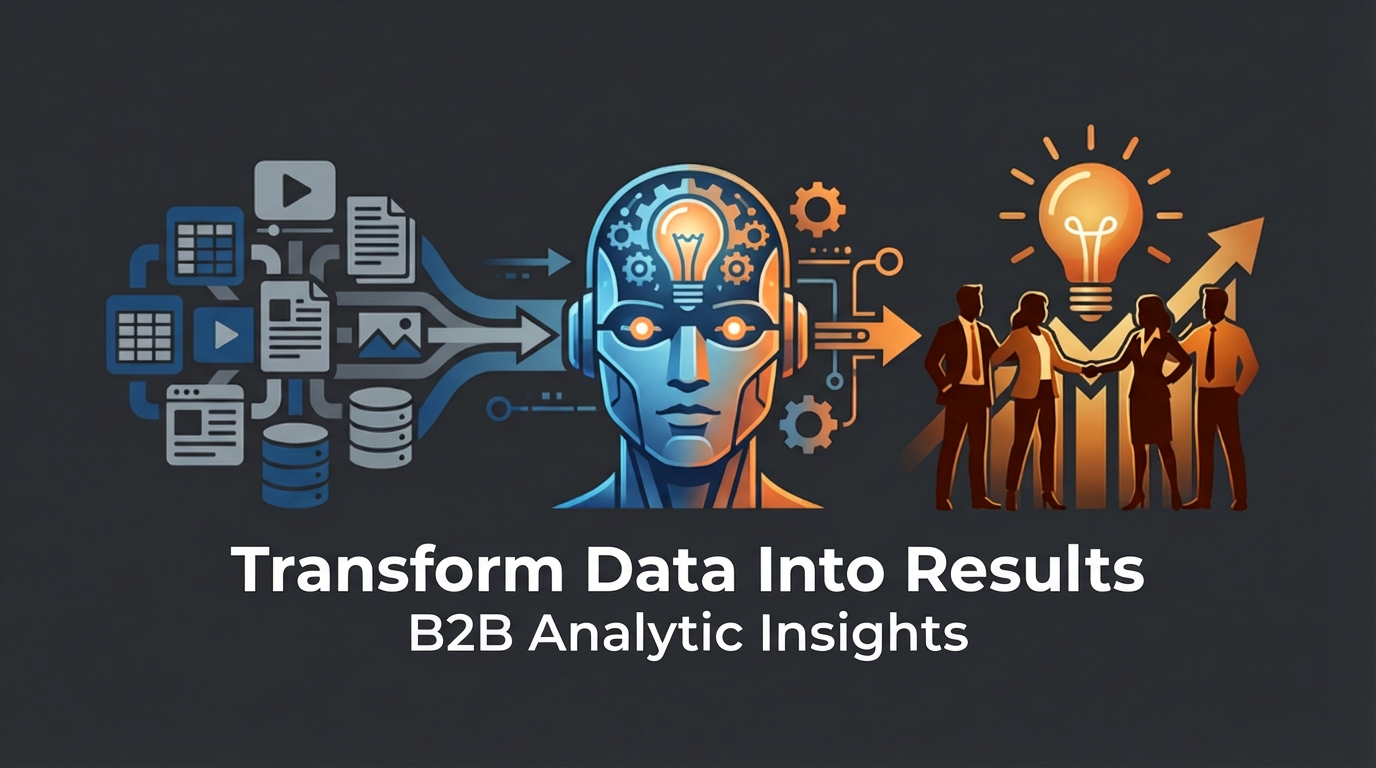
In recent years, the role of big data in compliance has become increasingly important. Big data refers to large and complex sets of data that cannot be easily managed or analyzed using traditional methods. The use of big data in compliance allows financial institutions to identify patterns, detect anomalies, and make informed decisions based on data-driven insights.
Key Takeaways
- Compliance is crucial in modern finance to ensure adherence to regulations and prevent financial crimes.
- Big data plays a significant role in compliance by providing vast amounts of information for analysis and monitoring.
- Key sources of big data in modern finance include transactional data, social media, and public records.
- Data analytics is essential in compliance to identify patterns and anomalies that may indicate potential risks.
- Machine learning and artificial intelligence can enhance compliance efforts by automating processes and improving accuracy.
Understanding the Role of Big Data in Compliance
Big data is characterized by its volume, velocity, and variety. It encompasses vast amounts of structured and unstructured data that is generated from various sources such as social media, transaction records, customer interactions, and market data. In compliance, big data is used to monitor and analyze activities within financial institutions to identify potential risks, frauds, or non-compliance with regulations.
The use of big data in compliance offers several benefits. Firstly, it enables financial institutions to have a holistic view of their operations by integrating data from multiple sources. This allows for a more comprehensive analysis of risks and compliance issues. Secondly, big data analytics can provide real-time insights, allowing for proactive risk management and faster response to potential compliance breaches. Lastly, big data analytics can help identify patterns and trends that may not be apparent through traditional methods, enabling financial institutions to make more informed decisions.
Key Sources of Big Data in Modern Finance
There are various sources of big data in modern finance. These include transactional data, customer data, market data, social media data, and external data sources such as news articles or regulatory filings.
Transactional data refers to the records of financial transactions conducted by customers. This data can provide insights into customer behavior, spending patterns, and potential risks. Customer data includes information such as demographics, preferences, and interactions with the financial institution. Market data encompasses information about market trends, asset prices, and economic indicators. Social media data provides valuable insights into customer sentiment and can help identify potential reputational risks. External data sources can provide additional context and information that may be relevant to compliance.
It is important to note that the quality of data is crucial in compliance. Accurate, complete, and reliable data is essential for effective compliance monitoring and analysis. Poor data quality can lead to inaccurate insights and decisions, potentially exposing financial institutions to compliance risks.
The Importance of Data Analytics in Compliance
Data analytics refers to the process of examining large datasets to uncover patterns, correlations, and insights. In compliance, data analytics is used to analyze big data and identify potential compliance issues or risks.
Data analytics in compliance offers several benefits. Firstly, it allows for a more efficient and effective monitoring of compliance activities. By analyzing large volumes of data, financial institutions can identify potential risks or non-compliance in a timely manner. Secondly, data analytics enables the detection of anomalies or unusual patterns that may indicate fraudulent activities or compliance breaches. Thirdly, data analytics can provide valuable insights into customer behavior, allowing financial institutions to better understand their customers and tailor their products or services accordingly.
Leveraging Machine Learning for Compliance
Machine learning is a subset of artificial intelligence that enables computers to learn from data without being explicitly programmed. In compliance, machine learning algorithms can be used to analyze big data and identify patterns or anomalies that may indicate potential compliance issues.
Machine learning offers several benefits in compliance. Firstly, it can automate the analysis of large volumes of data, saving time and resources for financial institutions. Secondly, machine learning algorithms can continuously learn and adapt to new patterns or risks, improving the accuracy and effectiveness of compliance monitoring. Thirdly, machine learning can help identify complex or hidden patterns that may not be apparent through traditional methods, enhancing the detection of potential compliance breaches.
The Role of Artificial Intelligence in Compliance

Artificial intelligence (AI) refers to the simulation of human intelligence in machines that are programmed to think and learn like humans. In compliance, AI can be used to automate and enhance various aspects of compliance monitoring and analysis.
AI offers several benefits in compliance. Firstly, it can automate repetitive tasks, such as data collection or report generation, freeing up time for compliance professionals to focus on more strategic activities. Secondly, AI can analyze large volumes of data in real-time, enabling faster detection of potential compliance breaches. Thirdly, AI can provide valuable insights and recommendations based on data-driven analysis, helping financial institutions make more informed decisions.
Challenges in Navigating Compliance with Big Data
While the use of big data in compliance offers numerous benefits, there are also challenges that financial institutions need to navigate. One of the main challenges is the sheer volume and complexity of big data. Managing and analyzing large volumes of data can be resource-intensive and require advanced technological capabilities.
Another challenge is ensuring the quality and accuracy of data. Poor data quality can lead to inaccurate insights and decisions, potentially exposing financial institutions to compliance risks. Additionally, privacy and security concerns need to be addressed when dealing with sensitive customer data.
Strategies for Managing Compliance with Big Data
To effectively manage compliance with big data, financial institutions can implement several strategies. Firstly, they can invest in advanced analytics tools and technologies that are capable of handling large volumes of data and providing real-time insights. Secondly, they can establish robust data governance frameworks to ensure the quality and accuracy of data. This includes implementing data validation processes, data cleansing techniques, and regular audits.
Thirdly, financial institutions can leverage partnerships with external data providers or regulatory technology (RegTech) companies to access additional data sources and enhance their compliance capabilities. Lastly, they can invest in training and upskilling their compliance teams to ensure they have the necessary skills and knowledge to effectively navigate compliance with big data.
Case Studies: Successful Compliance with Big Data
Several companies have successfully leveraged big data for compliance. One example is a global bank that used big data analytics to detect potential money laundering activities. By analyzing large volumes of transactional data, the bank was able to identify suspicious patterns and anomalies that indicated potential money laundering activities. This enabled the bank to take proactive measures to prevent money laundering and comply with regulatory requirements.
Another example is an insurance company that used machine learning algorithms to analyze customer data and identify potential fraudulent claims. By analyzing historical claims data, the company was able to identify patterns and anomalies that indicated potential fraud. This allowed the company to detect fraudulent claims in real-time and take appropriate actions.
These case studies highlight the importance of leveraging big data and advanced analytics in compliance. By harnessing the power of big data, financial institutions can enhance their compliance capabilities, improve risk management, and protect themselves from potential compliance breaches.
The Future of Compliance and Big Data in Modern Finance
The future of compliance and big data in modern finance is expected to be characterized by further advancements in technology and increased reliance on data-driven insights. As technology continues to evolve, financial institutions will have access to more sophisticated tools and technologies for managing compliance with big data.
Predictive analytics and artificial intelligence are expected to play a larger role in compliance, enabling financial institutions to proactively identify potential risks or non-compliance before they occur. Additionally, advancements in data privacy and security will be crucial in ensuring the responsible use of big data in compliance.
Staying up-to-date with these changes will be essential for financial institutions to effectively navigate compliance with big data. Continuous investment in technology, talent, and processes will be necessary to ensure compliance with evolving regulations and industry standards. By embracing the opportunities presented by big data, financial institutions can enhance their compliance capabilities and maintain a competitive edge in the modern finance landscape.