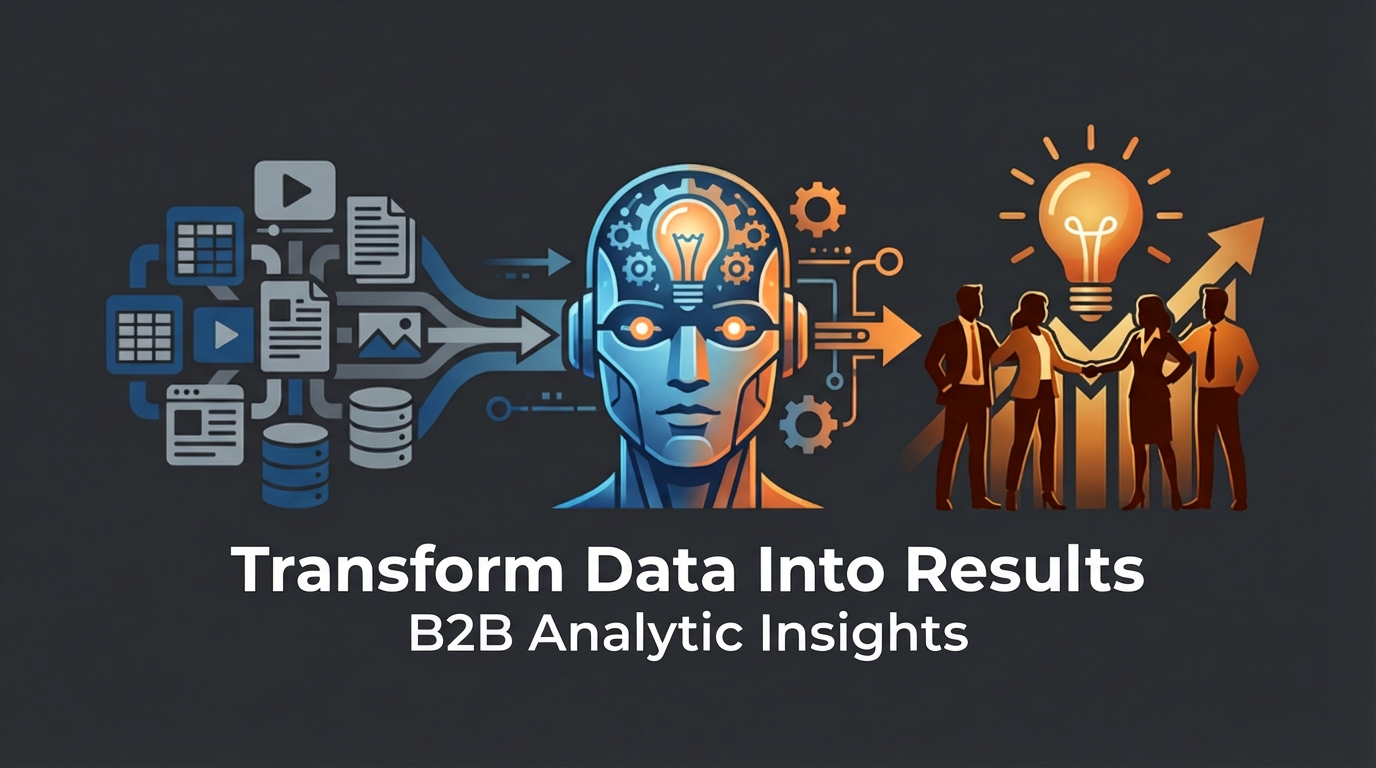

Big Data refers to the vast amount of structured and unstructured data that is generated by individuals, organizations, and machines on a daily basis. This data is characterized by its volume, velocity, and variety, and it presents both challenges and opportunities for businesses across various industries. In the finance sector, Big Data has become increasingly important as it provides valuable insights that can drive strategic decision making, risk management, and fraud detection.
The importance of Big Data in finance cannot be overstated. With the advent of technology and the proliferation of digital transactions, financial institutions have access to an unprecedented amount of data. This data can be used to gain a deeper understanding of customer behavior, identify trends and patterns, and make more informed decisions. By leveraging Big Data analytics, finance professionals can uncover hidden insights that were previously inaccessible, leading to improved operational efficiency and increased profitability.
Key Takeaways
- Big data is becoming increasingly important in finance due to the vast amount of data available and the potential insights it can provide.
- Data analytics plays a crucial role in modern finance teams, allowing them to make data-driven decisions and improve overall performance.
- Traditional sources of financial data, such as financial statements, are still important, but non-traditional sources like social media and web scraping are becoming more prevalent.
- While big data offers many benefits for finance teams, such as improved forecasting and risk management, it also presents challenges like data privacy and security concerns.
- Big data has a significant impact on financial decision making, allowing teams to make more informed and accurate decisions.
The Role of Data Analytics in Modern Finance Teams
Data analytics is the process of examining large sets of data to uncover patterns, correlations, and other insights that can inform decision making. In the context of finance teams, data analytics plays a crucial role in driving business performance and enhancing risk management practices.
Data analytics allows finance professionals to make sense of the vast amount of data available to them. By using advanced analytical tools and techniques, they can identify trends, detect anomalies, and predict future outcomes with a high degree of accuracy. This enables finance teams to make more informed decisions, optimize resource allocation, and mitigate risks.
The importance of data analytics in finance teams cannot be overstated. In today’s fast-paced business environment, finance professionals need to be able to quickly analyze large volumes of data in order to make timely decisions. By leveraging data analytics tools and techniques, they can gain valuable insights that can help them stay ahead of the competition and drive business growth.
Sources of Financial Data: Traditional vs. Non-Traditional
Traditionally, financial data has been sourced from internal systems such as accounting software, ERP systems, and CRM systems. These sources provide structured data that is easily accessible and can be analyzed using traditional analytical tools. However, with the advent of Big Data, finance teams now have access to a wide range of non-traditional sources of financial data.
Non-traditional sources of financial data include social media platforms, online forums, news articles, and sensor data. These sources provide unstructured data that is often difficult to analyze using traditional methods. However, by leveraging advanced analytics techniques such as natural language processing and sentiment analysis, finance teams can extract valuable insights from these sources.
The availability of non-traditional sources of financial data presents both opportunities and challenges for finance teams. On one hand, it allows them to gain a more comprehensive view of the market and make more informed decisions. On the other hand, it requires them to develop new skills and capabilities in order to effectively analyze and interpret unstructured data.
The Benefits and Challenges of Big Data for Finance Teams
The benefits of Big Data for finance teams are numerous. Firstly, it allows them to gain a deeper understanding of customer behavior and preferences. By analyzing large volumes of customer data, finance teams can identify patterns and trends that can help them tailor their products and services to meet customer needs.
Secondly, Big Data enables finance teams to improve risk management practices. By analyzing historical data and real-time market data, they can identify potential risks and take proactive measures to mitigate them. This can help prevent financial losses and protect the organization’s reputation.
However, there are also challenges associated with Big Data for finance teams. Firstly, there is the challenge of data quality. With such large volumes of data being generated on a daily basis, it can be difficult to ensure that the data being analyzed is accurate and reliable. Finance teams need to have robust data governance processes in place to ensure data quality.
Secondly, there is the challenge of data privacy and security. With the increasing amount of data being collected and analyzed, there is a greater risk of data breaches and unauthorized access. Finance teams need to implement strong security measures to protect sensitive financial data and comply with regulatory requirements.
The Impact of Big Data on Financial Decision Making
Big Data has a significant impact on financial decision making. By analyzing large volumes of data from various sources, finance teams can gain valuable insights that can inform their decision making process.
For example, Big Data can help finance teams identify market trends and predict future market conditions. By analyzing historical market data and real-time market data, they can identify patterns and trends that can help them make more accurate forecasts. This can enable them to make more informed investment decisions and optimize their portfolio allocation.
Furthermore, Big Data can help finance teams identify potential risks and take proactive measures to mitigate them. By analyzing historical data and real-time market data, they can identify potential risks and develop risk management strategies to minimize their impact. This can help prevent financial losses and protect the organization’s reputation.
Best Practices for Collecting and Managing Financial Data

Collecting and managing financial data effectively is crucial for finance teams to leverage the power of Big Data. Here are some best practices for collecting and managing financial data:
1. Define clear objectives: Before collecting financial data, finance teams should define clear objectives for what they want to achieve with the data. This will help guide the collection and analysis process.
2. Use multiple sources: To get a comprehensive view of the market, finance teams should collect financial data from multiple sources. This includes both traditional sources such as internal systems and non-traditional sources such as social media platforms.
3. Ensure data quality: To ensure accurate and reliable analysis, finance teams should have robust data governance processes in place. This includes validating the accuracy and completeness of the data, as well as ensuring data privacy and security.
4. Leverage advanced analytics techniques: To extract valuable insights from financial data, finance teams should leverage advanced analytics techniques such as machine learning and artificial intelligence. These techniques can help identify patterns, detect anomalies, and predict future outcomes.
5. Continuously monitor and update data: Financial data is constantly changing, so it is important for finance teams to continuously monitor and update their data. This includes regularly reviewing and updating data models, as well as incorporating new data sources as they become available.
The Future of Big Data in Finance: Trends and Predictions
The future of Big Data in finance is promising, with several trends and predictions emerging. Here are some key trends and predictions for the future of Big Data in finance:
1. Increased use of predictive analytics: As finance teams become more adept at analyzing Big Data, there will be an increased focus on predictive analytics. This involves using historical data to make predictions about future outcomes, enabling finance teams to make more informed decisions.
2. Integration of structured and unstructured data: With the increasing availability of non-traditional sources of financial data, there will be a greater emphasis on integrating structured and unstructured data. This will enable finance teams to gain a more comprehensive view of the market and make more accurate predictions.
3. Greater emphasis on data privacy and security: With the increasing amount of financial data being collected and analyzed, there will be a greater emphasis on data privacy and security. Finance teams will need to implement strong security measures to protect sensitive financial data and comply with regulatory requirements.
4. Adoption of cloud-based analytics platforms: As the volume of financial data continues to grow, finance teams will increasingly turn to cloud-based analytics platforms to store and analyze their data. These platforms offer scalability, flexibility, and cost-effectiveness, making them an attractive option for finance teams.
Leveraging Big Data for Risk Management and Fraud Detection
Big Data can be leveraged by finance teams for risk management and fraud detection. By analyzing large volumes of data from various sources, finance teams can identify potential risks and detect fraudulent activities.
For risk management, finance teams can use Big Data analytics to identify patterns and trends that may indicate potential risks. By analyzing historical data and real-time market data, they can identify potential risks and develop risk management strategies to mitigate them. This can help prevent financial losses and protect the organization’s reputation.
For fraud detection, finance teams can use Big Data analytics to detect anomalies and patterns that may indicate fraudulent activities. By analyzing transactional data, customer data, and other relevant data sources, they can identify suspicious activities and take appropriate action. This can help prevent financial losses and protect the organization’s assets.
The Role of Machine Learning and AI in Analyzing Financial Data
Machine learning and artificial intelligence (AI) play a crucial role in analyzing financial data. Machine learning is a subset of AI that involves the development of algorithms that can learn from and make predictions or decisions based on data.
Machine learning algorithms can be used to analyze large volumes of financial data and identify patterns, correlations, and other insights. By training these algorithms on historical data, finance teams can develop models that can make predictions about future outcomes with a high degree of accuracy.
Furthermore, machine learning algorithms can be used to automate repetitive tasks and improve operational efficiency. For example, they can be used to automate the process of reconciling financial statements or detecting anomalies in transactional data.
Overall, machine learning and AI have the potential to revolutionize the way financial data is analyzed and used by finance teams. By leveraging these technologies, finance professionals can gain valuable insights that can drive strategic decision making, risk management, and fraud detection.
Case Studies: Successful Implementation of Big Data in Finance Teams
There are several examples of successful implementation of Big Data in finance teams. These case studies highlight the benefits and challenges of leveraging Big Data for financial decision making.
One example is the use of Big Data analytics by a global investment bank to optimize its portfolio allocation. By analyzing large volumes of market data, the bank was able to identify trends and patterns that helped it make more informed investment decisions. This resulted in improved portfolio performance and increased profitability.
Another example is the use of Big Data analytics by a retail bank to detect fraudulent activities. By analyzing transactional data and customer data, the bank was able to identify suspicious activities and take appropriate action. This helped prevent financial losses and protect the bank’s reputation.
These case studies demonstrate the power of Big Data analytics in driving business performance and enhancing risk management practices. However, they also highlight the challenges associated with collecting, managing, and analyzing large volumes of financial data. Finance teams need to have the right skills, tools, and processes in place to effectively leverage Big Data for decision making.
In conclusion, Big Data has become increasingly important in the finance sector. It provides valuable insights that can drive strategic decision making, risk management, and fraud detection. By leveraging data analytics tools and techniques, finance teams can gain a deeper understanding of customer behavior, identify trends and patterns, and make more informed decisions. However, there are also challenges associated with Big Data, such as data quality and data privacy. Finance teams need to have robust data governance processes in place to ensure accurate and reliable analysis. The future of Big Data in finance is promising, with trends such as increased use of predictive analytics and integration of structured and unstructured data emerging. By effectively collecting, managing, and analyzing financial data, finance teams can leverage the power of Big Data to drive business growth and enhance risk management practices.