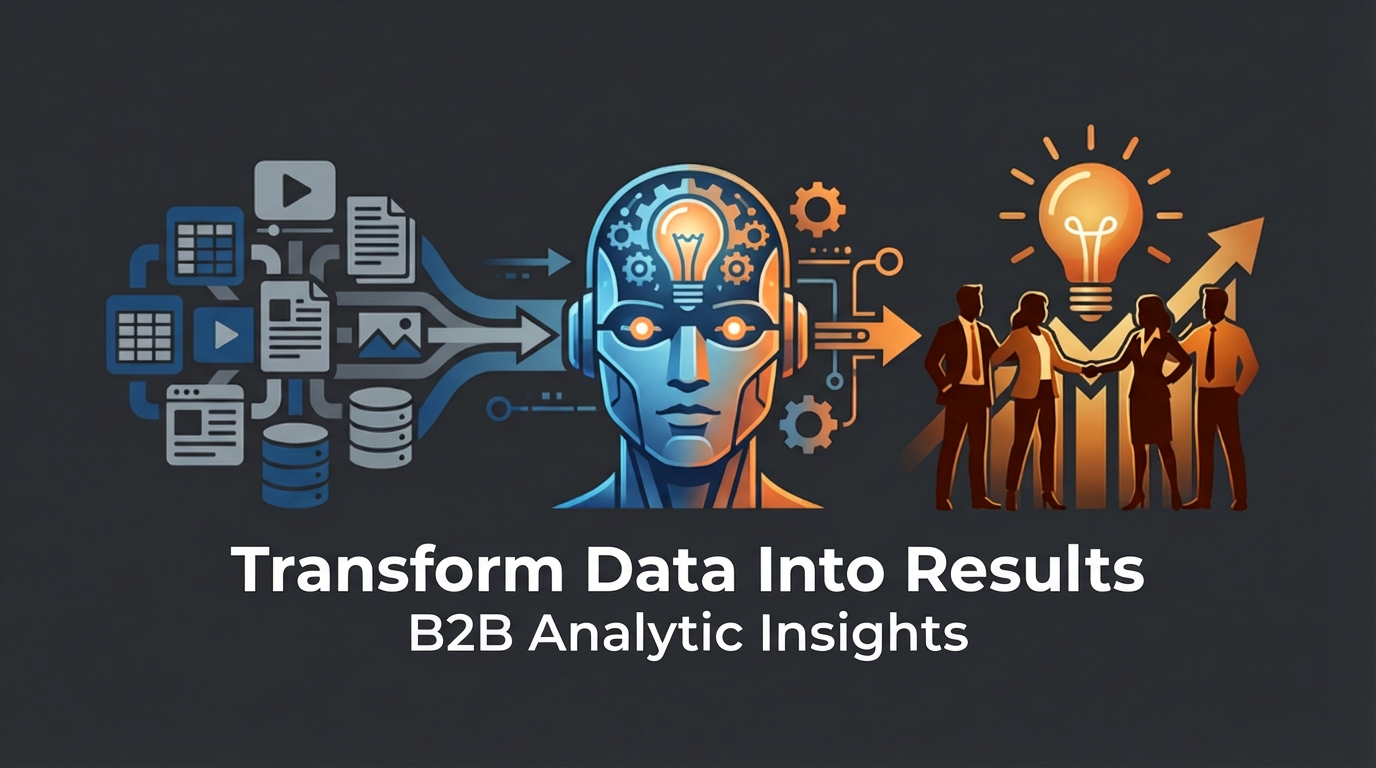

Predictive Analytics is the practice of using data, statistical algorithms, and machine learning techniques to analyze historical data and make predictions about future events or outcomes. It involves extracting patterns and trends from large datasets to identify potential future outcomes and make informed decisions. Predictive Analytics has become increasingly important in today’s world due to the abundance of data available and the need for businesses to stay competitive in a rapidly changing environment.
Key Takeaways
- Predictive analytics is the use of data, statistical algorithms, and machine learning techniques to identify the likelihood of future outcomes based on historical data.
- Predictive analytics is important in business because it helps organizations make data-driven decisions, improve operational efficiency, and gain a competitive advantage.
- The basics of predictive analytics include data collection, data preprocessing, model building, model evaluation, and deployment.
- Techniques and tools used in predictive analytics include regression analysis, decision trees, neural networks, and data mining software.
- Benefits of predictive analytics in decision making include improved accuracy, increased efficiency, and reduced risk.
The Importance of Predictive Analytics in Business
Predictive Analytics plays a crucial role in helping businesses make informed decisions. By analyzing historical data and identifying patterns, businesses can gain insights into customer behavior, market trends, and potential risks. This information can then be used to develop strategies, optimize operations, and improve overall performance.
For example, a retail company can use Predictive Analytics to forecast customer demand and optimize inventory levels. By analyzing historical sales data, the company can identify patterns and trends that can help them predict future demand. This allows them to stock the right amount of inventory at the right time, reducing costs associated with overstocking or stockouts.
Similarly, a financial institution can use Predictive Analytics to assess credit risk and make more accurate lending decisions. By analyzing customer data, such as credit history, income level, and employment status, the institution can predict the likelihood of a customer defaulting on a loan. This helps them make informed decisions about whether to approve or deny a loan application.
Understanding the Basics of Predictive Analytics
The process of Predictive Analytics involves several steps. First, data is collected from various sources, such as databases, sensors, or social media platforms. This data is then cleaned and preprocessed to remove any inconsistencies or errors.
Next, the data is analyzed using statistical algorithms and machine learning techniques to identify patterns and trends. This involves training models on historical data and using them to make predictions about future events or outcomes.
There are several types of data used in Predictive Analytics, including structured, unstructured, and semi-structured data. Structured data refers to data that is organized in a predefined format, such as a spreadsheet or database. Unstructured data, on the other hand, refers to data that does not have a predefined structure, such as text documents or social media posts. Semi-structured data is a combination of both structured and unstructured data, such as XML or JSON files.
Techniques and Tools Used in Predictive Analytics
Predictive Analytics relies on a variety of techniques and tools to analyze data and make predictions. Machine Learning algorithms are commonly used to train models on historical data and make predictions about future events. These algorithms can be classified into two main categories: supervised learning and unsupervised learning.
Supervised learning algorithms are used when the historical data includes both input variables (features) and output variables (labels). The algorithm learns from this labeled data to make predictions about future events. Examples of supervised learning algorithms include linear regression, logistic regression, decision trees, and support vector machines.
Unsupervised learning algorithms, on the other hand, are used when the historical data does not include any labels. These algorithms analyze the data to identify patterns and group similar instances together. Examples of unsupervised learning algorithms include clustering algorithms, such as k-means clustering and hierarchical clustering.
In addition to machine learning algorithms, Predictive Analytics also relies on Data Mining techniques to extract useful information from large datasets. Data Mining involves exploring and analyzing large datasets to discover patterns and relationships that can be used to make predictions or gain insights.
Statistical models are another important tool used in Predictive Analytics. These models use statistical techniques to analyze historical data and make predictions about future events. Examples of statistical models include regression analysis, time series analysis, and survival analysis.
Benefits of Predictive Analytics in Decision Making
Predictive Analytics offers several benefits in decision making. One of the main benefits is improved accuracy. By analyzing historical data and identifying patterns, businesses can make more accurate predictions about future events or outcomes. This allows them to make informed decisions and reduce the risk of making costly mistakes.
Predictive Analytics also helps businesses reduce risk and uncertainty. By analyzing historical data and identifying potential risks, businesses can take proactive measures to mitigate these risks. For example, a manufacturing company can use Predictive Analytics to identify potential equipment failures and schedule preventive maintenance to avoid costly downtime.
In addition, Predictive Analytics can help businesses increase efficiency and productivity. By analyzing historical data and identifying inefficiencies or bottlenecks, businesses can optimize their operations and improve overall performance. For example, a logistics company can use Predictive Analytics to optimize delivery routes and reduce fuel costs.
Predictive Analytics in Marketing and Sales

Predictive Analytics has become increasingly important in marketing and sales. By analyzing customer data, businesses can gain insights into customer behavior, preferences, and purchasing patterns. This information can then be used to develop targeted marketing campaigns and improve customer engagement.
For example, an e-commerce company can use Predictive Analytics to personalize product recommendations for each customer. By analyzing historical purchase data and identifying patterns, the company can recommend products that are most likely to be of interest to each customer. This not only improves the customer experience but also increases the likelihood of a purchase.
Similarly, a retail company can use Predictive Analytics to identify potential churners and develop targeted retention strategies. By analyzing customer data, such as purchase history, browsing behavior, and demographic information, the company can identify customers who are at risk of churning. This allows them to take proactive measures, such as offering personalized discounts or rewards, to retain these customers.
Predictive Analytics in Healthcare and Medicine
Predictive Analytics has also found applications in healthcare and medicine. By analyzing patient data, such as medical records, genetic information, and lifestyle data, healthcare providers can make more accurate diagnoses and develop personalized treatment plans.
For example, Predictive Analytics can be used to predict the likelihood of a patient developing a certain disease based on their genetic profile. This information can then be used to develop preventive measures or recommend lifestyle changes to reduce the risk of developing the disease.
In addition, Predictive Analytics can help healthcare providers identify patients who are at risk of readmission. By analyzing patient data, such as medical history, demographic information, and social determinants of health, providers can identify patients who are at high risk of readmission. This allows them to develop targeted interventions, such as follow-up appointments or home visits, to reduce the likelihood of readmission.
Predictive Analytics in Finance and Banking
Predictive Analytics has also found applications in finance and banking. By analyzing financial data, such as transaction history, credit scores, and market trends, financial institutions can make more accurate lending decisions and detect fraudulent activities.
For example, Predictive Analytics can be used to assess credit risk and make more accurate lending decisions. By analyzing customer data, such as credit history, income level, and employment status, financial institutions can predict the likelihood of a customer defaulting on a loan. This helps them make informed decisions about whether to approve or deny a loan application.
Similarly, Predictive Analytics can be used to detect fraudulent activities in banking transactions. By analyzing transaction data and identifying patterns or anomalies, financial institutions can flag suspicious transactions and take appropriate actions to prevent fraud.
Challenges and Limitations of Predictive Analytics
While Predictive Analytics offers numerous benefits, it also faces several challenges and limitations. One of the main challenges is data quality and availability. Predictive Analytics relies on large datasets that are clean, accurate, and representative of the population. However, obtaining high-quality data can be challenging due to data inconsistencies, missing values, or biases.
In addition, ethical concerns are another challenge in Predictive Analytics. The use of personal data for making predictions raises concerns about privacy and data protection. It is important for businesses to ensure that they have the necessary consent and safeguards in place to protect the privacy of individuals.
Furthermore, there is a risk of overreliance on Predictive Analytics. While Predictive Analytics can provide valuable insights and predictions, it should not be the sole basis for decision making. It is important for businesses to consider other factors, such as expert knowledge and intuition, when making important decisions.
Future of Predictive Analytics and Emerging Trends
The future of Predictive Analytics looks promising, with advancements in technology and the increasing availability of data. One of the emerging trends is the advancement in Artificial Intelligence (AI) and Machine Learning (ML). AI and ML algorithms are becoming more sophisticated and capable of analyzing complex datasets to make accurate predictions.
Another emerging trend is the increased use of Predictive Analytics in Internet of Things (IoT) devices. IoT devices generate vast amounts of data that can be analyzed to make predictions and gain insights. For example, smart home devices can use Predictive Analytics to learn user preferences and automate tasks based on these preferences.
Furthermore, Predictive Analytics is expected to play a crucial role in the era of Big Data. With the increasing volume, velocity, and variety of data, businesses will rely on Predictive Analytics to extract valuable insights and make informed decisions.
In conclusion, Predictive Analytics is a powerful tool that can help businesses make informed decisions, improve efficiency, and reduce risk. By analyzing historical data and identifying patterns, businesses can gain insights into customer behavior, market trends, and potential risks. However, it is important to be aware of its limitations and ethical concerns. With advancements in technology, the future of Predictive Analytics looks promising, and we can expect to see more innovative applications in various industries.