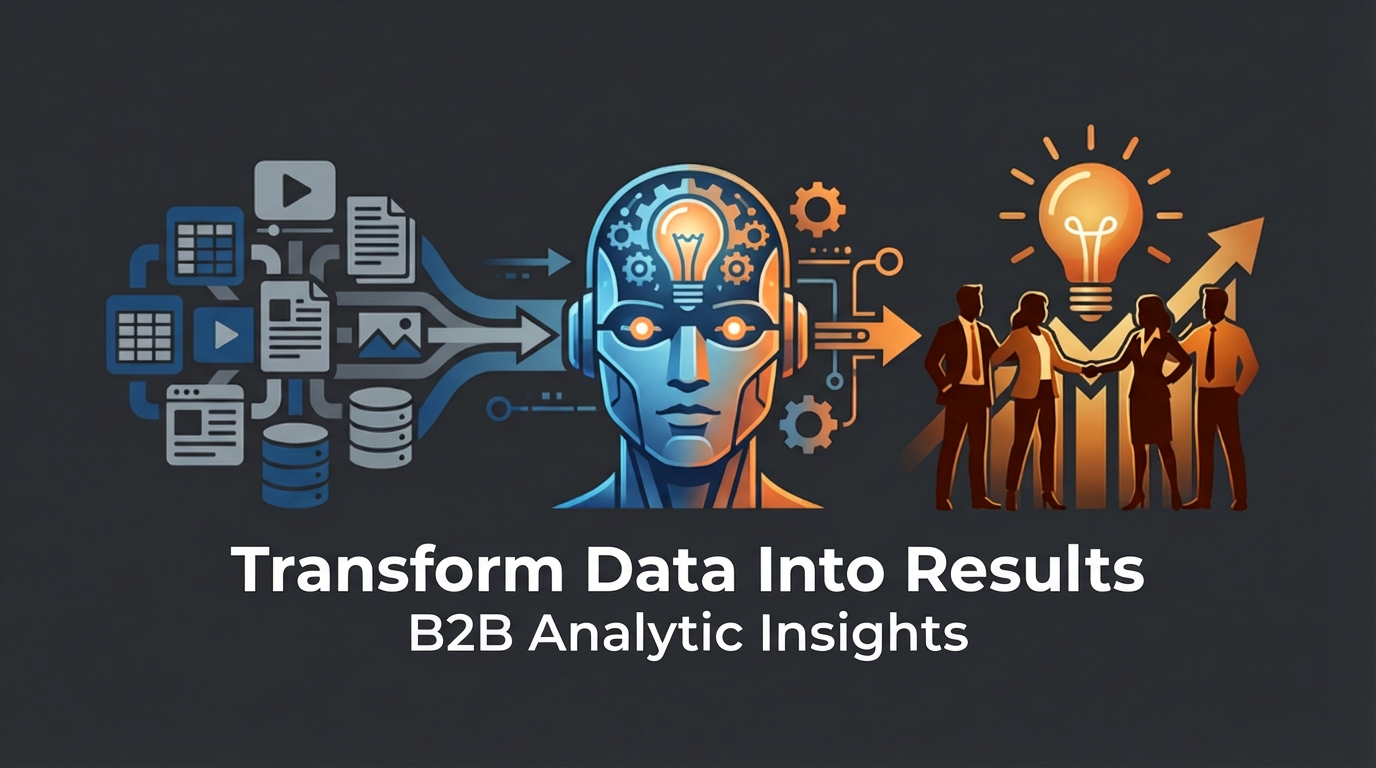

Strategic sourcing is a crucial element of organizational procurement strategies. It encompasses the identification, evaluation, and engagement of suppliers to secure optimal terms and conditions for goods and services acquisition. While traditional methods rely on historical data, performance metrics, and market trends, modern organizations are increasingly incorporating alternative shipping data to enhance their procurement strategies.
Alternative shipping data comprises information generated throughout the shipping and logistics process, including real-time tracking, delivery times, transportation costs, and supplier performance. This data provides organizations with valuable insights into supply chain operations, enabling cost-saving opportunities and supplier relationship optimization. By analyzing this information, companies can identify inefficiencies in transportation networks, negotiate better freight rates, and improve delivery performance, leading to significant cost savings and operational efficiencies.
Moreover, alternative shipping data offers a competitive advantage by facilitating more informed decision-making in supplier selection and contract negotiations. Analysis of historical shipping data reveals trends and patterns in supplier performance, delivery times, and transportation costs. This information allows organizations to evaluate supplier reliability, assess transportation cost impacts on procurement expenses, and negotiate more favorable terms.
Ultimately, alternative shipping data provides a comprehensive view of supply chain operations, enabling strategic decisions that drive value and competitive advantage.
Key Takeaways
- Strategic sourcing can be enhanced by utilizing alternative shipping data for procurement strategies.
- Big data can provide valuable insights for strategic sourcing when leveraged effectively.
- Data quality is crucial in strategic sourcing, ensuring accuracy and reliability in alternative shipping data.
- Analytics can be used to identify cost-saving opportunities and improve procurement strategies through alternative shipping data analysis.
- Alternative shipping data can optimize supplier relationships and negotiations, enhancing procurement strategies.
Leveraging Big Data for Strategic Sourcing: How Alternative Shipping Data Can Provide Valuable Insights
Unlocking Insights with Alternative Shipping Data
Alternative shipping data is a key source of big data that can be leveraged to enhance procurement strategies. By harnessing the power of big data analytics, organizations can gain a deeper understanding of their supply chain operations and identify opportunities for improvement. For example, by analyzing alternative shipping data, organizations can identify bottlenecks in their transportation network, optimize delivery routes, and reduce transportation costs.
Improving Supplier Performance and Risk Management
Big data analytics can help organizations identify patterns and trends in supplier performance, enabling them to make more informed decisions when selecting suppliers and negotiating contracts. This level of insight can lead to improved operational efficiency, cost savings, and better overall procurement outcomes. Furthermore, big data analytics can also enable organizations to proactively identify potential risks and disruptions in their supply chain.
Real-Time Visibility and Proactive Risk Management
By analyzing alternative shipping data in real-time, organizations can detect anomalies in delivery times, transportation costs, and supplier performance that may indicate potential issues. This level of visibility allows organizations to take proactive measures to mitigate risks and ensure continuity in their supply chain operations. Ultimately, by leveraging big data analytics and alternative shipping data, organizations can gain a competitive advantage in their procurement strategies and drive value across their supply chain.
The Importance of Data Quality in Strategic Sourcing: Ensuring Accuracy and Reliability in Alternative Shipping Data
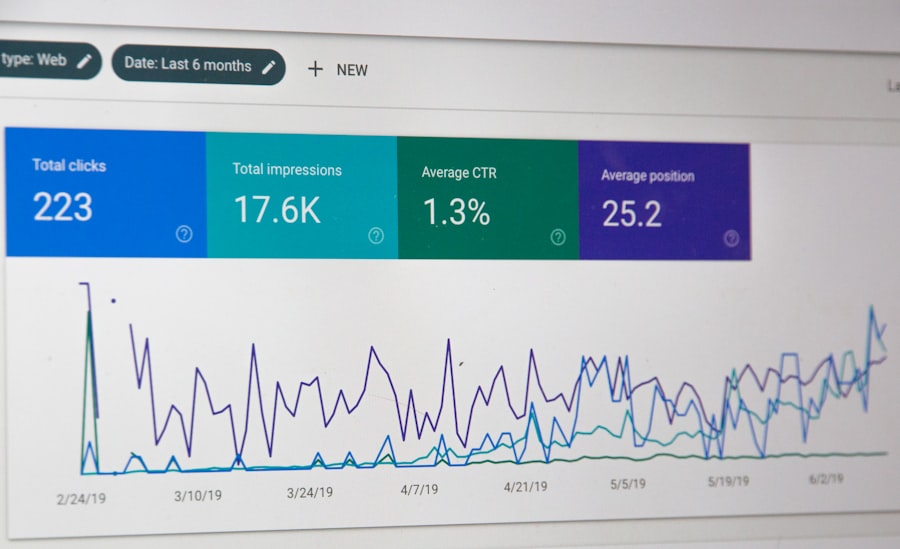
When it comes to strategic sourcing, the quality of data is paramount to making informed decisions and driving value across the supply chain. Alternative shipping data is a valuable source of information that can provide organizations with insights into their supply chain operations and supplier performance. However, ensuring the accuracy and reliability of this data is crucial to its effectiveness in enhancing procurement strategies.
Data quality encompasses various aspects such as accuracy, completeness, consistency, timeliness, and relevance. In the context of alternative shipping data, accuracy is particularly important as it directly impacts the reliability of the insights derived from the data. Organizations must ensure that the shipping data they collect is accurate and free from errors or discrepancies.
This may involve implementing robust data validation processes, leveraging advanced tracking technologies, and establishing clear data governance policies to maintain data integrity. Furthermore, the completeness and timeliness of alternative shipping data are also critical factors in ensuring its reliability for strategic sourcing purposes. Organizations must have access to comprehensive shipping data that provides a holistic view of their supply chain operations.
Additionally, timely access to shipping data is essential for making real-time decisions and proactively addressing potential issues in the supply chain. By ensuring that alternative shipping data is complete and timely, organizations can leverage it effectively to optimize procurement strategies and drive value across the supply chain. In essence, the importance of data quality in strategic sourcing cannot be overstated.
Organizations must prioritize the accuracy, completeness, and timeliness of alternative shipping data to ensure its reliability for making informed decisions and driving value across the supply chain.
Analyzing Alternative Shipping Data: Using Analytics to Identify Cost-Saving Opportunities and Improve Procurement Strategies
Analyzing alternative shipping data is a critical component of leveraging its potential to enhance procurement strategies. By applying advanced analytics to shipping data, organizations can gain valuable insights into their supply chain operations, identify cost-saving opportunities, and improve overall procurement strategies. Advanced analytics techniques such as predictive modeling, machine learning, and prescriptive analytics can enable organizations to extract actionable insights from alternative shipping data.
One key area where analytics can drive value is in identifying cost-saving opportunities within the supply chain. By analyzing alternative shipping data, organizations can identify inefficiencies in their transportation network, optimize delivery routes, and negotiate better freight rates with carriers. Additionally, analytics can help organizations identify patterns and trends in transportation costs, enabling them to make more informed decisions when selecting transportation providers and negotiating contracts.
This level of insight can lead to significant cost savings and operational efficiencies across the supply chain. Furthermore, analytics can also enable organizations to improve their procurement strategies by identifying opportunities for process optimization and supplier performance improvement. By analyzing historical shipping data, organizations can identify trends in supplier performance, delivery times, and transportation costs.
This information can be used to evaluate supplier reliability, assess the impact of transportation costs on overall procurement expenses, and negotiate more favorable terms with suppliers. Additionally, analytics can help organizations proactively identify potential risks and disruptions in their supply chain by detecting anomalies in delivery times or transportation costs. In summary, by applying advanced analytics to alternative shipping data, organizations can gain valuable insights into their supply chain operations and identify opportunities for cost savings and process improvement.
This level of insight can enable organizations to make more informed decisions when selecting suppliers, negotiating contracts, and optimizing their overall procurement strategies.
Enhancing Procurement Strategies with Alternative Shipping Data: Leveraging Insights to Optimize Supplier Relationships and Negotiations
Alternative shipping data provides organizations with valuable insights into their supply chain operations that can be leveraged to enhance procurement strategies. One key area where alternative shipping data can drive value is in optimizing supplier relationships and negotiations. By leveraging insights from shipping data, organizations can gain a deeper understanding of supplier performance, delivery times, transportation costs, and overall supply chain efficiency.
One way that alternative shipping data can enhance procurement strategies is by providing organizations with visibility into supplier performance metrics. By analyzing historical shipping data, organizations can identify trends in supplier reliability, on-time delivery rates, and transportation costs. This information can be used to evaluate supplier performance objectively and make more informed decisions when selecting suppliers for future contracts.
Additionally, by leveraging insights from shipping data, organizations can negotiate more favorable terms with suppliers based on objective performance metrics. Furthermore, alternative shipping data can also provide organizations with valuable insights into transportation costs that impact overall procurement expenses. By analyzing shipping data, organizations can identify patterns and trends in transportation costs that may impact their bottom line.
This information can be used to negotiate better freight rates with carriers or optimize delivery routes to reduce transportation costs. By leveraging insights from shipping data in negotiations with suppliers and carriers, organizations can drive cost savings across their supply chain operations. In essence, by leveraging insights from alternative shipping data, organizations can optimize supplier relationships and negotiations to drive value across their procurement strategies.
This level of visibility into supplier performance metrics and transportation costs enables organizations to make more informed decisions when selecting suppliers and negotiating contracts.
Overcoming Challenges in Utilizing Alternative Shipping Data: Addressing Integration, Interpretation, and Implementation

Integrating Disparate Data Sources
One of the primary challenges in utilizing alternative shipping data is integrating data from various sources into a centralized platform for analysis. Shipping data may be generated from multiple carriers or logistics providers in different formats and systems. To overcome this challenge, organizations must invest in robust integration capabilities to aggregate this disparate data into a unified platform for analysis.
Deriving Actionable Insights
Another challenge is interpreting alternative shipping data effectively to derive actionable insights that drive value across procurement strategies. Organizations must invest in advanced analytics capabilities to analyze large volumes of shipping data and extract meaningful insights from it. This may involve leveraging predictive modeling techniques, machine learning algorithms, or prescriptive analytics tools to identify patterns and trends in the data that can inform procurement decisions.
Implementing Insights into Procurement Strategies
Implementing insights derived from alternative shipping data into procurement strategies poses a significant challenge for many organizations. It requires a cultural shift towards data-driven decision-making and a willingness to embrace change based on the insights derived from shipping data analysis. Additionally, organizations must invest in the necessary technology infrastructure and talent capabilities to implement these insights effectively into their procurement processes.
In summary, while there are challenges in utilizing alternative shipping data effectively for procurement strategies, organizations can overcome these challenges by investing in robust integration capabilities, advanced analytics tools, and a culture of data-driven decision-making.
Future Trends in Strategic Sourcing: The Role of Alternative Shipping Data and Advanced Analytics in Procurement Innovation
Looking ahead, the future of strategic sourcing will be increasingly shaped by the role of alternative shipping data and advanced analytics in driving procurement innovation. As organizations continue to embrace digital transformation initiatives across their supply chain operations, alternative shipping data will play a pivotal role in providing valuable insights into supplier performance metrics, transportation costs, and overall supply chain efficiency. One key future trend is the integration of real-time tracking technologies into alternative shipping data analysis.
By leveraging IoT (Internet of Things) devices and sensors throughout the supply chain network, organizations can gain real-time visibility into shipment status, delivery times, and transportation conditions. This level of real-time tracking capability will enable organizations to proactively identify potential risks or disruptions in their supply chain operations and take immediate corrective actions. Additionally, advanced analytics techniques such as machine learning algorithms will play an increasingly important role in deriving actionable insights from alternative shipping data.
Machine learning algorithms can analyze large volumes of shipping data to identify patterns and trends that may not be apparent through traditional analysis methods. This level of insight will enable organizations to make more informed decisions when selecting suppliers, negotiating contracts, and optimizing their overall procurement strategies. Furthermore, the future of strategic sourcing will also be characterized by an increased focus on predictive analytics capabilities derived from alternative shipping data analysis.
By leveraging predictive modeling techniques on historical shipping data, organizations can forecast future demand patterns, identify potential risks or disruptions in the supply chain network before they occur. In conclusion, the future of strategic sourcing will be shaped by the increasing role of alternative shipping data and advanced analytics in driving procurement innovation. By embracing these future trends in strategic sourcing practices will be able to gain a competitive advantage by making more informed decisions when selecting suppliers negotiating contracts optimizing overall procurement strategies based on actionable insights derived from alternative shipping data analysis.
FAQs
What is strategic sourcing?
Strategic sourcing is the process of proactively managing an organization’s supply base to deliver the best value to the organization and its customers.
What is alternative shipping data?
Alternative shipping data refers to non-traditional sources of information related to the movement of goods, such as carrier performance data, transportation costs, and delivery times.
How can alternative shipping data enhance procurement strategies?
By utilizing alternative shipping data, organizations can gain insights into transportation costs, carrier performance, and delivery times, which can help in making more informed procurement decisions and optimizing supply chain operations.
What are the benefits of utilizing alternative shipping data in strategic sourcing?
Some benefits of utilizing alternative shipping data in strategic sourcing include cost savings, improved supplier performance, better risk management, and enhanced supply chain visibility.
What are some examples of alternative shipping data sources?
Examples of alternative shipping data sources include carrier performance reports, freight invoices, transportation management system data, and real-time shipment tracking information.
How can organizations access and analyze alternative shipping data?
Organizations can access alternative shipping data through various sources such as transportation management systems, carrier portals, and third-party logistics providers. Analyzing the data can be done using data analytics tools and software.