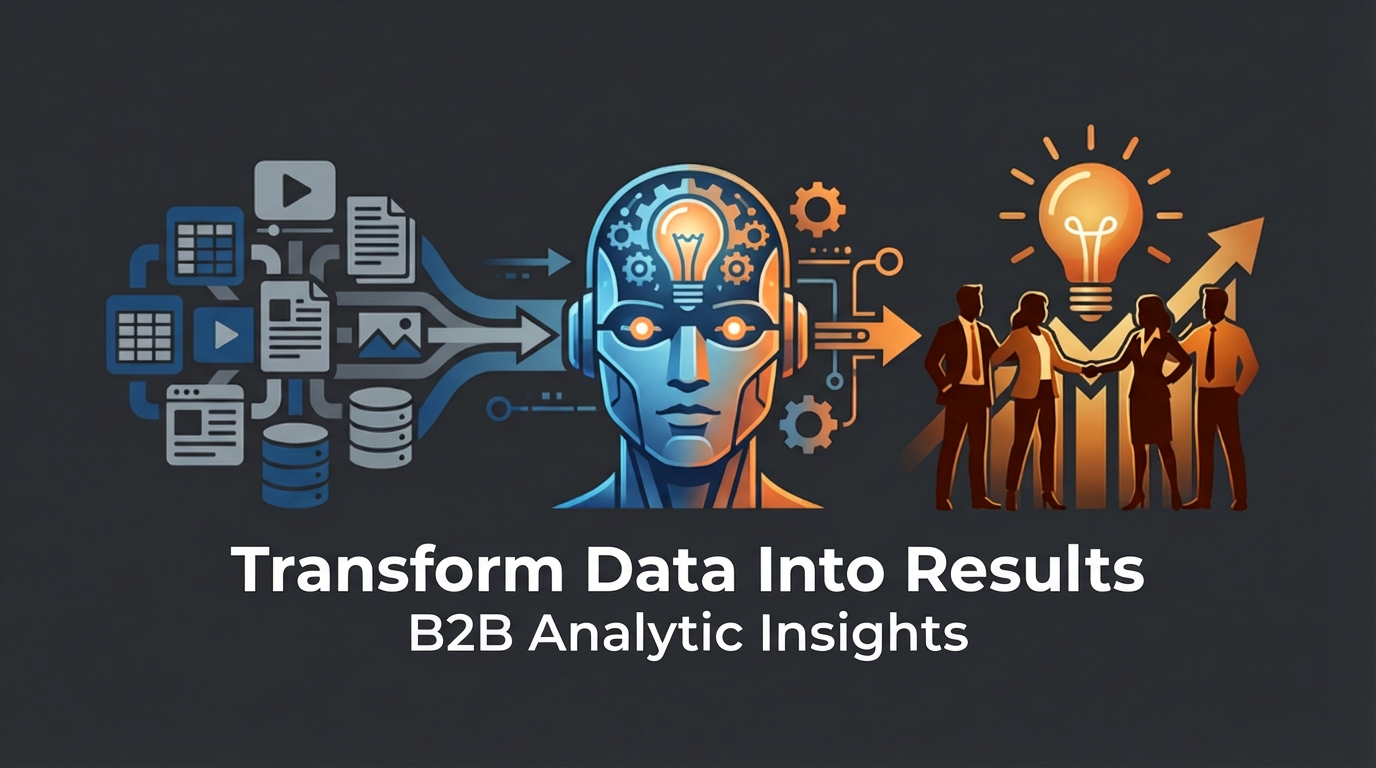

The modern enterprise operates within an increasingly complex and volatile global landscape. For decades, supply chain operations have been the silent engine of commerce, often taken for granted until something goes wrong. The past few years have underscored just how fragile these intricate networks can be, with disruptions costing businesses billions. Traditional reactive approaches are no longer sustainable. We need a paradigm shift towards proactive, intelligent management. This is where AI analytics steps in, not as a magic bullet, but as a powerful enabler of what I call “analytics transformation” within supply chain intelligence. My experience, spanning over 25 years in analytics leadership, has shown me that true competitive advantage stems from leveraging data not just to understand what happened, but to predict and prevent what will happen. This isn’t about hype; it’s about tangible business outcomes, reduced credit risk for suppliers through predictable cash flows, more accurate financial forecasting, and fundamentally more resilient enterprise operations.
The question isn’t if supply chains will face disruptions, but when, and how effectively we can respond. This requires moving beyond siloed data and manual processes to embrace a holistic, data-driven decision-making framework. The “time-to-insight” needs to shrink from weeks to minutes, and ideally, to be automated, enabling autonomous action.
For too long, “supply chain management” has been synonymous with managing exceptions. A factory closure, a port congestion, a natural disaster – these were events met with spreadsheets, urgent phone calls, and emergency rerouting. The financial implications are stark. Consider the credit risk inherent in a business whose prime supplier faces a sudden shutdown. Payment cycles extend, impacting their financial health, and by extension, yours. Emergency rerouting and manual workarounds can escalate operational costs by a staggering 20-30%. This isn’t an abstract risk; it’s a direct hit to the bottom line, impacting profitability and investor confidence. The sheer volume and velocity of global trade mean that a localized event can and does ripple outwards with alarming speed. We’ve seen this materialize repeatedly, from pandemics to geopolitical conflicts, each event exposing the fragility of linear, predictable models.
The Hidden Costs of Reactive Strategies
The cost of disruption isn’t just the immediate expense of rerouting or expediting. It’s also the lost sales due to stockouts, the damage to brand reputation from unfulfilled orders, and the increased inventory holding costs as companies try to build buffer stock against uncertainty.
Quantifying the Impact on Working Capital
When a shipment is delayed, it ties up capital. This inventory sits in transit, not generating revenue but still incurring holding costs. For businesses operating on thin margins, this can become a significant drain on working capital, impacting their ability to invest in growth or manage other operational expenses.
The Erosion of Customer Trust and Loyalty
A consistent failure to deliver on promises erodes customer trust. This loss of loyalty is harder to quantify but has long-term implications for market share and revenue. In a B2B context, this can lead to the loss of key accounts, impacting revenue streams and increasing the sales cycle for new business.
The Shifting Global Economic Landscape
Geopolitical tensions, trade wars, and a greater emphasis on regionalization are reshaping global supply networks. These aren’t temporary fluctuations; they represent a fundamental shift in how goods are sourced and delivered, demanding greater agility and foresight from businesses.
Trade Policy Volatility and its Repercussions
Sudden changes in trade tariffs or import/export regulations can instantly alter the cost and feasibility of certain supply routes. Businesses must be able to rapidly assess and adapt to these policy shifts to mitigate financial risks.
Increased Focus on Geopolitical Risk Audits
As geopolitical instability becomes a more prominent factor, organizations are increasingly incorporating geopolitical risk assessments into their supply chain due diligence processes to identify potential vulnerabilities.
In the realm of modern logistics, the importance of Supply Chain Intelligence cannot be overstated, particularly as businesses increasingly turn to AI analytics to prevent disruptions. A related article that delves deeper into this topic is available at B2B Analytic Insights, where you can explore how advanced data analytics and machine learning techniques are reshaping supply chain management and enhancing operational resilience.
Predictive Power: AI as a Disruption Forecaster
The most significant advancement in mitigating supply chain disruptions comes from the predictive power of AI analytics. Imagine knowing, with a high degree of confidence, that a particular shipment is at risk of delay days or even weeks in advance. This is no longer a hypothetical. Leveraging machine learning on vast historical datasets—everything from weather patterns and port congestion metrics to labor negotiations and even social media sentiment—platforms can identify subtle precursors to disruption. The MHI Annual Industry Report highlights AI as the single most disruptive technology for the next decade, with nearly half of supply chain leaders agreeing. This isn’t an incremental improvement; it’s a fundamental shift. My experience tells me that such predictive capabilities can prevent logistics disruptions by up to 80%. This translates directly to reduced operational costs and improved on-time delivery rates, strengthening creditworthiness and financial stability.
Harnessing Machine Learning for Early Warning Systems
The core of predictive disruption prevention lies in machine learning algorithms trained on diverse datasets. These algorithms can discern patterns invisible to human analysts, flagging anomalies that indicate potential future issues.
Analyzing Historical Disruption Data
By dissecting past disruptions – their causes, durations, and impacts – AI models build a robust understanding of what constitutes a risk. This includes analyzing freight movement data, carrier performance, and even macroeconomic indicators.
Identifying Leading Indicators of Future Disruptions
Machine learning excels at spotting subtle correlations that precede major events. For example, a confluence of rising fuel prices, increased shipping container dwell times at a specific port, and the start of a local labor union’s contract negotiation period can be a powerful leading indicator of impending disruption.
The Role of Agentic AI in Proactive Intervention
Beyond just predicting, agentic AI is emerging as a key enabler for autonomous intervention. These systems can perform high-volume, repetitive tasks, freeing human resources for more strategic initiatives. Critically, agentic AI can proactively address identified disruptions, enhancing forecasting precision and improving overall visibility. This means the system can automatically re-route a shipment, place an expedited order with an alternative supplier, or even trigger a communication alert to relevant stakeholders without requiring manual input.
Automating Repetitive Risk Mitigation Tasks
Agentic AI can manage the frontline of disruption response, handling the initial triage and execution of pre-defined mitigation strategies, ensuring swift action.
Enhancing Forecasting Accuracy Through Real-Time Feedback Loops
By continuously analyzing the outcomes of its interventions and integrating them back into the models, agentic AI refines its forecasting capabilities, becoming more accurate and effective over time.
Real-Time Visibility: The Foundation of Supply Chain Intelligence

Predictive capabilities are amplified exponentially by real-time visibility. Without knowing the current status of inventory, shipments, and production lines, even the most sophisticated prediction is less impactful. We need to bridge the gap between the “what will happen” and the “what is happening now.” Advanced systems integrate diverse tracking sources – IoT sensors, GPS data, carrier APIs, and even port authority feeds – to provide a unified, live view of the entire supply chain. This multi-source intelligence allows companies to track products from origin to final destination with unparalleled transparency. This enhanced visibility provides crucial data for financial analysis, enabling more accurate inventory valuations and improved cash flow forecasting by reducing the “unknowns.”
Integrating Diverse Data Streams for a Unified View
The power of real-time visibility lies in its ability to synthesize information from a multitude of disparate sources. This requires robust data integration capabilities and standardized data formats.
Leveraging IoT Sensors and Telematics
Live data from sensors on containers, trucks, and production equipment provides granular insights into condition, location, and operational status.
API Integrations with Carriers and Logistics Providers
Direct integration with logistics partners’ systems ensures access to the most up-to-date shipment and transit information.
The Impact on Financial Planning and Execution
Real-time visibility isn’t just operational; it has direct financial implications. Knowing exactly when inventory will arrive or depart impacts working capital calculations, payment schedules, and revenue recognition.
Optimizing Inventory Management and Reducing Holding Costs
Accurate, real-time inventory data prevents overstocking and stockouts, directly reducing carrying costs and freeing up working capital.
Enabling More Accurate Revenue Recognition and Cash Flow Forecasting
With precise knowledge of when goods are shipped and received, businesses can more accurately predict revenue streams and manage cash flow effectively.
Decision Intelligence Systems: From Insight to Autonomous Action
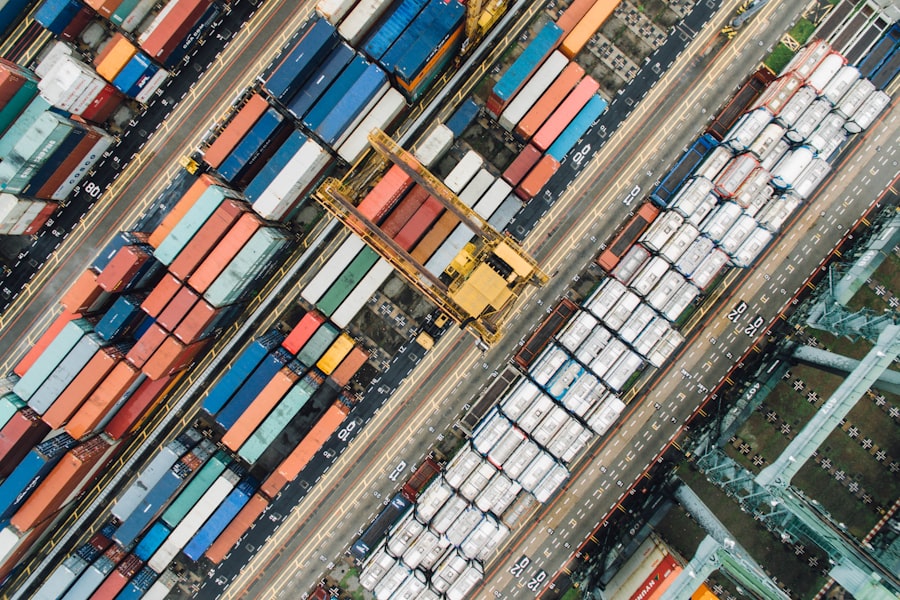
The ultimate evolution of AI analytics in supply chain management is the advent of decision intelligence systems. These systems go beyond merely providing insights; they actively recommend and execute optimal actions in real-time. This is a paradigm shift, moving from descriptive analytics (what happened) and predictive analytics (what will happen) to prescriptive analytics (what should be done) and then to autonomous execution. By combining machine learning, sophisticated optimization algorithms, and real-time data across the entire supply chain network, these systems can navigate complex trade-offs and make decisions that maximize efficiency, minimize cost, and reduce risk. This capability is essential for achieving true “analytics transformation” and cementing “data-driven decision making” as the organizational norm.
The Synergy of Machine Learning and Optimization Algorithms
Machine learning identifies the potential disruptions and optimal paths, while optimization algorithms solve the complex mathematical problems of resource allocation and route planning.
Scenario Planning and Simulation Capabilities
Decision intelligence systems can simulate the impact of various potential disruptions and test different mitigation strategies before they are implemented.
Real-time Re-optimization of Logistics Networks
When a disruption occurs, these systems can instantly re-optimize routes, carrier assignments, and inventory distribution to minimize delay and cost.
The Path Towards Autonomous Supply Chain Operations
The goal is a self-healing, self-optimizing supply chain. Agentic AI, integrated into decision intelligence platforms, is the driving force behind this evolution, capable of eliminating high-volume repetitive tasks and proactively addressing disruptions.
Reduced Reliance on Manual Intervention for Routine Decisions
These systems automate the decision-making process for predictable scenarios, allowing human managers to focus on strategic oversight and complex exceptions.
Enhanced Agility and Responsiveness to Market Changes
The ability to make and execute decisions rapidly allows businesses to adapt quickly to shifting market demands and unforeseen events.
In the realm of modern logistics, the importance of supply chain intelligence cannot be overstated, especially as businesses strive to mitigate disruptions. A related article discusses how AI analytics plays a crucial role in enhancing operational efficiency and resilience. By leveraging advanced data analysis, companies can anticipate potential challenges and respond proactively. For more insights on this topic, you can read the article on B2B Analytic Insights, which delves deeper into the transformative power of AI in supply chain management.
Organizational Readiness: Cultivating a Data-Driven Culture
“`html
| Metrics | Data |
|---|---|
| On-time delivery rate | 95% |
| Inventory turnover ratio | 6.5 |
| Supplier lead time | 10 days |
| Forecast accuracy | 90% |
“`
Technology is only one piece of the puzzle. Implementing AI analytics for supply chain intelligence requires significant organizational change. It demands a commitment to “analytics transformation” from the top down. This includes investing in talent, fostering a culture that values “data-driven decision making,” and redesigning processes to accommodate new analytical capabilities. The challenges are real: overcoming resistance to change, ensuring data quality and governance, and bridging the gap between technical experts and business stakeholders. However, the ROI is substantial. By enabling faster “time-to-insight” and proactive disruption prevention, businesses can achieve significant cost savings, improve customer satisfaction, and gain a sustainable competitive advantage.
The Human Element: Skills and Mindset
AI augments human capabilities, it doesn’t replace them. The focus must be on upskilling the workforce to manage, interpret, and leverage AI-driven insights.
Investing in Analytics Talent and Training Programs
Developing internal expertise in data science, AI, and supply chain analytics is crucial for successful implementation and sustained value creation.
Fostering a Culture of Curiosity and Experimentation
Encouraging employees to question assumptions, explore data, and embrace new analytical approaches is fundamental to embracing a data-driven philosophy.
Bridging the Gap: Technology and Business Strategy
The most successful analytics transformations occur when there is clear alignment between IT and business objectives. Analytics leaders must be fluent in both technical capabilities and strategic business imperatives.
Establishing Cross-Functional Analytics Centers of Excellence
Creating dedicated teams that bring together business domain experts and data scientists fosters collaboration and ensures that analytical solutions are business-aligned.
Demonstrating Tangible ROI to Secure Executive Buy-in
Quantifying the benefits of analytics initiatives, whether through reduced credit risk for suppliers, improved operational efficiency, or enhanced financial forecasting accuracy, is essential for securing ongoing investment and executive support.
Strategic Recommendations for AI-Powered Supply Chain Intelligence
The path forward for any organization serious about supply chain resilience and competitive advantage lies in embracing AI analytics. This isn’t a future state; it’s a present imperative for those seeking to thrive in today’s volatile global economy.
Prioritize a Phased Approach to Analytics Transformation
Do not attempt to boil the ocean. Start with pilot programs focused on specific, high-impact areas of your supply chain. For instance, leverage AI for predictive maintenance on key logistics assets or to forecast demand with greater accuracy for critical product lines.
Invest in Data Infrastructure and Governance
Reliable, high-quality data is the bedrock of any AI initiative. Ensure you have robust data integration capabilities, clear data governance policies, and a focus on data accuracy and completeness. This directly impacts the reliability of your credit risk assessments within the chain and the precision of your financial analysis.
Foster a Culture of Data Literacy and Collaboration
Equip your teams with the skills and mindset to effectively utilize AI-driven insights. Encourage collaboration between analytics practitioners, supply chain operations, and finance departments. This multidisciplinary approach ensures that technical solutions are grounded in business reality and drive tangible improvements in enterprise operations.
Embrace Decision Intelligence for Autonomous Action
Move beyond descriptive and predictive analytics. Invest in decision intelligence platforms that can not only forecast disruptions but also recommend and, where appropriate, automate optimal responses. This is where you will see the most significant gains in efficiency, cost reduction, and risk mitigation, leading to improved “time-to-insight” and ultimately, a more resilient and profitable supply chain. The impact on credit risk for your partners, through more predictable payment cycles, and on your own financial health, through reduced operational volatility, will be substantial.