
Portfolio health demands constant vigilance. It is not an exercise confined to a calendar. Market dynamics shift. Supply chains evolve. Customer behavior changes. A static view delivers incomplete understanding. We must adapt our methods to reflect this reality.
The Illusion of Quarterly Snapshots
Quarterly reporting provides a timestamp. It fulfills compliance requirements. It offers a standardized metric. However, it presents a lagging indicator. Critical shifts often occur between these fixed points. We need to see the currents, not just the high tide mark.
The Cost of Delayed Insight
Delay in insight translates to delayed action. This impacts risk exposure. It affects capital allocation. Missed opportunities arise. Undetected stress accumulates. A quarterly cadence leaves blind spots. This is a commercial reality.
Active portfolios require active management. Continuous oversight is fundamental. We need systems that provide immediate visibility into emerging trends. This means moving beyond historical reporting to instantaneous intelligence.
Identifying Early Warning Signals
Early signals mitigate risk. This involves monitoring a broad array of data points. We track operational performance. We observe market sentiment. We analyze geopolitical shifts. Small changes can foretell larger movements.
Proactive Risk Mitigation
Identifying risk early allows for proactive responses. This means adjusting credit limits promptly. It involves re-evaluating exposure. We can engage with counterparties constructively. This minimizes potential losses. It preserves value.
Supply Chain Intelligence: Beyond the First Tier
Credit risk extends beyond the direct borrower. Their ecosystem matters. Understanding supply chain health is critical. It provides a deeper context for financial stability. We assess dependencies and vulnerabilities.
Mapping the Extended Enterprise
Mapping the supply chain reveals hidden connections. It identifies single points of failure. We look at key suppliers. We analyze critical customers. This expanded view offers a more complete risk profile.
Resilience and Continuity Assessment
Supply chain resilience is a key indicator. We assess a firm’s ability to withstand shocks. This includes natural disasters. It covers geopolitical events. It considers economic downturns. A robust supply chain strengthens creditworthiness. Fragile links compromise it.
Decision Intelligence: From Data to Actionable Insights
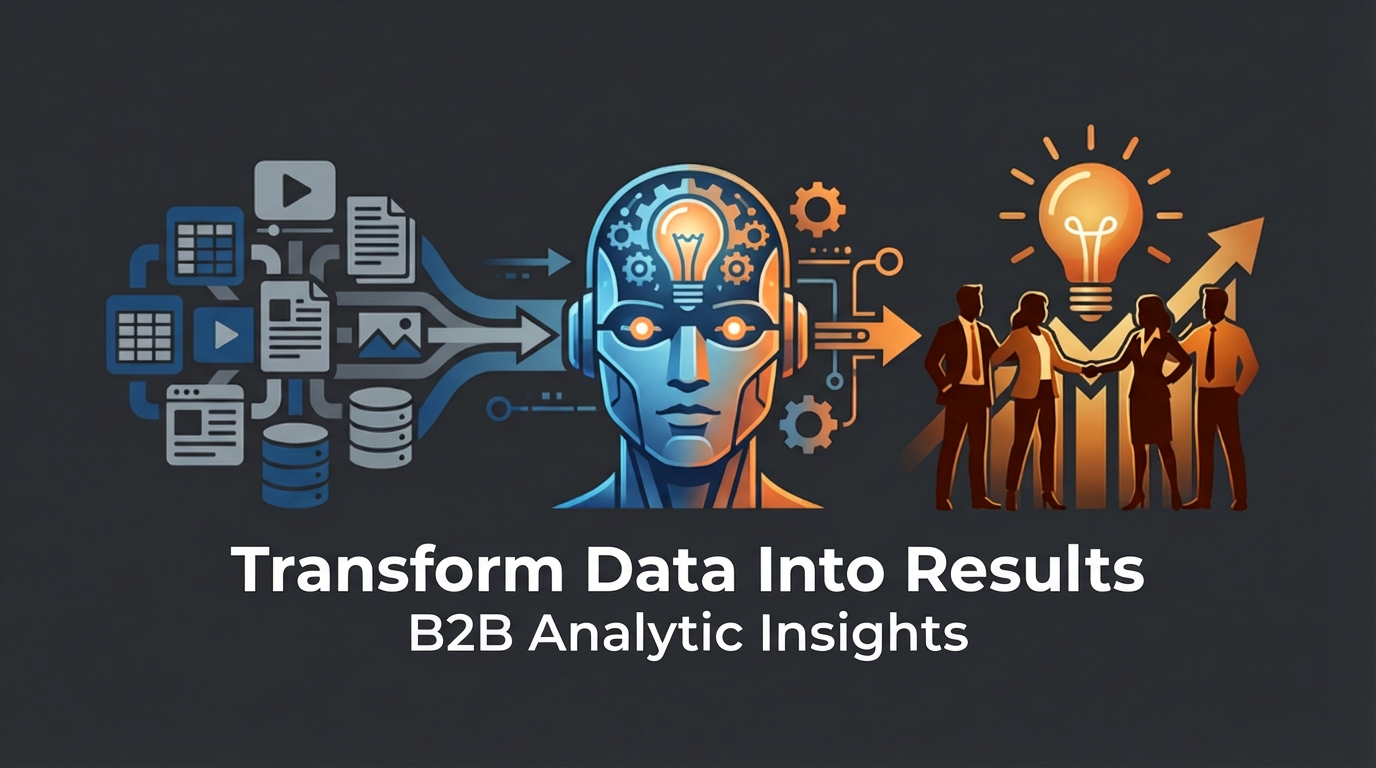
Data is abundant. Insight is scarce. Our focus must be on transforming raw data into actionable intelligence. This requires a systematic approach. It demands robust analytical frameworks.
Descriptive Analytics: What Already Happened
Descriptive analytics provides a baseline. It summarizes past performance. It identifies patterns in historical data. We see trends in payment behavior. We observe changes in financial ratios. This forms our foundational understanding.
Diagnostic Analytics: Why It Happened
Diagnostic analytics digs deeper. It identifies root causes. We want to understand why a particular trend emerged. Was it a market shift? A management change? An operational challenge? This explains the ‘what’.
Predictive Analytics: What Might Happen Next
Predictive analytics forecasts future outcomes. We use models to simulate various scenarios. This helps us anticipate potential credit events. It informs our forward-looking assessment. This moves us from reacting to anticipating.
Prescriptive Analytics: What We Should Do
Prescriptive analytics guides our actions. It recommends optimal strategies. Based on predicted outcomes, we propose specific interventions. This empowers informed decision-making. It transforms insight into direct commercial benefit. Our goal is not just to know, but to act effectively.
AI-Driven Analytics: Elevating Our Capabilities
Artificial intelligence enhances our ability to process and understand complex data. This is not a replacement for human judgment. It is a powerful augmentation. It brings scale and speed to our analysis.
Uncovering Hidden Patterns
AI algorithms excel at pattern recognition. They can identify subtle correlations human analysts might miss. This reveals emerging risks. It uncovers new opportunities. This provides a competitive edge.
Enhancing Forecasting Accuracy
Machine learning models improve forecast precision. They learn from vast datasets. They adapt to changing conditions. This refines our predictive capabilities. It strengthens our risk models. Accuracy in forecasting is commercially vital.
Automating Routine Analysis
AI automates repetitive analytical tasks. This frees human experts for higher-value activities. They can focus on complex problem-solving. They can engage in strategic planning. This optimizes resource allocation.
The Human Element: Judgment and Experience
| Metrics | Data |
|---|---|
| Project Completion Rate | 85% |
| Resource Utilization | 90% |
| Stakeholder Satisfaction | 75% |
| Risk Assessment | Low |
Technology empowers. It does not replace. Decades of experience inform our approach. We have seen diverse market cycles. We have navigated countless challenges. Our judgment remains paramount.
Interpreting AI Outputs
AI provides outputs. We interpret them. We consider the context. We apply our commercial acumen. The models are tools. We are the architects of strategy.
Strategic Decision-Making
Ultimately, decisions rest with us. AI offers a perspective. Our experience provides the wisdom. We weigh the risks. We evaluate the opportunities. This blend of intelligence drives superior results.
Collaboration and Insight Sharing
Effective decision-making is collaborative. We share insights across teams. We debate perspectives. Diverse viewpoints strengthen our understanding. Collective intelligence leads to better outcomes.
Driving Commercial Results
Our purpose is clear: transform data into commercial results. We manage thousands of commercial entities. This scale demands rigor. It requires precision. Continuous portfolio health management is not merely best practice. It is essential for sustained success. It is the only way to navigate an ever-changing economic landscape successfully.